-
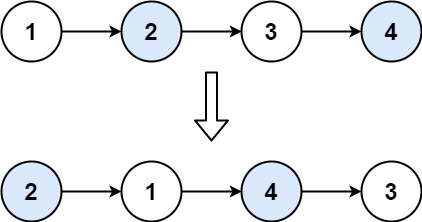
首先,链表由节点组成,每个节点应该包含数据和指向下一个节点的指针。
-
结构体可以包含数据域和指针域。
-
比如,假设链表存储整数,那节点的结构体应该有一个int类型的数据和一个指向同样结构体的指针。结构体定义大概是这样的:
struct Node {
int data;
struct Node* next;
};
-
代码示例:
#include <stdio.h>
#include <stdlib.h>

// 定义链表节点结构
struct Node {
    int data;
    struct Node* next;
};

// 在链表头部插入新节点
void insertAtHead(struct Node** head_ref, int data) {
    struct Node* new_node = (struct Node*)malloc(sizeof(struct Node));
    new_node->data = data;
    new_node->next = *head_ref;
    *head_ref = new_node;
}

// 删除指定值的节点
void deleteNode(struct Node** head_ref, int key) {
    struct Node *temp = *head_ref, *prev = NULL;

    // 处理头节点为删除目标的情况
    if (temp != NULL && temp->data == key) {
        *head_ref = temp->next;
        free(temp);
        return;
    }

    // 遍历查找目标节点
    while (temp != NULL && temp->data != key) {
        prev = temp;
        temp = temp->next;
    }

    // 未找到目标节点
    if (temp == NULL) return;

    // 删除节点并调整指针
    prev->next = temp->next;
    free(temp);
}

// 遍历并打印链表
void printList(struct Node* node) {
    while (node != NULL) {
        printf("%d -> ", node->data);
        node = node->next;
    }
    printf("NULL\n");
}

// 释放链表内存
void freeList(struct Node* head) {
    struct Node* tmp;
    while (head != NULL) {
        tmp = head;
        head = head->next;
        free(tmp);
    }
}

int main() {
    struct Node* head = NULL;

    // 插入测试
    insertAtHead(&head, 3);
    insertAtHead(&head, 2);
    insertAtHead(&head, 1);
    printf("初始链表: ");
    printList(head);  // 输出: 1 -> 2 -> 3 -> NULL

    // 删除测试
    deleteNode(&head, 2);
    printf("删除2后的链表: ");
    printList(head);  // 输出: 1 -> 3 -> NULL

    deleteNode(&head, 1);
    printf("删除1后的链表: ");
    printList(head);  // 输出: 3 -> NULL

    deleteNode(&head, 3);
    printf("删除3后的链表: ");
    printList(head);  // 输出: NULL

    // 释放内存
    freeList(head);

    return 0;
}
5.输出结果:
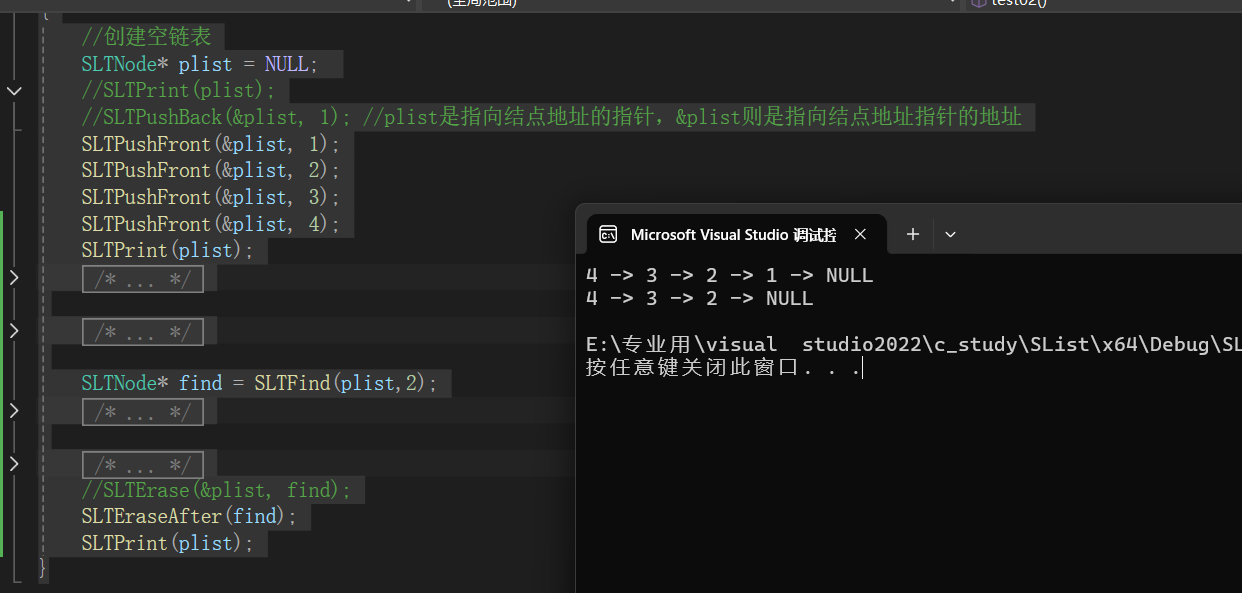
初始链表: 1 -> 2 -> 3 -> NULL
删除2后的链表: 1 -> 3 -> NULL
删除1后的链表: 3 -> NULL
删除3后的链表: NULL
6.代码解释:
-
节点结构 (
struct Node):-
data:存储节点值(此处为整型) -
next:指向下一个节点的指针
-
-
核心操作:
-
insertAtHead:在链表头部插入新节点-
时间复杂度:O(1)
-
使用二级指针修改头节点指针
-
-
deleteNode:删除指定值的节点-
时间复杂度:O(n)
-
处理头节点删除和中间节点删除两种情况
-
-
printList:遍历并打印链表 -
freeList:释放链表内存,避免内存泄漏
-
-
执行流程:
-
初始化空链表
-
依次插入3个节点(1→2→3)
-
分步删除节点并打印结果
-
最终释放所有内存
-