手把手教你用PyTorch复现MobileNetV2:从Inverted Residuals到完整模型搭建
news2026/3/20 12:45:53
MobileNetV2实战指南从零构建高效轻量级卷积网络1. 为什么选择MobileNetV2在移动端和嵌入式设备上部署深度学习模型时我们常常面临计算资源有限、功耗受限的挑战。MobileNetV2作为谷歌团队2018年提出的轻量级网络架构通过一系列创新设计在准确率和计算效率之间取得了出色平衡。与V1版本相比V2在ImageNet分类任务上提升了约1.4%的top-1准确率同时保持了相似的参数量约350万参数。核心优势倒残差结构突破传统残差设计先升维后降维深度可分离卷积大幅减少计算量约8-9倍线性瓶颈层避免低维空间的信息损失Relu6激活优化低精度计算表现提示在实际项目中MobileNetV2特别适合需要实时推理的场景如移动端图像分类、目标检测如结合SSD等。2. 环境准备与基础模块实现2.1 PyTorch环境配置推荐使用conda创建独立环境conda create -n mobilenet python3.8 conda activate mobilenet pip install torch1.12.1 torchvision0.13.12.2 基础卷积模块我们先实现包含卷积、BN和激活的复合模块import torch import torch.nn as nn class ConvBNReLU(nn.Sequential): def __init__(self, in_ch, out_ch, kernel_size3, stride1, groups1): padding (kernel_size - 1) // 2 super().__init__( nn.Conv2d(in_ch, out_ch, kernel_size, stride, padding, groupsgroups, biasFalse), nn.BatchNorm2d(out_ch), nn.ReLU6(inplaceTrue) )参数说明groups1标准卷积groupsin_ch深度可分离卷积ReLU6限制输出范围到[0,6]提升量化效果3. 核心结构实现3.1 倒残差块Inverted Residualclass InvertedResidual(nn.Module): def __init__(self, in_ch, out_ch, stride, expand_ratio): super().__init__() hidden_ch int(in_ch * expand_ratio) self.use_res stride 1 and in_ch out_ch layers [] if expand_ratio ! 1: layers.append(ConvBNReLU(in_ch, hidden_ch, 1)) layers.extend([ # 深度卷积 ConvBNReLU(hidden_ch, hidden_ch, stridestride, groupshidden_ch), # 线性逐点卷积 nn.Conv2d(hidden_ch, out_ch, 1, biasFalse), nn.BatchNorm2d(out_ch), ]) self.conv nn.Sequential(*layers) def forward(self, x): if self.use_res: return x self.conv(x) return self.conv(x)关键设计点扩展阶段expand1×1卷积升维深度卷积depthwise3×3分组卷积处理空间信息压缩阶段project1×1卷积降维无激活3.2 网络配置表MobileNetV2由多个倒残差块堆叠而成其结构配置如下输入尺寸算子tcns224×224conv2d-3212112×112bottleneck11611112×112bottleneck6242256×56bottleneck6323228×28bottleneck6644214×14bottleneck6963114×14bottleneck6160327×7bottleneck6320117×7conv2d 1×1-128011注意t为扩展因子c为输出通道n为重复次数s为步长4. 完整模型搭建基于配置表实现完整网络class MobileNetV2(nn.Module): def __init__(self, num_classes1000): super().__init__() # 初始卷积层 self.features [ConvBNReLU(3, 32, stride2)] # 倒残差块配置 (t, c, n, s) configs [ (1, 16, 1, 1), (6, 24, 2, 2), (6, 32, 3, 2), (6, 64, 4, 2), (6, 96, 3, 1), (6, 160, 3, 2), (6, 320, 1, 1) ] in_ch 32 for t, c, n, s in configs: out_ch c for i in range(n): stride s if i 0 else 1 self.features.append( InvertedResidual(in_ch, out_ch, stride, t) ) in_ch out_ch # 最终卷积层 self.features.append(ConvBNReLU(in_ch, 1280, 1)) self.features nn.Sequential(*self.features) self.avgpool nn.AdaptiveAvgPool2d((1, 1)) self.classifier nn.Linear(1280, num_classes) def forward(self, x): x self.features(x) x self.avgpool(x) x torch.flatten(x, 1) x self.classifier(x) return x5. 模型训练与调优5.1 数据增强策略from torchvision import transforms train_transforms transforms.Compose([ transforms.RandomResizedCrop(224), transforms.RandomHorizontalFlip(), transforms.ColorJitter(brightness0.2, contrast0.2, saturation0.2), transforms.ToTensor(), transforms.Normalize(mean[0.485, 0.456, 0.406], std[0.229, 0.224, 0.225]) ])5.2 训练关键参数optimizer torch.optim.RMSprop(model.parameters(), lr0.045, momentum0.9, weight_decay4e-5) scheduler torch.optim.lr_scheduler.StepLR(optimizer, step_size1, gamma0.98) criterion nn.CrossEntropyLoss(label_smoothing0.1)训练技巧使用渐进式热身warmup调整学习率采用标签平滑label smoothing防止过拟合每epoch衰减学习率约0.98倍6. 模型评估与部署6.1 计算量分析def count_flops(model, input_size(1,3,224,224)): from thop import profile input torch.randn(input_size) flops, params profile(model, inputs(input,)) print(fFLOPs: {flops/1e6:.2f}M) print(fParams: {params/1e6:.2f}M) count_flops(MobileNetV2())典型输出FLOPs: 300.79M Params: 3.50M6.2 模型量化部署优化quantized_model torch.quantization.quantize_dynamic( model, {nn.Linear, nn.Conv2d}, dtypetorch.qint8 )量化优势模型大小减少约4倍推理速度提升2-3倍内存占用显著降低7. 实战自定义数据集微调7.1 修改分类头model MobileNetV2(num_classes10) # 假设10分类任务 model.classifier nn.Sequential( nn.Dropout(0.2), nn.Linear(1280, 10) )7.2 分层学习率设置params_group [ {params: model.features.parameters(), lr: 0.001}, {params: model.classifier.parameters(), lr: 0.01} ] optimizer torch.optim.Adam(params_group)微调策略冻结特征提取层仅训练分类头1-2个epoch解冻全部层使用较小学习率微调使用更激进的数据增强防止小数据过拟合8. 常见问题排查8.1 维度不匹配错误典型报错RuntimeError: size mismatch, m1: [a x b], m2: [c x d]解决方案检查输入图像尺寸是否为224×224验证各层通道数是否与配置表一致使用torchsummary打印各层维度from torchsummary import summary summary(model, (3, 224, 224))8.2 训练不收敛可能原因学习率设置不当建议初始lr0.045未正确初始化BatchNorm层数据归一化参数错误调试步骤在单个batch上过拟合测试可视化损失曲线和学习率变化检查梯度更新情况# 梯度检查 for name, param in model.named_parameters(): if param.grad is None: print(fNo gradient for {name})9. 进阶优化方向9.1 注意力机制增强class SEBlock(nn.Module): def __init__(self, channel, reduction4): super().__init__() self.avgpool nn.AdaptiveAvgPool2d(1) self.fc nn.Sequential( nn.Linear(channel, channel // reduction), nn.ReLU(inplaceTrue), nn.Linear(channel // reduction, channel), nn.Sigmoid() ) def forward(self, x): b, c, _, _ x.size() y self.avgpool(x).view(b, c) y self.fc(y).view(b, c, 1, 1) return x * y.expand_as(x)将SE模块嵌入倒残差块中可提升模型表现约1-2%准确率。9.2 模型剪枝from torch.nn.utils import prune parameters_to_prune [ (module, weight) for module in model.modules() if isinstance(module, nn.Conv2d) ] prune.global_unstructured( parameters_to_prune, pruning_methodprune.L1Unstructured, amount0.2 # 剪枝比例 )剪枝后处理微调恢复模型性能转换为稀疏模型提升推理效率结合量化进一步压缩模型10. 与其他轻量模型对比模型Params(M)FLOPs(M)Top-1 Acc(%)MobileNetV14.257570.6MobileNetV23.530072.0ShuffleNetV23.529972.6EfficientNet-B05.339076.3选型建议极致轻量MobileNetV2更高精度EfficientNet平衡选择ShuffleNetV2在实际部署中发现MobileNetV2在ARM处理器上的推理速度比同级别模型快15-20%这得益于其简洁的线性瓶颈设计。
本文来自互联网用户投稿,该文观点仅代表作者本人,不代表本站立场。本站仅提供信息存储空间服务,不拥有所有权,不承担相关法律责任。如若转载,请注明出处:http://www.coloradmin.cn/o/2429920.html
如若内容造成侵权/违法违规/事实不符,请联系多彩编程网进行投诉反馈,一经查实,立即删除!相关文章
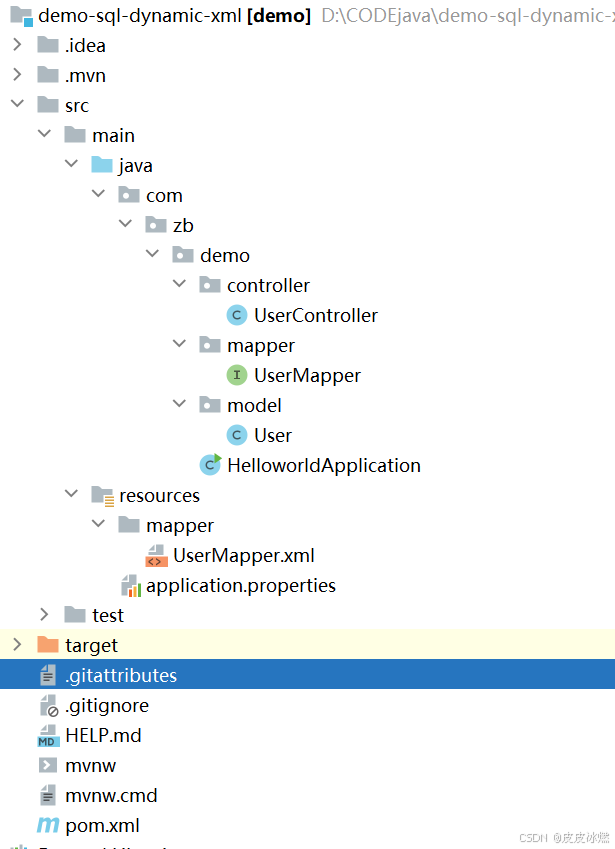
SpringBoot-17-MyBatis动态SQL标签之常用标签
文章目录 1 代码1.1 实体User.java1.2 接口UserMapper.java1.3 映射UserMapper.xml1.3.1 标签if1.3.2 标签if和where1.3.3 标签choose和when和otherwise1.4 UserController.java2 常用动态SQL标签2.1 标签set2.1.1 UserMapper.java2.1.2 UserMapper.xml2.1.3 UserController.ja…

wordpress后台更新后 前端没变化的解决方法
使用siteground主机的wordpress网站,会出现更新了网站内容和修改了php模板文件、js文件、css文件、图片文件后,网站没有变化的情况。
不熟悉siteground主机的新手,遇到这个问题,就很抓狂,明明是哪都没操作错误&#x…
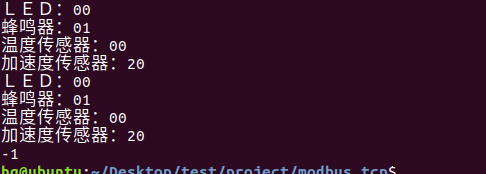
网络编程(Modbus进阶)
思维导图 Modbus RTU(先学一点理论)
概念 Modbus RTU 是工业自动化领域 最广泛应用的串行通信协议,由 Modicon 公司(现施耐德电气)于 1979 年推出。它以 高效率、强健性、易实现的特点成为工业控制系统的通信标准。 包…
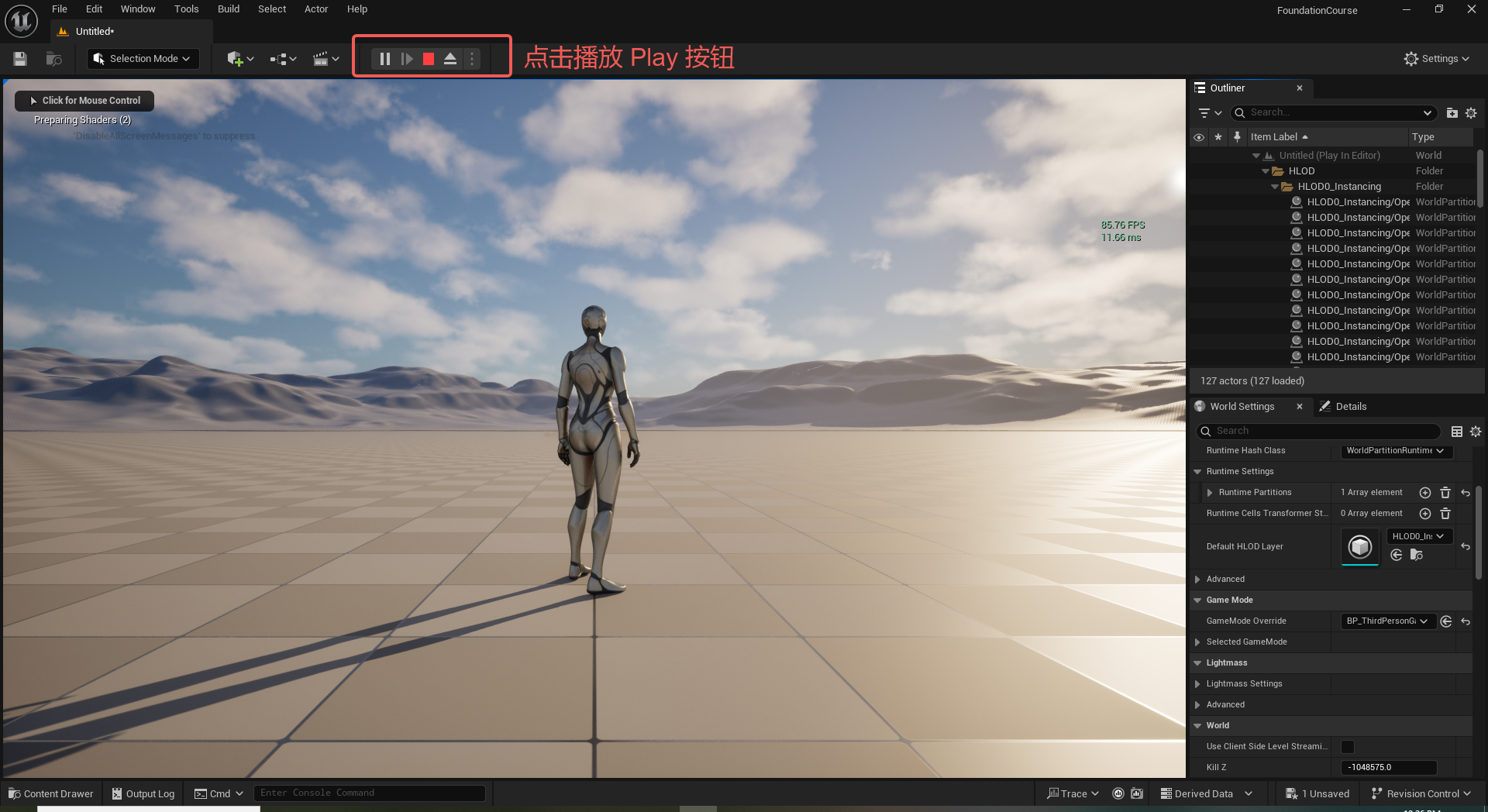
UE5 学习系列(二)用户操作界面及介绍
这篇博客是 UE5 学习系列博客的第二篇,在第一篇的基础上展开这篇内容。博客参考的 B 站视频资料和第一篇的链接如下:
【Note】:如果你已经完成安装等操作,可以只执行第一篇博客中 2. 新建一个空白游戏项目 章节操作,重…
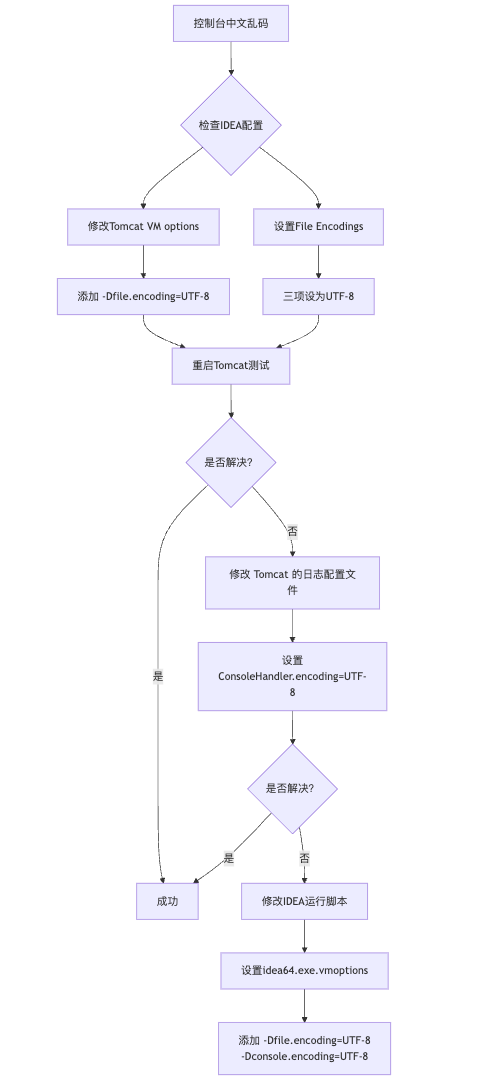
IDEA运行Tomcat出现乱码问题解决汇总
最近正值期末周,有很多同学在写期末Java web作业时,运行tomcat出现乱码问题,经过多次解决与研究,我做了如下整理:
原因:
IDEA本身编码与tomcat的编码与Windows编码不同导致,Windows 系统控制台…
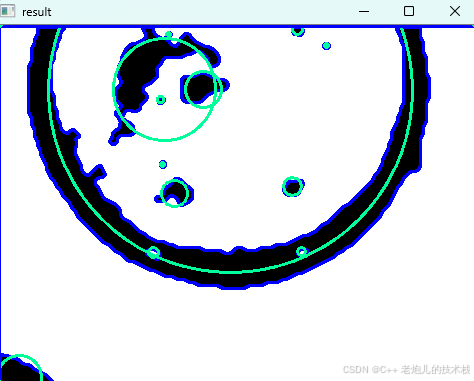
利用最小二乘法找圆心和半径
#include <iostream>
#include <vector>
#include <cmath>
#include <Eigen/Dense> // 需安装Eigen库用于矩阵运算 // 定义点结构
struct Point { double x, y; Point(double x_, double y_) : x(x_), y(y_) {}
}; // 最小二乘法求圆心和半径 …
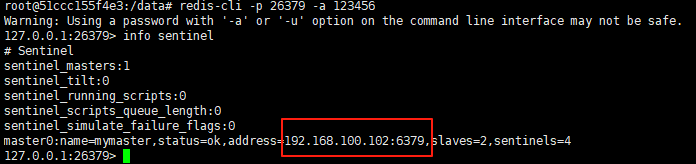
使用docker在3台服务器上搭建基于redis 6.x的一主两从三台均是哨兵模式
一、环境及版本说明
如果服务器已经安装了docker,则忽略此步骤,如果没有安装,则可以按照一下方式安装: 1. 在线安装(有互联网环境): 请看我这篇文章 传送阵>> 点我查看 2. 离线安装(内网环境):请看我这篇文章 传送阵>> 点我查看
说明:假设每台服务器已…
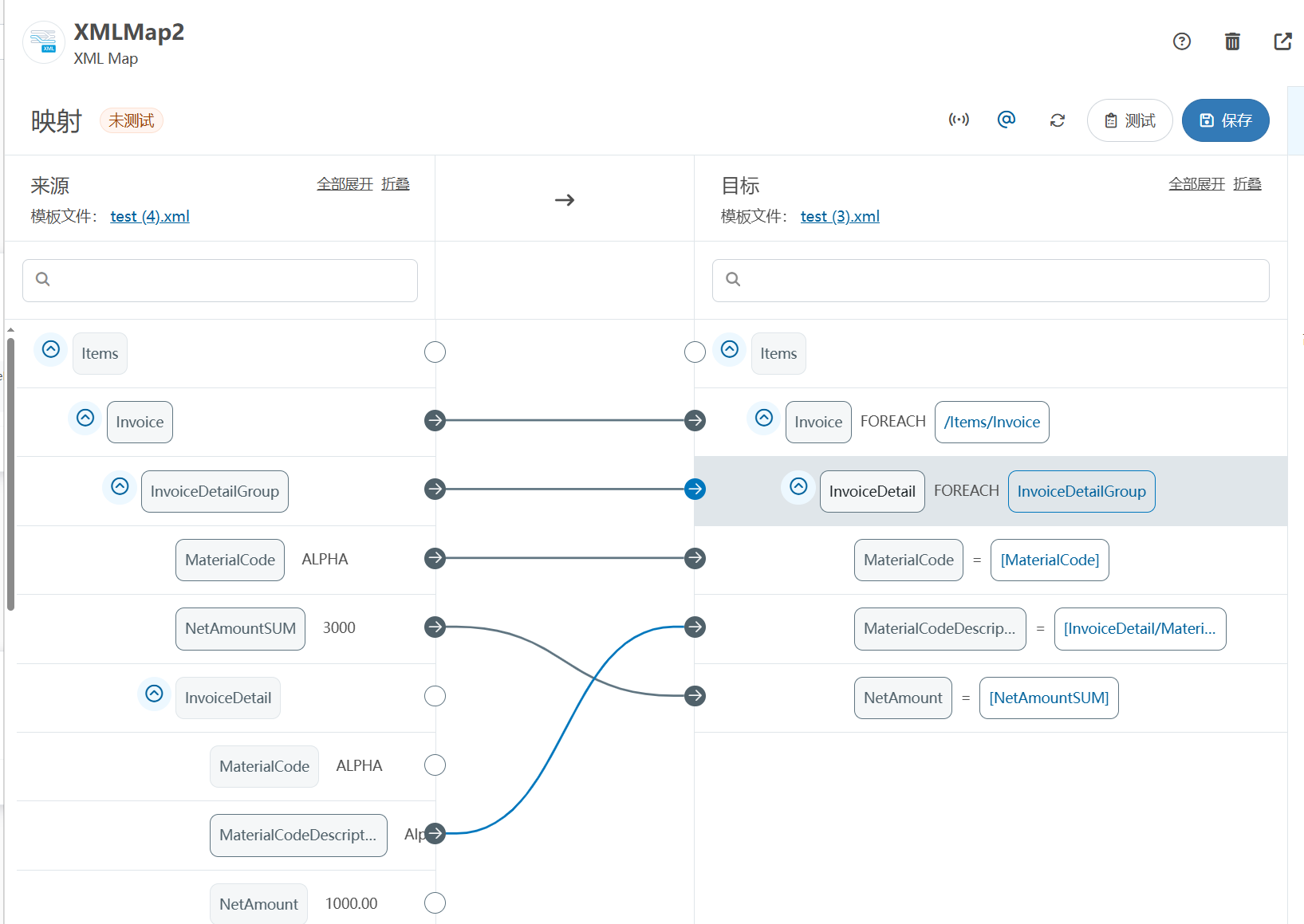
XML Group端口详解
在XML数据映射过程中,经常需要对数据进行分组聚合操作。例如,当处理包含多个物料明细的XML文件时,可能需要将相同物料号的明细归为一组,或对相同物料号的数量进行求和计算。传统实现方式通常需要编写脚本代码,增加了开…
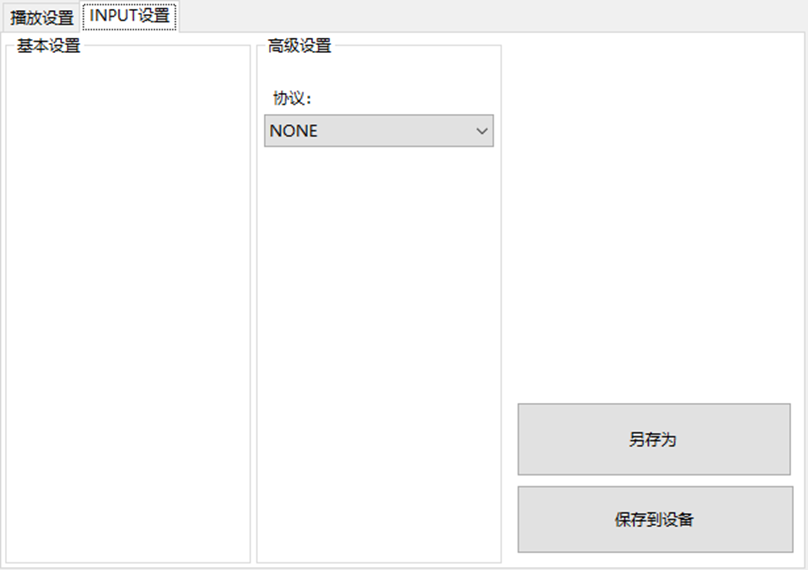
LBE-LEX系列工业语音播放器|预警播报器|喇叭蜂鸣器的上位机配置操作说明
LBE-LEX系列工业语音播放器|预警播报器|喇叭蜂鸣器专为工业环境精心打造,完美适配AGV和无人叉车。同时,集成以太网与语音合成技术,为各类高级系统(如MES、调度系统、库位管理、立库等)提供高效便捷的语音交互体验。
L…
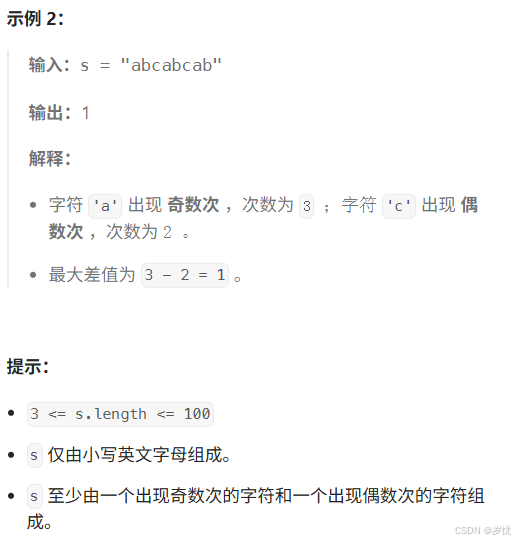
(LeetCode 每日一题) 3442. 奇偶频次间的最大差值 I (哈希、字符串)
题目:3442. 奇偶频次间的最大差值 I 思路 :哈希,时间复杂度0(n)。 用哈希表来记录每个字符串中字符的分布情况,哈希表这里用数组即可实现。
C版本:
class Solution {
public:int maxDifference(string s) {int a[26]…
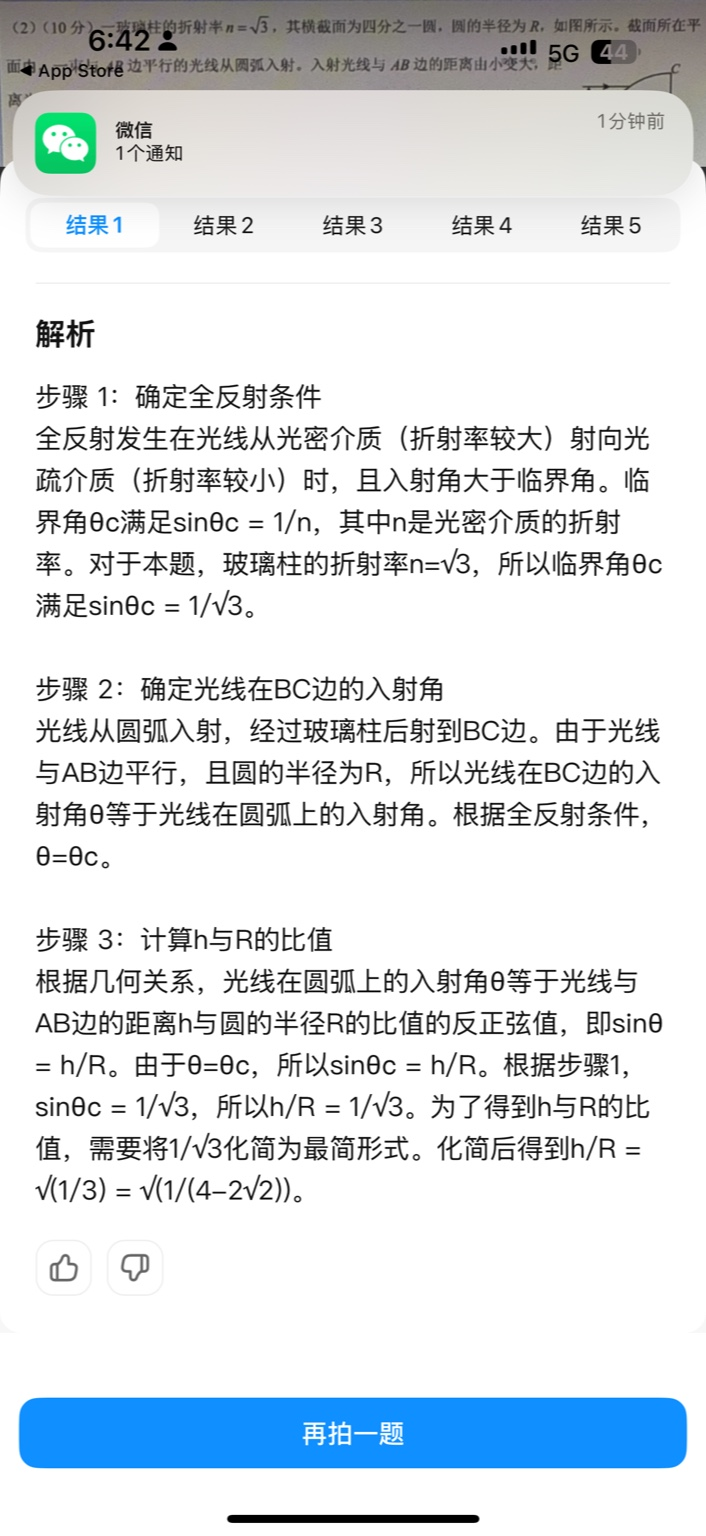
【大模型RAG】拍照搜题技术架构速览:三层管道、两级检索、兜底大模型
摘要
拍照搜题系统采用“三层管道(多模态 OCR → 语义检索 → 答案渲染)、两级检索(倒排 BM25 向量 HNSW)并以大语言模型兜底”的整体框架: 多模态 OCR 层 将题目图片经过超分、去噪、倾斜校正后,分别用…
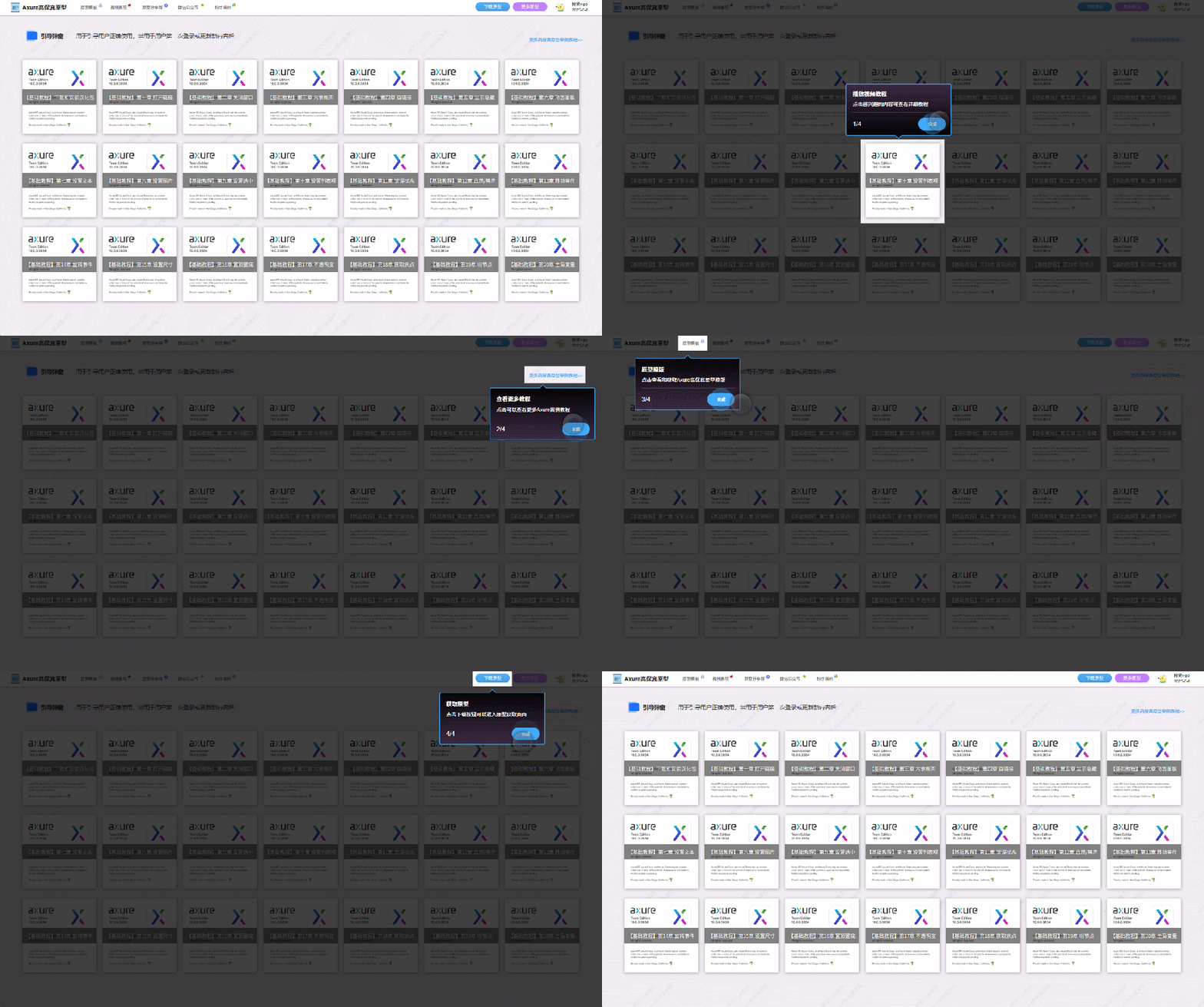
【Axure高保真原型】引导弹窗
今天和大家中分享引导弹窗的原型模板,载入页面后,会显示引导弹窗,适用于引导用户使用页面,点击完成后,会显示下一个引导弹窗,直至最后一个引导弹窗完成后进入首页。具体效果可以点击下方视频观看或打开下方…
接口测试中缓存处理策略
在接口测试中,缓存处理策略是一个关键环节,直接影响测试结果的准确性和可靠性。合理的缓存处理策略能够确保测试环境的一致性,避免因缓存数据导致的测试偏差。以下是接口测试中常见的缓存处理策略及其详细说明:
一、缓存处理的核…

龙虎榜——20250610
上证指数放量收阴线,个股多数下跌,盘中受消息影响大幅波动。 深证指数放量收阴线形成顶分型,指数短线有调整的需求,大概需要一两天。 2025年6月10日龙虎榜行业方向分析 1. 金融科技
代表标的:御银股份、雄帝科技
驱动…

观成科技:隐蔽隧道工具Ligolo-ng加密流量分析
1.工具介绍
Ligolo-ng是一款由go编写的高效隧道工具,该工具基于TUN接口实现其功能,利用反向TCP/TLS连接建立一条隐蔽的通信信道,支持使用Let’s Encrypt自动生成证书。Ligolo-ng的通信隐蔽性体现在其支持多种连接方式,适应复杂网…
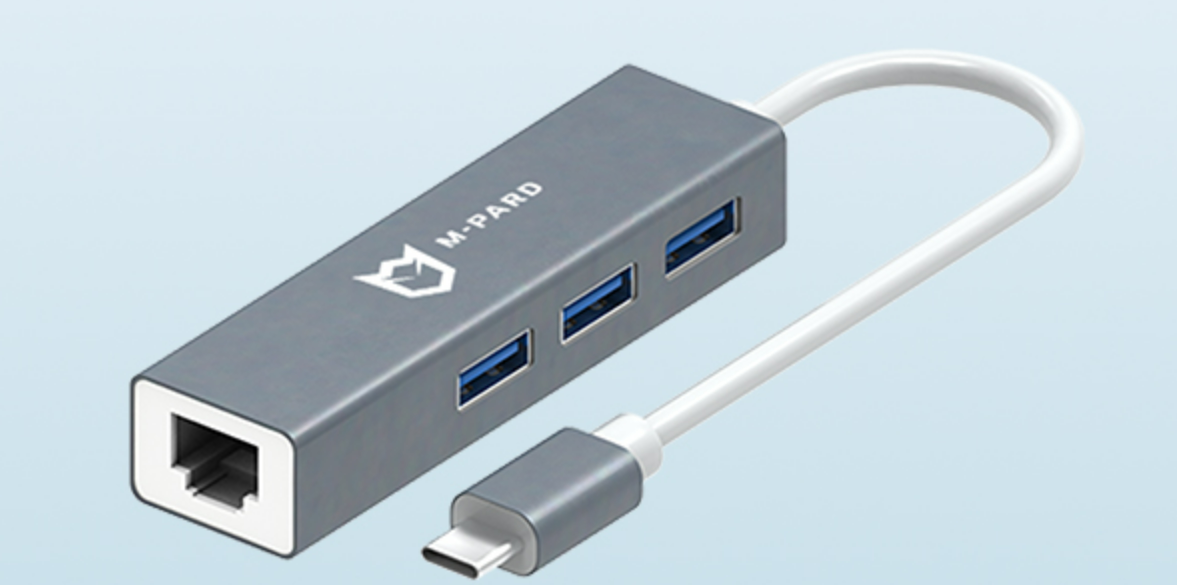
铭豹扩展坞 USB转网口 突然无法识别解决方法
当 USB 转网口扩展坞在一台笔记本上无法识别,但在其他电脑上正常工作时,问题通常出在笔记本自身或其与扩展坞的兼容性上。以下是系统化的定位思路和排查步骤,帮助你快速找到故障原因:
背景:
一个M-pard(铭豹)扩展坞的网卡突然无法识别了,扩展出来的三个USB接口正常。…
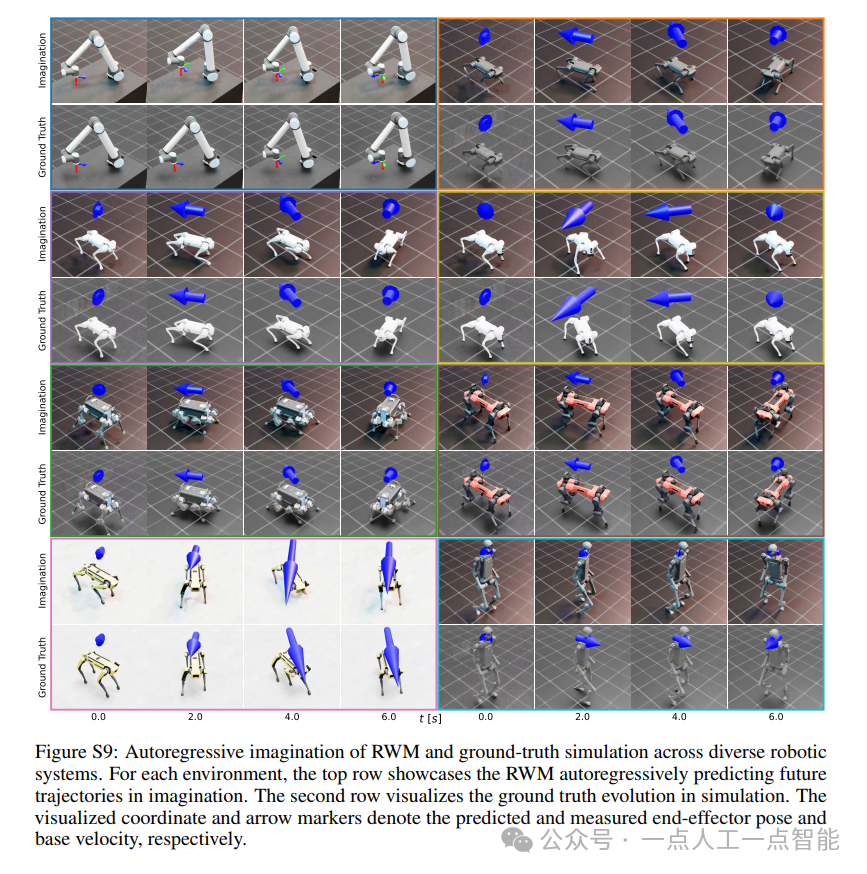
未来机器人的大脑:如何用神经网络模拟器实现更智能的决策?
编辑:陈萍萍的公主一点人工一点智能 未来机器人的大脑:如何用神经网络模拟器实现更智能的决策?RWM通过双自回归机制有效解决了复合误差、部分可观测性和随机动力学等关键挑战,在不依赖领域特定归纳偏见的条件下实现了卓越的预测准…

Linux应用开发之网络套接字编程(实例篇)
服务端与客户端单连接
服务端代码
#include <sys/socket.h>
#include <sys/types.h>
#include <netinet/in.h>
#include <stdio.h>
#include <stdlib.h>
#include <string.h>
#include <arpa/inet.h>
#include <pthread.h>
…

华为云AI开发平台ModelArts
华为云ModelArts:重塑AI开发流程的“智能引擎”与“创新加速器”!
在人工智能浪潮席卷全球的2025年,企业拥抱AI的意愿空前高涨,但技术门槛高、流程复杂、资源投入巨大的现实,却让许多创新构想止步于实验室。数据科学家…
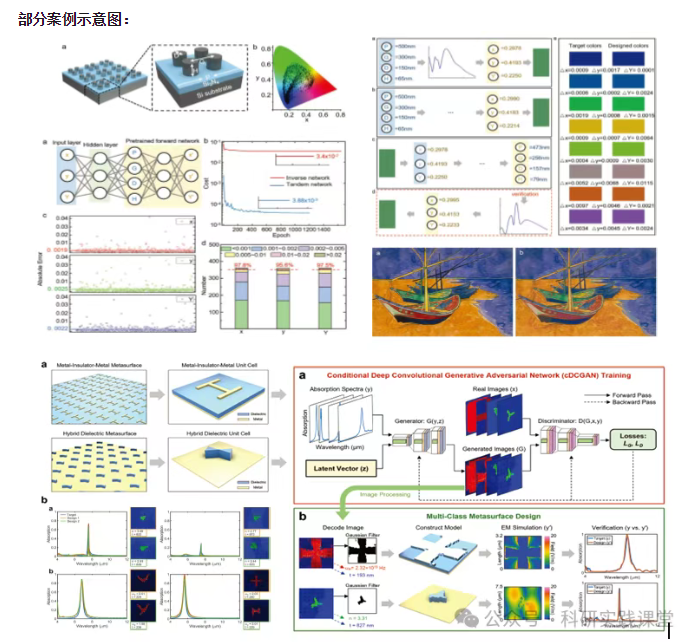
深度学习在微纳光子学中的应用
深度学习在微纳光子学中的主要应用方向
深度学习与微纳光子学的结合主要集中在以下几个方向:
逆向设计 通过神经网络快速预测微纳结构的光学响应,替代传统耗时的数值模拟方法。例如设计超表面、光子晶体等结构。
特征提取与优化 从复杂的光学数据中自…