从“记录系统”到“智能系统” From “System of Record” to “System of Intelligence” —— A16Z
news2026/5/16 11:02:09
From “System of Record” to “System of Intelligence”从“记录系统”到“智能系统”https://www.a16z.news/p/from-system-of-record-to-system-ofHere’s one way you can think about system of record stickiness:For a long time, the valuable part of social media businesses was the friend graph. When you opened Facebook back in the day, the thing you interacted with waspeople’s profiles, and the data graph across the profiles was a powerful, durable asset. It was hard to foresee what could disrupt such an obvious network effect.Then the news feed came along. The news feed gave us a new place to go: “Here’s what happened today; here’s where you catch up and take action, all in one place.” This started out as a complementary layer to the friend graph, but in time, the graph became “just one of many inputs” to the feed serving you relevant content. While it never went away, it’s no longer the important layer - thefeed algorithmis, and all kinds of things feed into it. Your social profile, posts and likes are primarily consumed “at the internal API layer”, so to speak; the newsfeed is its consumer.We think this is starting to happen to one of the supposedly “least disruptable” parts of the enterprise: the CRM. The CRM isn’t going togo away, just like the friend graph never went away—but it’s turning into just an input; one of many inputs, into thesystems of intelligencewhich we use to get work done.以下是关于记录系统粘性的一种思考方式长期以来社交媒体业务最有价值的部分是好友关系图谱。当年打开Facebook时你互动的是人们的个人主页这些主页间的数据图谱构成了强大持久的资产。当时很难预见有什么能打破如此明显的网络效应。随后信息流功能出现了。信息流为我们提供了新去处这是今日动态这是你跟进和采取行动的一站式空间。起初这只是好友图谱的补充层但渐渐地图谱变成了信息流推送相关内容的众多输入源之一。虽然从未消失但它已不再是重要层级——重要的是信息流算法而各类内容都为其提供养分。可以说你的社交资料、发帖和点赞主要在内部API层被消化而信息流是其消费者。我们认为企业界号称最不易被颠覆的组成部分之一——客户关系管理系统(CRM)——正开始经历这种转变。CRM不会消失就像好友图谱从未消失一样但它正在转变为众多输入源之一成为我们用来完成工作的智能系统的数据来源。At firms across the country, the typical account executive now opens his laptop in the morning and finds, waiting for him, a small collection of software agents he had no part in programming — a research agent that combs 10-Ks and recent earnings calls before his first meeting of the day; a dialer that coaches him on objections in the moment; an orchestration layer that listens to his calls and writes structured notes back into the CRM without his lifting a finger. None of this, by itself, is earthshaking. But taken together, you recognize what this is:this is the newsfeed.It’s the valuable thing now.There’s no doubt: owning the system of record has been the winning play for go-to-market software for twenty years. It’s sticky, valuable, and hard to leave. And we can’t imagine the SoR incumbents going away anytime soon: Salesforce and HubSpot still sit on some of the most valuable datasets in the industry, they’ve realized that it matters, and they’re quickly coming up with API-first offerings that bring AI features in their own walls.But we think we’ve seen this movie before. In the next decade, you want to own thesystem of intelligencethat pulls from the system of record, becomes the user’s one-stop shop for gaining context and taking action, and turns the SoR into something that’s primarily consumed at the API layer. The reasoning layer that sits above the database, and that increasingly treats the database as infrastructure, is where a new generation of companies is being built, and it’s where the majority of the next decade’s enterprise value of GTM software will end up.在全国各地的公司里如今的典型客户经理早晨打开笔记本电脑时会发现一组未经他参与编程的软件智能体正等待调用——研究助手会在晨会前自动梳理10-K报表和近期财报电话会议记录实时话术教练能在通话中指导应对客户异议流程编排层可监听通话内容并自动生成结构化笔记回传至CRM系统全程无需人工干预。单看每项功能或许不足为奇但组合起来你就会意识到这就是新一代信息中枢当下最具价值的核心。毫无疑问过去二十年间掌控核心数据系统System of Record始终是营销技术软件的制胜法则。这类系统用户黏性强、商业价值高、迁移成本大。我们很难想象Salesforce和HubSpot等现有数据系统巨头会迅速没落——它们仍掌握着行业最具价值的数据资产已充分认识到数据的重要性并正快速推出API优先的解决方案将AI功能纳入自家生态体系。但历史总在重演。我们认为未来十年真正的机遇在于打造智能决策系统System of Intelligence。这类系统既能从核心数据系统提取信息又可成为用户获取背景信息并采取行动的一站式平台最终将核心数据系统降级为API层的底层供给。正是在这个凌驾于数据库之上的智能推理层——这个日益将数据库视为基础设施的层面——正在孕育新一代企业也必将汇聚未来十年营销技术软件绝大部分的企业价值。Why the database wonOver the last thirty years, software companies have produced an unbelievable number of products to help companies manage themselves. A thousand companies were founded to help salespeople sell; but almost all the value ended up accumulating in just two names: Salesforce, today valued at around $140 billion, and HubSpot, valued around $9 billion. As the line goes, “First prize is a Cadillac. Second prize is a set of steak knives.”过去三十年间软件公司推出了数量惊人的产品来帮助企业进行管理。上千家企业为帮助销售人员开展业务而创立但几乎所有价值最终只汇聚到两个品牌目前估值约1400亿美元注原文单位应为billion的Salesforce以及估值约90亿美元的HubSpot。正如那句老话所说头奖是凯迪拉克二等奖是套牛排刀。The reason, everyone in the industry has long understood, is simple: Salesforce and HubSpot own the database. And the database is whereall the valueresides. Every call note, every pricing precedent, every contact, every stray observation about why a deal had stalled is entered into the system, and the cost of leaving it behind becomes enormous. Once that database has accumulated a few years of operational context, switching costs become, as our colleague Alex Rampell has put it, high enough that users are “hostages, not customers.” Every app in the Salesforce AppExchange and every tool in the HubSpot Marketplace is, in effect, paying rent for the right to plug into someone else’s database.Then, Salesforce and HubSpot do what every dominant platform owner in every era does: they expand outward. They add features like marketing, service, analytics, and commerce: each new module built on the same data spine, and each further raising the cost of any decision to leave.原因很简单业内人尽皆知Salesforce和HubSpot掌控着数据库命脉。而所有价值都蕴藏在这座数据金矿里——每通电话记录、每条历史报价、每位联系人信息、每项交易停滞原因的零散观察都被录入系统迁移成本因此变得难以估量。当这个数据库积累数年运营数据后正如我们同事Alex Rampell所言转换成本将高到让用户沦为人质而非客户。Salesforce应用商店的每个程序、HubSpot市场的每个工具本质上都在为接入他人数据库的权利支付租金。随后Salesforce和HubSpot做了所有时代平台霸主都会做的事向外扩张。他们陆续添加营销、客服、分析、商务等功能模块——每个新功能都构建在同一数据主干上每次升级都进一步抬高用户逃离的成本。One of the more counterintuitive findings from our GTM survey is that CRM usage has actuallyrisensince AI tools began to be adopted at scale. The agents that listen to calls and write structured notes back into the system are, for the moment, giving reps fresh reason to consult it, because the data sitting there has become dramatically richer than it used to be.我们的GTM调查中有一个反直觉的发现自AI工具开始大规模应用以来CRM系统的使用率实际上有所上升。那些负责监听通话并将结构化笔记录入系统的AI工具目前为销售代表提供了查阅系统的新理由——因为系统中存储的数据比过去丰富得多。Orchestration is the new gravity wellAI agents, acting on behalf of sales reps and alongside them, are taking over a steadily widening share of the GTM workflow. Sometimes the rep instructs the agent directly: research this account, draft this outbound sequence, qualify these inbound leads, update this deal record after the call. Sometimes the agent works in the background, listening to a meeting recording and writing the structured fields back into the CRM on its own.And the agent doesn’t need a drag-and-drop pipeline view. What it needs is structured data it can read and write with low friction. The CRM, from the agent’s perspective, is a database. A very large and carefully curated database, hosted by a trusted vendor, with excellent integrations and a decade of accumulated customer trust; but a database, nonetheless. The opinionated workflows on top become, progressively, legacy furniture - a bit like the lovingly created UI of your Facebook profile; once paramount, now an afterthought.In the software era, the gravity in enterprise software came fromdata accumulation: that is, from the fact that every valuable piece of sales context had to live in one place because the human operating on that context could only look in one place at a time. But in the AI era, gravity will come fromorchestration. An AI agent doesn’t find it difficult to pull dozens of signals simultaneously from the CRM, the calendar, the shared inbox, the call recording, Slack, the enrichment API, the billing system, and the product telemetry. Nor does it find it difficult to synthesize information across all of them before actually taking any actions.代表销售代表并与其协作的AI代理正在逐步接管日益扩大的GTM市场进入工作流份额。有时销售代表会直接指示代理调研这个客户、起草这组外联序列、筛选这批潜在客户、通话后更新这笔交易记录。有时代理会在后台自主运作听取会议录音并将结构化字段回填至CRM系统。这些代理并不需要拖拽式管道视图界面。它们需要的是能够低摩擦读写的数据结构。从AI代理视角看CRM系统本质上就是一个数据库——一个由可信供应商托管、具备优秀集成能力、经过十年客户信任积累的超大规模精细数据库但终究只是数据库。那些精心设计的顶层工作流将逐渐沦为遗留架构就像Facebook个人资料页面那些曾至关重要、如今却成鸡肋的定制化界面。软件时代的企业软件价值核心在于数据积累——因为人类处理信息时每次只能关注单一平台所有有价值的销售上下文都必须集中存储。但在AI时代价值核心将转向协同调度。AI代理能轻松同时抓取CRM系统、日历、共享收件箱、通话录音、Slack、数据增强API、计费系统和产品遥测等数十个信号源并在采取行动前完成跨平台信息合成。Switching costs shift accordingly. “All of our customer data is in Salesforce” becomes “all of our workflows, our reasoning, our accumulated institutional context live in our AI layer.” The CRM used to tax every app that wanted access to its data; now the system of intelligence has become the hub, and the CRM is one of the many systems of record that it orchestrates across.At the technical core of the new stack sit the foundation models. But a foundation model is not, by itself, a GTM application, any more than Oracle’s database engine was a CRM. Between the model and the customer sits an enormous amount of unglamorous and domain-specific work: orchestrating context across dozens of connected systems, encoding the actual logic of how sales and marketing teams operate, handling permissions and compliance, integrating with the chaotic reality of a Fortune 500 IT environment. That work is the new GTM application layer. It is where the new GTM companies are being built.Go-to-market has, for decades, been a category in which software was the junior partner to labor. Historically, software made up between 5 and 10 percent of total GTM spending in a typical enterprise; the rest is payroll. Salesforce dominates the software slice, but the software slice hasalwaysbeen a thin wedge of the pie. What AI opens up, for the first time, is the prospect that software companies can meaningfully reduce costs while opening up new high ROI use cases.The natural question is whether this comes at the expense of sales headcount. So far, it has not, or at least not in a straightforward way. While roles within the GTM team may shift, we’re seeing teams spend even more on people. The ROIs on these agents are strong enough that the total pie grows rather than the labor budget shrinking. Reps using these tools are hitting attainment and quota at noticeably higher rates than those without them; the return on every GTM dollar isrising, rather than merely holding steady.转换成本随之转移。我们所有的客户数据都在SalesForce系统中变成了我们所有的工作流程、决策逻辑及积累的组织情境都存在于AI层。过去客户关系管理系统(CRM)会向每个需要访问其数据的应用征税如今智能系统已成为中枢而CRM只是其协调的众多记录系统之一。新架构的技术核心是基础模型。但基础模型本身并非上市策略(GTM)应用就像甲骨文数据库引擎不等于CRM系统。在模型与客户之间存在着大量平凡而垂直的领域工作跨数十个关联系统协调情境、编码销售与营销团队的实际运营逻辑、处理权限与合规、与财富500强企业混乱的IT环境整合。这些工作构成了新的GTM应用层正是新兴GTM公司的构建之地。数十年来上市策略领域一直是人力主导、软件辅助的格局。传统企业中软件支出仅占GTM总预算的5%-10%其余都是人力成本。SalesForce虽统治软件板块但这部分始终只是整个蛋糕的薄片。人工智能首次为软件公司开辟了双重前景既能实质性降低成本又能开发高投资回报率的新用例。这自然引发疑问是否会牺牲销售人员编制目前尚未出现直接替代。虽然GTM团队角色可能调整但企业在人力投入上反而增加。这些智能代理的投资回报率足够强劲使得整体预算扩大而非人力预算缩减。使用这些工具的销售代表达成目标和配额的比例显著高于未使用者——每美元GTM投入的回报率正在提升而非仅仅保持稳定。The next waveThere are two observations worth making about the AI-native GTM startups that have emerged over the last few years. The first is that they are clustering, for now, around a few relatively narrow and high-frequency workflows: in all of these workflows, inputs arestructuredand outputs aremeasurable.And while some of them are doing an existing job in a new way, many of them are inventing new jobs entirely: they are doing things that nobody was quite doing before.Consider, for a moment, the position of a VP of Sales at a typical enterprise software firm a few years hence. She no longer begins her day by opening Salesforce to a static account list and deciding where to focus. She begins it in a prioritized feed generated by her system of intelligence: which of her accounts had material news overnight, which prospects in the territory are suddenly in market, which deals in the pipeline have gone quiet in ways that ought to be investigated. The daily prioritization decision — which used to consume real cognitive effort from every rep and every sales leader in America — has been quietly offloaded to the intelligence layer. Her reps spend more of their time actually selling.And, when they sell, they arrive better prepared. Prep that used to happen case by case, if it happened at all, now happens every time as a matter of course. The rep who would never have read the 10-K is walking in with a briefing drafted for him; the new hire six weeks into the job is, by certain measures, better equipped than the ten-year veteran at the desk next to her.More importantly, the VP of Sales has an honest picture of what her team is doing. At the moment that picture is whatever gets logged into the CRM, which is often incomplete and occasionally fictional. With call transcripts, email threads, and calendar data flowing in automatically, analyzed continuously, she can see, at any given moment, who is running disciplined discovery and who is skipping steps, which accounts are getting coverage and which have been quietly neglected. A system of intelligence that has ingested every interaction across a sales team can surface patterns no human manager, however committed, could see unaided.The longer-run implications push further still, and begin to open up categories of job that did not really exist before. Every company bleeds institutional knowledge when its reps turn over — context on accounts, the history of what worked for whom, the texture of relationships built up over years. A system of intelligence that has been quietly ingesting that context for the duration of a rep’s tenure can, when she leaves, hand the whole of it over to her successor. Institutional memory becomes something a company can actually ship.None of this, it should be said, is bad news for the CRM. Salesforce still owns its database; HubSpot still owns its database; the customer data continues to live where it has always lived, for the reasons it has always lived there. But the locus of value is migrating upward, into the layer that reads and writes to the database and does the actual thinking. The pie is getting larger in the process, not smaller. Just as the feed increased the TAM of social media to “everything of interest”, the agent revolution expands what software can plausibly charge for, and does it without gutting the labor budget that funds most GTM work today.A new generation of companies is being built on top of this emerging layer. The next decade of go-to-market software will be written there.关于过去几年涌现的AI原生GTM市场进入策略初创企业有两个现象值得关注。首先它们目前正聚焦于几个相对狭窄且高频的工作流程这些流程的输入数据具有结构化特征输出结果具备可量化性。值得注意的是其中部分企业以创新方式改造现有工作更多企业则在彻底创造全新职能它们正在开拓前人未曾涉足的领域。试想几年后某典型企业软件公司销售副总裁的工作场景她不再需要每天打开Salesforce面对静态客户列表决定工作重点而是从智能系统生成的优先级动态开始——哪些客户夜间出现重大动态辖区哪些潜在客户突然产生需求管道中哪些交易出现异常停滞这种原本消耗全美每个销售代表和管理者大量精力的日常优先级决策已悄然转移至智能系统层。她的团队因此能将更多时间投入实际销售。当开展销售时团队准备也更为充分。过去零散进行的准备工作如今成为标准化流程从不阅读10-K报表的销售代表会获得自动生成的简报入职六周的新人某些方面可能比邻座十年资历的老将更具优势。更重要的是销售副总裁能真实掌握团队动态。当前CRM系统中的记录往往残缺不全甚至存在虚构而通过自动整合通话记录、邮件往来和日程数据并持续分析她可实时洞察谁在严格执行探索流程谁在跳步操作哪些客户获得充分覆盖哪些被悄然忽视消化销售团队所有交互记录的智能系统能揭示任何人类管理者都难以独立发现的深层模式。长期影响更为深远将催生前所未有的职位类别。传统企业因人员流动流失大量机构知识——客户背景信息、有效方案历史数据、多年积累的关系脉络。持续吸收销售代表任期内所有背景的智能系统能在人员更替时将完整知识转移给继任者。机构记忆由此成为可传承的企业资产。需要强调的是这对CRM系统并非坏事。Salesforce和HubSpot仍保有各自数据库客户数据存储逻辑保持不变。但价值重心正在向更高层迁移——即读写数据库并执行实际思考的智能层。这个过程中市场蛋糕在扩大而非缩小。正如信息流将社交媒体的总可市场规模(TAM)扩展到所有感兴趣事物智能代理革命正拓展软件服务的收费边界且无需削减当前支撑多数GTM工作的人力预算。新一代企业正在这个新兴层级上崛起。未来十年的市场进入软件将在此谱写新篇章。---
本文来自互联网用户投稿,该文观点仅代表作者本人,不代表本站立场。本站仅提供信息存储空间服务,不拥有所有权,不承担相关法律责任。如若转载,请注明出处:http://www.coloradmin.cn/o/2617999.html
如若内容造成侵权/违法违规/事实不符,请联系多彩编程网进行投诉反馈,一经查实,立即删除!相关文章
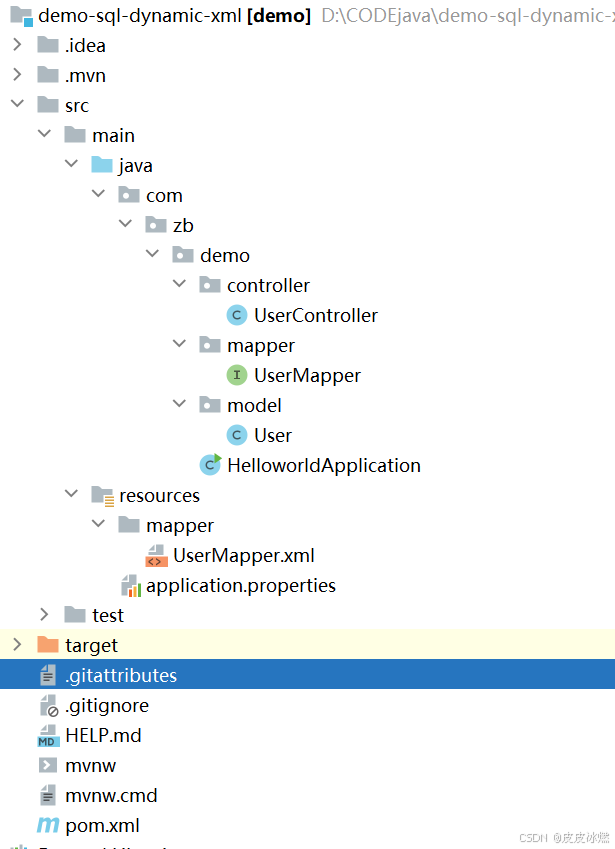
SpringBoot-17-MyBatis动态SQL标签之常用标签
文章目录 1 代码1.1 实体User.java1.2 接口UserMapper.java1.3 映射UserMapper.xml1.3.1 标签if1.3.2 标签if和where1.3.3 标签choose和when和otherwise1.4 UserController.java2 常用动态SQL标签2.1 标签set2.1.1 UserMapper.java2.1.2 UserMapper.xml2.1.3 UserController.ja…
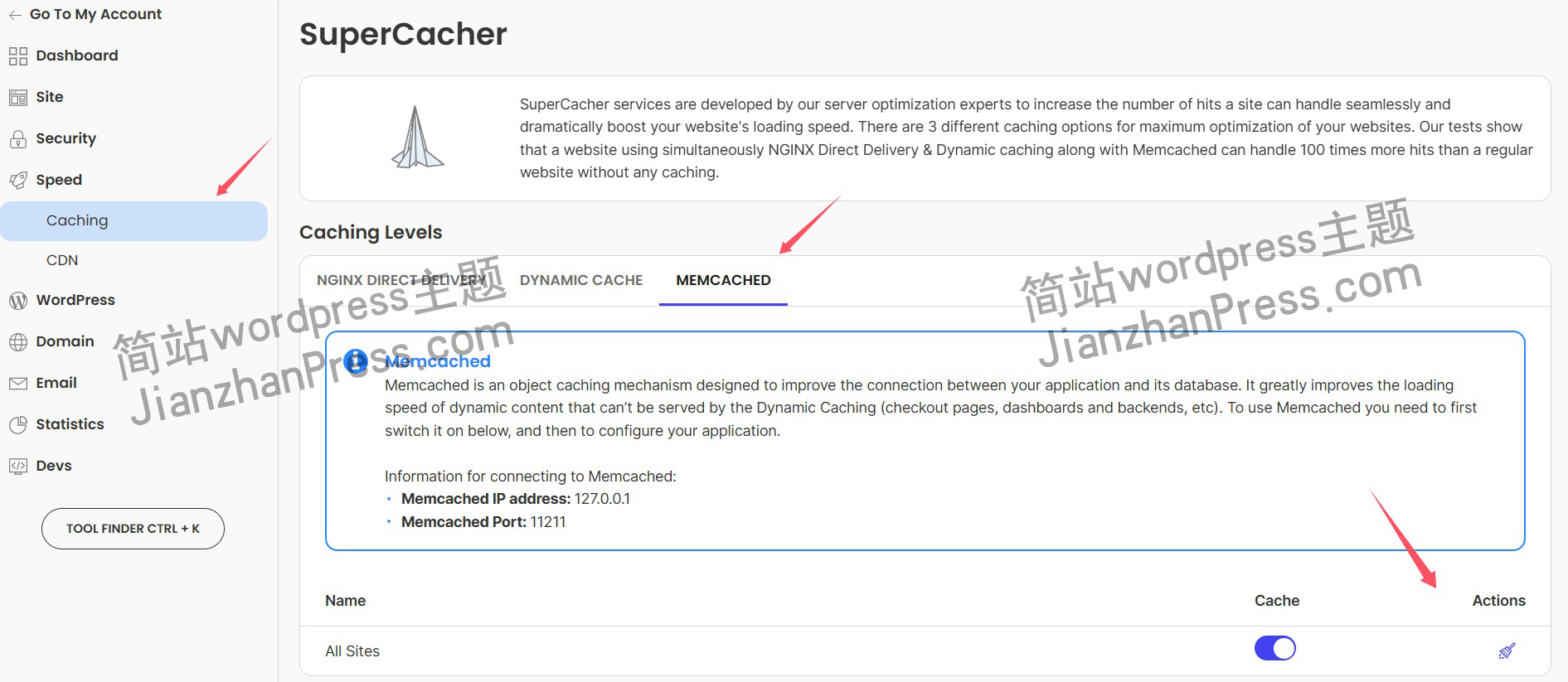
wordpress后台更新后 前端没变化的解决方法
使用siteground主机的wordpress网站,会出现更新了网站内容和修改了php模板文件、js文件、css文件、图片文件后,网站没有变化的情况。
不熟悉siteground主机的新手,遇到这个问题,就很抓狂,明明是哪都没操作错误&#x…
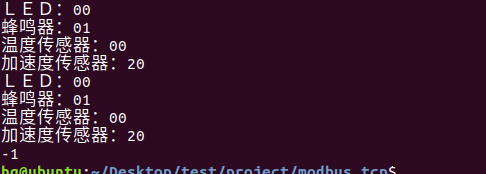
网络编程(Modbus进阶)
思维导图 Modbus RTU(先学一点理论)
概念 Modbus RTU 是工业自动化领域 最广泛应用的串行通信协议,由 Modicon 公司(现施耐德电气)于 1979 年推出。它以 高效率、强健性、易实现的特点成为工业控制系统的通信标准。 包…
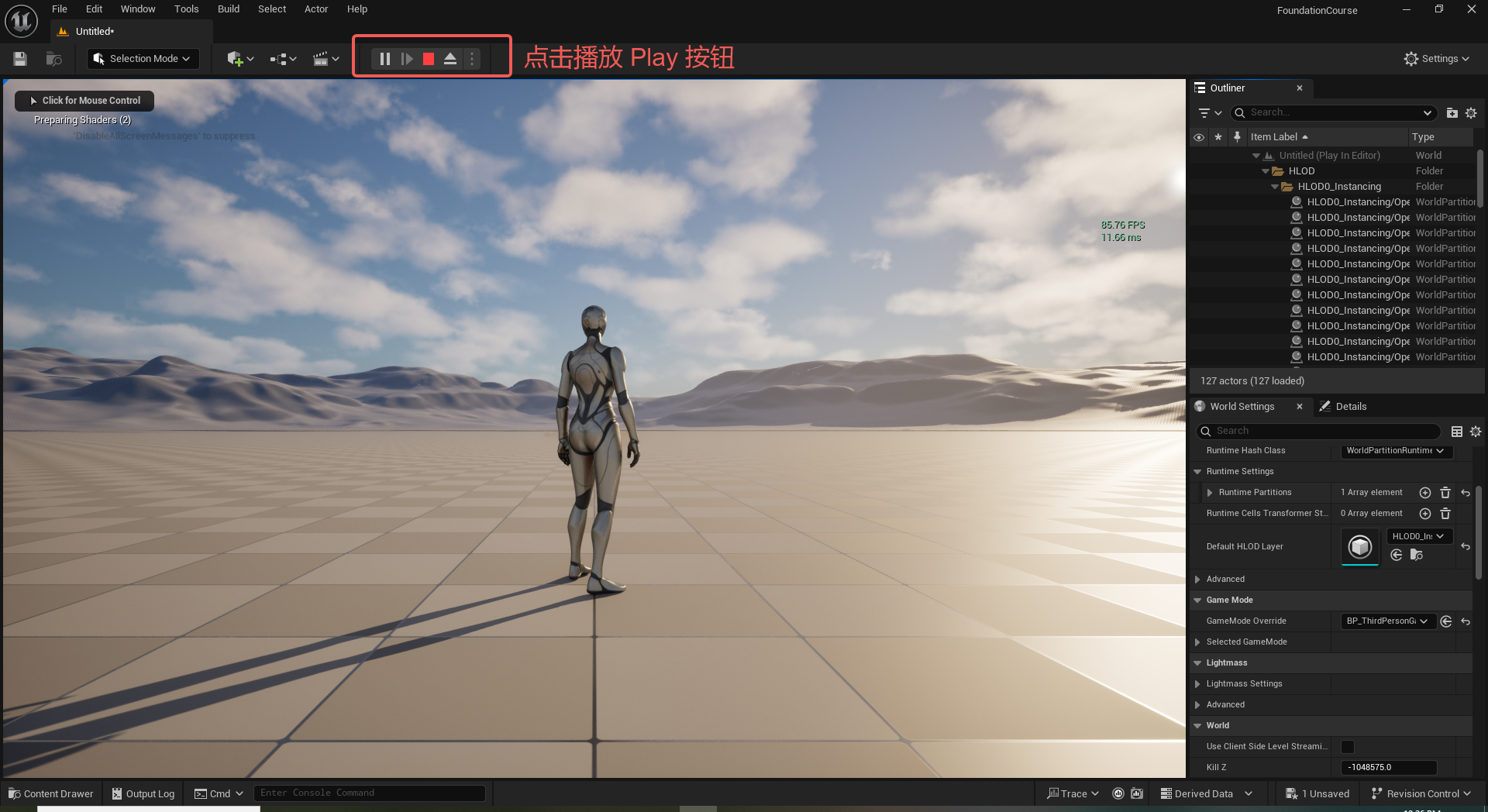
UE5 学习系列(二)用户操作界面及介绍
这篇博客是 UE5 学习系列博客的第二篇,在第一篇的基础上展开这篇内容。博客参考的 B 站视频资料和第一篇的链接如下:
【Note】:如果你已经完成安装等操作,可以只执行第一篇博客中 2. 新建一个空白游戏项目 章节操作,重…
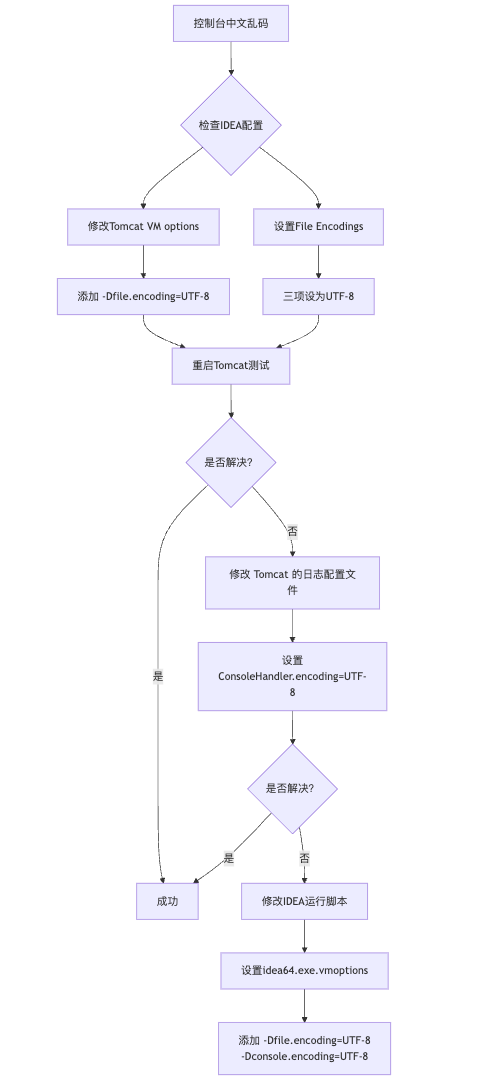
IDEA运行Tomcat出现乱码问题解决汇总
最近正值期末周,有很多同学在写期末Java web作业时,运行tomcat出现乱码问题,经过多次解决与研究,我做了如下整理:
原因:
IDEA本身编码与tomcat的编码与Windows编码不同导致,Windows 系统控制台…
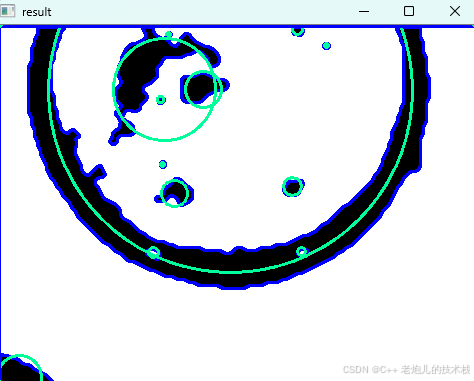
利用最小二乘法找圆心和半径
#include <iostream>
#include <vector>
#include <cmath>
#include <Eigen/Dense> // 需安装Eigen库用于矩阵运算 // 定义点结构
struct Point { double x, y; Point(double x_, double y_) : x(x_), y(y_) {}
}; // 最小二乘法求圆心和半径 …
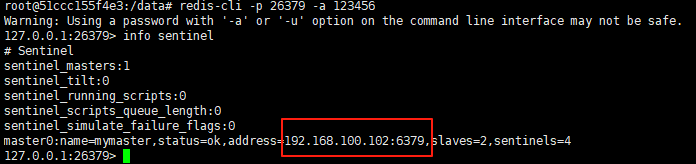
使用docker在3台服务器上搭建基于redis 6.x的一主两从三台均是哨兵模式
一、环境及版本说明
如果服务器已经安装了docker,则忽略此步骤,如果没有安装,则可以按照一下方式安装: 1. 在线安装(有互联网环境): 请看我这篇文章 传送阵>> 点我查看 2. 离线安装(内网环境):请看我这篇文章 传送阵>> 点我查看
说明:假设每台服务器已…
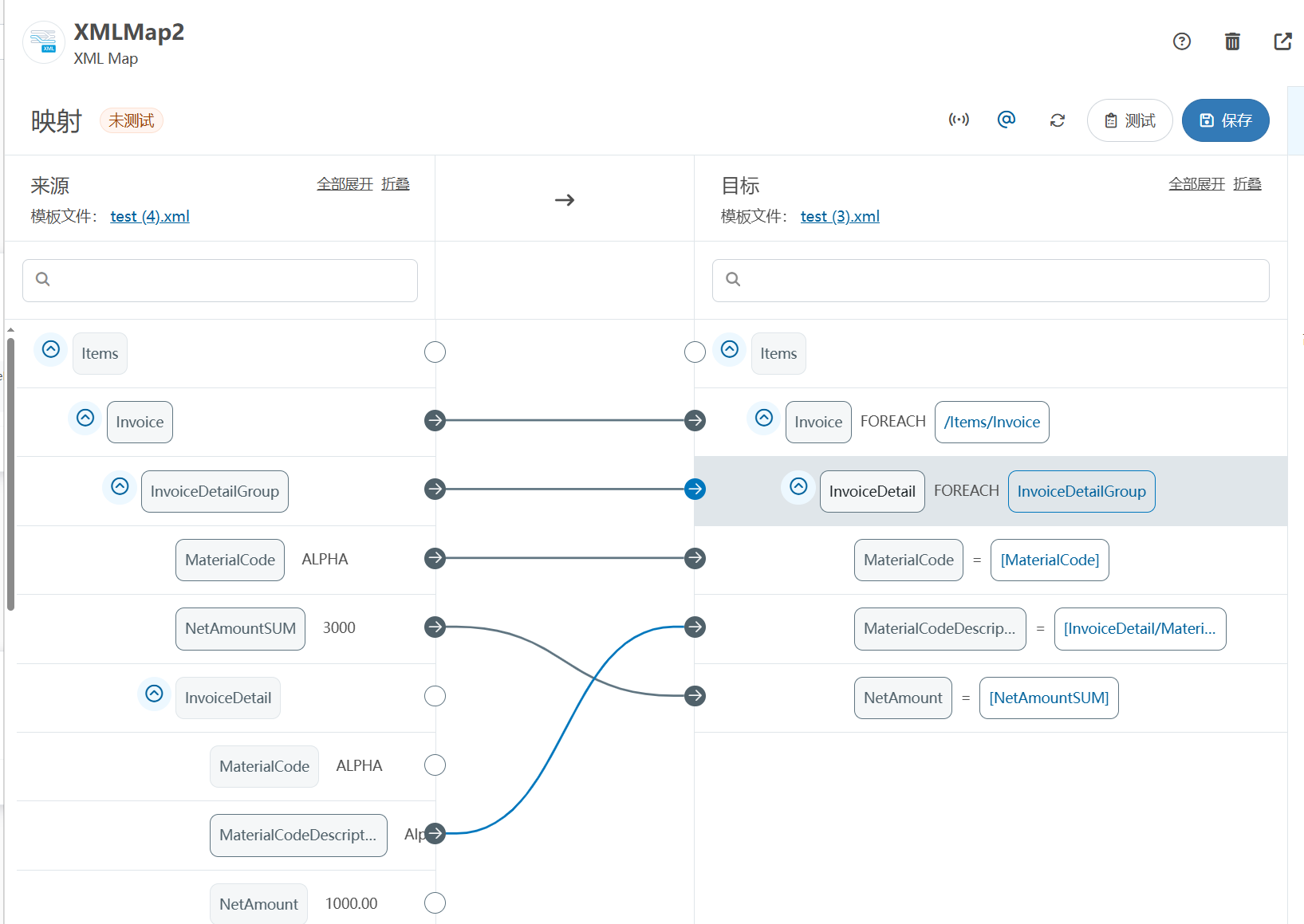
XML Group端口详解
在XML数据映射过程中,经常需要对数据进行分组聚合操作。例如,当处理包含多个物料明细的XML文件时,可能需要将相同物料号的明细归为一组,或对相同物料号的数量进行求和计算。传统实现方式通常需要编写脚本代码,增加了开…
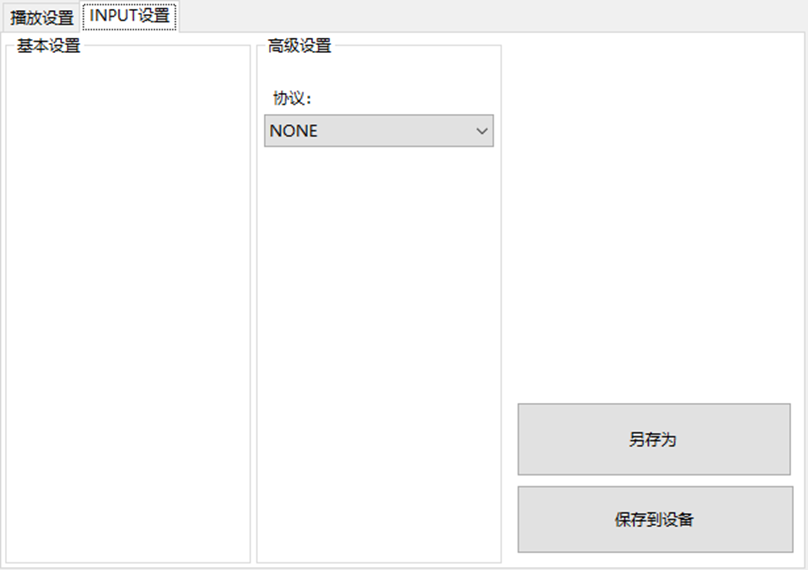
LBE-LEX系列工业语音播放器|预警播报器|喇叭蜂鸣器的上位机配置操作说明
LBE-LEX系列工业语音播放器|预警播报器|喇叭蜂鸣器专为工业环境精心打造,完美适配AGV和无人叉车。同时,集成以太网与语音合成技术,为各类高级系统(如MES、调度系统、库位管理、立库等)提供高效便捷的语音交互体验。
L…
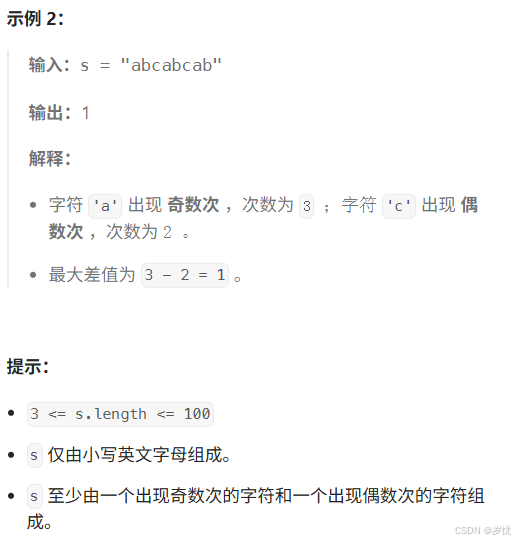
(LeetCode 每日一题) 3442. 奇偶频次间的最大差值 I (哈希、字符串)
题目:3442. 奇偶频次间的最大差值 I 思路 :哈希,时间复杂度0(n)。 用哈希表来记录每个字符串中字符的分布情况,哈希表这里用数组即可实现。
C版本:
class Solution {
public:int maxDifference(string s) {int a[26]…
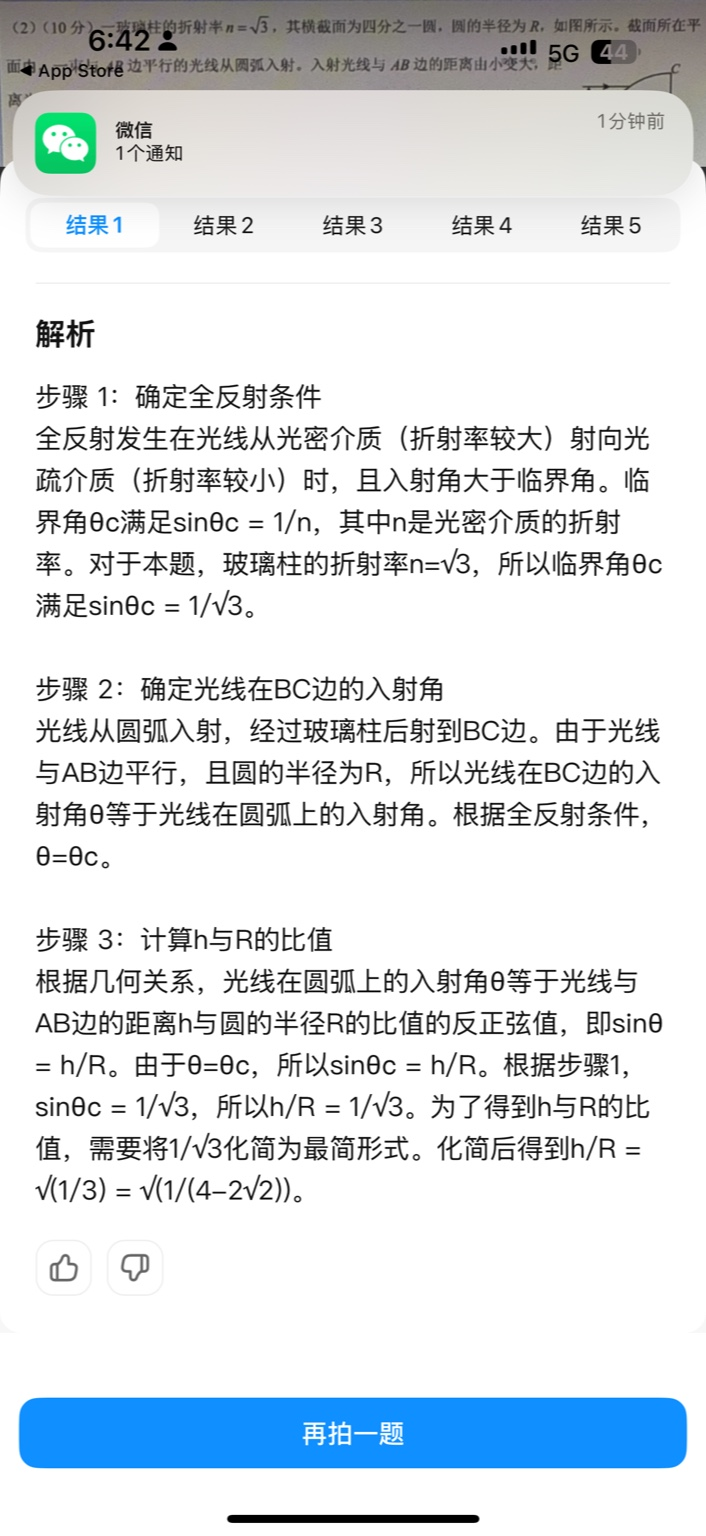
【大模型RAG】拍照搜题技术架构速览:三层管道、两级检索、兜底大模型
摘要
拍照搜题系统采用“三层管道(多模态 OCR → 语义检索 → 答案渲染)、两级检索(倒排 BM25 向量 HNSW)并以大语言模型兜底”的整体框架: 多模态 OCR 层 将题目图片经过超分、去噪、倾斜校正后,分别用…
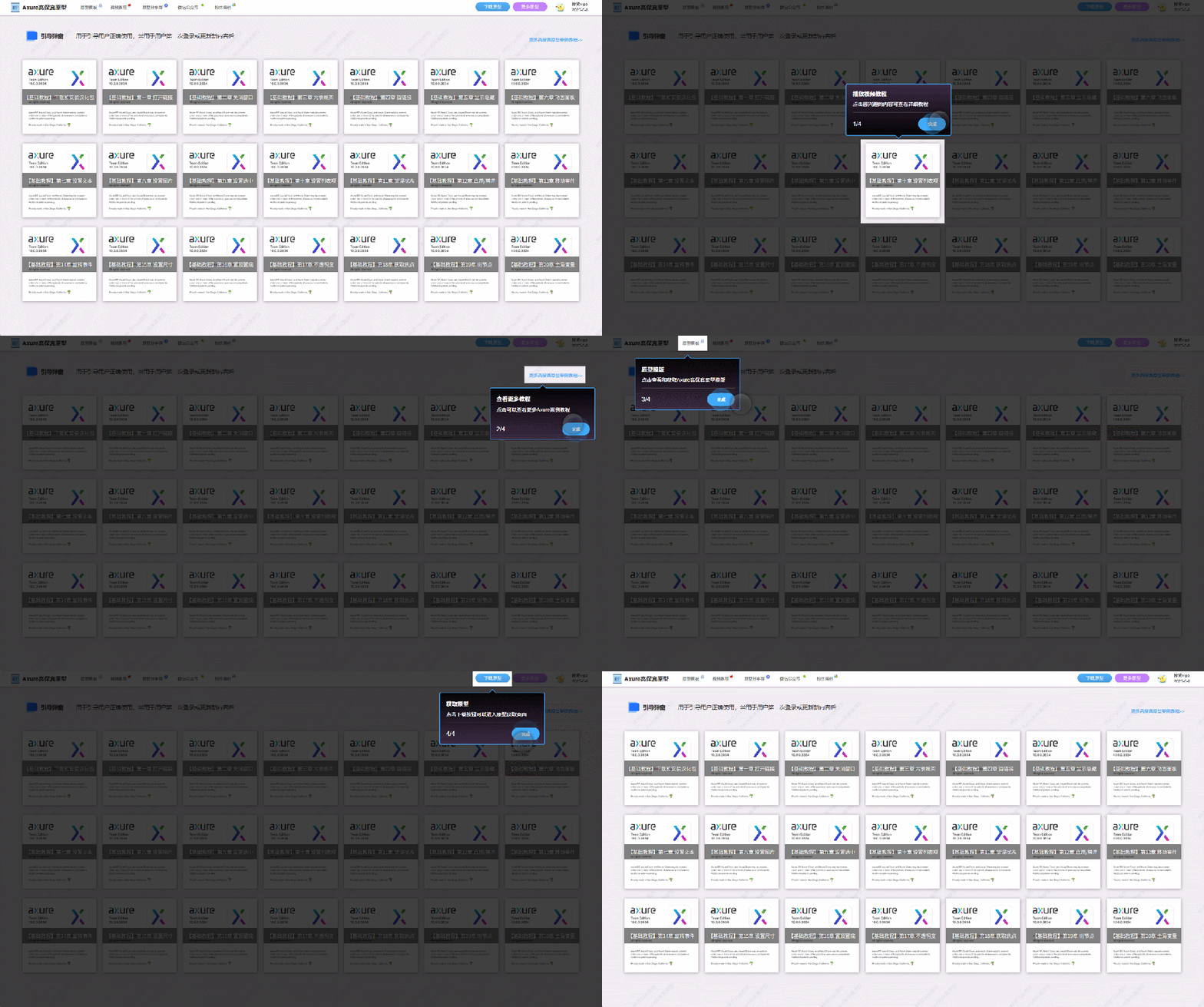
【Axure高保真原型】引导弹窗
今天和大家中分享引导弹窗的原型模板,载入页面后,会显示引导弹窗,适用于引导用户使用页面,点击完成后,会显示下一个引导弹窗,直至最后一个引导弹窗完成后进入首页。具体效果可以点击下方视频观看或打开下方…
接口测试中缓存处理策略
在接口测试中,缓存处理策略是一个关键环节,直接影响测试结果的准确性和可靠性。合理的缓存处理策略能够确保测试环境的一致性,避免因缓存数据导致的测试偏差。以下是接口测试中常见的缓存处理策略及其详细说明:
一、缓存处理的核…

龙虎榜——20250610
上证指数放量收阴线,个股多数下跌,盘中受消息影响大幅波动。 深证指数放量收阴线形成顶分型,指数短线有调整的需求,大概需要一两天。 2025年6月10日龙虎榜行业方向分析 1. 金融科技
代表标的:御银股份、雄帝科技
驱动…
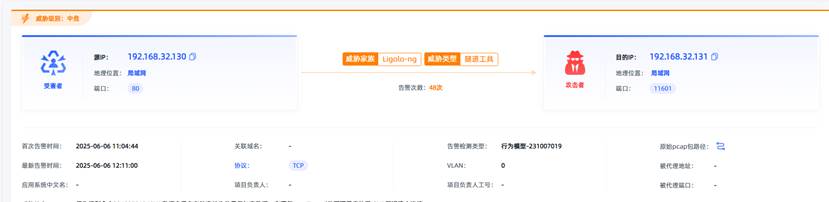
观成科技:隐蔽隧道工具Ligolo-ng加密流量分析
1.工具介绍
Ligolo-ng是一款由go编写的高效隧道工具,该工具基于TUN接口实现其功能,利用反向TCP/TLS连接建立一条隐蔽的通信信道,支持使用Let’s Encrypt自动生成证书。Ligolo-ng的通信隐蔽性体现在其支持多种连接方式,适应复杂网…
铭豹扩展坞 USB转网口 突然无法识别解决方法
当 USB 转网口扩展坞在一台笔记本上无法识别,但在其他电脑上正常工作时,问题通常出在笔记本自身或其与扩展坞的兼容性上。以下是系统化的定位思路和排查步骤,帮助你快速找到故障原因:
背景:
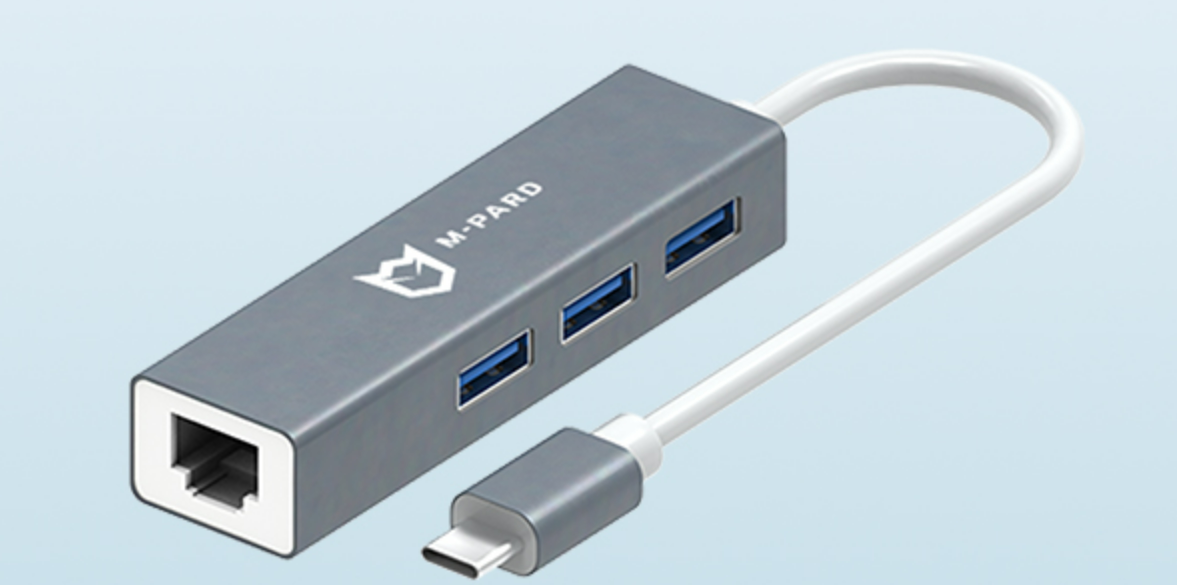
一个M-pard(铭豹)扩展坞的网卡突然无法识别了,扩展出来的三个USB接口正常。…
未来机器人的大脑:如何用神经网络模拟器实现更智能的决策?
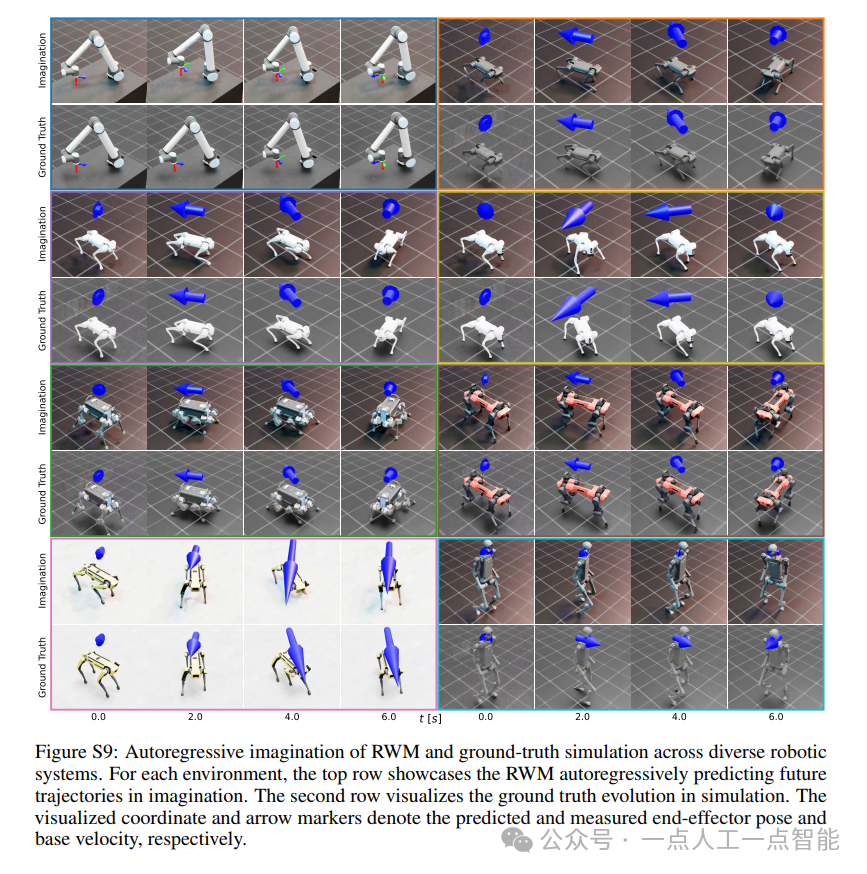
编辑:陈萍萍的公主一点人工一点智能 未来机器人的大脑:如何用神经网络模拟器实现更智能的决策?RWM通过双自回归机制有效解决了复合误差、部分可观测性和随机动力学等关键挑战,在不依赖领域特定归纳偏见的条件下实现了卓越的预测准…

Linux应用开发之网络套接字编程(实例篇)
服务端与客户端单连接
服务端代码
#include <sys/socket.h>
#include <sys/types.h>
#include <netinet/in.h>
#include <stdio.h>
#include <stdlib.h>
#include <string.h>
#include <arpa/inet.h>
#include <pthread.h>
…
华为云AI开发平台ModelArts
华为云ModelArts:重塑AI开发流程的“智能引擎”与“创新加速器”!
在人工智能浪潮席卷全球的2025年,企业拥抱AI的意愿空前高涨,但技术门槛高、流程复杂、资源投入巨大的现实,却让许多创新构想止步于实验室。数据科学家…
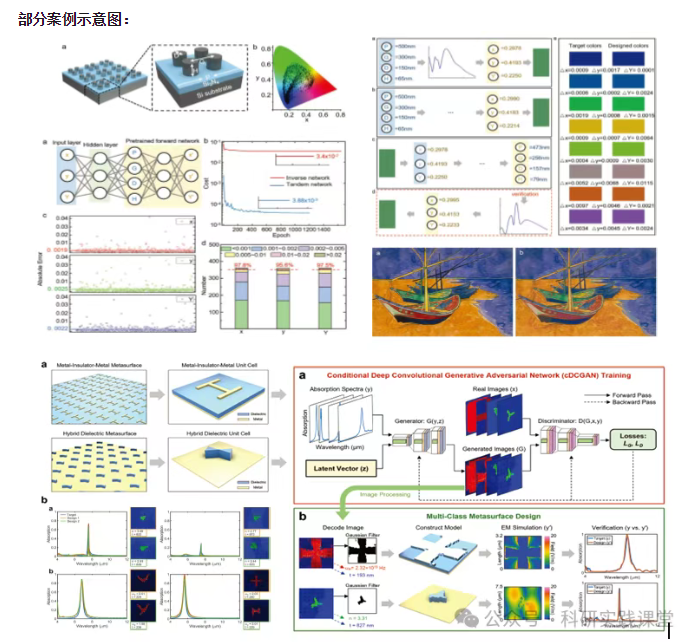
深度学习在微纳光子学中的应用
深度学习在微纳光子学中的主要应用方向
深度学习与微纳光子学的结合主要集中在以下几个方向:
逆向设计 通过神经网络快速预测微纳结构的光学响应,替代传统耗时的数值模拟方法。例如设计超表面、光子晶体等结构。
特征提取与优化 从复杂的光学数据中自…