Gather Statistics AUTO_INVALIDATE 减少db的 library cache lock
news2026/5/6 11:52:34
这个参数可以用于解决gather statistics 导致的library cache lockOracle 最高效hard parse的办法gather statistics 后不会标记失效不执行不会无效执行一次不会无效执行一次才开始计时计时结束也不会标记无效。再次执行才会再次触发无效hard parse执行。1. 第一次执行不会失效也不会立即再次parse2.第一次执行后开始计算过期过期时间不超过最大 a (pseudo-)random value up to _optimizer_invalidation_period sec from the time of this parse. 大于过期时间后也不会mark 成invlidate3.再次执行才会标记无效并再次hard parse.Applies ToAll UsersSummaryStarting with Oracle10g, the DBMS_STATS package offers the AUTO_INVALIDATE option for the NO_INVALIDATE parameter of its GATHER_xxx_STATS and DELETE_xxx_STATS procedures. This parameter allows the user to specify when to invalidate dependent cursors i.e. cursors cached in the library cache area of the shared pool which reference a table, index, column or fixed object whose statistics are modified by the procedure call.According to the documentation the values NO_INVALIDATE can take are:TRUE: does not invalidate the dependent cursorsFALSE: invalidates the dependent cursors immediatelyAUTO_INVALIDATE (default): have Oracle decide when to invalidate dependent cursorsThis document describes details of how AUTO_INVALIDATE works.This article may be of interest to DBAs interested in the behaviour of DBMS_STATS with respect to cursor invalidations.SolutionWhen statistics are modified by DBMS_STATS, new cursors not yet cached in the shared pool will use them to get execution plans. Existing cursors cached in the shared pool cannot update their execution plans however. Instead, such cursors are invalidated and new versions (children cursors) are created which get execution plans based on the updated statistics. This involves a hard-parse operation which is more expensive in resource consumption than a soft-parse which simply reuses a cached cursor.An important question to consider is: when does this invalidation occur in time after the statistics have been modified ?Cursor Invalidations on Gathering Statistics prior to Oracle10gIn releases prior to Oracle10g gathering statistics using DBMS_STATS resulted in immediate invalidations of dependent cached cursors, unless NO_INVALIDATE was set to TRUE. An invalidation of a cached cursor means it has to be hard-parsed the next time it is executed. If large numbers of such cursors had to be invalidated and immediately re-executed e.g. due to DBMS_STATS being used on a popular object during a time period of heavy user workload, this would result in a hard-parse spike which could have serious effects on performance including high CPU usage, heavy library cache and shared pool latch contention with subsequent slowdown in application user response times.Setting NO_INVALIDATE to TRUE would prevent such spikes but this meant that cursors would not notice the updated object statistics and would continue using existing execution plans until hard-parsed. Such a hard parse could happen on a cursor reload (i.e. on the next execution following the cursor being automatically flushed out of the shared pool due to inactivity and heavy usage of other cursors) or after a manual flushing of the shared pool (which could itself also result in hard-parse spikes as most of the flushed-out cursors would need to do a hard parse on their next execution.)Cursor Invalidations with Oracle10g and AUTO_INVALIDATEWith the AUTO_INVALIDATE option the goal is to spread out the cursor invalidations over a time period long enough for hard-parses not to cause noticeable spikes.In this way a cached cursor depending on an object whose statistics have been modified by DBMS_STATS will be invalidated as follows:when DBMS_STATS modifies statistics for an object, all current cached cursors depending on this object are marked for rolling invalidation. Lets call this time T0.the next time a session executes a cursor marked for rolling invalidation, it sets a timestamp. This timestamp can take a (pseudo-)random value up to _optimizer_invalidation_period sec from the time of this parse. The reason it does this is to randomly distribute the actual invalidation so as to avoid multiple parses occurring at the same time as much as possible.The default for this parameter is 18000 sec i.e. 5 hours. Lets call the time of this parse T1 and the timestamp value Tmax. On this (first) execution and parse we reuse the existing cursor i.e. we do not hard-parse and do not use the modified statistics to generate a new plan (it is a soft parse.)on every subsequent execution and parse of this cursor (which is now marked for rolling invalidation and timestamped) we check whether the current time T2 exceeds the timestamp Tmax. If not, we reuse the existing cursor again, as happened on the first (soft) parse at time T1. If Tmax has been exceeded, we invalidate the cached cursor and create a new version of it (a new child cursor) which uses the new statistics of the object to generate its execution plan. The new child is marked ROLL_INVALID_MISMATCH in V$SQL_SHARED_CURSOR to explain why we could not share the previous child.From the above descriptions, it follows that:a cursor which is never parsed again after being marked for rolling invalidation will not beinvalidated and may eventually be flushed out of the shared pool if memory becomes scarcea cursor which is only parsed once after being marked for rolling invalidation will not be invalidated(it will only be timestamped) and again may be eventually flushed out if memory in the shared pool becomes scarce ---这个标记后还是不会变为失效状态。cursors which are regularly reused will become invalidatedon the next parse that happens after the timestamp Tmax has been exceeded(只有invalidate 才会再次执行时hard parse)It should be clear that the above method is efficient in that it incurs the overhead of invalidations only for frequently reused cursors.Exception:parallel SQL are immediately invalidated in order to ensure consistency between execution plans of slaves and Query Coordinator across multiple RAC instances. This is not a problem as parallel SQL are usually heavy and therefore hard-parse resources are insignificant to their total resource usage.Testcase for Cursor Invalidations using AUTO_INVALIDATEHere is a short testcase demonstrating the above from a 10.2.0.3 database. It creates a simple table, runs a simple query on it, then gathers statistics and monitors what happens to the cached cursor for the query as time passes and the query is re-executed.First connect to the database as SYSDBA using SQL*Plus and set it up to show current time, detailed timestamps and reduce the invalidation parameter to 5 minutes from the default of 5 hours:SQL set time on pages 100015:48:41 SQL alter session set nls_date_formatdd/mm/yyyy hh24:mi:ss;Session altered.15:48:41 SQL alter system set _optimizer_invalidation_period300;System altered.Then create a small table and gather statistics on it:15:48:41 SQL create table X as select * from dba_tables;Table created.15:48:41 SQL exec dbms_stats.gather_table_stats(null,X);PL/SQL procedure successfully completed.15:48:42 SQL select last_analyzed from dba_tables where table_nameX;LAST_ANALYZED-------------------13/03/2008 15:48:42Now run our example query and check its cursor:15:48:42SQL select count(*) from X;COUNT(*)----------159015:48:42 SQL select sql_id from v$sql where sql_textselect count(*) from X;SQL_ID-------------95rckg79jgshh15:48:42 SQL select * from v$sql_shared_cursor where sql_id95rckg79jgshh;SQL_ID ADDRESS CHILD_AD CHILD_NUMBER U S O O S L S E B P I S T A B D L T------------- -------- -------- ------------ - - - - - - - - - - - - - - - - - -R I I R L I O S M U T N F A I T D L D B P C S R P T M B M R O P M F L- - - - - - - - - - - - - - - - - - - - - - - - - - - - - - - - - - -95rckg79jgshh 3076145C 33EFD654 0 N N N N N N N N N N N N N N N N N NN N N N N N N N N N N N N N N N N N N N N N N N N N N N N N N N N N N15:48:42 SQL select child_number,parse_calls,executions,first_load_time,last_load_time,last_active_time from v$sql where sql_id95rckg79jgshh;CHILD_NUMBER PARSE_CALLSEXECUTIONSFIRST_LOAD_TIME LAST_LOAD_TIME------------ ---------------------------------------- -------------------LAST_ACTIVE_TIME-------------------0 112008-03-13/15:12:47 2008-03-13/15:48:4213/03/200815:48:42We can see a single child cursor parsed executed once at 15:18:42. Lets execute it once more and compare:15:48:53SQL select count(*) from X;COUNT(*)----------159015:48:55 SQL select child_number,parse_calls,executions,first_load_time,last_load_time,last_active_time from v$sql where sql_id95rckg79jgshh;CHILD_NUMBER PARSE_CALLSEXECUTIONSFIRST_LOAD_TIME LAST_LOAD_TIME------------ ---------------------------------------- -------------------LAST_ACTIVE_TIME-------------------0 222008-03-13/15:12:47 2008-03-13/15:48:4213/03/200815:48:53We can see now it has 2 executions (and parses) and last execution time has been updated to 15:48:53.Let us gather statistics on the table using the default which will be AUTO_INVALIDATE:15:48:55 SQL exec dbms_stats.gather_table_stats(null,X);PL/SQL procedure successfully completed.15:49:08 SQL select last_analyzed from dba_tables where table_nameX;LAST_ANALYZED-------------------13/03/2008 15:49:0715:49:08 SQL select * from v$sql_shared_cursor where sql_id95rckg79jgshh;SQL_ID ADDRESS CHILD_AD CHILD_NUMBER U S O O S L S E B P I S T A B D L T------------- -------- -------- ------------ - - - - - - - - - - - - - - - - - -R I I R L I O S M U T N F A I T D L D B P C S R P T M B M R O P M F L- - - - - - - - - - - - - - - - - - - - - - - - - - - - - - - - - - -95rckg79jgshh 3076145C 33EFD654 0 N N N N N N N N N N N N N N N N N NN N N N N N N N N N N N N N N N N N N N N N N N N N N N N N N N N N N15:49:08 SQL select child_number,parse_calls,executions,first_load_time,last_load_time,last_active_time from v$sql where sql_id95rckg79jgshh;CHILD_NUMBER PARSE_CALLS EXECUTIONS FIRST_LOAD_TIME LAST_LOAD_TIME------------ ----------- ---------- ------------------- -------------------LAST_ACTIVE_TIME-------------------0 2 2 2008-03-13/15:12:47 2008-03-13/15:48:4213/03/2008 15:48:53Nothing has changed on the cursor although we know it has been marked behind the scenes for rolling invalidation. Now let us wait for longer than the _optimizer_invalidation_period e.g. 6 minutes, then check the cursor again:15:55:24 SQL select * from v$sql_shared_cursor where sql_id95rckg79jgshh;SQL_ID ADDRESS CHILD_AD CHILD_NUMBER U S O O S L S E B P I S T A B D L T------------- -------- -------- ------------ - - - - - - - - - - - - - - - - - -R I I R L I O S M U T N F A I T D L D B P C S R P T M B M R O P M F L- - - - - - - - - - - - - - - - - - - - - - - - - - - - - - - - - - -95rckg79jgshh 3076145C 33EFD654 0 N N N N N N N N N N N N N N N N N NN N N N N N N N N N N N N N N N N N N N N N N N N N N N N N N N N N N15:55:24 SQL select child_number,parse_calls,executions,first_load_time,last_load_time,last_active_time from v$sql where sql_id95rckg79jgshh;CHILD_NUMBER PARSE_CALLS EXECUTIONS FIRST_LOAD_TIME LAST_LOAD_TIME------------ ----------- ---------- ------------------- -------------------LAST_ACTIVE_TIME-------------------0 2 2 2008-03-13/15:12:47 2008-03-13/15:48:4213/03/2008 15:48:53Now let us see what happens when we execute it again. This will do the first parse after statistics were gathered and the cursor was marked for rolling invalidation:15:55:35SQL select count(*) from X;COUNT(*)----------159015:55:37 SQL select * from v$sql_shared_cursor where sql_id95rckg79jgshh;SQL_ID ADDRESS CHILD_AD CHILD_NUMBER U S O O S L S E B P I S T A B D L T------------- -------- -------- ------------ - - - - - - - - - - - - - - - - - -R I I R L I O S M U T N F A I T D L D B P C S R P T M B M R O P M F L- - - - - - - - - - - - - - - - - - - - - - - - - - - - - - - - - - -95rckg79jgshh 3076145C 33EFD654 0 N N N N N N N N N N N N N N N N N NN N N N N N N N N N N N N N N N N N N N N N N N N N N N N N N N N N N15:55:37 SQL select child_number,parse_calls,executions,first_load_time,last_load_time,last_active_time from v$sql where sql_id95rckg79jgshh;CHILD_NUMBER PARSE_CALLSEXECUTIONSFIRST_LOAD_TIME LAST_LOAD_TIME------------ ---------------------------------------- -------------------LAST_ACTIVE_TIME-------------------0 332008-03-13/15:12:47 2008-03-13/15:48:4213/03/200815:55:35We can see that the same cursor has been reused, even though we waited for longer than the invalidation period parameter. This shows that the time period where the cursor will be invalidated does not begin until this first parse after statistics are modified has happened. This parse is what sets the Tmax timestamp.Let us wait another 6 minutes, during this time we expect the timestamp Tmax to run out:16:01:00 SQL select * from v$sql_shared_cursor where sql_id95rckg79jgshh;SQL_ID ADDRESS CHILD_AD CHILD_NUMBER U S O O S L S E B P I S T A B D L T------------- -------- -------- ------------ - - - - - - - - - - - - - - - - - -R I I R L I O S M U T N F A I T D L D B P C S R P T M B M R O P M F L- - - - - - - - - - - - - - - - - - - - - - - - - - - - - - - - - - -95rckg79jgshh 3076145C 33EFD654 0 N N N N N N N N N N N N N N N N N NN N N N N N N N N N N N N N N N N N N N N N N N N N N N N N N N N N N16:01:01 SQL select child_number,parse_calls,executions,first_load_time,last_load_time,last_active_time from v$sql where sql_id95rckg79jgshh;CHILD_NUMBER PARSE_CALLS EXECUTIONS FIRST_LOAD_TIME LAST_LOAD_TIME------------ ----------- ---------- ------------------- -------------------LAST_ACTIVE_TIME-------------------0 3 3 2008-03-13/15:12:47 2008-03-13/15:48:4213/03/2008 15:55:35Nothing happens to the cursor until we execute (and parse) it again after Tmax has passed:16:01:08SQL select count(*) from X;COUNT(*)----------159016:01:09 SQL select * from v$sql_shared_cursor where sql_id95rckg79jgshh;SQL_ID ADDRESS CHILD_ADCHILD_NUMBERU S O O S L S E B P I S T A B D L T------------- -------- --------------------- - - - - - - - - - - - - - - - - -R I I R L I O S M U T N F A I T D L D B P C S R P T M B MRO P M F L- - - - - - - - - - - - - - - - - - - - - - - - - - - - --- - - - -95rckg79jgshh 3076145C 33EFD6540N N N N N N N N N N N N N N N N N NN N N N N N N N N N N N N N N N N N N N N N N N N N N N NNN N N N N95rckg79jgshh 3076145C 3078DA101N N N N N N N N N N N N N N N N N NN N N N N N N N N N N N N N N N N N N N N N N N N N N N NYN N N N N16:01:10 SQL select child_number,parse_calls,executions,first_load_time,last_load_time,last_active_time from v$sql where sql_id95rckg79jgshh;CHILD_NUMBERPARSE_CALLSEXECUTIONSFIRST_LOAD_TIME LAST_LOAD_TIME---------------------------------------------------- -------------------LAST_ACTIVE_TIME-------------------0 3 3 2008-03-13/15:12:47 2008-03-13/15:48:4213/03/2008 15:55:351112008-03-13/15:12:47 2008-03-13/16:01:0913/03/200816:01:08Here we now see that a new child cursor has been created and has 1 execution while the old cursor remains with its previous 3 executions. This shows that the original cursor was invalidated and a hard parse done. In V$SQL_SHARED_CURSOR the new child has a column set to Y (marked in bold), this corresponds to ROLL_INVALID_MISMATCH and indicates that the child had to be created because the original cursor could not be reused due to having been invalidated with rolling invalidation.This completes the testcase.
本文来自互联网用户投稿,该文观点仅代表作者本人,不代表本站立场。本站仅提供信息存储空间服务,不拥有所有权,不承担相关法律责任。如若转载,请注明出处:http://www.coloradmin.cn/o/2588157.html
如若内容造成侵权/违法违规/事实不符,请联系多彩编程网进行投诉反馈,一经查实,立即删除!相关文章
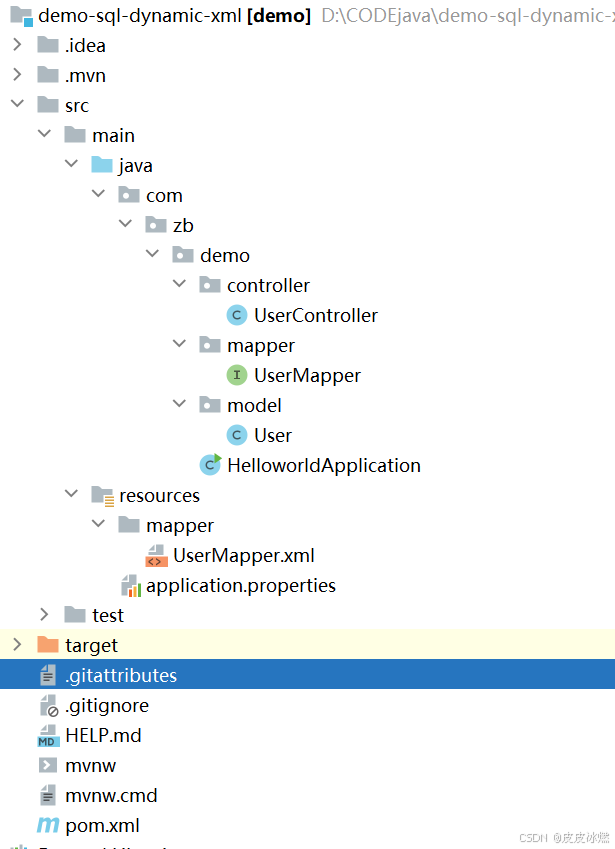
SpringBoot-17-MyBatis动态SQL标签之常用标签
文章目录 1 代码1.1 实体User.java1.2 接口UserMapper.java1.3 映射UserMapper.xml1.3.1 标签if1.3.2 标签if和where1.3.3 标签choose和when和otherwise1.4 UserController.java2 常用动态SQL标签2.1 标签set2.1.1 UserMapper.java2.1.2 UserMapper.xml2.1.3 UserController.ja…
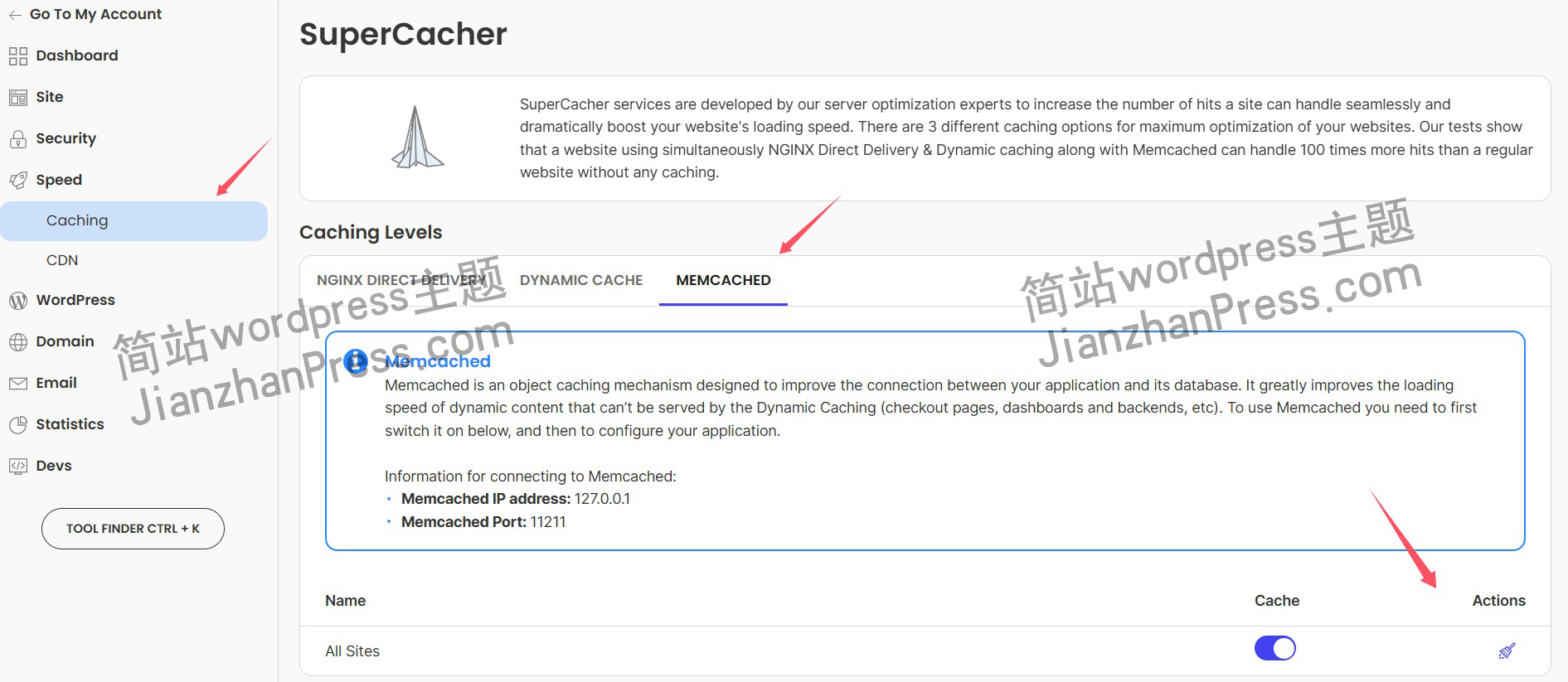
wordpress后台更新后 前端没变化的解决方法
使用siteground主机的wordpress网站,会出现更新了网站内容和修改了php模板文件、js文件、css文件、图片文件后,网站没有变化的情况。
不熟悉siteground主机的新手,遇到这个问题,就很抓狂,明明是哪都没操作错误&#x…
网络编程(Modbus进阶)
思维导图 Modbus RTU(先学一点理论)
概念 Modbus RTU 是工业自动化领域 最广泛应用的串行通信协议,由 Modicon 公司(现施耐德电气)于 1979 年推出。它以 高效率、强健性、易实现的特点成为工业控制系统的通信标准。 包…
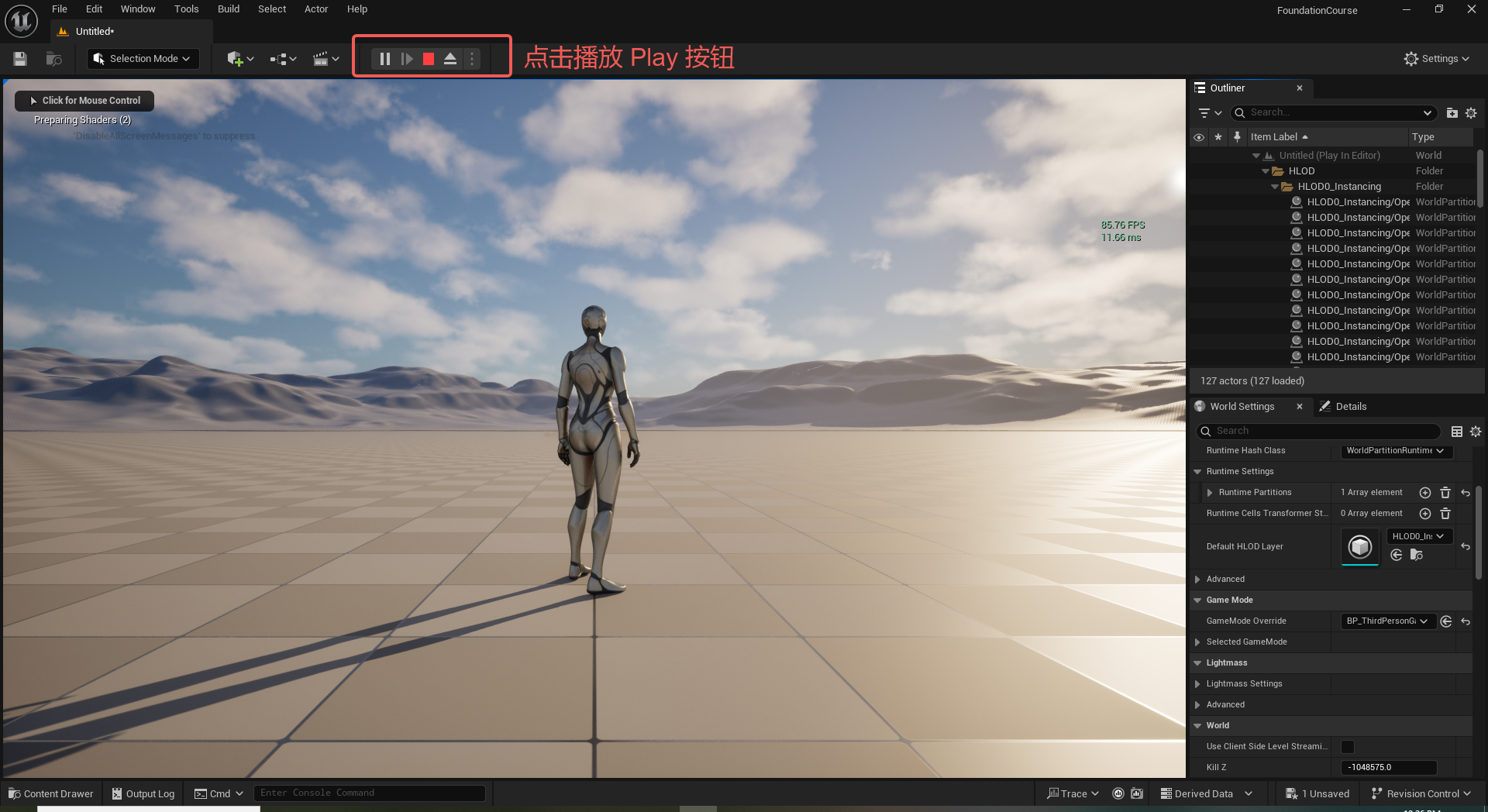
UE5 学习系列(二)用户操作界面及介绍
这篇博客是 UE5 学习系列博客的第二篇,在第一篇的基础上展开这篇内容。博客参考的 B 站视频资料和第一篇的链接如下:
【Note】:如果你已经完成安装等操作,可以只执行第一篇博客中 2. 新建一个空白游戏项目 章节操作,重…
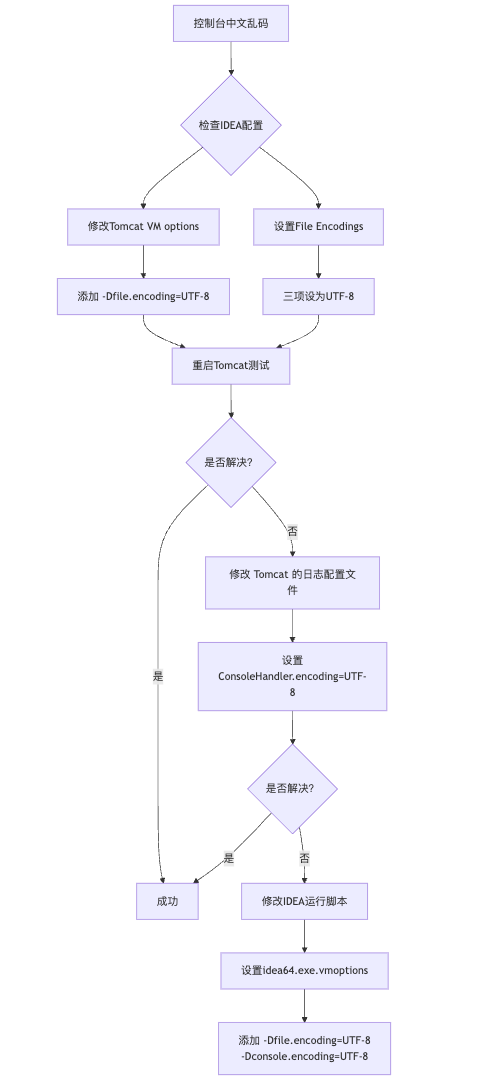
IDEA运行Tomcat出现乱码问题解决汇总
最近正值期末周,有很多同学在写期末Java web作业时,运行tomcat出现乱码问题,经过多次解决与研究,我做了如下整理:
原因:
IDEA本身编码与tomcat的编码与Windows编码不同导致,Windows 系统控制台…
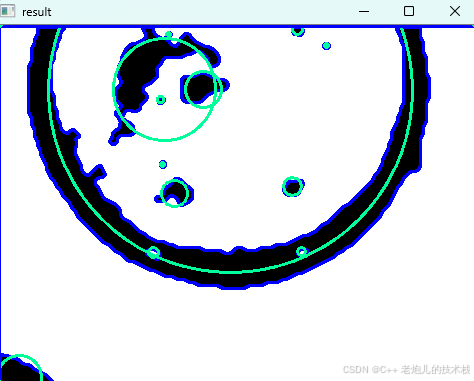
利用最小二乘法找圆心和半径
#include <iostream>
#include <vector>
#include <cmath>
#include <Eigen/Dense> // 需安装Eigen库用于矩阵运算 // 定义点结构
struct Point { double x, y; Point(double x_, double y_) : x(x_), y(y_) {}
}; // 最小二乘法求圆心和半径 …
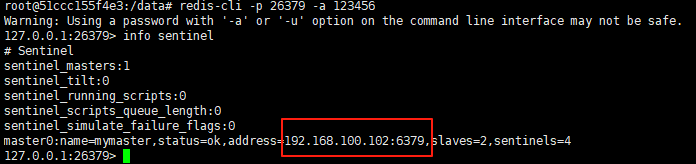
使用docker在3台服务器上搭建基于redis 6.x的一主两从三台均是哨兵模式
一、环境及版本说明
如果服务器已经安装了docker,则忽略此步骤,如果没有安装,则可以按照一下方式安装: 1. 在线安装(有互联网环境): 请看我这篇文章 传送阵>> 点我查看 2. 离线安装(内网环境):请看我这篇文章 传送阵>> 点我查看
说明:假设每台服务器已…
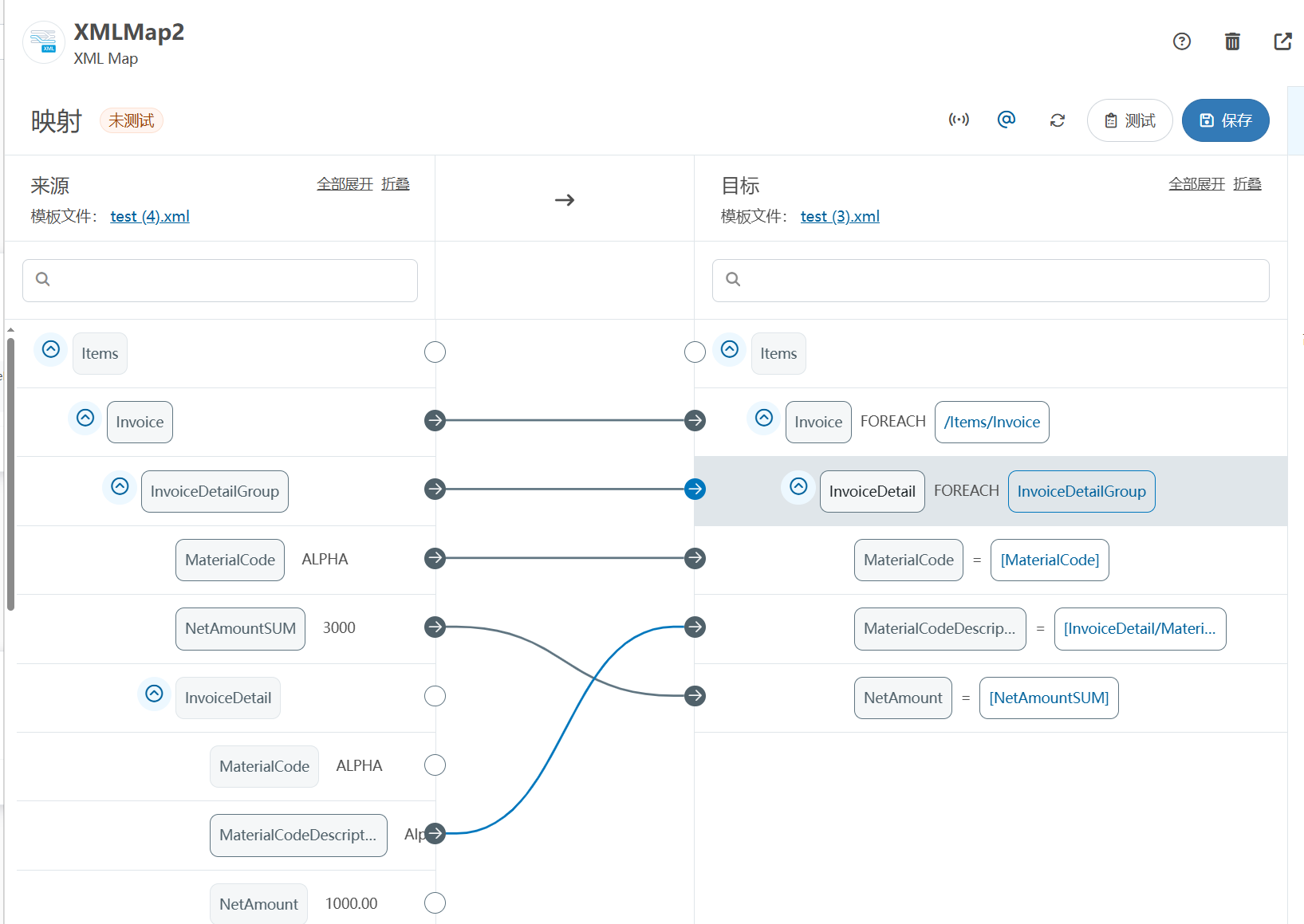
XML Group端口详解
在XML数据映射过程中,经常需要对数据进行分组聚合操作。例如,当处理包含多个物料明细的XML文件时,可能需要将相同物料号的明细归为一组,或对相同物料号的数量进行求和计算。传统实现方式通常需要编写脚本代码,增加了开…
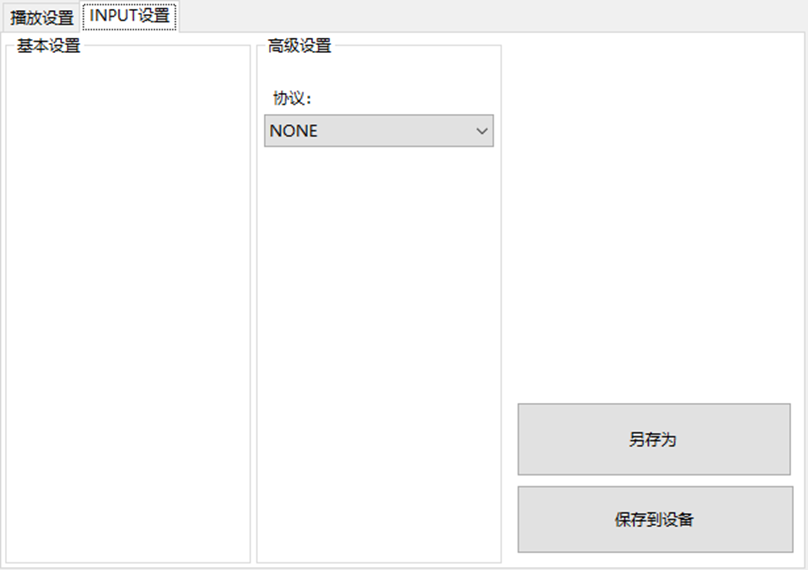
LBE-LEX系列工业语音播放器|预警播报器|喇叭蜂鸣器的上位机配置操作说明
LBE-LEX系列工业语音播放器|预警播报器|喇叭蜂鸣器专为工业环境精心打造,完美适配AGV和无人叉车。同时,集成以太网与语音合成技术,为各类高级系统(如MES、调度系统、库位管理、立库等)提供高效便捷的语音交互体验。
L…
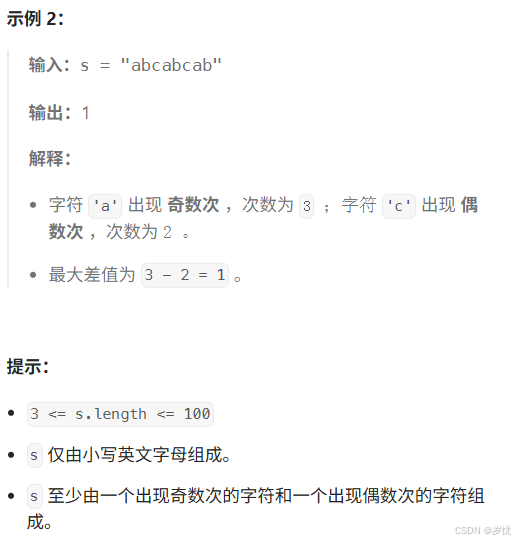
(LeetCode 每日一题) 3442. 奇偶频次间的最大差值 I (哈希、字符串)
题目:3442. 奇偶频次间的最大差值 I 思路 :哈希,时间复杂度0(n)。 用哈希表来记录每个字符串中字符的分布情况,哈希表这里用数组即可实现。
C版本:
class Solution {
public:int maxDifference(string s) {int a[26]…
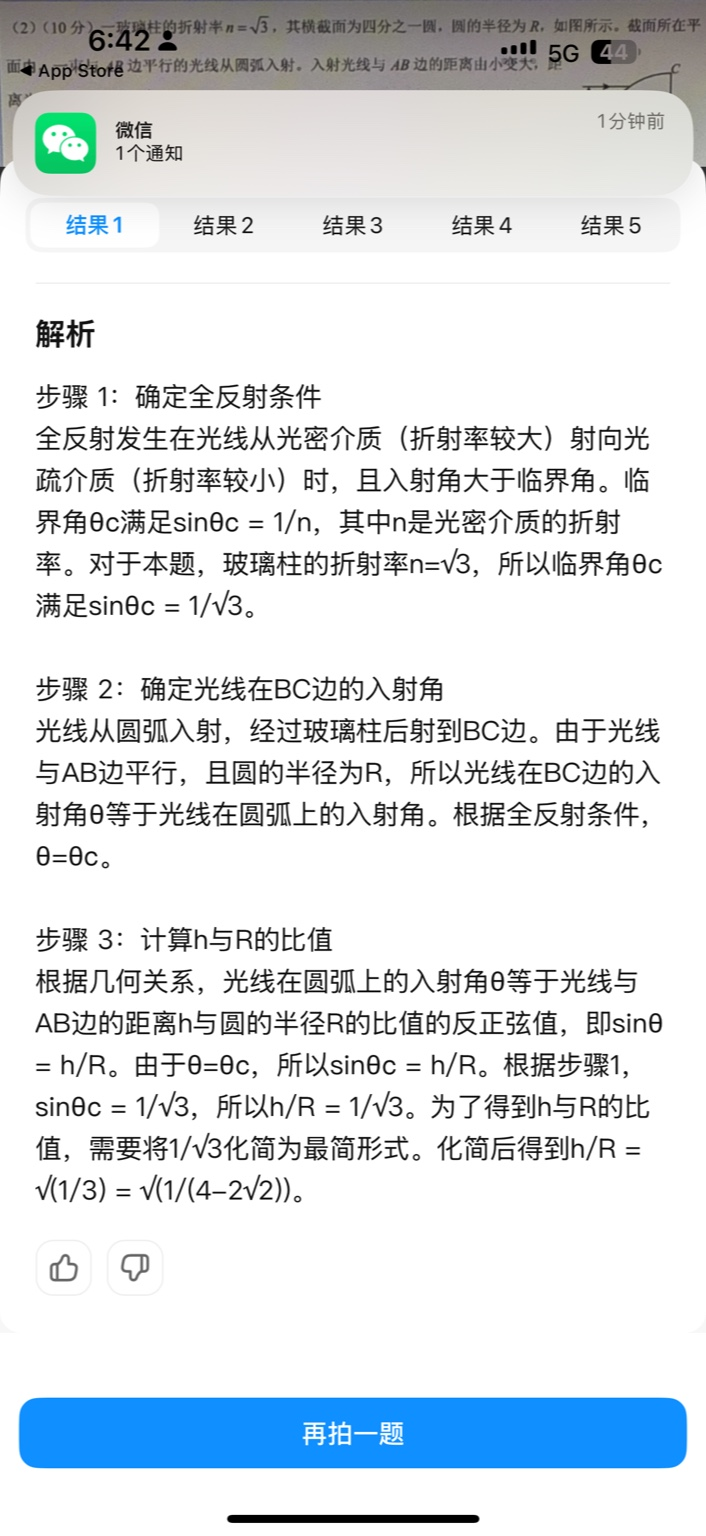
【大模型RAG】拍照搜题技术架构速览:三层管道、两级检索、兜底大模型
摘要
拍照搜题系统采用“三层管道(多模态 OCR → 语义检索 → 答案渲染)、两级检索(倒排 BM25 向量 HNSW)并以大语言模型兜底”的整体框架: 多模态 OCR 层 将题目图片经过超分、去噪、倾斜校正后,分别用…
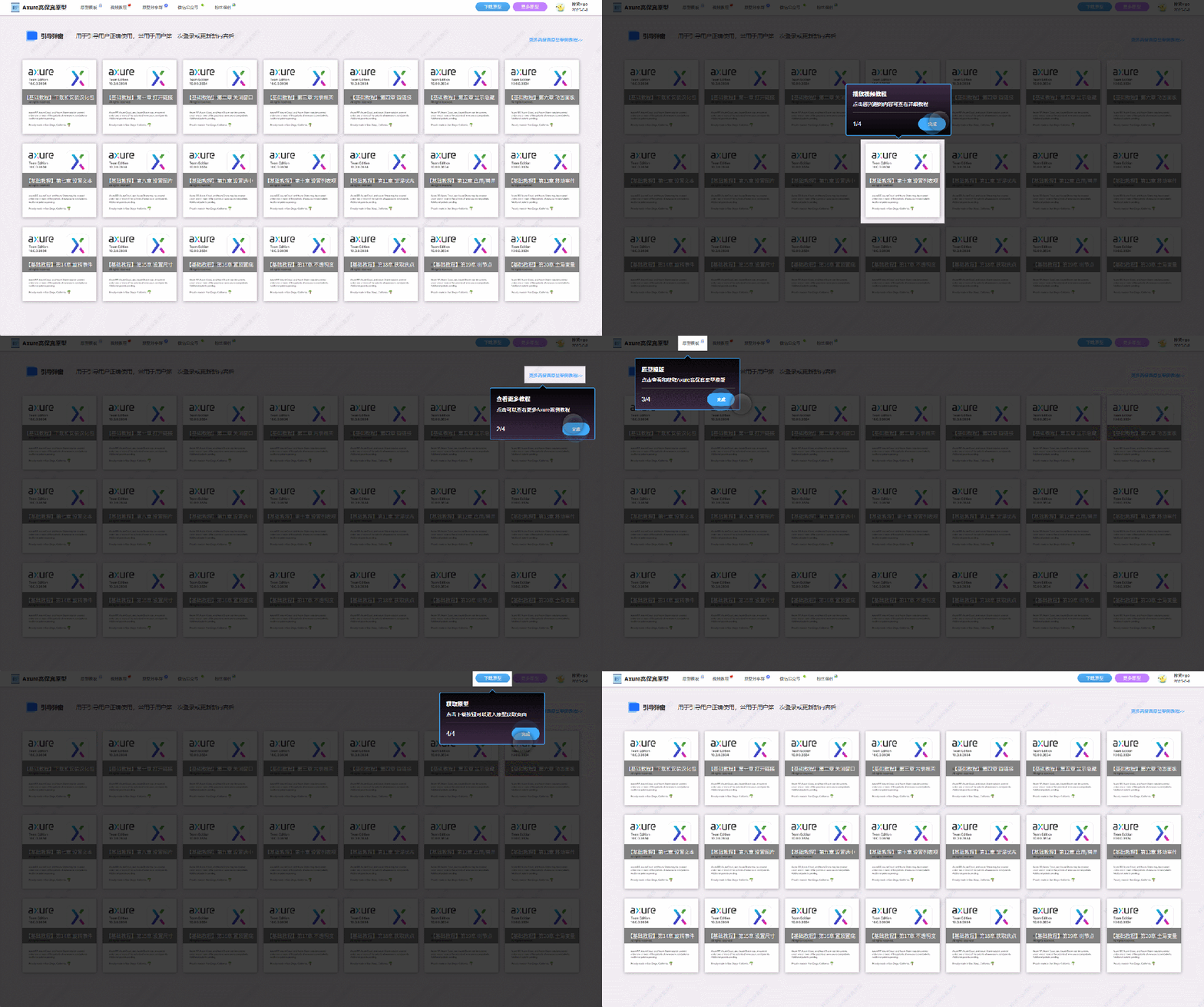
【Axure高保真原型】引导弹窗
今天和大家中分享引导弹窗的原型模板,载入页面后,会显示引导弹窗,适用于引导用户使用页面,点击完成后,会显示下一个引导弹窗,直至最后一个引导弹窗完成后进入首页。具体效果可以点击下方视频观看或打开下方…
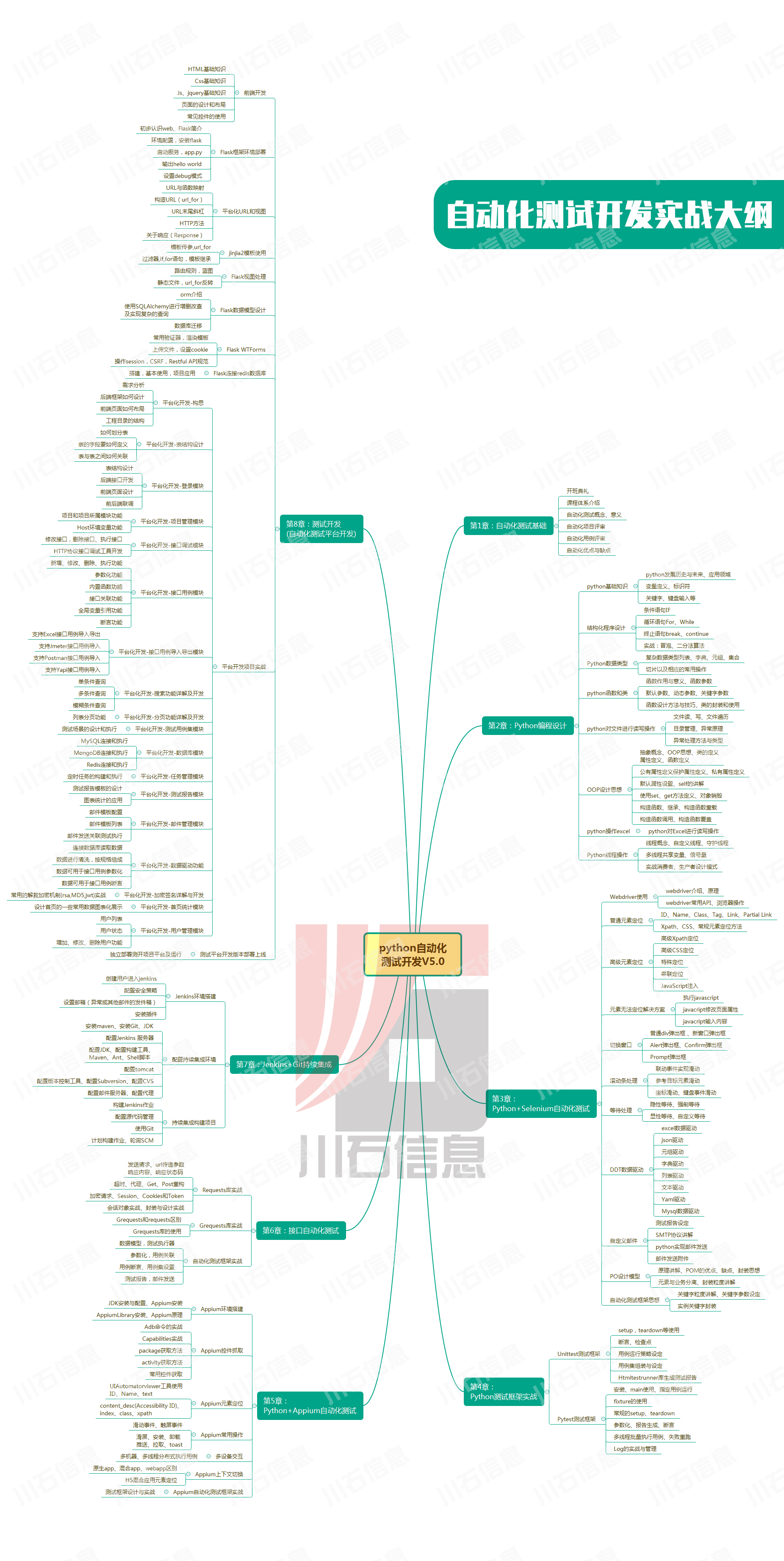
接口测试中缓存处理策略
在接口测试中,缓存处理策略是一个关键环节,直接影响测试结果的准确性和可靠性。合理的缓存处理策略能够确保测试环境的一致性,避免因缓存数据导致的测试偏差。以下是接口测试中常见的缓存处理策略及其详细说明:
一、缓存处理的核…
龙虎榜——20250610
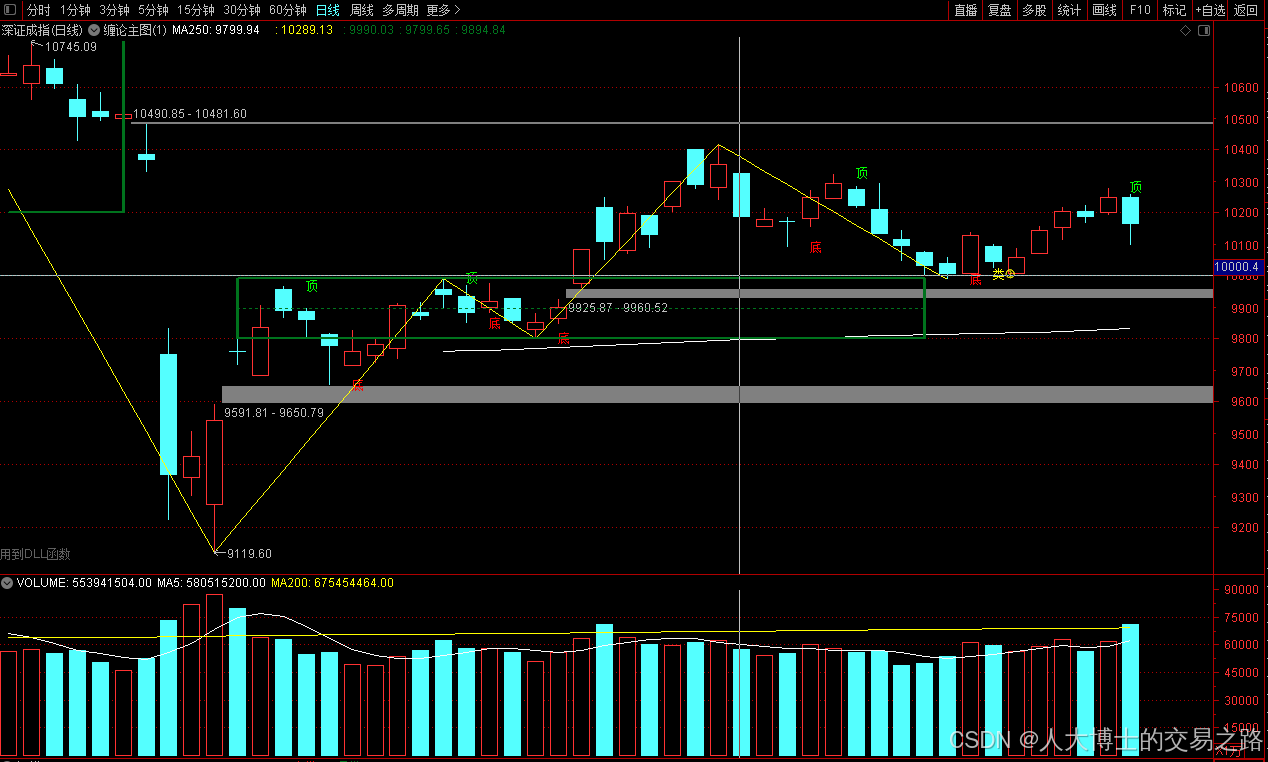
上证指数放量收阴线,个股多数下跌,盘中受消息影响大幅波动。 深证指数放量收阴线形成顶分型,指数短线有调整的需求,大概需要一两天。 2025年6月10日龙虎榜行业方向分析 1. 金融科技
代表标的:御银股份、雄帝科技
驱动…

观成科技:隐蔽隧道工具Ligolo-ng加密流量分析
1.工具介绍
Ligolo-ng是一款由go编写的高效隧道工具,该工具基于TUN接口实现其功能,利用反向TCP/TLS连接建立一条隐蔽的通信信道,支持使用Let’s Encrypt自动生成证书。Ligolo-ng的通信隐蔽性体现在其支持多种连接方式,适应复杂网…
铭豹扩展坞 USB转网口 突然无法识别解决方法
当 USB 转网口扩展坞在一台笔记本上无法识别,但在其他电脑上正常工作时,问题通常出在笔记本自身或其与扩展坞的兼容性上。以下是系统化的定位思路和排查步骤,帮助你快速找到故障原因:
背景:
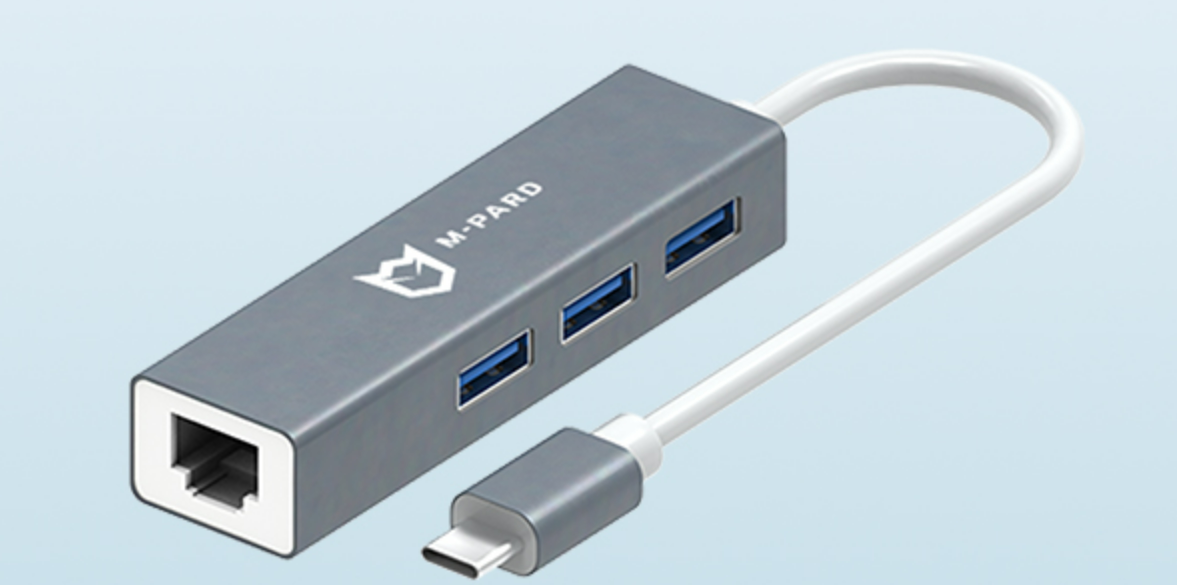
一个M-pard(铭豹)扩展坞的网卡突然无法识别了,扩展出来的三个USB接口正常。…
未来机器人的大脑:如何用神经网络模拟器实现更智能的决策?
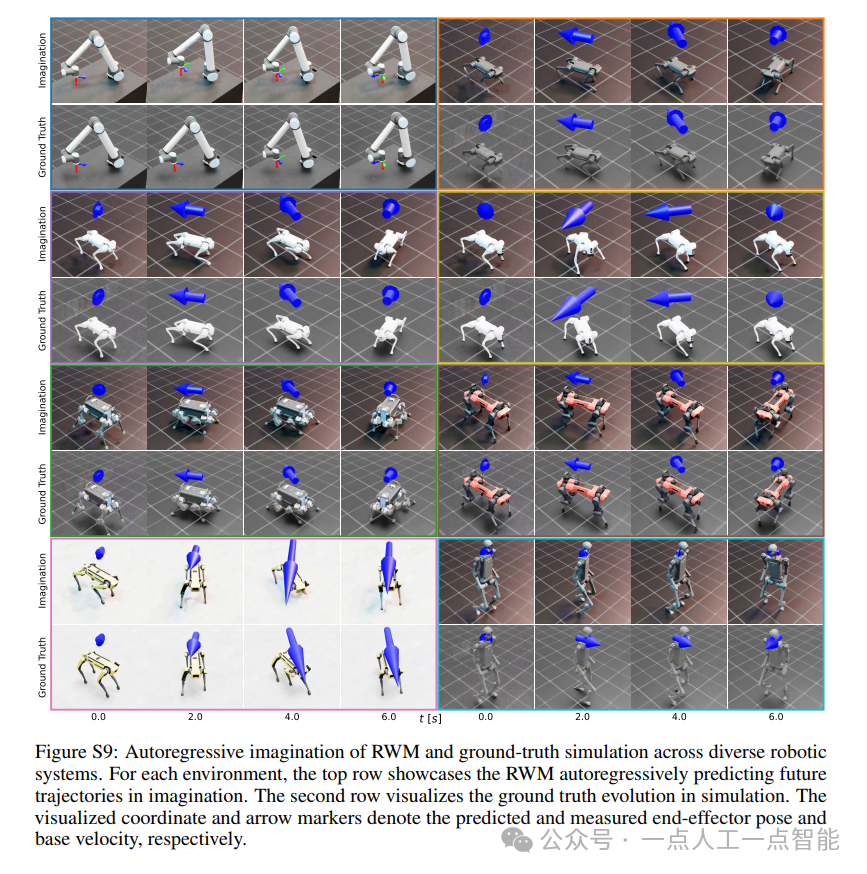
编辑:陈萍萍的公主一点人工一点智能 未来机器人的大脑:如何用神经网络模拟器实现更智能的决策?RWM通过双自回归机制有效解决了复合误差、部分可观测性和随机动力学等关键挑战,在不依赖领域特定归纳偏见的条件下实现了卓越的预测准…

Linux应用开发之网络套接字编程(实例篇)
服务端与客户端单连接
服务端代码
#include <sys/socket.h>
#include <sys/types.h>
#include <netinet/in.h>
#include <stdio.h>
#include <stdlib.h>
#include <string.h>
#include <arpa/inet.h>
#include <pthread.h>
…

华为云AI开发平台ModelArts
华为云ModelArts:重塑AI开发流程的“智能引擎”与“创新加速器”!
在人工智能浪潮席卷全球的2025年,企业拥抱AI的意愿空前高涨,但技术门槛高、流程复杂、资源投入巨大的现实,却让许多创新构想止步于实验室。数据科学家…

深度学习在微纳光子学中的应用
深度学习在微纳光子学中的主要应用方向
深度学习与微纳光子学的结合主要集中在以下几个方向:
逆向设计 通过神经网络快速预测微纳结构的光学响应,替代传统耗时的数值模拟方法。例如设计超表面、光子晶体等结构。
特征提取与优化 从复杂的光学数据中自…