Pi 是一个极简终端编码工具 Pi is a minimal terminal coding harness
news2026/5/2 11:53:35
Pi is a minimal terminal coding harness. It is designed to stay small at the core while being extended through TypeScript extensions, skills, prompt templates, themes, and pi packages.Pi 是一个极简终端编码工具。其核心设计保持精简同时支持通过 TypeScript 扩展、技能模块、提示模板、主题样式以及 pi 工具包进行功能拓展。Quick startInstall pi with npm:npm install -g mariozechner/pi-coding-agentThen run it in a project directory:piAuthenticate with/loginfor subscription providers, or set an API key such asANTHROPIC_API_KEYbefore starting pi.For the full first-run flow, see Quickstart.Start hereQuickstart - install, authenticate, and run a first session.Using Pi - interactive mode, slash commands, context files, and CLI reference.Providers - subscription and API-key setup for built-in providers.Settings - global and project settings.Keybindings - default shortcuts and custom keybindings.Sessions - session management, branching, and tree navigation.Compaction - context compaction and branch summarization.从这里开始快速入门 - 安装、认证并运行第一个会话。使用 Pi - 交互模式、斜杠命令、上下文文件和 CLI 参考。提供者 - 内置提供者的订阅和 API 密钥设置。设置 - 全局和项目设置。快捷键 - 默认快捷键和自定义快捷键。会话 - 会话管理、分支和树形导航。压缩 - 上下文压缩和分支摘要。CustomizationExtensions - TypeScript modules for tools, commands, events, and custom UI.Skills - Agent Skills for reusable on-demand capabilities.Prompt templates - reusable prompts that expand from slash commands.Themes - built-in and custom terminal themes.Pi packages - bundle and share extensions, skills, prompts, and themes.Custom models - add model entries for supported provider APIs.Custom providers - implement custom APIs and OAuth flows.自定义扩展功能 - 用于工具、命令、事件和自定义用户界面的 TypeScript 模块。技能 - 可复用的按需能力的代理技能。提示模板 - 可通过斜杠命令扩展的可复用提示。主题 - 内置和自定义的终端主题。Pi 包 - 打包并分享扩展、技能、提示和主题。自定义模型 - 为支持的提供商 API 添加模型条目。自定义提供商 - 实现自定义 API 和 OAuth 流程。Programmatic usageSDK - embed pi in Node.js applications.RPC mode - integrate over stdin/stdout JSONL.JSON event stream mode - print mode with structured events.TUI components - build custom terminal UI for extensions.ReferenceSession format - JSONL session file format, entry types, and SessionManager API.Why Pi?Pi is a minimal terminal coding harness. Adapt Pi to your workflows, not the other way around. Customize Pi with extensions, skills, prompt templates, and themes. Bundle them as Pi packages and share via npm or git.Pi ships with powerful defaults but skips features like sub-agents and plan mode. Ask Pi to build what you want, or install a package that does it your way.Four modes: interactive, print/JSON, RPC, and SDK. See OpenClaw for a real-world integration.Change the harness, not your workflowPi isnt a sealed product. If you need a command, tool, provider, workflow, or UI tweak, just ask Pi to build it. It will customize itself on the fly.Have Pi manipulate itself in place, hit/reload, and keep going. If you think others will find what you built useful, share it!15 providers, hundreds of modelsAnthropic, OpenAI, Google, Azure, Bedrock, Mistral, Groq, Cerebras, xAI, Hugging Face, Kimi For Coding, MiniMax, OpenRouter, Ollama, and more. Authenticate via API keys or OAuth.Switch models mid-session with/modelorCtrlL. Cycle through your favorites withCtrlP.Add custom providers and models via models.json or extensions.Tree-structured, shareable historySessions are stored as trees. Use/treeto navigate to any previous point and continue from there. All branches live in a single file. Filter by message type, label entries as bookmarks.Export to HTML with/export, or upload to a GitHub gist with/shareand get a shareable URL that renders it. Example session.Context engineeringPis minimal system prompt and extensibility let you do actual context engineering. Control what goes into the context window and how its managed.AGENTS.md:Project instructions loaded at startup from~/.pi/agent/, parent directories, and the current directory.SYSTEM.md:Replace or append to the default system prompt per-project.Compaction:Auto-summarizes older messages when approaching the context limit. Fully customizable via extensions: implement topic-based compaction, code-aware summaries, or use different summarization models.Skills:Capability packages with instructions and tools, loaded on-demand. Progressive disclosure without busting the prompt cache. See skills.Prompt templates:Reusable prompts as Markdown files. Type/nameto expand. See prompt templates.Dynamic context:Extensions can inject messages before each turn, filter the message history, implement RAG, or build long-term memory.Steer or follow upSubmit messages while the agent works.Entersends a steering message (delivered after current tool, interrupts remaining tools).AltEntersends a follow-up (waits until the agent finishes).Four modesInteractive:The full TUI experience.Print/JSON:pi -p queryfor scripts,--mode jsonfor event streams.RPC:JSON protocol over stdin/stdout for non-Node integrations. See docs/rpc.md.SDK:Embed Pi in your apps. See OpenClaw for a real-world example.Primitives, not featuresFeatures that other agents bake in, you can build yourself. Extensions are TypeScript modules with access to tools, commands, keyboard shortcuts, events, and the full TUI.Sub-agents, plan mode, permission gates, path protection, SSH execution, sandboxing, MCP integration, custom editors, status bars, overlays.Dont want to build it? Ask Pi to build it for you. Or install a package that does it your way. See the 50 examples.Bundle extensions, skills, prompts, and themes as packages. Install from npm or git:$ pi install npm:foo/pi-tools$ pi install git:github.com/badlogic/pi-doomBrowse packagesand it can play doomWhat we didnt buildPi is aggressively extensible so it doesnt have to dictate your workflow. Features that other tools bake in can be built with extensions, skills, or installed from third-party Pi packages. This keeps the core minimal while letting you shape Pi to fit how you work.No MCP.Build CLI tools with READMEs (see Skills), or build an extension that adds MCP support. Why?No sub-agents.Theres many ways to do this. Spawn Pi instances via tmux, or build your own with extensions, or install a package that does it your way.No permission popups.Run in a container, or build your own confirmation flow with extensions inline with your environment and security requirements.No plan mode.Write plans to files, or build it with extensions, or install a package.No built-in to-dos.Use a TODO.md file, or build your own with extensions.No background bash.Use tmux. Full observability, direct interaction.Read the blog post for the full rationale.https://github.com/badlogic/pi-mono/issues--https://pi.dev/docs/latest
本文来自互联网用户投稿,该文观点仅代表作者本人,不代表本站立场。本站仅提供信息存储空间服务,不拥有所有权,不承担相关法律责任。如若转载,请注明出处:http://www.coloradmin.cn/o/2574871.html
如若内容造成侵权/违法违规/事实不符,请联系多彩编程网进行投诉反馈,一经查实,立即删除!相关文章
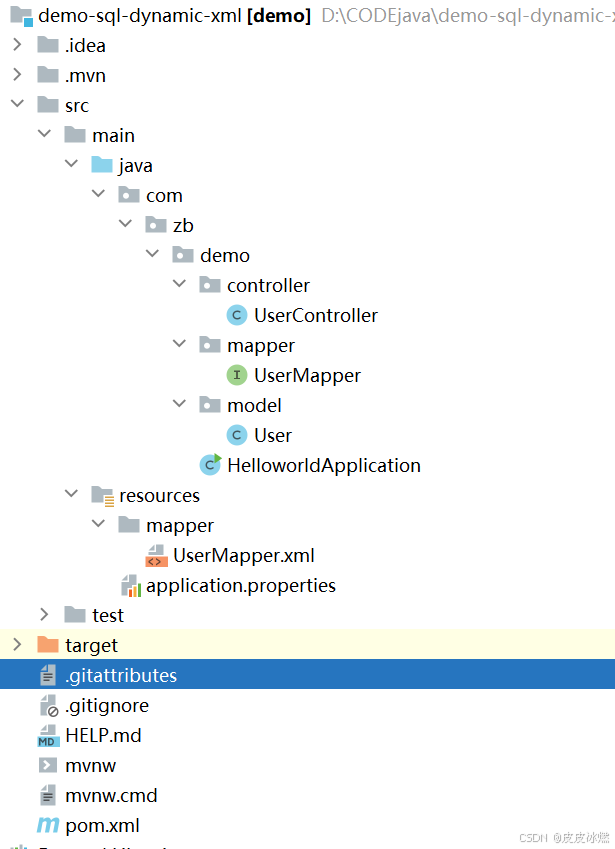
SpringBoot-17-MyBatis动态SQL标签之常用标签
文章目录 1 代码1.1 实体User.java1.2 接口UserMapper.java1.3 映射UserMapper.xml1.3.1 标签if1.3.2 标签if和where1.3.3 标签choose和when和otherwise1.4 UserController.java2 常用动态SQL标签2.1 标签set2.1.1 UserMapper.java2.1.2 UserMapper.xml2.1.3 UserController.ja…
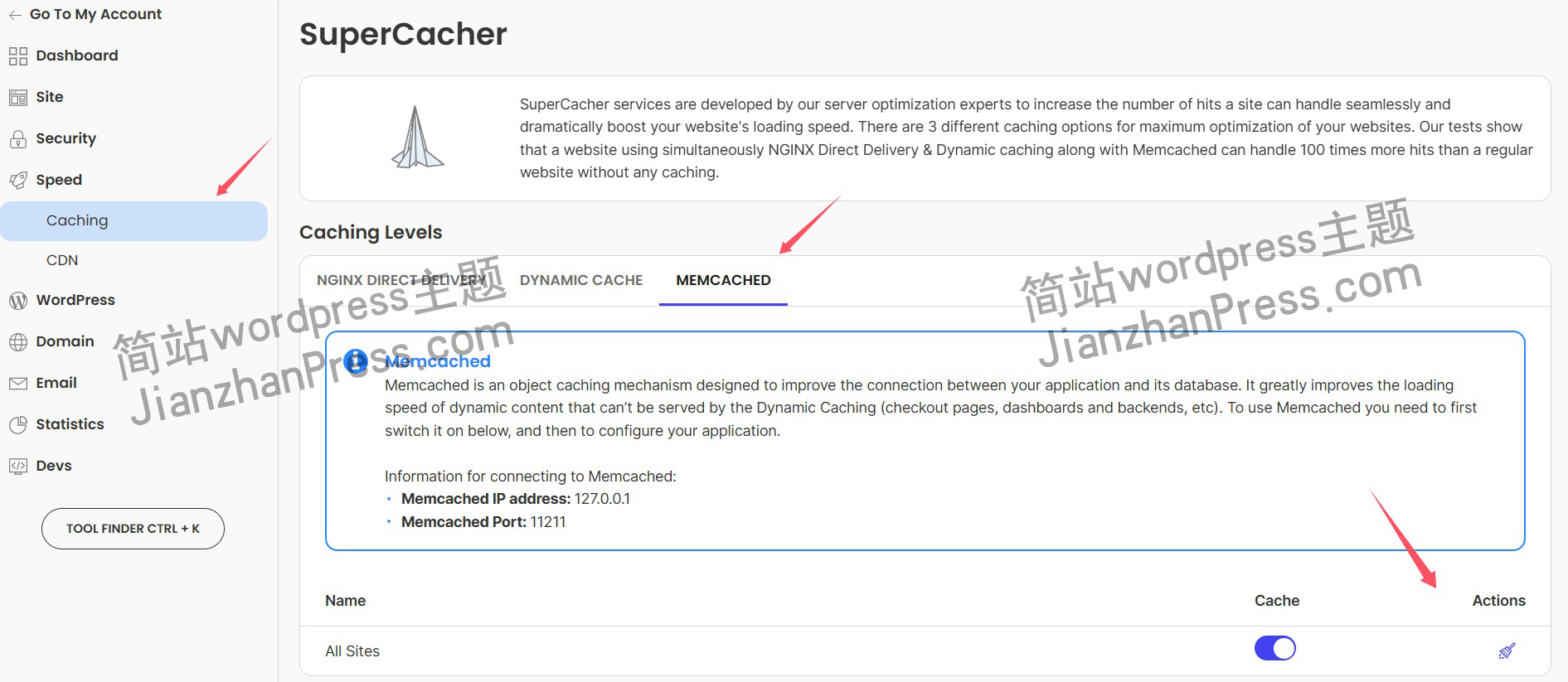
wordpress后台更新后 前端没变化的解决方法
使用siteground主机的wordpress网站,会出现更新了网站内容和修改了php模板文件、js文件、css文件、图片文件后,网站没有变化的情况。
不熟悉siteground主机的新手,遇到这个问题,就很抓狂,明明是哪都没操作错误&#x…
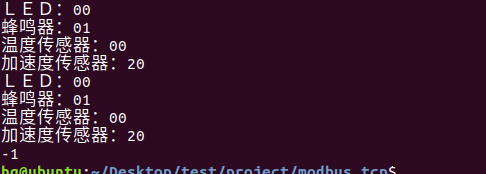
网络编程(Modbus进阶)
思维导图 Modbus RTU(先学一点理论)
概念 Modbus RTU 是工业自动化领域 最广泛应用的串行通信协议,由 Modicon 公司(现施耐德电气)于 1979 年推出。它以 高效率、强健性、易实现的特点成为工业控制系统的通信标准。 包…
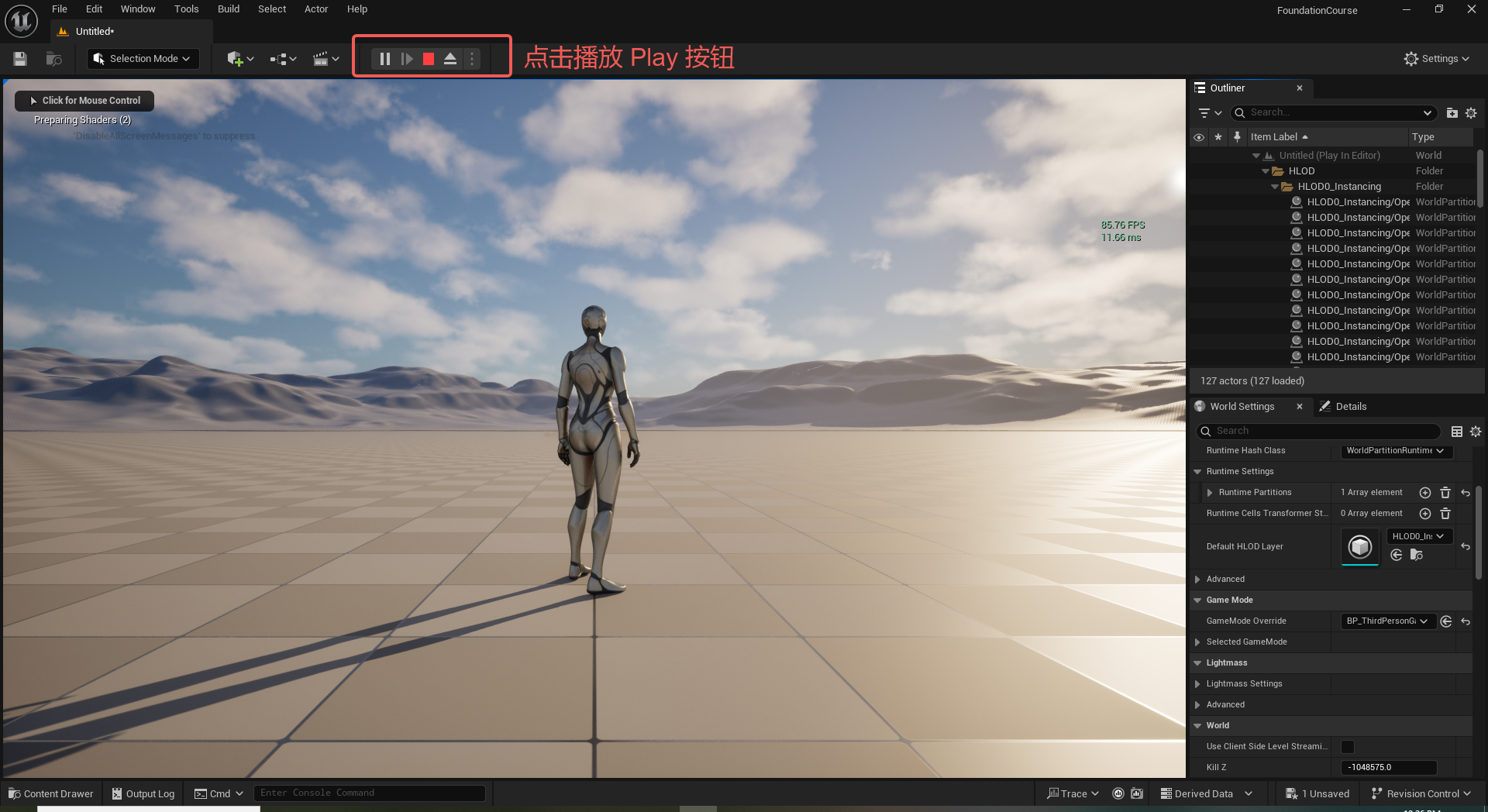
UE5 学习系列(二)用户操作界面及介绍
这篇博客是 UE5 学习系列博客的第二篇,在第一篇的基础上展开这篇内容。博客参考的 B 站视频资料和第一篇的链接如下:
【Note】:如果你已经完成安装等操作,可以只执行第一篇博客中 2. 新建一个空白游戏项目 章节操作,重…
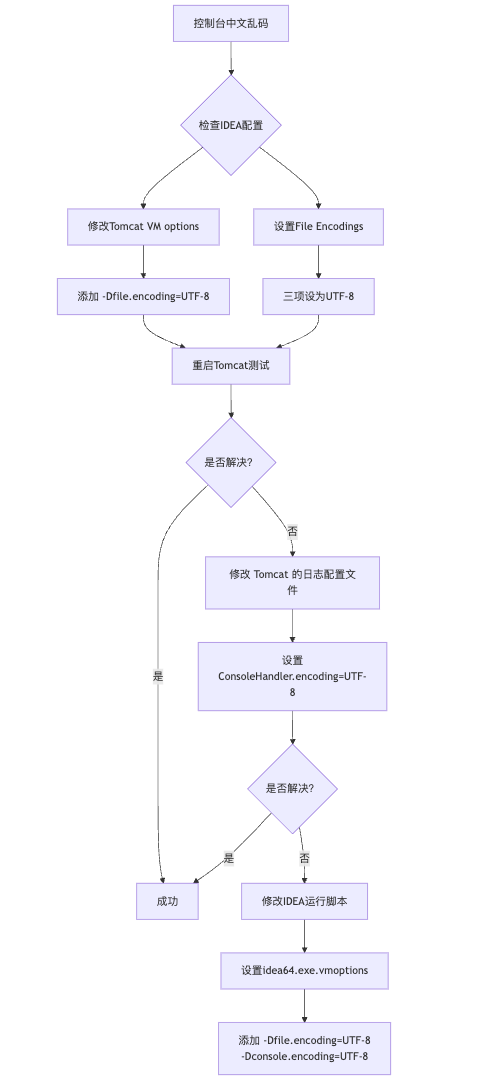
IDEA运行Tomcat出现乱码问题解决汇总
最近正值期末周,有很多同学在写期末Java web作业时,运行tomcat出现乱码问题,经过多次解决与研究,我做了如下整理:
原因:
IDEA本身编码与tomcat的编码与Windows编码不同导致,Windows 系统控制台…
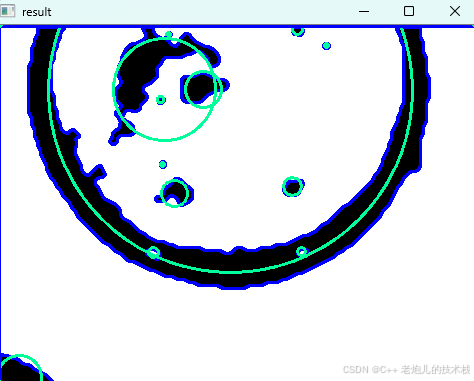
利用最小二乘法找圆心和半径
#include <iostream>
#include <vector>
#include <cmath>
#include <Eigen/Dense> // 需安装Eigen库用于矩阵运算 // 定义点结构
struct Point { double x, y; Point(double x_, double y_) : x(x_), y(y_) {}
}; // 最小二乘法求圆心和半径 …
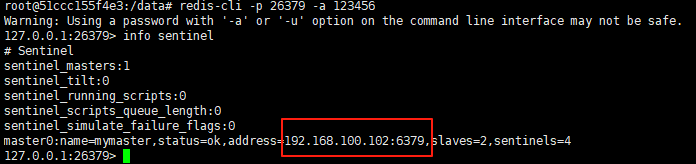
使用docker在3台服务器上搭建基于redis 6.x的一主两从三台均是哨兵模式
一、环境及版本说明
如果服务器已经安装了docker,则忽略此步骤,如果没有安装,则可以按照一下方式安装: 1. 在线安装(有互联网环境): 请看我这篇文章 传送阵>> 点我查看 2. 离线安装(内网环境):请看我这篇文章 传送阵>> 点我查看
说明:假设每台服务器已…
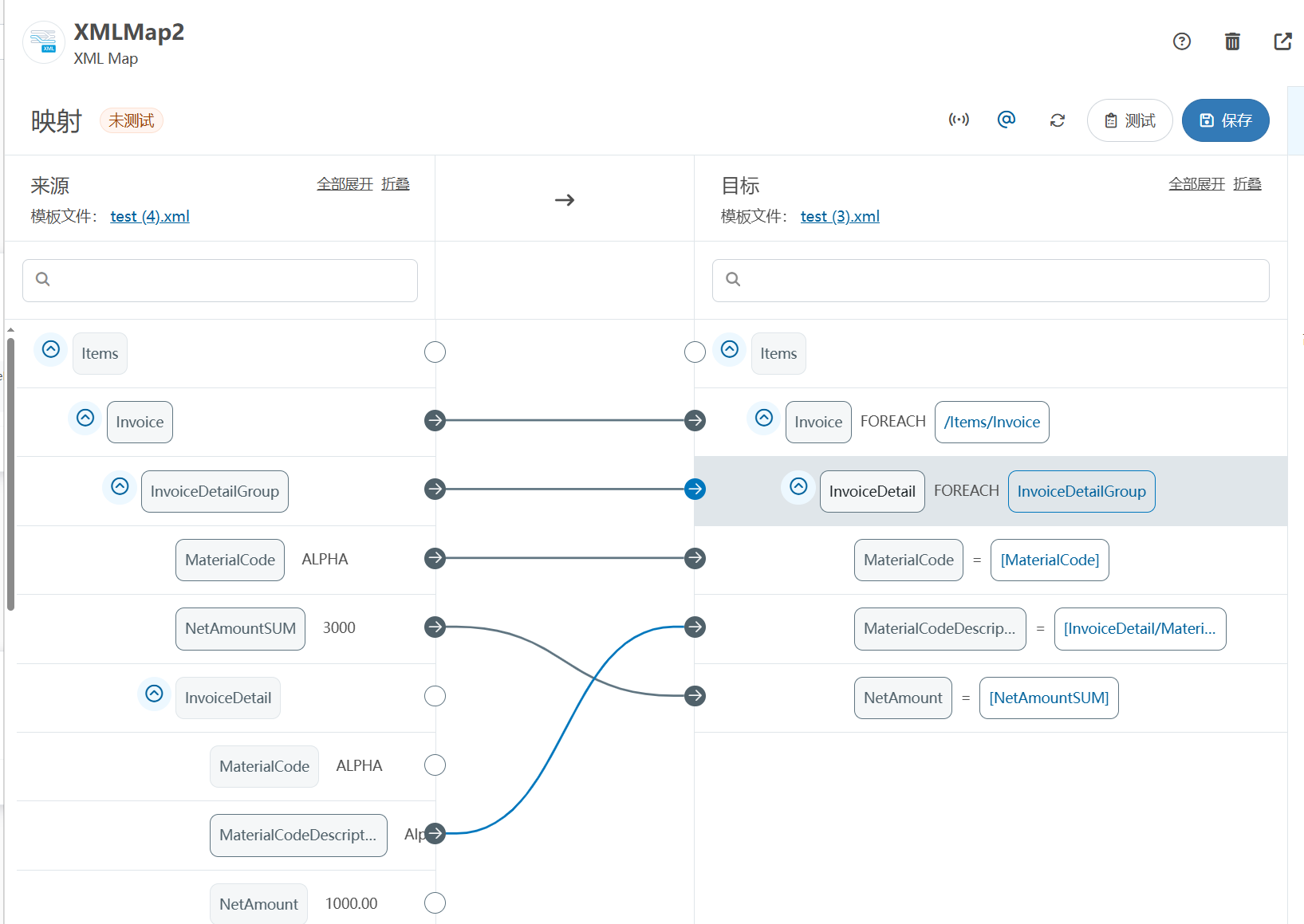
XML Group端口详解
在XML数据映射过程中,经常需要对数据进行分组聚合操作。例如,当处理包含多个物料明细的XML文件时,可能需要将相同物料号的明细归为一组,或对相同物料号的数量进行求和计算。传统实现方式通常需要编写脚本代码,增加了开…
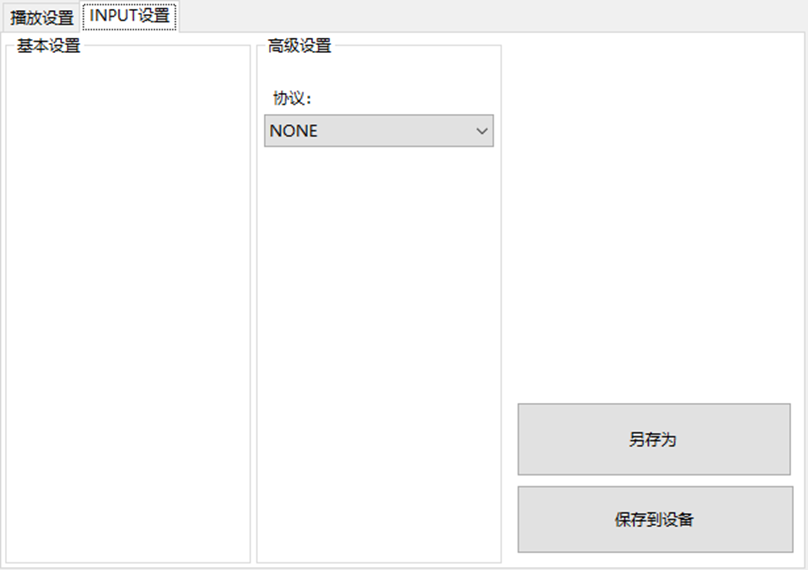
LBE-LEX系列工业语音播放器|预警播报器|喇叭蜂鸣器的上位机配置操作说明
LBE-LEX系列工业语音播放器|预警播报器|喇叭蜂鸣器专为工业环境精心打造,完美适配AGV和无人叉车。同时,集成以太网与语音合成技术,为各类高级系统(如MES、调度系统、库位管理、立库等)提供高效便捷的语音交互体验。
L…
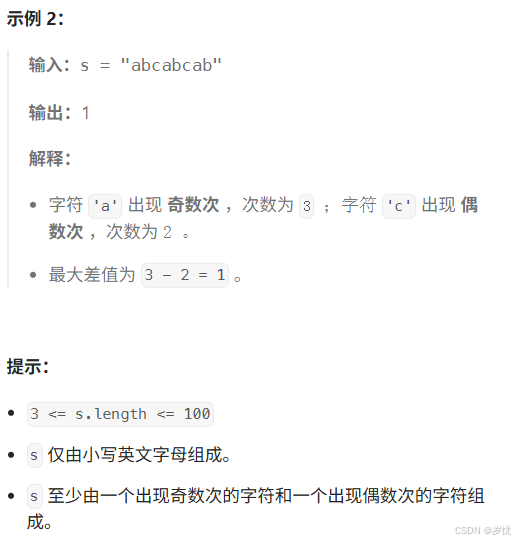
(LeetCode 每日一题) 3442. 奇偶频次间的最大差值 I (哈希、字符串)
题目:3442. 奇偶频次间的最大差值 I 思路 :哈希,时间复杂度0(n)。 用哈希表来记录每个字符串中字符的分布情况,哈希表这里用数组即可实现。
C版本:
class Solution {
public:int maxDifference(string s) {int a[26]…
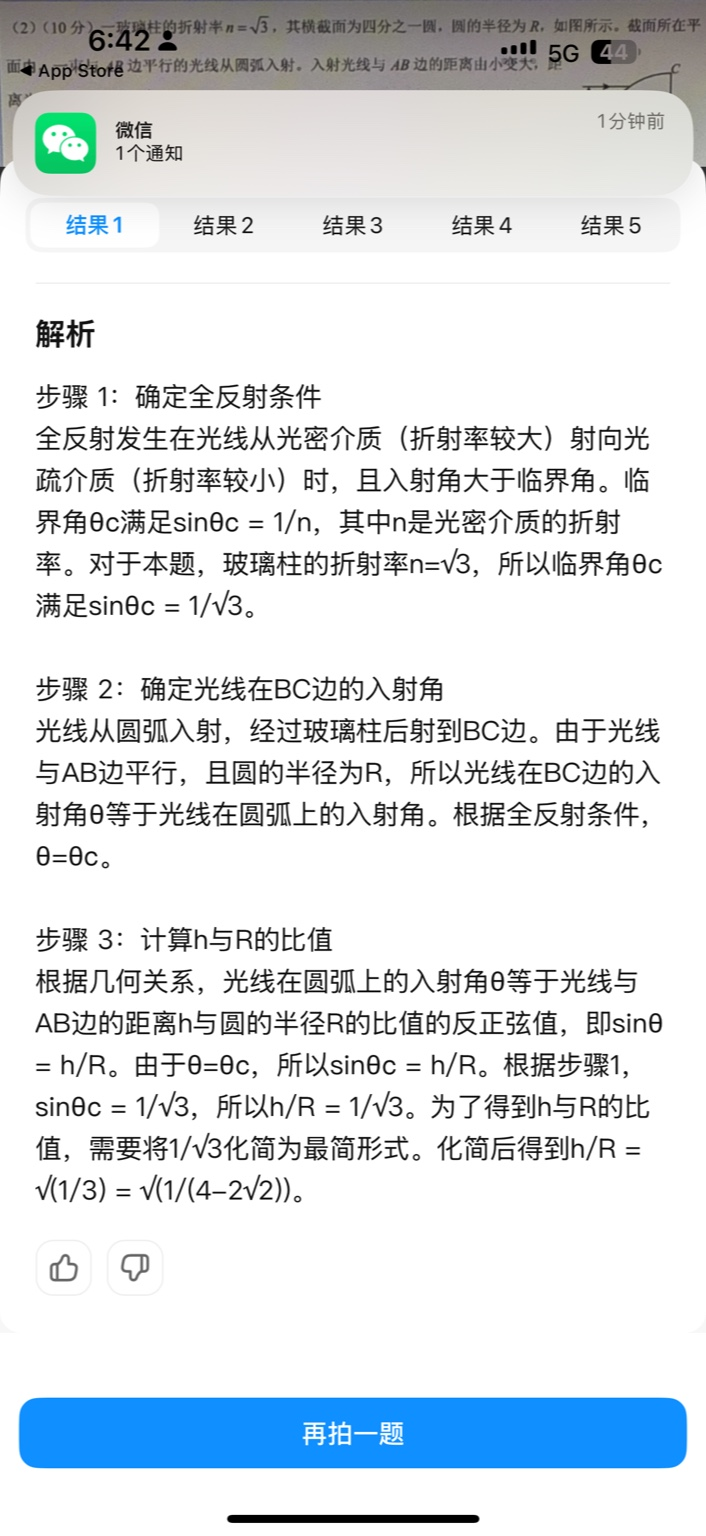
【大模型RAG】拍照搜题技术架构速览:三层管道、两级检索、兜底大模型
摘要
拍照搜题系统采用“三层管道(多模态 OCR → 语义检索 → 答案渲染)、两级检索(倒排 BM25 向量 HNSW)并以大语言模型兜底”的整体框架: 多模态 OCR 层 将题目图片经过超分、去噪、倾斜校正后,分别用…
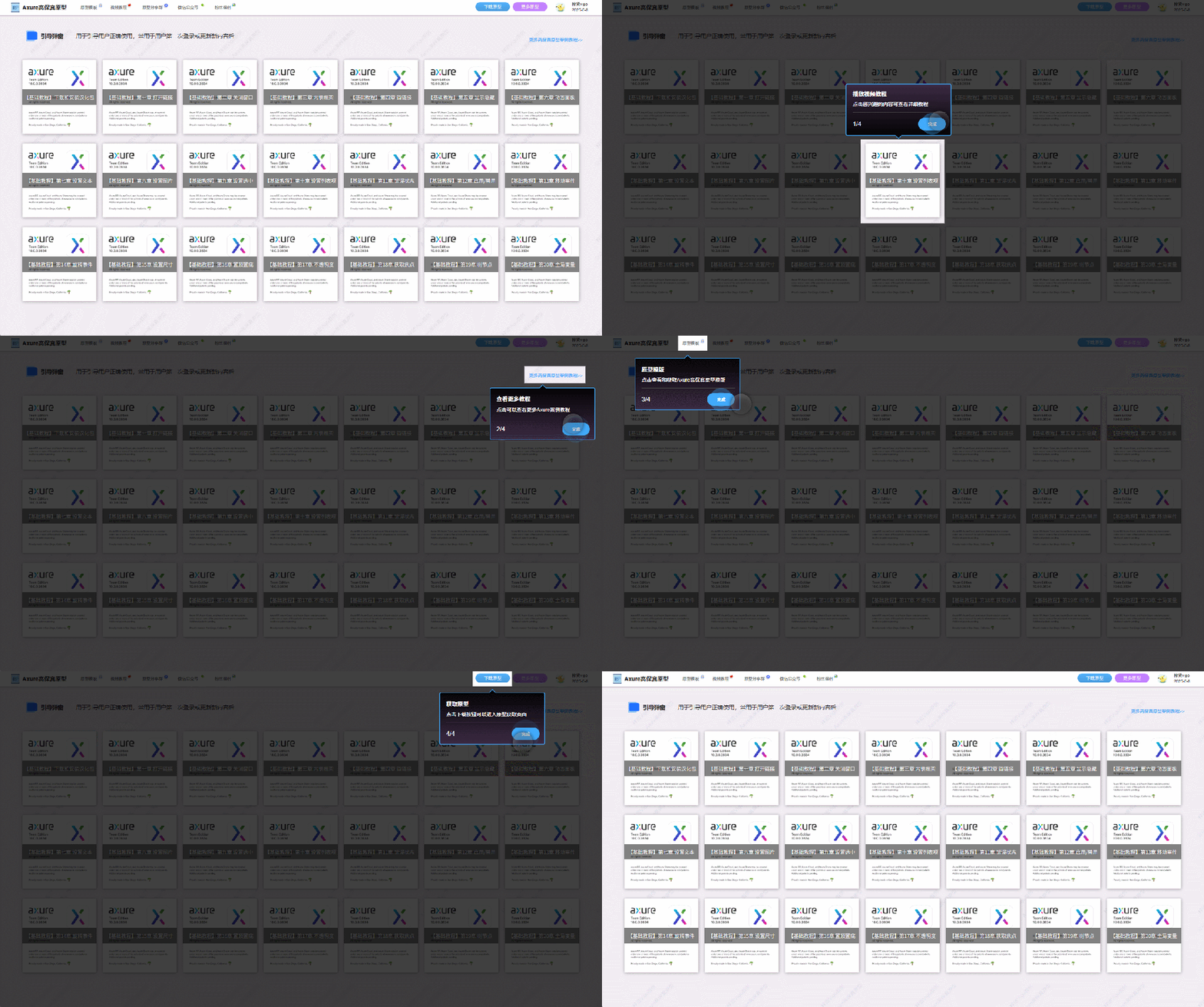
【Axure高保真原型】引导弹窗
今天和大家中分享引导弹窗的原型模板,载入页面后,会显示引导弹窗,适用于引导用户使用页面,点击完成后,会显示下一个引导弹窗,直至最后一个引导弹窗完成后进入首页。具体效果可以点击下方视频观看或打开下方…
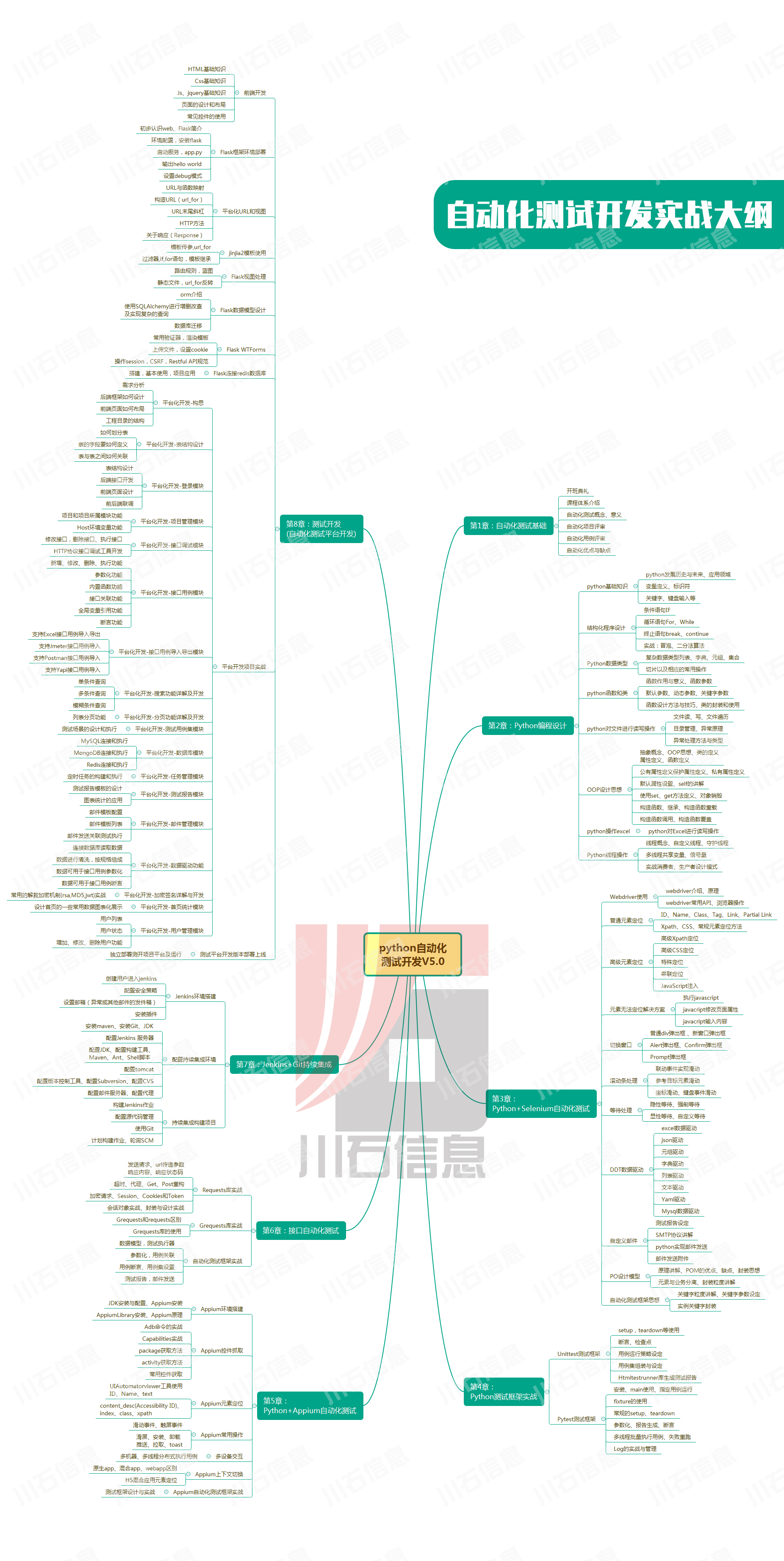
接口测试中缓存处理策略
在接口测试中,缓存处理策略是一个关键环节,直接影响测试结果的准确性和可靠性。合理的缓存处理策略能够确保测试环境的一致性,避免因缓存数据导致的测试偏差。以下是接口测试中常见的缓存处理策略及其详细说明:
一、缓存处理的核…

龙虎榜——20250610
上证指数放量收阴线,个股多数下跌,盘中受消息影响大幅波动。 深证指数放量收阴线形成顶分型,指数短线有调整的需求,大概需要一两天。 2025年6月10日龙虎榜行业方向分析 1. 金融科技
代表标的:御银股份、雄帝科技
驱动…
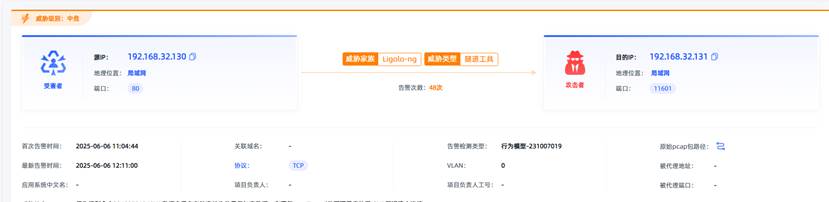
观成科技:隐蔽隧道工具Ligolo-ng加密流量分析
1.工具介绍
Ligolo-ng是一款由go编写的高效隧道工具,该工具基于TUN接口实现其功能,利用反向TCP/TLS连接建立一条隐蔽的通信信道,支持使用Let’s Encrypt自动生成证书。Ligolo-ng的通信隐蔽性体现在其支持多种连接方式,适应复杂网…
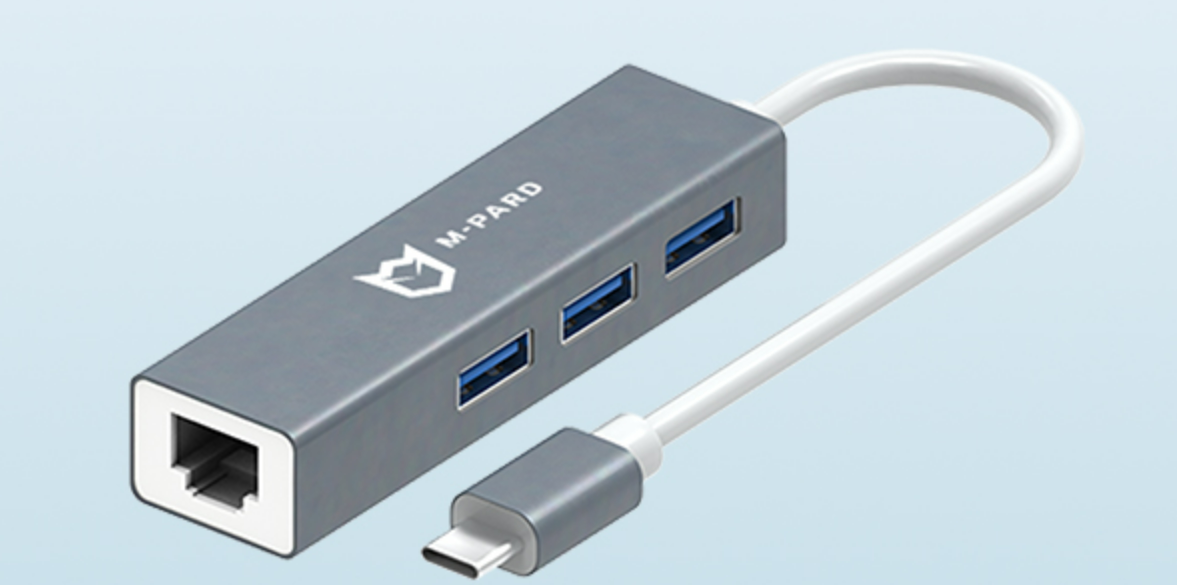
铭豹扩展坞 USB转网口 突然无法识别解决方法
当 USB 转网口扩展坞在一台笔记本上无法识别,但在其他电脑上正常工作时,问题通常出在笔记本自身或其与扩展坞的兼容性上。以下是系统化的定位思路和排查步骤,帮助你快速找到故障原因:
背景:
一个M-pard(铭豹)扩展坞的网卡突然无法识别了,扩展出来的三个USB接口正常。…
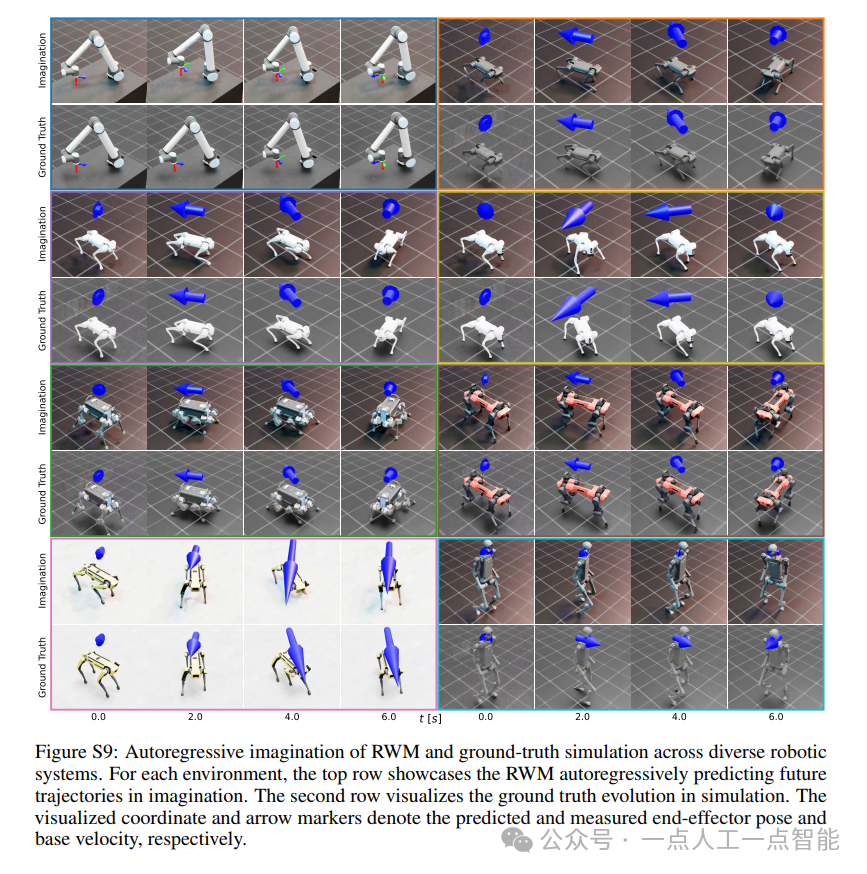
未来机器人的大脑:如何用神经网络模拟器实现更智能的决策?
编辑:陈萍萍的公主一点人工一点智能 未来机器人的大脑:如何用神经网络模拟器实现更智能的决策?RWM通过双自回归机制有效解决了复合误差、部分可观测性和随机动力学等关键挑战,在不依赖领域特定归纳偏见的条件下实现了卓越的预测准…

Linux应用开发之网络套接字编程(实例篇)
服务端与客户端单连接
服务端代码
#include <sys/socket.h>
#include <sys/types.h>
#include <netinet/in.h>
#include <stdio.h>
#include <stdlib.h>
#include <string.h>
#include <arpa/inet.h>
#include <pthread.h>
…

华为云AI开发平台ModelArts
华为云ModelArts:重塑AI开发流程的“智能引擎”与“创新加速器”!
在人工智能浪潮席卷全球的2025年,企业拥抱AI的意愿空前高涨,但技术门槛高、流程复杂、资源投入巨大的现实,却让许多创新构想止步于实验室。数据科学家…
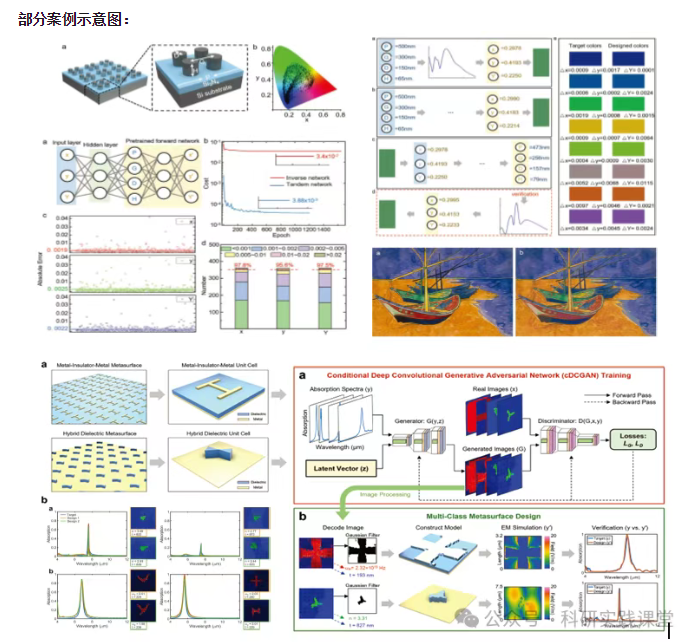
深度学习在微纳光子学中的应用
深度学习在微纳光子学中的主要应用方向
深度学习与微纳光子学的结合主要集中在以下几个方向:
逆向设计 通过神经网络快速预测微纳结构的光学响应,替代传统耗时的数值模拟方法。例如设计超表面、光子晶体等结构。
特征提取与优化 从复杂的光学数据中自…