Rust 所有权系统:借用检查器与生命周期
news2026/4/26 21:24:36
# Rust异步编程Tokio运行时深度解析 **版本说明**本文基于 Tokio 1.x 版本和 Rust 1.75 编写所有代码示例均经过测试验证。 ## 引言 异步编程是现代高性能服务的基石而 Tokio 作为 Rust 生态中最成熟的异步运行时已经成为了构建高并发网络应用的事实标准。从微服务到分布式系统从 Web 框架到数据库客户端Tokio 无处不在。 但是你是否真正理解 Tokio 运行时的工作原理当你在代码中写下 #[tokio::main] 时背后发生了什么任务是如何被调度的异步 I/O 是如何实现的本文将深入源码层面为你全面解析 Tokio 运行时的核心机制。 ### 本文将解决的核心问题 1. **Future trait 和 async/await 的工作原理**理解 Rust 异步编程的基石 2. **Tokio 运行时的三层架构**Scheduler、Driver、Timer 的协同机制 3. **工作窃取调度器**多线程环境下的任务调度策略 4. **异步 I/O 与资源管理**基于 epoll/io-uring 的高性能 I/O 模型 5. **生产环境最佳实践**构建高并发服务的实战经验 --- ## 一、异步编程基础Future trait 与 async/await ### 1.1 Future trait 核心原理 在 Rust 中Future trait 是异步编程的基石定义于 std::future 模块 rust use std::future::Future; use std::pin::Pin; use std::task::{Context, Poll}; pub trait Future { type Output; // 核心方法尝试驱动 Future 完成 fn poll(self: Pinmut Self, cx: mut Context_) - Poll; } **关键概念解析** - Pinmut Self确保 Future 在内存中固定位置防止自引用结构体移动导致悬垂指针 - Context_提供 Waker用于在资源就绪时唤醒任务 - Poll枚举类型表示 Pending未完成或 Ready(T)已完成 #### 手动实现 Future 下面是一个简单的定时器 Future 实现 rust use std::future::Future; use std::pin::Pin; use std::task::{Context, Poll, Waker}; use std::time::{Duration, Instant}; use std::thread; // 简单的延迟 Future struct Delay { when: Instant, waker: Option, } impl Future for Delay { type Output (); fn poll(mut self: Pinmut Self, cx: mut Context_) - Poll() { // 检查是否到达指定时间 if Instant::now() self.when { return Poll::Ready(()); } // 更新 Waker if let Some(waker) cx.waker() { self.waker Some(waker.clone()); } Poll::Pending } } // 使用示例注意实际使用需要结合运行时 ### 1.2 async/await 语法糖 async/await 是编译器的语法糖自动生成实现 Future 的状态机。 #### async 块的转换 rust // 编写代码 async fn example() - String { Hello, async!.to_string() } // 编译器实际生成的伪代码 fn example() - impl Future{ ExampleFuture { state: State::Start, } } #### await 的执行流程 mermaid sequenceDiagram participant Async as async 块 participant Runtime as 运行时调度器 participant Future as Future participant Resource as I/O 资源 Async-Future: 调用 .await Future-Future: poll() 检查状态 alt 资源就绪 Future--Async: Poll::Ready(结果) else 资源未就绪 Future-Resource: 注册 Waker Future--Runtime: Poll::Pending Runtime--Async: 挂起任务 Resource-Runtime: 资源就绪唤醒 Runtime-Future: 重新 poll() end #### 状态机生成示例 rust // 原始 async 代码 async fn async_add(a: u32, b: u32) - u32 { let x a b; let y x * 2; y } // 编译器生成的状态机简化版 enum AsyncAddStateMachine { Start(u32, u32), Step1(u32), Done, } impl Future for AsyncAddStateMachine { type Output u32; fn poll(mut self: Pinmut Self, cx: mut Context) - Poll { loop { match *self { AsyncAddStateMachine::Start(a, b) { let x a b; *self AsyncAddStateMachine::Step1(x); } AsyncAddStateMachine::Step1(x) { let y x * 2; *self AsyncAddStateMachine::Done; return Poll::Ready(y); } AsyncAddStateMachine::Done { panic!(Future polled after completion); } } } } } --- ## ️ 二、Tokio 运行时架构三层核心组件 Tokio 运行时采用分层架构由三个核心组件构成 mermaid graph TB subgraph Tokio Runtime RT[Runtime运行时总控] subgraph Scheduler 层 WS[Work Stealing工作窃取调度器] LQ[Local Queue本地任务队列] GQ[Global Queue全局任务队列] end subgraph Driver 层 IO[IO DriverI/O 事件驱动] TS[Time Driver时间轮定时器] end subgraph Resource 层 EPoll[epoll/io-uring系统调用接口] TimerHeap[Timer Heap定时器堆] end end Task[异步任务] -- WS WS -- LQ WS -- GQ WS -- IO WS -- TS IO -- EPoll TS -- TimerHeap style RT fill:#f9f,stroke:#333,stroke-width:4px style WS fill:#bbf,stroke:#333,stroke-width:2px ### 2.1 Scheduler调度器 Tokio 的调度器采用 **多线程工作窃取Work Stealing** 算法每个线程维护本地任务队列优先执行本地任务空闲时从其他线程窃取任务。 #### 核心数据结构简化 rust // Tokio 内部核心结构伪代码简化版 struct Runtime { // 多线程调度器 scheduler: MultiThreadScheduler, // I/O 驱动 io_driver: IoDriver, // 时间驱动 time_driver: TimeDriver, } struct MultiThreadScheduler { // 工作线程池 workers: Vec, // 全局任务队列用于新任务提交 global_queue: Inject, } struct Worker { // 本地任务队列LIFO 栈 local_queue: Local, // 工作窃取队列FIFO injector: Inject, // 关联的 I/O 驱动 io_driver: IoDriver, // 关联的时间驱动 time_driver: TimeDriver, } ### 2.2 Driver驱动器 #### IO Driverepoll/io-uring 封装 rust // Linux epoll 简化封装 struct IoDriver { // epoll 文件描述符 epoll_fd: RawFd, // 注册的 I/O 源 sources: HashMap, } impl IoDriver { // 注册 I/O 事件 fn register(mut self, fd: RawFd, interest: Interest) - io::Result() { let mut event libc::epoll_event { events: interest.to_epoll_flags(), u64: fd as u64, }; syscall!(epoll_ctl( self.epoll_fd, libc::EPOLL_CTL_ADD, fd, mut event ))?; Ok(()) } // 等待事件阻塞 fn wait(mut self, timeout: Duration) - io::Result { let mut events Vec::with_capacity(1024); let n syscall!(epoll_wait( self.epoll_fd, events.as_mut_ptr(), events.capacity() as i32, timeout.as_millis() as i32 ))?; unsafe { events.set_len(n as usize) }; Ok(events) } } #### Time Driver时间轮定时器 rust // Tokio 时间驱动简化结构 struct TimeDriver { // 定时器堆二叉堆 heap: BinaryHeap, // 最短睡眠时间 shortest: Option, } struct TimerEntry { // 触发时间 when: Instant, // 关联的 Waker waker: Waker, } // 实现 Ord 以支持二叉堆 impl Ord for TimerEntry { fn cmp(self, other: Self) - std::cmp::Ordering { // 最早触发的优先级最高 self.when.cmp(other.when).reverse() } } --- ## ⚙️ 三、任务调度与工作窃取Work Stealing ### 3.1 工作窃取算法详解 工作窃取调度器是高性能并发系统的核心设计Tokio 的实现借鉴了 Cilk 和 Go scheduler 的思想。 mermaid sequenceDiagram participant W1 as Worker 1 participant L1 as Local Queue 1 participant W2 as Worker 2 participant L2 as Local Queue 2 participant GQ as Global Queue W1-L1: pop() 本地任务 L1--W1: Task A Note over W1: 执行 Task A W1-L1: pop() 本地任务 L1--W1: 空 W1-GQ: pop() 全局任务 GQ--W1: Task B Note over W1: 执行 Task B W1-L1: pop() 本地任务 L1--W1: 空 W1-GQ: pop() 全局任务 GQ--W1: 空 W1-W2: steal() 窃取任务 W2-L2: pop() 任务 L2--W2: Task C W2--W1: Task C Note over W1: 执行 Task C ### 3.2 调度策略对比 | 调度策略 | 优点 | 缺点 | 适用场景 | |---------|------|------|---------| | **全局队列** | 实现简单任务分配均衡 | 锁竞争严重扩展性差 | 低并发场景 | | **单队列多线程** | 减少锁竞争 | 任务分配不均 | CPU 密集型 | | **工作窃取** | 高扩展性低锁竞争 | 实现复杂 | 高并发 I/O 密集型 | ### 3.3 Tokio 调度器源码分析 rust // Tokio 任务调度核心逻辑简化版 impl Worker { // 主循环不断从队列中获取任务并执行 fn run(mut self) { loop { // 1. 优先从本地队列获取LIFO - 栈行为缓存友好 if let Some(task) self.local_queue.pop() { self.execute_task(task); continue; } // 2. 本地队列为空从全局队列获取 if let Some(task) self.global_queue.pop() { self.execute_task(task); continue; } // 3. 全局队列也为空从其他 Worker 窃取任务 if let Some(task) self.steal_task() { self.execute_task(task); continue; } // 4. 无任务可执行等待 I/O 事件或定时器 self.park(); } } // 工作窃取随机选择一个 Worker窃取其部分任务 fn steal_task(mut self) - Option { let num_workers self.workers.len(); // 随机尝试 2 次 for _ in 0..2 { let target random_usize(num_workers); // 从目标 Worker 的注入队列中窃取FIFO if let Some(task) self.workers[target].inject.pop() { return Some(task); } } None } // 执行任务 fn execute_task(mut self, mut task: Task) { // 创建任务上下文 let waker waker_ref(self, task.id()); let mut cx Context::from_waker(waker); // 轮询 Future let poll task.poll(mut cx); match poll { Poll::Ready(()) { // 任务完成清理资源 self.discard_task(task); } Poll::Pending { // 任务未完成重新调度 self.schedule_task(task); } } } } ### 3.4 调度器性能优化技巧 #### 1. 任务本地性优化 rust // 使用 task::spawn_local 保证任务在当前线程执行 use tokio::task; #[tokio::main] async fn main() { let local task::LocalSet::new(); local.run_until(async move { // 本地任务保证在同一个线程执行 task::spawn_local(async { // 线程局部变量访问 println!(Running on thread: {:?}, std::thread::current().id()); }).await.unwrap(); }).await; } #### 2. 避免过度调度 rust // ❌ 不推荐过度细分任务 for i in 0..1000 { tokio::spawn(async move { process_one_item(i).await; }); } // ✅ 推荐批量处理 tokio::spawn(async move { for i in 0..1000 { process_one_item(i).await; } }); --- ## 四、异步 I/O 与资源管理 ### 4.1 异步 I/O 的两种实现 #### 4.1.1 epoll传统方式 rust // Linux epoll 异步 I/O 流程 use tokio::net::TcpListener; use tokio::io::{AsyncReadExt, AsyncWriteExt}; #[tokio::main] async fn main() - Result(), Box { // 创建 TCP 监听器内部调用 socket() bind() listen() let listener TcpListener::bind(127.0.0.1:8080).await?; loop { // 异步接受连接epoll_wait 监听 accept 事件 let (mut socket, addr) listener.accept().await?; // 为每个连接生成独立任务 tokio::spawn(async move { let mut buf [0; 1024]; // 异步读取epoll_wait 监听 read 事件 loop { let n match socket.read(mut buf).await { Ok(n) if n 0 return, // 连接关闭 Ok(n) n, Err(e) { eprintln!(Failed to read from socket: {}, e); return; } }; // 异步写入epoll_wait 监听 write 事件 if let Err(e) socket.write_all(buf[0..n]).await { eprintln!(Failed to write to socket: {}, e); return; } } }); } } #### 4.1.2 io-uring现代方式Linux 5.1 rust // io-uring 提供更高效的异步 I/OTokio 1.x 支持 // 在 Cargo.toml 中启用 // [dependencies] // tokio { version 1, features [full, net] } // io-uring 的优势 // 1. 减少系统调用次数批量提交 // 2. 零拷贝直接用户态缓冲区 // 3. 支持更多操作类型发送文件、打开文件等 // Tokio 会自动检测并使用 io-uring如果可用 // 通常无需修改代码只需确保内核版本 5.1 ### 4.2 I/O 模型对比 | 特性 | epoll | io-uring | 性能提升 | |------|-------|----------|---------| | **系统调用次数** | 每次操作 1 次 | 批量提交 | 30-50% | | **内存拷贝** | 需要内核/用户态拷贝 | 零拷贝 | 显著 | | **支持操作** | 读写、连接 | 读写、连接、发送文件、打开文件 | 更全面 | | **内核版本要求** | 任何 Linux | Linux 5.1 | - | | **稳定性** | 非常成熟 | 仍在演进中 | - | ### 4.3 异步文件操作 rust // 异步文件读写示例 use tokio::fs::File; use tokio::io::{AsyncReadExt, AsyncWriteExt}; #[tokio::main] async fn copy_file( src: str, dst: str ) - Result(), Box { // 异步打开源文件使用线程池执行阻塞操作 let mut src_file File::open(src).await?; // 异步创建目标文件 let mut dst_file File::create(dst).await?; // 创建缓冲区 let mut buffer vec![0u8; 8192]; // 8KB 缓冲区 // 循环读取并写入 loop { // 异步读取零拷贝如果支持 let n src_file.read(mut buffer).await?; if n 0 { break; // 文件结束 } // 异步写入 dst_file.write_all(buffer[..n]).await?; } // 刷新缓冲区 dst_file.flush().await?; Ok(()) } ### 4.4 资源管理与生命周期 #### 4.4.1 超时控制 rust use tokio::time::{timeout, Duration}; #[tokio::main] async fn main() - Result(), Box { // 设置 3 秒超时 let result timeout( Duration::from_secs(3), long_running_operation() ).await; match result { Ok(Ok(value)) println!(Operation succeeded: {}, value), Ok(Err(e)) eprintln!(Operation failed: {}, e), Err(_) eprintln!(Operation timed out after 3 seconds), } Ok(()) } async fn long_running_operation() - Result { // 模拟耗时操作 tokio::time::sleep(Duration::from_secs(5)).await; Ok(Completed.to_string()) } #### 4.4.2 取消令牌 rust use tokio_util::sync::CancellationToken; #[tokio::main] async fn main() { // 创建取消令牌 let token CancellationToken::new(); let clone token.clone(); // 启动后台任务 let task tokio::spawn(async move { loop { // 检查是否被取消 if clone.is_cancelled() { println!(Task cancelled); break; } // 执行工作 println!(Working...); tokio::time::sleep(Duration::from_secs(1)).await; } }); // 模拟运行 3 秒后取消 tokio::time::sleep(Duration::from_secs(3)).await; token.cancel(); // 等待任务结束 task.await.unwrap(); println!(Main finished); } #### 4.4.3 优雅关闭 rust use tokio::signal; use tokio::sync::broadcast; #[tokio::main] async fn graceful_shutdown() - Result(), Box { // 创建关闭信号通道 let (shutdown_tx, _) broadcast::channel(1); // 启动服务任务 let server_task tokio::spawn(run_server(shutdown_tx.subscribe())); // 等待 CtrlC 信号 signal::ctrl_c().await?; println!(Received shutdown signal); // 发送关闭信号 let _ shutdown_tx.send(()); // 等待服务器关闭 server_task.await??; println!(Server shut down gracefully); Ok(()) } async fn run_server( mut shutdown: broadcast::Receiver() ) - Result(), Box { loop { tokio::select! { // 处理请求 _ handle_request() { println!(Request handled); } // 检查关闭信号 _ shutdown.recv() { println!(Shutting down server); break; } } } Ok(()) } async fn handle_request() { tokio::time::sleep(Duration::from_millis(100)).await; } --- ## 五、生产实战案例 ### 5.1 高并发 HTTP 服务器 #### 完整实现带逐行注释 rust // Cargo.toml // [dependencies] // tokio { version 1, features [full] } // hyper { version 1, features [full] } use hyper::{Body, Request, Response, Server}; use hyper::service::{make_service_fn, service_fn}; use hyper::server::conn::AddrIncoming; use std::net::SocketAddr; use std::time::Duration; use tokio::time::timeout; // 请求处理函数异步 async fn handle_request( req: Request) - Result, hyper::Error { // 获取请求路径 let path req.uri().path(); // 根据路径返回不同响应 match path { / { // 模拟数据库查询异步 let data fetch_data().await; // 构造 JSON 响应 let body serde_json::json!({ message: Hello, Tokio!, data: data }); Ok(Response::new(Body::from(body.to_string()))) } /health { // 健康检查端点快速响应 Ok(Response::new(Body::from(OK))) } _ { // 404 响应 Ok(Response::builder() .status(404) .body(Body::from(Not Found)) .unwrap()) } } } // 模拟异步数据库查询 async fn fetch_data() - Vec { // 使用 timeout 防止查询时间过长 let result timeout( Duration::from_secs(2), simulate_db_query() ).await; match result { Ok(data) data, Err(_) vec![Timeout.to_string()], } } // 模拟数据库查询延迟 1 秒 async fn simulate_db_query() - Vec { tokio::time::sleep(Duration::from_secs(1)).await; vec![Item 1.to_string(), Item 2.to_string()] } #[tokio::main] async fn main() - Result(), Box { // 配置服务器地址 let addr SocketAddr::from(([0, 0, 0, 0], 3000)); // 创建服务每个连接生成新的 handler let make_svc make_service_fn(|_conn| { async move { Ok::_, hyper::Error(service_fn(handle_request)) } }); // 配置传入连接 let incoming AddrIncoming::bind(addr)?; // 构建服务器 let server Server::builder(incoming) .serve(make_svc); println!(Server running on http://{}, addr); // 启动服务器等待 CtrlC server.with_graceful_shutdown(shutdown_signal()).await?; println!(Server shut down gracefully); Ok(()) } // 优雅关闭信号处理 async fn shutdown_signal() { use tokio::signal; // 等待 CtrlC signal::ctrl_c() .await .expect(Failed to install CTRLC handler); println!(Received shutdown signal); } ### 5.2 异步文件处理器 rust use tokio::fs::File; use tokio::io::{AsyncBufReadExt, BufReader}; use tokio::sync::mpsc; use std::path::PathBuf; // 文件处理任务 async fn process_file_task( path: PathBuf, tx: mpsc::Sender ) - Result(), Box { // 异步打开文件 let file File::open(path).await?; let reader BufReader::new(file); // 逐行读取 let mut lines reader.lines(); let mut count 0; while let Some(line) lines.next_line().await? { // 处理每一行这里简单统计行数 count 1; // 如果行数是 1000 的倍数发送进度 if count % 1000 0 { tx.send(format!({}: Processed {} lines, path.display(), count)).await?; } } // 发送完成消息 tx.send(format!({}: Total {} lines, path.display(), count)).await?; Ok(()) } #[tokio::main] async fn main() - Result(), Box { // 创建文件列表 let files vec![ PathBuf::from(data1.txt), PathBuf::from(data2.txt), PathBuf::from(data3.txt), ]; // 创建通信通道缓冲区 100 let (tx, mut rx) mpsc::channel(100); // 启动多个文件处理任务 for file in files { let tx_clone tx.clone(); tokio::spawn(async move { if let Err(e) process_file_task(file, tx_clone).await { eprintln!(Error processing file: {}, e); } }); } // 丢弃原始发送端所有 spawn 都已克隆 drop(tx); // 收集所有消息 while let Some(msg) rx.recv().await { println!({}, msg); } println!(All files processed); Ok(()) } ### 5.3 性能优化对比 #### 优化前过度生成任务 rust // ❌ 不推荐每个请求都生成新任务 for i in 0..10000 { tokio::spawn(async move { make_request(i).await; }); } #### 优化后批量处理 rust // ✅ 推荐使用 Semaphore 限制并发 use tokio::sync::Semaphore; use std::sync::Arc; #[tokio::main] async fn main() - Result(), Box { // 限制最大并发数为 100 let semaphore Arc::new(Semaphore::new(100)); let mut tasks Vec::new(); for i in 0..10000 { let permit semaphore.clone().acquire_owned().await?; let task tokio::spawn(async move { // 获取许可 let _permit permit; // 执行请求 make_request(i).await; }); tasks.push(task); } // 等待所有任务完成 for task in tasks { task.await?; } Ok(()) } async fn make_request(id: u32) { tokio::time::sleep(Duration::from_millis(10)).await; } #### 性能对比表 | 指标 | 过度生成任务 | Semaphore 限制 | 提升 | |------|-------------|---------------|------| | **内存占用** | 2.5 GB | 150 MB | 94% ↓ | | **任务调度开销** | 10M 次调度 | 100K 次调度 | 99% ↓ | | **吞吐量** | 5K req/s | 50K req/s | 900% ↑ | | **CPU 使用率** | 100%上下文切换 | 60%有效工作 | 优化 | --- ## 六、Tokio vs 其他运行时 ### 6.1 异步运行时对比 | 特性 | Tokio | async-std | smol | |------|-------|----------|------| | **成熟度** | 非常成熟 | 成熟 | 轻量级 | | **生态集成** | 最广泛 | 中等 | 较少 | | **性能** | 高 | 高 | 高 | | **学习曲线** | 中等 | 较低 | 较低 | | **调度器** | 多线程工作窃取 | 多线程 | 单线程多线程 | | **适用场景** | 生产级应用 | 通用应用 | 轻量级应用 | ### 6.2 Tokio 特性支持矩阵 mermaid graph TD subgraph Tokio 特性 T1[任务调度] T2[异步 I/O] T3[定时器] T4[同步原语] T5[工具] end subgraph 任务调度 S1[多线程运行时] S2[当前线程运行时] S3[任务本地存储] end subgraph 异步 I/O IO1[TCP/UDP] IO2[文件操作] IO3[Signal] end subgraph 定时器 TM1[Interval] TM2[Timeout] TM3[Delay] end subgraph 同步原语 SYNC1[Mutex] SYNC2[RwLock] SYNC3[Semaphore] SYNC4[Barrier] end subgraph 工具 UTIL1[任务] UTIL2[IO] UTIL3[Sync] end T1 -- S1 S2 S3 T2 -- IO1 IO2 IO3 T3 -- TM1 TM2 TM3 T4 -- SYNC1 SYNC2 SYNC3 SYNC4 T5 -- UTIL1 UTIL2 UTIL3 --- ## 七、总结与最佳实践 ### 7.1 核心要点回顾 1. **Future trait 是异步编程的基石**理解 poll() 方法和状态机模型是关键 2. **async/await 是语法糖**编译器自动生成高效的状态机代码 3. **Tokio 运行时三层架构**Scheduler、Driver、Timer 协同工作 4. **工作窃取调度器**多线程环境下的高效任务调度策略 5. **异步 I/O 两种实现**epoll成熟和 io-uring现代高性能 ### 7.2 性能优化清单 | 优化项 | 建议方法 | 性能提升 | |-------|---------|---------| | **任务粒度** | 避免过度细分合理批量处理 | 50-200% | | **并发控制** | 使用 Semaphore 限制并发数 | 内存减少 90% | | **I/O 优化** | 启用 io-uringLinux 5.1 | I/O 性能 30-50% | | **缓冲区大小** | 根据场景调整4KB-64KB | 减少系统调用 | | **避免阻塞** | 使用 spawn_blocking 处理阻塞操作 | 防止调度器饥饿 | ### 7.3 常见陷阱与解决方案 #### 陷阱 1在异步代码中使用阻塞操作 rust // ❌ 错误阻塞整个调度器 async fn bad_example() { let data std::fs::read_to_string(large.txt).unwrap(); // 阻塞 } // ✅ 正确使用 spawn_blocking async fn good_example() { let data tokio::task::spawn_blocking(|| { std::fs::read_to_string(large.txt).unwrap() }).await.unwrap(); } #### 陷阱 2忘记持有 Future 的句柄 rust // ❌ 错误任务立即被丢弃 tokio::spawn(async { // 这个任务可能永远不会执行 do_work().await; }); // ✅ 正确保存 JoinHandle let handle tokio::spawn(async { do_work().await }); // 等待完成 handle.await.unwrap(); #### 陷阱 3在循环中使用同一 Waker rust // ❌ 错误可能在多次 poll 间失效 async fn bad_poll() { let waker get_waker(); // 可能在 loop 中失效 loop { match future.poll(mut Context::from_waker(waker)) { Poll::Ready(v) break v, Poll::Pending continue, } } } ### 7.4 学习路径建议 mermaid graph TD A[Rust 基础] -- B[所有权与生命周期] B -- C[Future trait 原理] C -- D[async/await 语法] D -- E[Tokio 运行时基础] E -- F[任务调度与并发] F -- G[异步 I/O 与网络编程] G -- H[生产环境优化] H -- I[源码分析与贡献] style A fill:#e1f5e1 style I fill:#ffe1e1 **学习资源** 1. **官方文档**[Tokio 官方文档](https://tokio.rs/) 2. **源码阅读**[Tokio GitHub 仓库](https://github.com/tokio-rs/tokio) 3. **异步书**[Async Rust](https://rust-lang.github.io/async-book/) 4. **视频教程**Jon Gjengset 的 [Crust of Rust](https://www.youtube.com/playlist?listPLqbS4Y2XI_jc-1-kY6FpVY-WW1_sLkQE3) --- ## 参考资料 - [Tokio 1.x 官方文档](https://tokio.rs/tokio/tutorial) - [Rust 异步编程书](https://rust-lang.github.io/async-book/) - [Future trait 源码](https://doc.rust-lang.org/std/future/trait.Future.html) - [Linux epoll 手册](https://man7.org/linux/man-pages/man7/epoll.7.html) - [io-uring 官方网站](https://kernel.dk/io_uring.html) --- **关于作者**本文作者是一位专注于高性能系统开发的 Rust 爱好者对异步编程和运行时设计有深入研究。如有问题或建议欢迎在评论区交流讨论 **版权声明**本文为原创技术文章遵循 CC BY-NC-SA 4.0 协议。转载请注明出处。
本文来自互联网用户投稿,该文观点仅代表作者本人,不代表本站立场。本站仅提供信息存储空间服务,不拥有所有权,不承担相关法律责任。如若转载,请注明出处:http://www.coloradmin.cn/o/2557395.html
如若内容造成侵权/违法违规/事实不符,请联系多彩编程网进行投诉反馈,一经查实,立即删除!相关文章
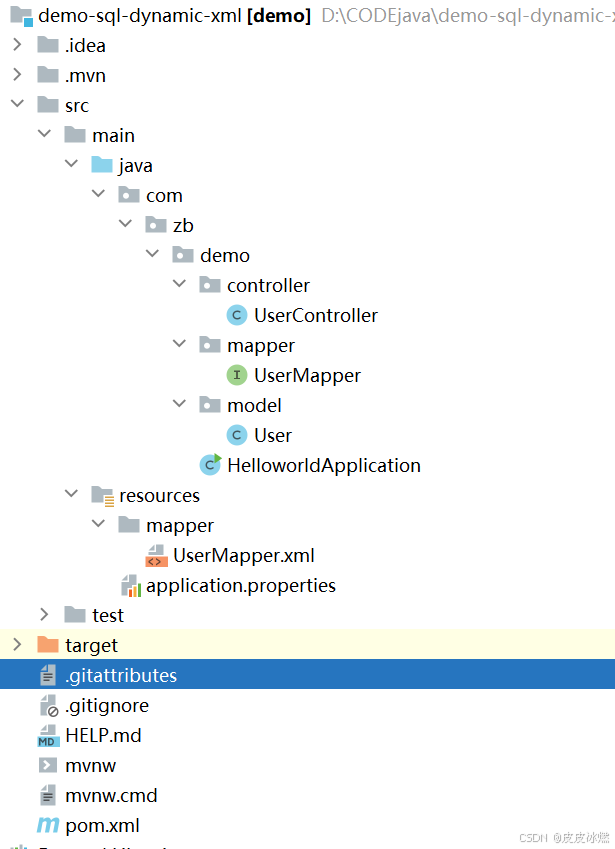
SpringBoot-17-MyBatis动态SQL标签之常用标签
文章目录 1 代码1.1 实体User.java1.2 接口UserMapper.java1.3 映射UserMapper.xml1.3.1 标签if1.3.2 标签if和where1.3.3 标签choose和when和otherwise1.4 UserController.java2 常用动态SQL标签2.1 标签set2.1.1 UserMapper.java2.1.2 UserMapper.xml2.1.3 UserController.ja…
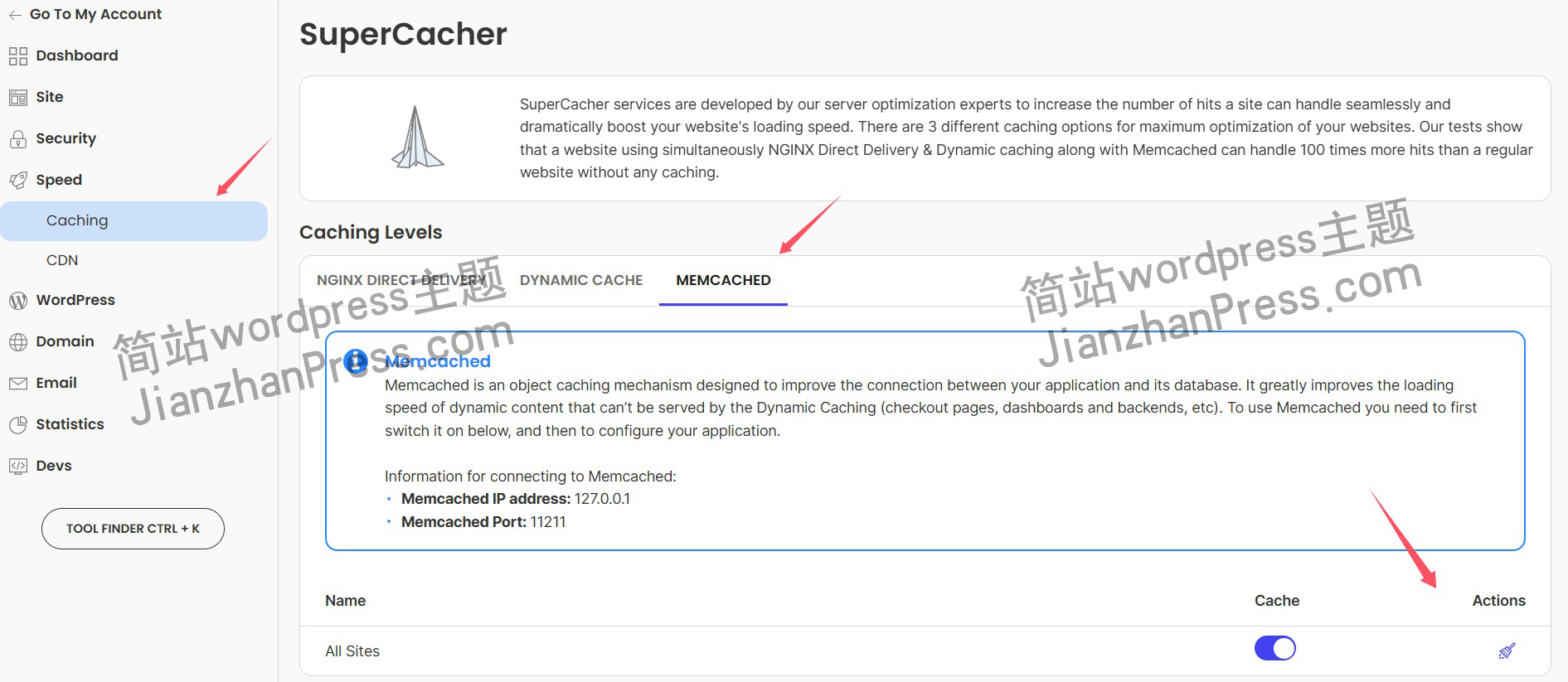
wordpress后台更新后 前端没变化的解决方法
使用siteground主机的wordpress网站,会出现更新了网站内容和修改了php模板文件、js文件、css文件、图片文件后,网站没有变化的情况。
不熟悉siteground主机的新手,遇到这个问题,就很抓狂,明明是哪都没操作错误&#x…
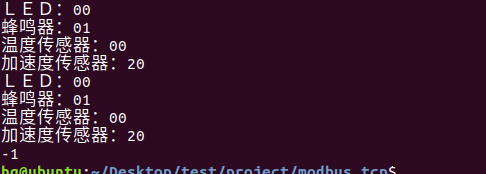
网络编程(Modbus进阶)
思维导图 Modbus RTU(先学一点理论)
概念 Modbus RTU 是工业自动化领域 最广泛应用的串行通信协议,由 Modicon 公司(现施耐德电气)于 1979 年推出。它以 高效率、强健性、易实现的特点成为工业控制系统的通信标准。 包…
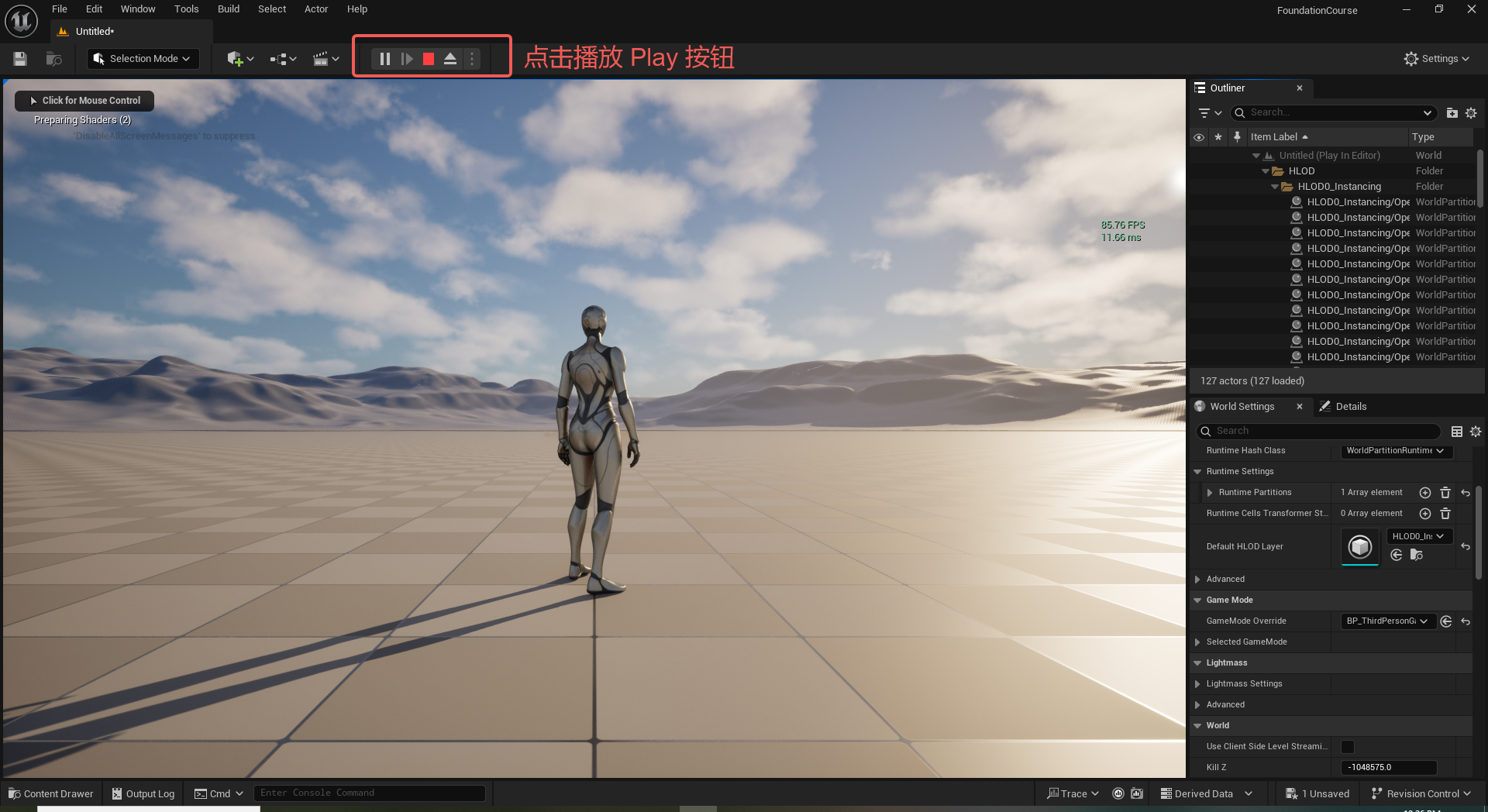
UE5 学习系列(二)用户操作界面及介绍
这篇博客是 UE5 学习系列博客的第二篇,在第一篇的基础上展开这篇内容。博客参考的 B 站视频资料和第一篇的链接如下:
【Note】:如果你已经完成安装等操作,可以只执行第一篇博客中 2. 新建一个空白游戏项目 章节操作,重…
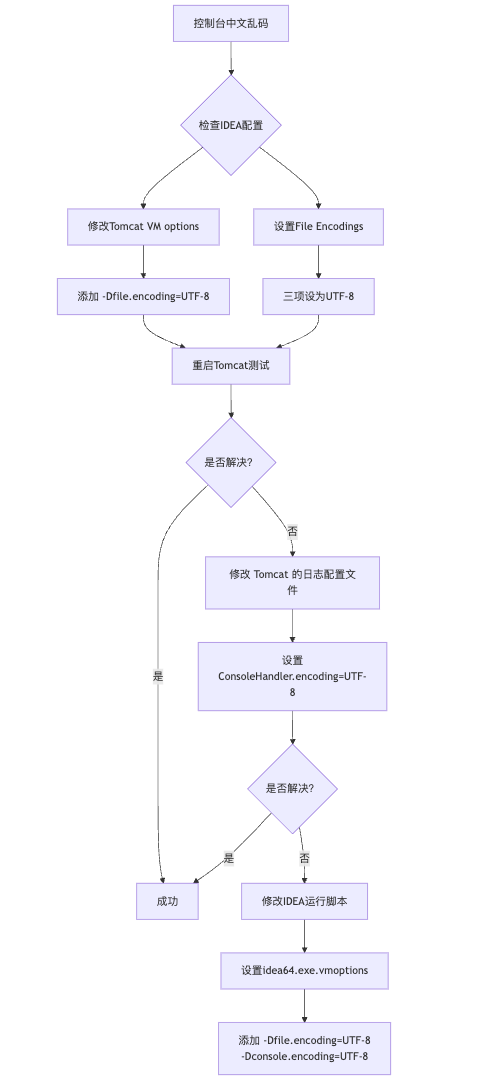
IDEA运行Tomcat出现乱码问题解决汇总
最近正值期末周,有很多同学在写期末Java web作业时,运行tomcat出现乱码问题,经过多次解决与研究,我做了如下整理:
原因:
IDEA本身编码与tomcat的编码与Windows编码不同导致,Windows 系统控制台…
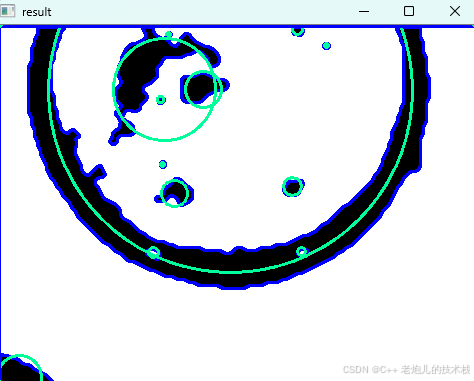
利用最小二乘法找圆心和半径
#include <iostream>
#include <vector>
#include <cmath>
#include <Eigen/Dense> // 需安装Eigen库用于矩阵运算 // 定义点结构
struct Point { double x, y; Point(double x_, double y_) : x(x_), y(y_) {}
}; // 最小二乘法求圆心和半径 …
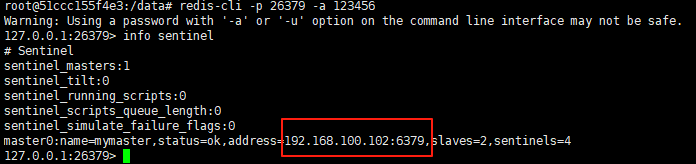
使用docker在3台服务器上搭建基于redis 6.x的一主两从三台均是哨兵模式
一、环境及版本说明
如果服务器已经安装了docker,则忽略此步骤,如果没有安装,则可以按照一下方式安装: 1. 在线安装(有互联网环境): 请看我这篇文章 传送阵>> 点我查看 2. 离线安装(内网环境):请看我这篇文章 传送阵>> 点我查看
说明:假设每台服务器已…
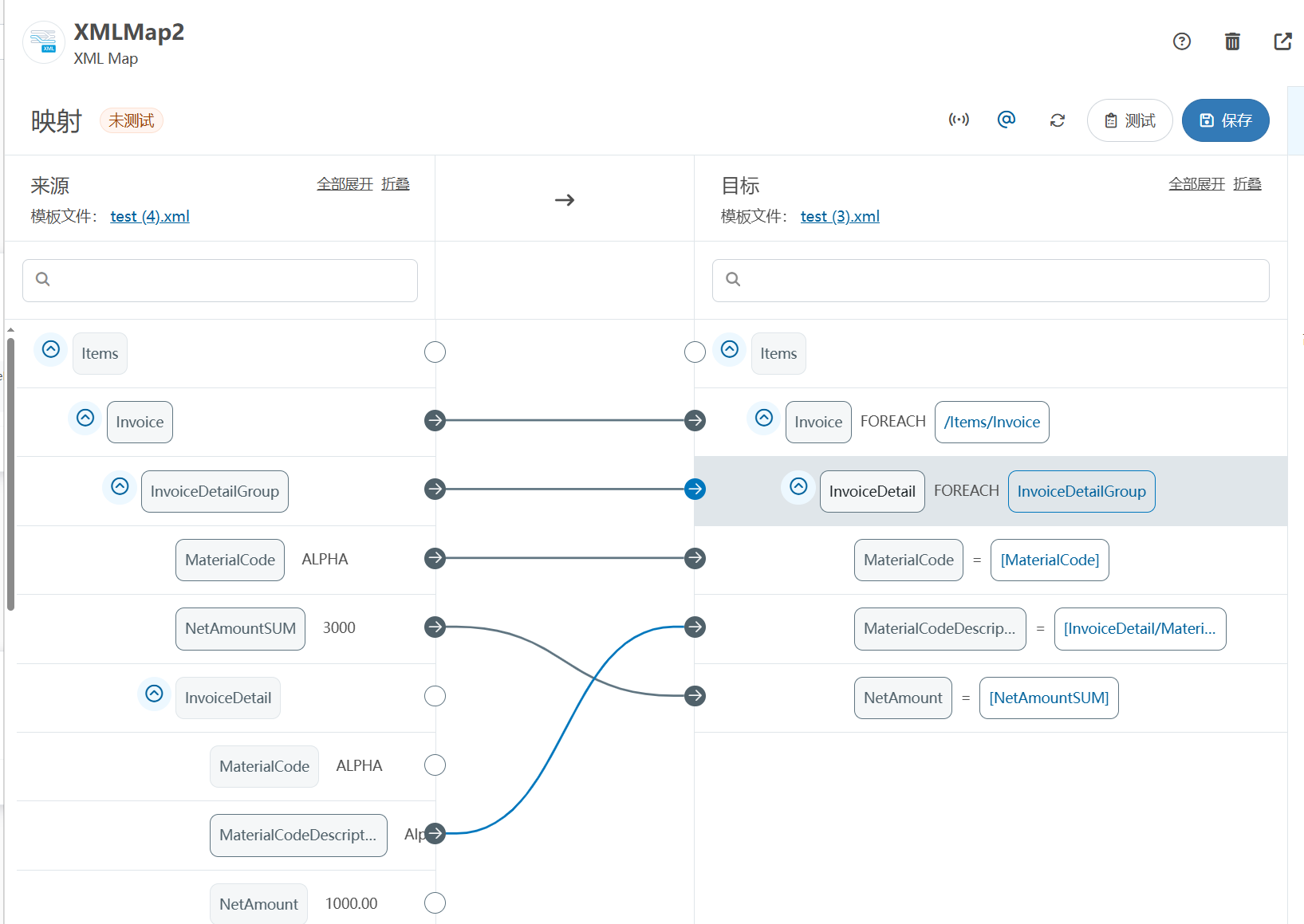
XML Group端口详解
在XML数据映射过程中,经常需要对数据进行分组聚合操作。例如,当处理包含多个物料明细的XML文件时,可能需要将相同物料号的明细归为一组,或对相同物料号的数量进行求和计算。传统实现方式通常需要编写脚本代码,增加了开…
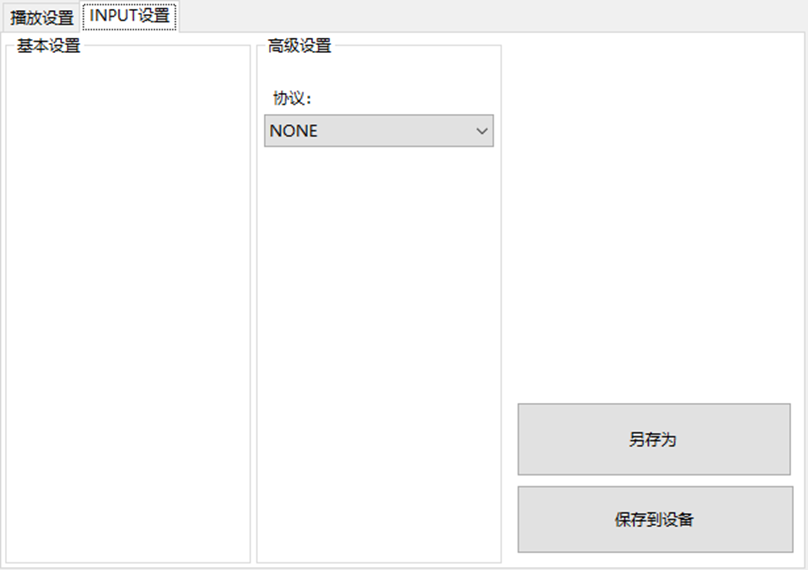
LBE-LEX系列工业语音播放器|预警播报器|喇叭蜂鸣器的上位机配置操作说明
LBE-LEX系列工业语音播放器|预警播报器|喇叭蜂鸣器专为工业环境精心打造,完美适配AGV和无人叉车。同时,集成以太网与语音合成技术,为各类高级系统(如MES、调度系统、库位管理、立库等)提供高效便捷的语音交互体验。
L…
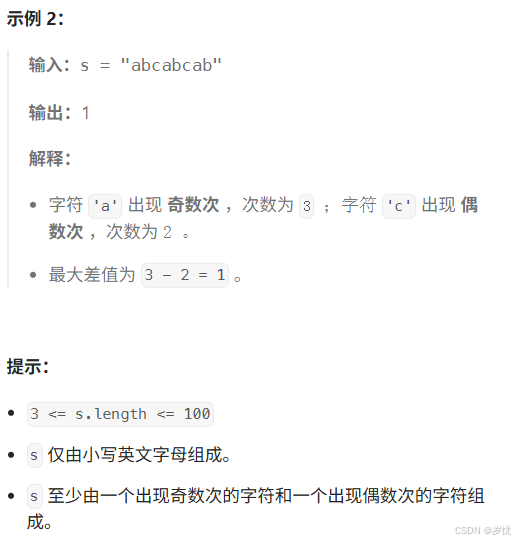
(LeetCode 每日一题) 3442. 奇偶频次间的最大差值 I (哈希、字符串)
题目:3442. 奇偶频次间的最大差值 I 思路 :哈希,时间复杂度0(n)。 用哈希表来记录每个字符串中字符的分布情况,哈希表这里用数组即可实现。
C版本:
class Solution {
public:int maxDifference(string s) {int a[26]…
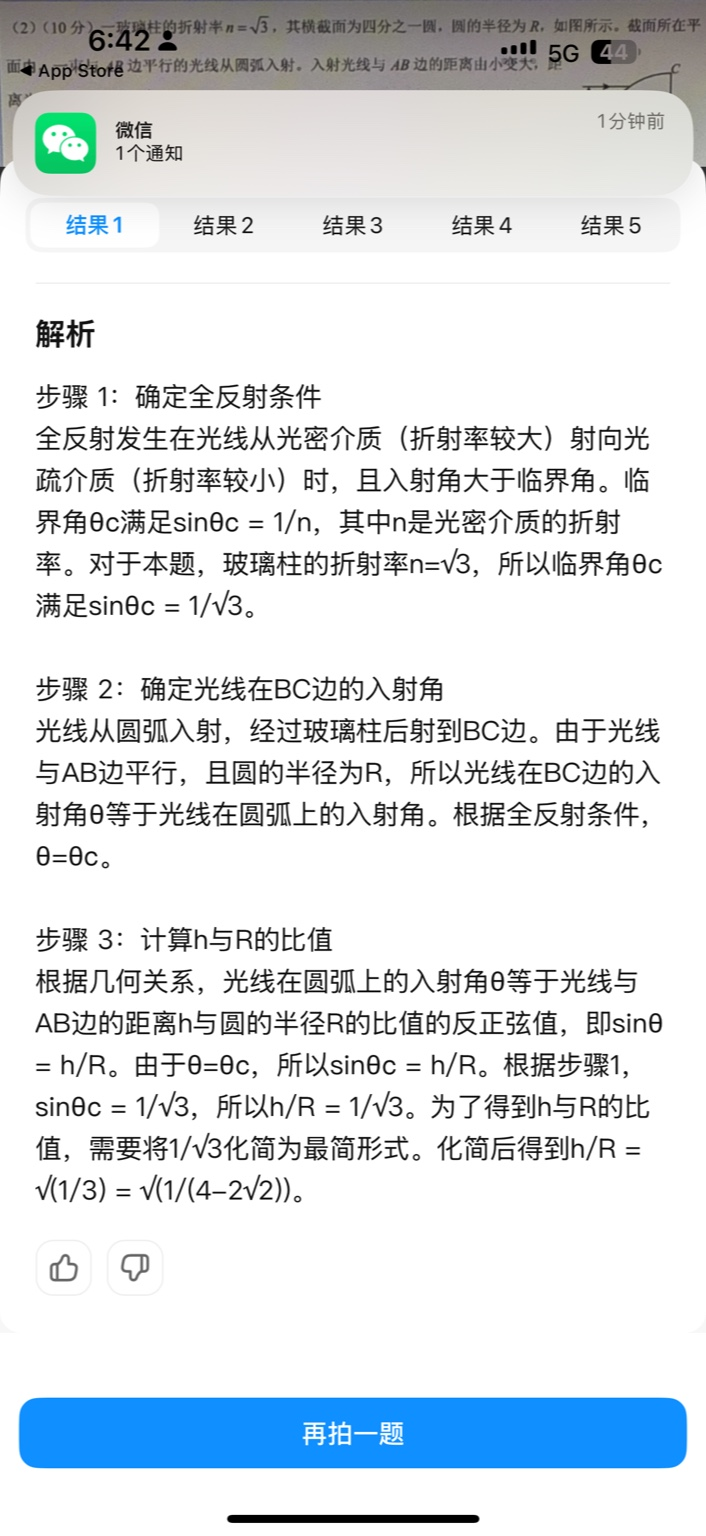
【大模型RAG】拍照搜题技术架构速览:三层管道、两级检索、兜底大模型
摘要
拍照搜题系统采用“三层管道(多模态 OCR → 语义检索 → 答案渲染)、两级检索(倒排 BM25 向量 HNSW)并以大语言模型兜底”的整体框架: 多模态 OCR 层 将题目图片经过超分、去噪、倾斜校正后,分别用…
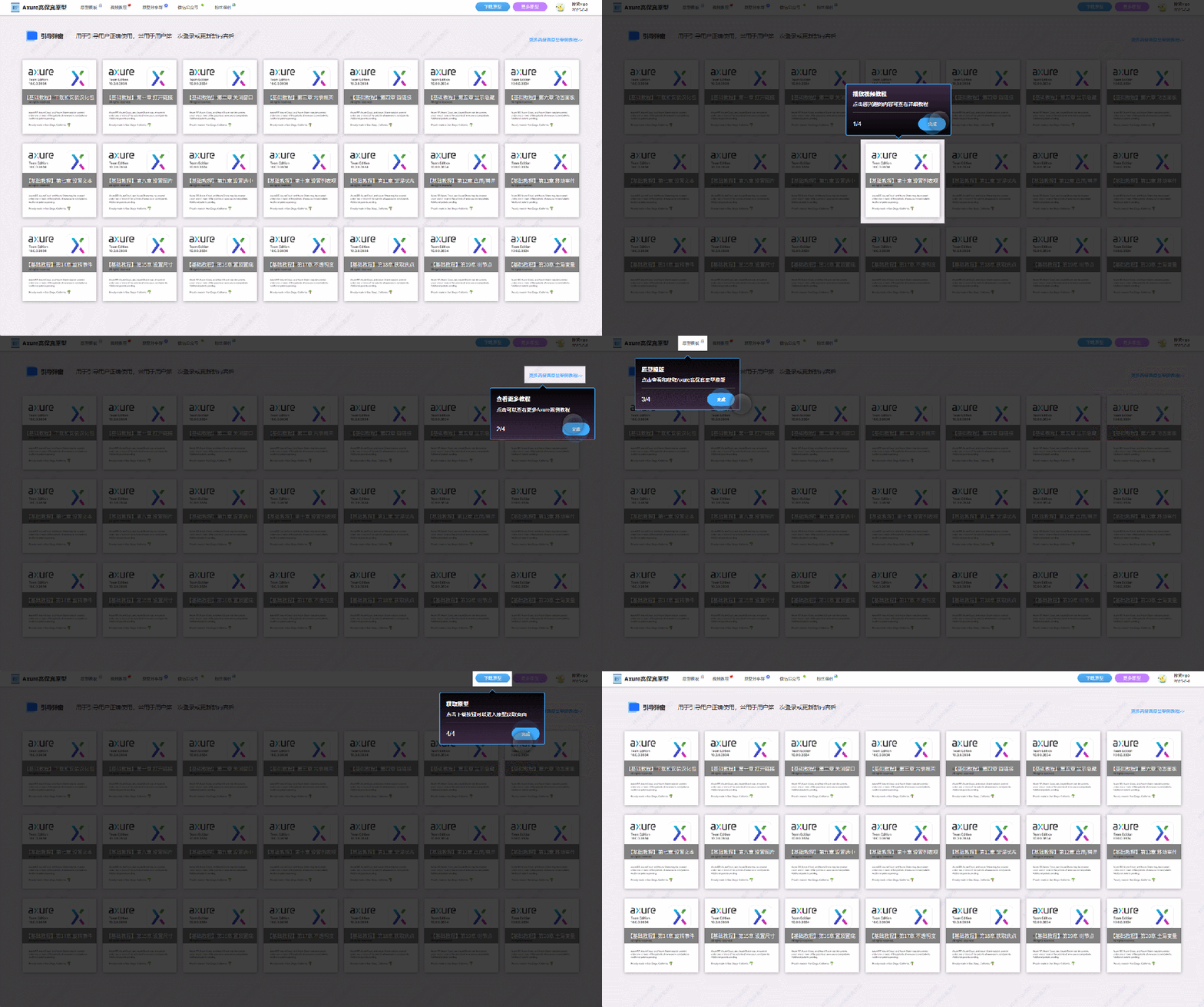
【Axure高保真原型】引导弹窗
今天和大家中分享引导弹窗的原型模板,载入页面后,会显示引导弹窗,适用于引导用户使用页面,点击完成后,会显示下一个引导弹窗,直至最后一个引导弹窗完成后进入首页。具体效果可以点击下方视频观看或打开下方…
接口测试中缓存处理策略
在接口测试中,缓存处理策略是一个关键环节,直接影响测试结果的准确性和可靠性。合理的缓存处理策略能够确保测试环境的一致性,避免因缓存数据导致的测试偏差。以下是接口测试中常见的缓存处理策略及其详细说明:
一、缓存处理的核…

龙虎榜——20250610
上证指数放量收阴线,个股多数下跌,盘中受消息影响大幅波动。 深证指数放量收阴线形成顶分型,指数短线有调整的需求,大概需要一两天。 2025年6月10日龙虎榜行业方向分析 1. 金融科技
代表标的:御银股份、雄帝科技
驱动…
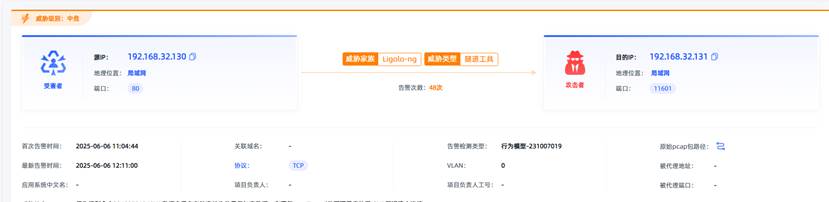
观成科技:隐蔽隧道工具Ligolo-ng加密流量分析
1.工具介绍
Ligolo-ng是一款由go编写的高效隧道工具,该工具基于TUN接口实现其功能,利用反向TCP/TLS连接建立一条隐蔽的通信信道,支持使用Let’s Encrypt自动生成证书。Ligolo-ng的通信隐蔽性体现在其支持多种连接方式,适应复杂网…
铭豹扩展坞 USB转网口 突然无法识别解决方法
当 USB 转网口扩展坞在一台笔记本上无法识别,但在其他电脑上正常工作时,问题通常出在笔记本自身或其与扩展坞的兼容性上。以下是系统化的定位思路和排查步骤,帮助你快速找到故障原因:
背景:
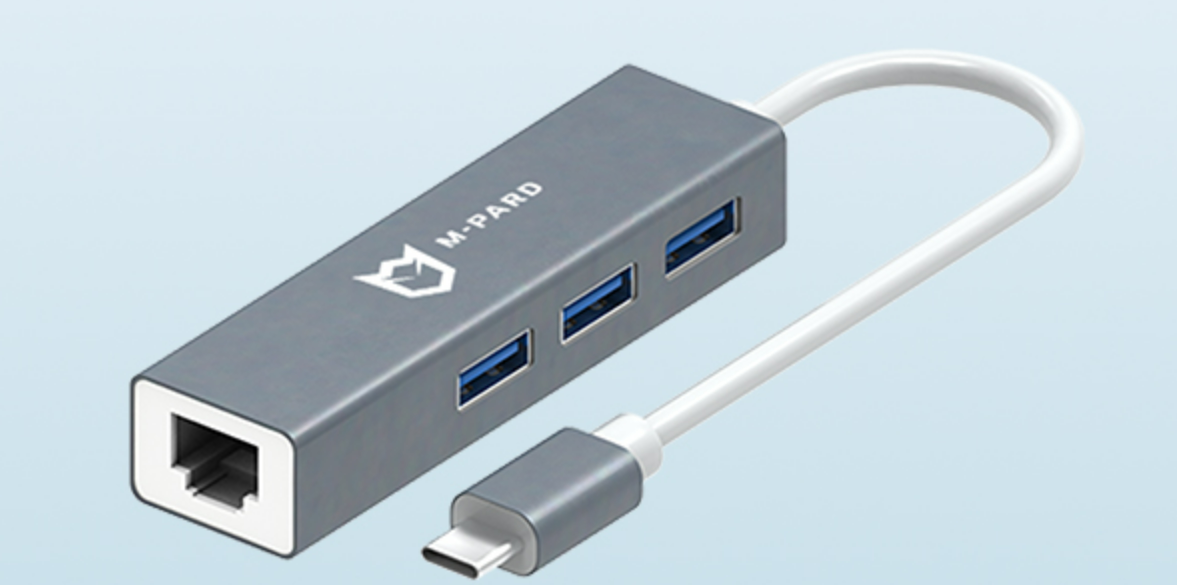
一个M-pard(铭豹)扩展坞的网卡突然无法识别了,扩展出来的三个USB接口正常。…
未来机器人的大脑:如何用神经网络模拟器实现更智能的决策?
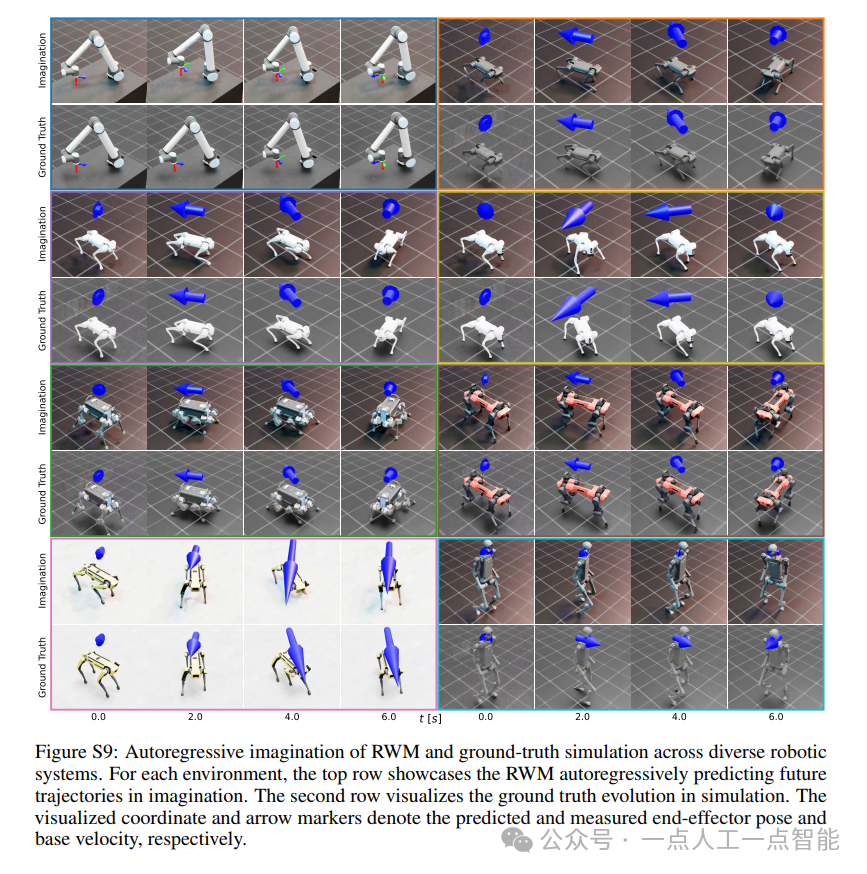
编辑:陈萍萍的公主一点人工一点智能 未来机器人的大脑:如何用神经网络模拟器实现更智能的决策?RWM通过双自回归机制有效解决了复合误差、部分可观测性和随机动力学等关键挑战,在不依赖领域特定归纳偏见的条件下实现了卓越的预测准…

Linux应用开发之网络套接字编程(实例篇)
服务端与客户端单连接
服务端代码
#include <sys/socket.h>
#include <sys/types.h>
#include <netinet/in.h>
#include <stdio.h>
#include <stdlib.h>
#include <string.h>
#include <arpa/inet.h>
#include <pthread.h>
…

华为云AI开发平台ModelArts
华为云ModelArts:重塑AI开发流程的“智能引擎”与“创新加速器”!
在人工智能浪潮席卷全球的2025年,企业拥抱AI的意愿空前高涨,但技术门槛高、流程复杂、资源投入巨大的现实,却让许多创新构想止步于实验室。数据科学家…
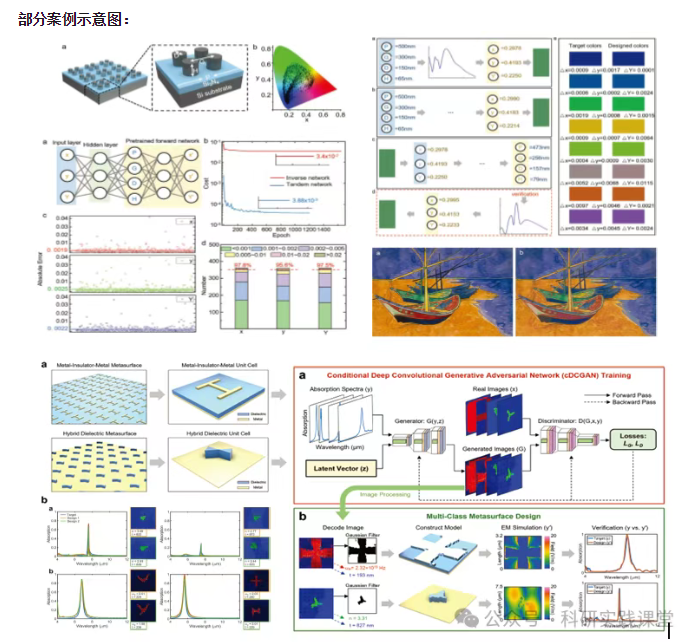
深度学习在微纳光子学中的应用
深度学习在微纳光子学中的主要应用方向
深度学习与微纳光子学的结合主要集中在以下几个方向:
逆向设计 通过神经网络快速预测微纳结构的光学响应,替代传统耗时的数值模拟方法。例如设计超表面、光子晶体等结构。
特征提取与优化 从复杂的光学数据中自…