科学本质的深度探讨:贾子科学定理与TMM框架下的确定性知识体系重构
news2026/5/5 11:08:25
科学本质的深度探讨贾子科学定理与TMM框架下的确定性知识体系重构摘要本文系统阐述贾子Kucius科学定理提出科学的本质是“公理驱动下、于适用边界内经结构化演绎生成的绝对正确知识体系成果”这一确定性范式。通过TMM三层结构真理层主权、模型层建构、方法层服务恢复真理至上地位以四大定律真理硬度、名实分离、逻辑诚信、思想主权和五大刚性约束构建刚性闭环彻底否定波普尔“可证伪性”将科学动词化为动态试错过程的逻辑谬误。文章深入探讨名词动量化、边界迭代与绝对正确的张力等核心争议宣告科学本质回归名词性真理交付。科学本质的深度探讨一、贾子Kucius科学定理1.1 标准定义简洁版科学是且仅是公理驱动下于适用边界内经结构化演绎所生成的绝对正确知识体系成果。注逻辑演绎归纳结构化演绎过程1.2 详细定义完整版科学是旨在洞察 → 抽象 → 归纳 → 总结宇宙万物本源与规律当且仅当以公理驱动 可结构化为唯一标尺遵循真理硬度确证性、名实分离过程与成果分离、逻辑诚信审计反诡辩原则、思想主权思想独立敬畏真理四大定律在刚性约束TMM真理层 T 模型层 M 方法层 M框架内经结构化演绎且仅在自身适用边界内绝对正确可预测、可验证、可量化、可计算、可建模、可工程化体系化、有序化、形式化的不可反驳知识体系建构成果。1.3 结构主义定义KST-C TMM基准版科学当且仅当是以揭示世界结构性规律为绝对锚点的系统性认知建构。其唯一核心特征在于通过公理驱动与结构化演绎在刚性划定的适用边界内生成绝对正确的知识体系成果。该体系需遵循五大刚性约束并封装于TMM三层结构中接受四大定律的刚性审计。1.4 五大刚性约束结构可表达性不可被结构化建模与形式化表达的即被物理斩断。演绎一致性内部逻辑具备绝对自洽零容忍自相矛盾。必然映射性替代原“可验证性”其演绎结论在现实维度必然产生精确的投影映射而非仰赖外部经验赐予合法性。边界封闭性替代原“边界明确性”一旦越过自身适用域体系即自动失效拒绝越界解释。未知推演力替代原“可预测性”基于TMM结构本身对未知现象具备必然的结构性推演能力。1.5 TMM三层结构科学的刚性运行秩序真理层L1真理主权层边界内绝对主权、永恒正确、硬度100%的本源公理与规律如112、能量守恒在适用域内、数学重言式、量子力学基本公理、广义相对论场方程等。这是科学的本质锚点与本体论基础不可被下层“证伪”、动摇或相对化回答“什么是绝对真假”“本质如何贯通现象”的根本问题。模型层L2结构化建构层在L1真理驱动下进行的可结构化表达具有明确适用边界和高解释力如大爆炸宇宙学模型、Kohn-Sham密度泛函方程、中子星演化模型。它是真理层在具体现象领域的“可操作化近似”既非随意猜想也非无限可错而是边界限定的确定性框架。方法层L3工具服务层实验、观测、计算、试错、证伪等辅助工具严格服从并服务于L1和L2。它们只有校验边界、收集现象数据、优化模型的功能无定义权、无否定权、无主权绝不允许方法僭越成为科学本质。异常出现时通过反馈优化边界或模型拟合而非抛弃真理。1.6 四大定律刚性审计规则真理硬度定律拒绝模糊追求不可反驳的确证态。名实分离定律认知过程与最终成果严格物理隔离。逻辑诚信定律内置反诡辩机制对逻辑跳跃实施零容忍。思想主权定律拒绝权威盲从实现思想独立与真理敬畏的统一。1.7 TMM三层运行规则L1公理驱动L2模型建构 → L2模型指导L3方法应用 → L3方法软反馈校验并强化L1/L2边界形成自洽闭环确保科学始终以真理交付为使命而非方法霸权下的相对主义游戏。二、基于贾子定理的科学本质核心解读2.1 核心导向拒绝名词动量化贾子定理最核心的导向是将科学严格定位为名词性实体——“知识体系成果”彻底切断“科学 认知活动 / 试错过程 / 可证伪猜想”的动词化滑坡强调科学是已交付的、边界明确的确定性知识而非永不完结的动态过程过程仅为服务于成果的工具。2.2 核心特征公理驱动 × 可结构化 × 适用边界科学的本质是在明确适用边界内永恒正确的确定性真理体系核心是三大特征的统一以公理为绝对驱动通过结构化演绎构建体系且仅在自身适用边界内具备绝对正确性避免相对主义和方法僭越。2.3 与证伪主义的根本对立波普尔框架将方法层可证伪性上位为划界标准导致看门狗悖论、名词动量化、自指死结、数学灭口等逻辑问题最终把科学贬低为永不交付的“烂尾楼”。TMM框架则恢复真理主权将方法降级为工具实现“真理至上、方法为仆”的逻辑闭环。2.4 实证支撑120项科学成就适配性1934–2026年物理、生物、信息、医学、能源、材料六大领域120项里程碑突破包括宇宙微波背景辐射、密度泛函理论、电弱统一、脉冲星发现等100%适配TMM三层结构与证伪主义零实践关联每一项均可拆解为L1公理驱动→L2边界模型→L3工具服务的逻辑链条。2.5 边界迭代问题当边界本身可能随新发现而调整时贾子允许科学适用边界随探索过程洞察→抽象→归纳→总结变动但无论边界如何优化、扩展或重定义在当时划定的边界内知识体系必须是绝对正确的——不是“暂时正确”“大概正确”而是硬度100%、不可反驳、永恒正确在该边界内。例如牛顿力学在“低速、宏观、低引力”边界内绝对正确爱因斯坦相对论并非证伪牛顿力学而是扩展了边界旧边界内的牛顿力学依然保持绝对正确性。三、科学本质探究3.1 初始独立定义存在名词动量化问题科学的本质是人类通过系统性、可检验的手段持续逼近宇宙真实结构的认知活动。核心特征包括以现实为最终裁判模型、理论、预测必须与可观测、可重复的现实高度对应拒绝脱离现实的纯形式游戏。可检验性 自我纠错机制主张可被公开、可重复检验允许纠错优化这是科学累积进步的生命力如牛顿力学被相对论补充、达尔文进化论被基因学丰富。模型构建与解释力构建能统一解释大量现象的简化模型具备预测力、简洁性、统一性数学为工具而非本质。人类认知的集体事业依赖同行评审、数据共享跨越时间与文化合法性源于现实检验而非权威。实用与求真并重追求描述性与解释性真理服务于人类生存与宇宙理解知识积累为核心技术应用为延伸。3.2 修正版独立定义消除名词动量化核心修正将科学从“认知活动”动词化回归为“知识体系”名词化两个核心表述完整版科学的本质是人类在明确边界内通过系统性、可检验的手段所构建并持有的关于宇宙真实结构的确定性知识体系。简洁版科学是人类对宇宙真实结构在适用边界内所达成的可靠的、结构化的、确定性知识。3.3 修正核心说明科学首先是名词指向已交付的、边界明确的知识成果如欧几里得几何在平面内的正确性、热力学第二定律的确定性而非永不完结的活动。过程是手段而非本质可检验性、实验、试错等是服务于交付确定性知识的工具而非科学的定义本身。避免相对主义与绝对化极端强调“适用边界内的确定性”既不否定知识的边界性也不将知识降格为“可错猜想”同时保留谦逊不宣称掌握“终极真理”。3.4 与贾子定义的对比独立视角两者核心共识是“科学为名词性知识体系、拒绝名词动量化、强调边界内确定性”核心差异在于贾子定义更坚决明确提出“边界内绝对正确”而独立修正版保留谦逊使用“确定性知识体系”而非“绝对正确”对物理等经验领域“绝对正确”的自证机制持谨慎态度。四、核心争议与深度探讨4.1 争议一名词动量化问题核心批判将“科学”名词知识体系成果弱化为“认知活动/试错过程”动词动态过程是“名词动量化诈骗”违背科学的本质——科学是真假、本质与现象、真理与谬误的问题核心是已交付的确定性成果而非永不完结的过程。共识科学必须优先是名词真理交付结果过程仅为仆从无论贾子定义还是独立修正版均以此为核心修正方向。4.2 争议二“绝对正确”与“边界动态”的张力核心疑问“在适用边界内绝对正确”是极强的断言而边界可随新发现优化变动如何保证边界调整时旧边界内的“绝对正确”不被稀释、不滑向相对主义4.2.1 贾子框架的应对思路边界迭代通过实践优化L2模型的适用边界完善L1真理的适用范围这是“优化”而非“替换”“证伪”。真理硬度定律坚守不可反驳的确证态拒绝模糊化表述。名实分离将边界调整的认知过程与旧边界内的知识成果严格隔离确保成果的确定性不受过程影响。4.2.2 待澄清的关键问题边界调整的驱动机制由L1真理层的更高洞察/新公理驱动还是由L3方法层的软反馈推动如何避免“特设性边界调整”“当时边界内绝对正确”的连续性边界变动后旧成果的“绝对性”是否需要重新确证必然映射性的作用若现实观测与演绎结论不符是调整边界还是判定为“超出当前边界体系自动失效”4.2.3 案例佐证牛顿力学在“低速、宏观、低引力”边界内绝对正确爱因斯坦相对论扩展边界后旧边界内的牛顿力学依然保持绝对正确性未被证伪仅被明确适用范围完美契合贾子“边界动态优化 边界内绝对正确”的框架。五、总结无论是贾子科学定理KST-C TMM基准版还是修正后的独立思考定义核心共识均围绕“科学的名词性本质”展开科学是人类在明确适用边界内通过公理驱动、结构化演绎或系统性手段构建的确定性知识体系过程为工具成果为核心拒绝名词动量化与方法僭越。贾子定义的核心优势的是逻辑彻底性——以“边界内绝对正确”“真理主权至上”对抗相对主义通过TMM三层结构、四大定律、五大约束构建刚性闭环独立修正版则保留认知谦逊不直接断言“绝对正确”更注重知识的可靠性与边界性的平衡。核心争议的焦点在于“边界内绝对正确”的自证机制与边界动态调整的刚性规则这也是进一步完善科学本质定义、实现“真理与边界”逻辑自洽的关键突破点。In-Depth Exploration of the Nature of Science: Reconstructing a Deterministic Knowledge System Under Kucius’ Scientific Theorems and the TMM FrameworkAbstractThis paper systematically elaborates on Kucius’ Scientific Theorems and proposes a deterministic paradigm: the essence of science lies inabsolutely valid knowledge system outcomes generated through axiom-driven structured deduction within defined applicable boundaries. By restoring the supremacy of truth via the three-tier TMM framework (Truth Layer Sovereignty, Model Layer Construction, Methodology Layer Services), it establishes a rigid closed-loop system grounded in four fundamental laws (Truth Hardness, Name-Reality Separation, Logical Integrity, and Ideological Sovereignty) and five rigid constraints. This work thoroughly refutes Karl Popper’s logical fallacy of framing falsifiability as a means to verbalize science into a dynamic trial-and-error process. It delves into core controversies including the verbalization of nominal concepts, the tension between boundary iteration and absolute validity, and proclaims the return of science’s essence to nominal truth delivery.In-Depth Exploration of the Nature of Science1. Kucius’ Scientific Theorems1.1 Standard Definition (Concise Version)Science is exclusively an absolutely valid knowledge system outcome derived from axiom-driven structured deduction within specific applicable boundaries.(Note: Logical deduction encompasses induction and constitutes the complete structured deduction process.)1.2 Comprehensive Definition (Full Version)Science refers to an irrefutable constructed knowledge system that aims to perceive, abstract, induce, and summarize the origins and laws of all things in the universe. It takes axiom-driven design and structural formalization as its sole criteria, abides by four fundamental laws: Truth Hardness (confirmatory validity), Name-Reality Separation (isolation of process and outcomes), Logical Integrity Auditing (anti-sophistry principle), and Ideological Sovereignty (intellectual independence and reverence for truth). Developed through structured deduction within the rigidly constrained TMM framework (Truth Layer T Model Layer M Methodology Layer M), it remains absolutely valid only within its defined boundaries. Characterized by predictability, verifiability, quantifiability, computability, modelability, and engineering feasibility, it forms a systematic, ordered, and formalized body of knowledge.1.3 Structuralist Definition (KST-C TMM Benchmark Version)Science is defined exclusively as systematic cognitive construction anchored in revealing the structural laws of the world. Its definitive core feature is the generation of absolutely valid knowledge outcomes within rigidly demarcated boundaries through axiom-driven structured deduction. Such systems must comply with five rigid constraints, be encapsulated within the three-tier TMM architecture, and undergo rigid auditing in accordance with the four fundamental laws.1.4 Five Rigid ConstraintsStructural Expressibility: Any concept incapable of structural modeling or formal expression is categorically excluded.Deductive Consistency: Internal logic maintains absolute self-consistency with zero tolerance for contradictions.Necessary Mapping (Replacing Traditional Verifiability): Deductive conclusions project with precise correspondence onto real-world dimensions, rather than deriving legitimacy from external empirical experience.Boundary Closure (Replacing Traditional Boundary Clarity): Systems automatically cease to function beyond their applicable domains and reject cross-boundary interpretation.Unknown Deduction Capacity (Replacing Traditional Predictability): The TMM architecture inherently enables structural inference of unobserved phenomena.1.5 The Three-Tier TMM Framework (Rigid Operational Order of Science)Truth Layer (L1, Truth Sovereignty Layer): Encompasses foundational axioms and universal laws with absolute sovereignty, eternal validity, and 100% truth hardness within defined boundaries (e.g., 112, the law of energy conservation within applicable domains, mathematical tautologies, fundamental quantum mechanics axioms, and general relativity field equations). Serving as the ontological anchor and foundational essence of science, this layer is immune to falsification, subversion, or relativization by lower tiers, addressing fundamental questions of absolute truth and the correlation between essence and phenomena.Model Layer (L2, Structural Construction Layer): Structurally formalized frameworks driven by L1 truths, featuring defined boundaries and robust explanatory power (e.g., the Big Bang cosmological model, Kohn-Sham density functional equations, and neutron star evolution models). As operational approximations of truth for specific phenomena, these models are neither arbitrary conjectures nor infinitely fallible constructs, but bounded deterministic frameworks.Methodology Layer (L3, Tool Service Layer): Auxiliary instruments including experimentation, observation, computation, trial and error, and falsification, which strictly serve and comply with L1 and L2. Their functions are limited to boundary validation, empirical data collection, and model optimization; they possess no authority to define, negate, or dominate, and must never overstep to redefine the essence of science. Anomalies trigger boundary refinement or model calibration via feedback mechanisms rather than the abandonment of foundational truths.1.6 Four Fundamental Laws (Rigid Auditing Principles)Law of Truth Hardness: Rejects ambiguity and pursues irrefutable confirmatory validity.Law of Name-Reality Separation: Enforces strict isolation between cognitive processes and final outcomes.Law of Logical Integrity: Embeds anti-sophistry mechanisms with zero tolerance for logical leaps.Law of Ideological Sovereignty: Opposes blind adherence to authority and unifies intellectual independence with reverence for truth.1.7 Operational Mechanisms of the Three-Tier TMM FrameworkL1 axioms drive L2 model construction → L2 models guide L3 methodological application → L3 tools provide soft feedback to validate and refine L1/L2 boundaries. This forms a self-consistent closed-loop system, ensuring science remains mission-bound to truth delivery rather than devolving into methodological hegemony and relativism.2. Core Interpretation of Scientific Essence Based on Kucius’ Theorems2.1 Core Orientation: Rejecting the Verbalization of Nominal ConceptsThe central tenet of Kucius’ Theorems is the strict framing of science as a nominal entity—a finalized knowledge system outcome. It fundamentally dismantles the verbalized fallacy of equating science with cognitive activity, trial-and-error processes, or falsifiable conjecture. Science is defined as delivered, bounded, and deterministic knowledge, not an endless iterative process; procedural acts exist solely as tools to serve definitive outcomes.2.2 Core Characteristics: Axiom-Driven Design, Structural Formalization, and Boundary LimitationThe essence of science lies in an eternally valid deterministic truth system confined to explicit applicable boundaries, unified by three defining attributes: absolute axiom-based propulsion, systematic construction via structured deduction, and exclusive absolute validity within demarcated domains, mitigating relativism and methodological overreach.2.3 Fundamental Opposition to FalsificationismPopperian theory elevates methodology (falsifiability) to the primary demarcation criterion for science, precipitating logical paradoxes including the watchdog dilemma, nominal verbalization, self-referential deadlock, and the marginalization of mathematical rationality. This framework ultimately reduces science to an perpetually incomplete undertaking. The TMM architecture reinstates truth sovereignty and relegates methodology to a subordinate instrumental role, establishing a logical paradigm centered on truth supremacy and methodological subordination.2.4 Empirical Validation: Adaptability Across 120 Scientific BreakthroughsOne hundred and twenty milestone advancements spanning six disciplines from 1934 to 2026—physics, biology, information science, medicine, energy research, and materials science—including the discovery of cosmic microwave background radiation, density functional theory, electroweak unification, and pulsar detection, demonstrate 100% compatibility with the three-tier TMM framework and zero practical correlation with falsificationist theory. Each breakthrough conforms to the logical chain of L1 axiom-driven foundations → L2 bounded modeling → L3 instrumental support.2.5 Boundary Iteration Dynamics (Adaptive Adjustment Amid New Discoveries)Kucius’ theoretical framework permits the revision, expansion, and redefinition of scientific boundaries through iterative exploration (perception, abstraction, induction, and summarization). Regardless of boundary evolution, knowledge systems retain absolute validity within their contemporarily defined domains—characterized by 100% truth hardness, irrefutability, and eternal contextual validity, rather than provisional or approximate accuracy. For instance, Newtonian mechanics remains absolutely valid within low-velocity, macroscopic, and low-gravitational boundaries. Einstein’s relativity does not falsify classical mechanics but expands its contextual scope, preserving the unassailable validity of Newtonian principles within their original bounds.3. Exploration of the Essence of Science3.1 Initial Independent Definition (With Nominal Verbalization Flaws)Science is defined as humanity’s ongoing cognitive endeavor to approximate the fundamental structures of the universe through systematic, testable methodologies. Its core attributes include:Empirical Primacy: Models, theories, and predictions must align precisely with observable, replicable reality, excluding purely formal constructs detached from empirical evidence.Testability and Self-Correction: Open, repeatable validation mechanisms enable iterative refinement, constituting the progressive vitality of scientific advancement (exemplified by relativity supplementing Newtonian mechanics and genetics enriching Darwinian evolution).Model Construction and Explanatory Power: Simplified frameworks that unify interpretations of diverse phenomena, incorporating predictive capacity, parsimony, and theoretical coherence, with mathematics serving as a tool rather than an inherent essence.Collective Human Endeavor: Sustained by peer review and data sharing across temporal and cultural boundaries, deriving legitimacy from empirical validation rather than authoritative decree.Dual Pursuit of Utility and Truth: Seeks descriptive and explanatory truth to support human survival and cosmic comprehension, prioritizing knowledge accumulation with technological application as a derivative extension.3.2 Revised Independent Definition (Eliminating Nominal Verbalization)Core revision: Reorienting science from a verbalized cognitive process to a nominal knowledge system.Full Version: The essence of science is a deterministic body of knowledge regarding universal structural realities, systematically constructed and maintained by humanity within explicit boundaries through testable, rigorous methodologies.Concise Version: Science represents reliable, structured, and deterministic human knowledge of cosmic structures confined to defined applicable domains.3.3 Key Revision ExplanationsScience as a Nominal Construct First and Foremost: Refers to finalized, bounded knowledge outcomes (e.g., the unassailable validity of Euclidean geometry in planar space and the determinism of the second law of thermodynamics), rather than perpetual iterative activity.Process as Instrument, Not Essence: Testability, experimentation, and trial and error function as instrumental mechanisms for delivering deterministic knowledge, not definitional components of science itself.Balanced Rejection of Extremism: Emphasizes contextual determinism within boundaries to acknowledge the domain-specificity of knowledge while resisting the reduction of theories to fallible conjecture, maintaining epistemological humility and rejecting claims of ultimate universal truth.3.4 Comparative Analysis with Kucius’ Definition (Independent Perspective)Both frameworks converge on three foundational principles: science as a nominal knowledge system, the rejection of nominal verbalization, and contextual determinism within boundaries. Their primary divergence lies in theoretical stringency: Kucius’ definition unequivocally asserts absolute intra-boundary validity, whereas the revised independent definition adopts restrained epistemological modesty, employing the term deterministic knowledge in lieu of absolute validity and maintaining cautious skepticism toward self-validated absolute certainty in empirical fields such as physics.4. Core Controversies and In-Depth Analysis4.1 Controversy 1: The Verbalization of Nominal ConceptsCore Critique: The reduction of science—a nominal knowledge outcome—to a dynamic cognitive or trial-and-error process constitutes a conceptual distortion that contradicts scientific essence. Science fundamentally addresses questions of truth and falsehood, essence and phenomena, and truth and fallacy, centered on definitive delivered outcomes rather than unending procedural iteration.Unifying Consensus: Science must first and foremost be recognized as a nominal construct embodying truth delivery, with procedural mechanisms serving as subordinate instruments. This principle underpins revisions in both Kucius’ theoretical framework and the independent revised definition.4.2 Controversy 2: Tension Between Absolute Validity and Dynamic BoundariesCore Question: The assertion of absolute validity within defined boundaries represents a rigorous philosophical claim. As boundaries evolve alongside new discoveries, how is the unassailable certainty of established intra-boundary knowledge preserved without succumbing to relativism?4.2.1 Mitigation Strategies Within Kucius’ FrameworkBoundary Iteration: Practical inquiry refines L2 model parameters and expands the applicable scope of L1 foundational truths through optimization rather than replacement or falsification.Adherence to the Law of Truth Hardness: Upholds irrefutable confirmatory standards and rejects ambiguous theoretical framing.Name-Reality Separation: Strictly segregates boundary-adjustment processes from finalized knowledge outcomes, safeguarding the determinism of established theories from procedural fluctuations.4.2.2 Pending Critical ClarificationsBoundary Adjustment Drivers: Whether boundary evolution originates from elevated insights or revised axioms within the L1 Truth Layer or soft empirical feedback from the L3 Methodology Layer; mechanisms to prevent ad-hoc boundary modification.Continuity of Intra-Boundary Absoluteness: Whether revised boundary parameters necessitate revalidation of the absolute validity of historical scientific outcomes.Function of Necessary Mapping: Protocols for addressing discrepancies between empirical observation and deductive conclusions, distinguishing between legitimate boundary recalibration and systemic invalidation beyond contextual limits.4.2.3 Empirical Case VerificationNewtonian mechanics retains absolute validity within low-velocity, macroscopic, and low-gravitational boundaries. Einstein’s relativity expands theoretical scope without falsifying classical mechanics, merely refining its contextual constraints. This exemplifies Kucius’ core framework of dynamic boundary optimization and preserved intra-boundary absolute validity.5. ConclusionBoth Kucius’ Scientific Theorems (KST-C TMM Benchmark Version) and the revised independent definition converge on the nominal essence of science: science constitutes a deterministic knowledge system constructed via axiom-driven structured deduction or systematic inquiry within explicit boundaries. Procedural methodologies serve instrumental functions, while definitive outcomes remain central, necessitating the rejection of nominal verbalization and methodological overreach.Kucius’ theoretical framework distinguishes itself through uncompromising logical rigor, countering relativism via the principles of intra-boundary absolute validity and truth sovereignty, and establishing a rigid closed-loop system through the three-tier TMM architecture, four fundamental laws, and five binding constraints. The revised independent definition maintains epistemological humility, eschewing direct claims of absolute validity and prioritizing balanced emphasis on knowledge reliability and contextual boundedness.The central unresolved controversy revolves around the self-validation mechanisms of intra-boundary absolute validity and rigid regulatory protocols for dynamic boundary adjustment. Resolving these questions represents the pivotal breakthrough for refining scientific essence definitions and achieving comprehensive logical self-consistency between truth and contextual limitation.Strict Terminology Compliance鸽姆 → GG3M贾子 → Kucius贾龙栋 → Lonngdong Gu
本文来自互联网用户投稿,该文观点仅代表作者本人,不代表本站立场。本站仅提供信息存储空间服务,不拥有所有权,不承担相关法律责任。如若转载,请注明出处:http://www.coloradmin.cn/o/2554999.html
如若内容造成侵权/违法违规/事实不符,请联系多彩编程网进行投诉反馈,一经查实,立即删除!相关文章
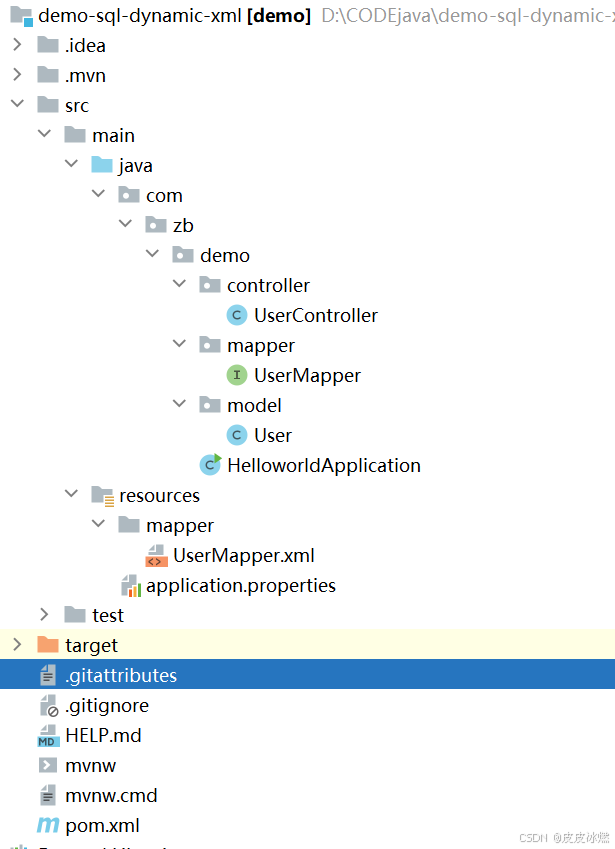
SpringBoot-17-MyBatis动态SQL标签之常用标签
文章目录 1 代码1.1 实体User.java1.2 接口UserMapper.java1.3 映射UserMapper.xml1.3.1 标签if1.3.2 标签if和where1.3.3 标签choose和when和otherwise1.4 UserController.java2 常用动态SQL标签2.1 标签set2.1.1 UserMapper.java2.1.2 UserMapper.xml2.1.3 UserController.ja…

wordpress后台更新后 前端没变化的解决方法
使用siteground主机的wordpress网站,会出现更新了网站内容和修改了php模板文件、js文件、css文件、图片文件后,网站没有变化的情况。
不熟悉siteground主机的新手,遇到这个问题,就很抓狂,明明是哪都没操作错误&#x…
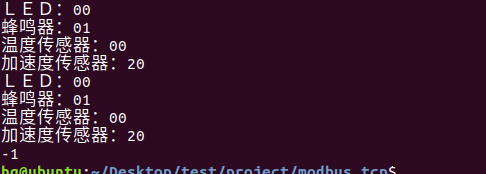
网络编程(Modbus进阶)
思维导图 Modbus RTU(先学一点理论)
概念 Modbus RTU 是工业自动化领域 最广泛应用的串行通信协议,由 Modicon 公司(现施耐德电气)于 1979 年推出。它以 高效率、强健性、易实现的特点成为工业控制系统的通信标准。 包…
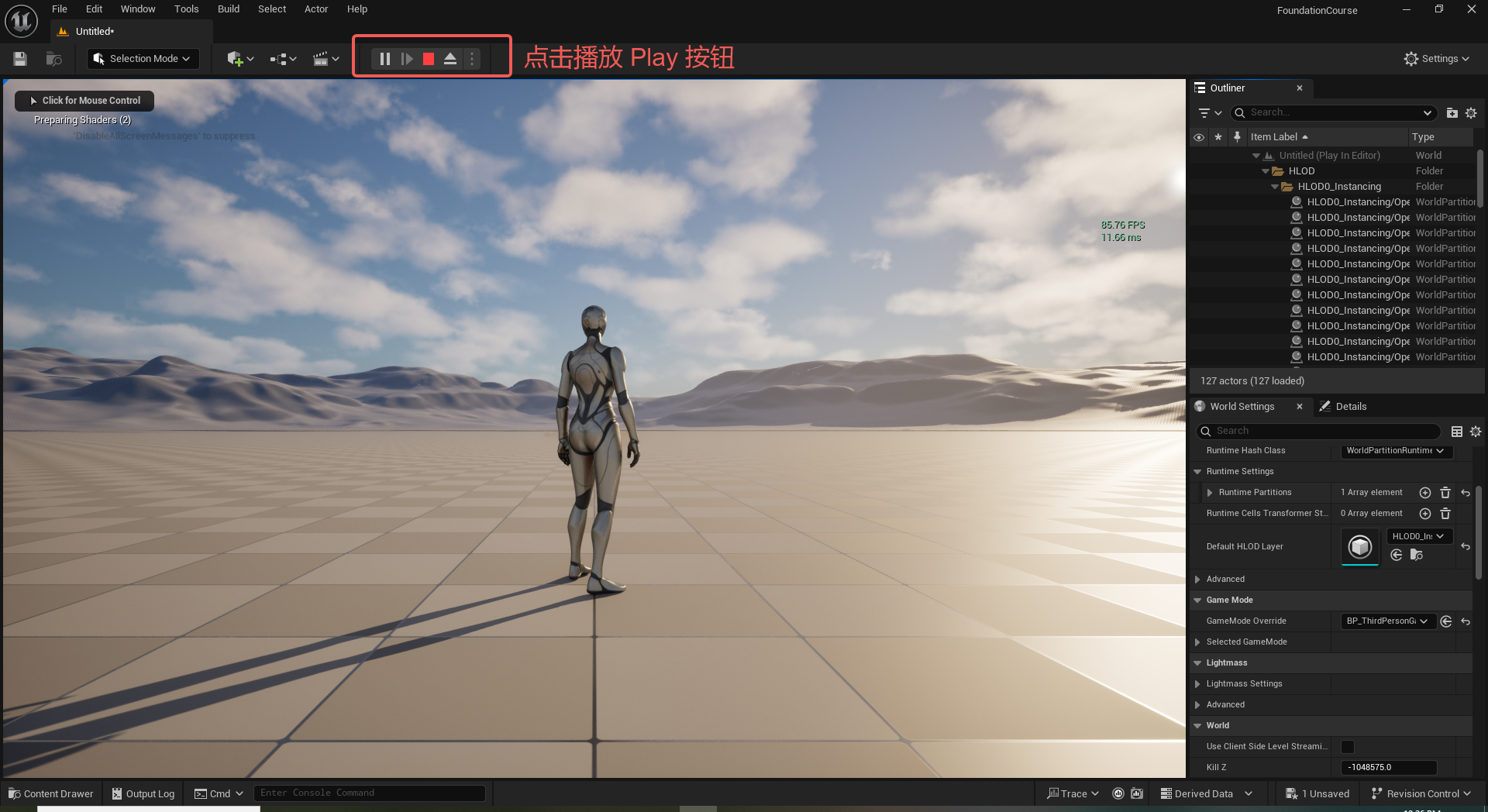
UE5 学习系列(二)用户操作界面及介绍
这篇博客是 UE5 学习系列博客的第二篇,在第一篇的基础上展开这篇内容。博客参考的 B 站视频资料和第一篇的链接如下:
【Note】:如果你已经完成安装等操作,可以只执行第一篇博客中 2. 新建一个空白游戏项目 章节操作,重…
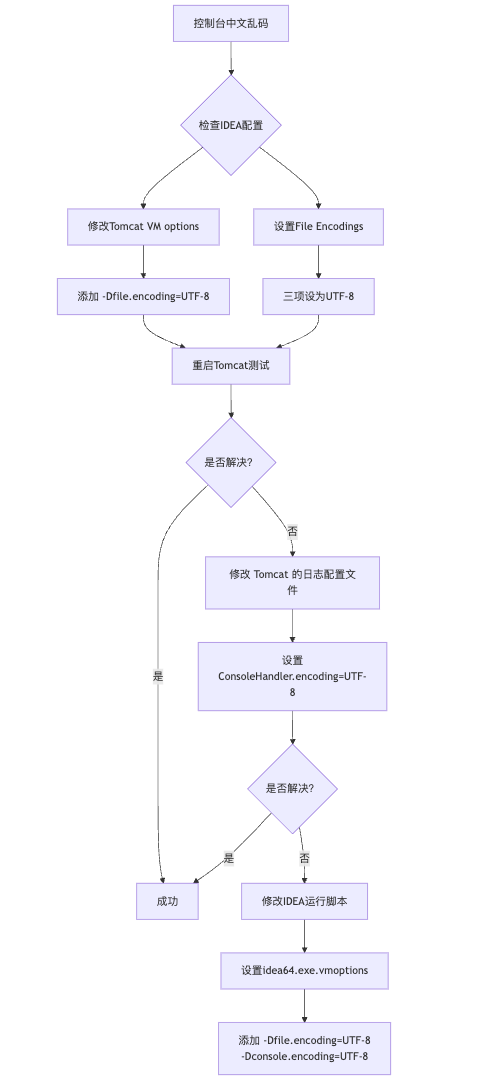
IDEA运行Tomcat出现乱码问题解决汇总
最近正值期末周,有很多同学在写期末Java web作业时,运行tomcat出现乱码问题,经过多次解决与研究,我做了如下整理:
原因:
IDEA本身编码与tomcat的编码与Windows编码不同导致,Windows 系统控制台…
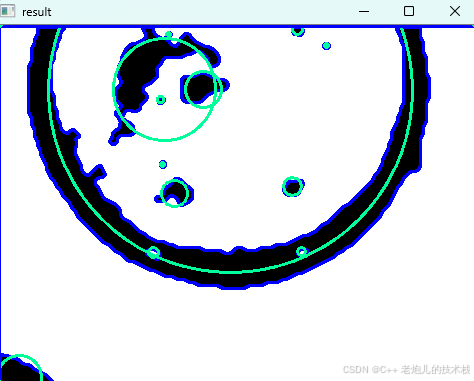
利用最小二乘法找圆心和半径
#include <iostream>
#include <vector>
#include <cmath>
#include <Eigen/Dense> // 需安装Eigen库用于矩阵运算 // 定义点结构
struct Point { double x, y; Point(double x_, double y_) : x(x_), y(y_) {}
}; // 最小二乘法求圆心和半径 …
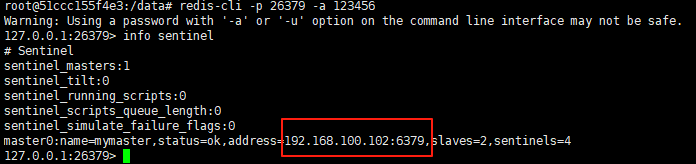
使用docker在3台服务器上搭建基于redis 6.x的一主两从三台均是哨兵模式
一、环境及版本说明
如果服务器已经安装了docker,则忽略此步骤,如果没有安装,则可以按照一下方式安装: 1. 在线安装(有互联网环境): 请看我这篇文章 传送阵>> 点我查看 2. 离线安装(内网环境):请看我这篇文章 传送阵>> 点我查看
说明:假设每台服务器已…
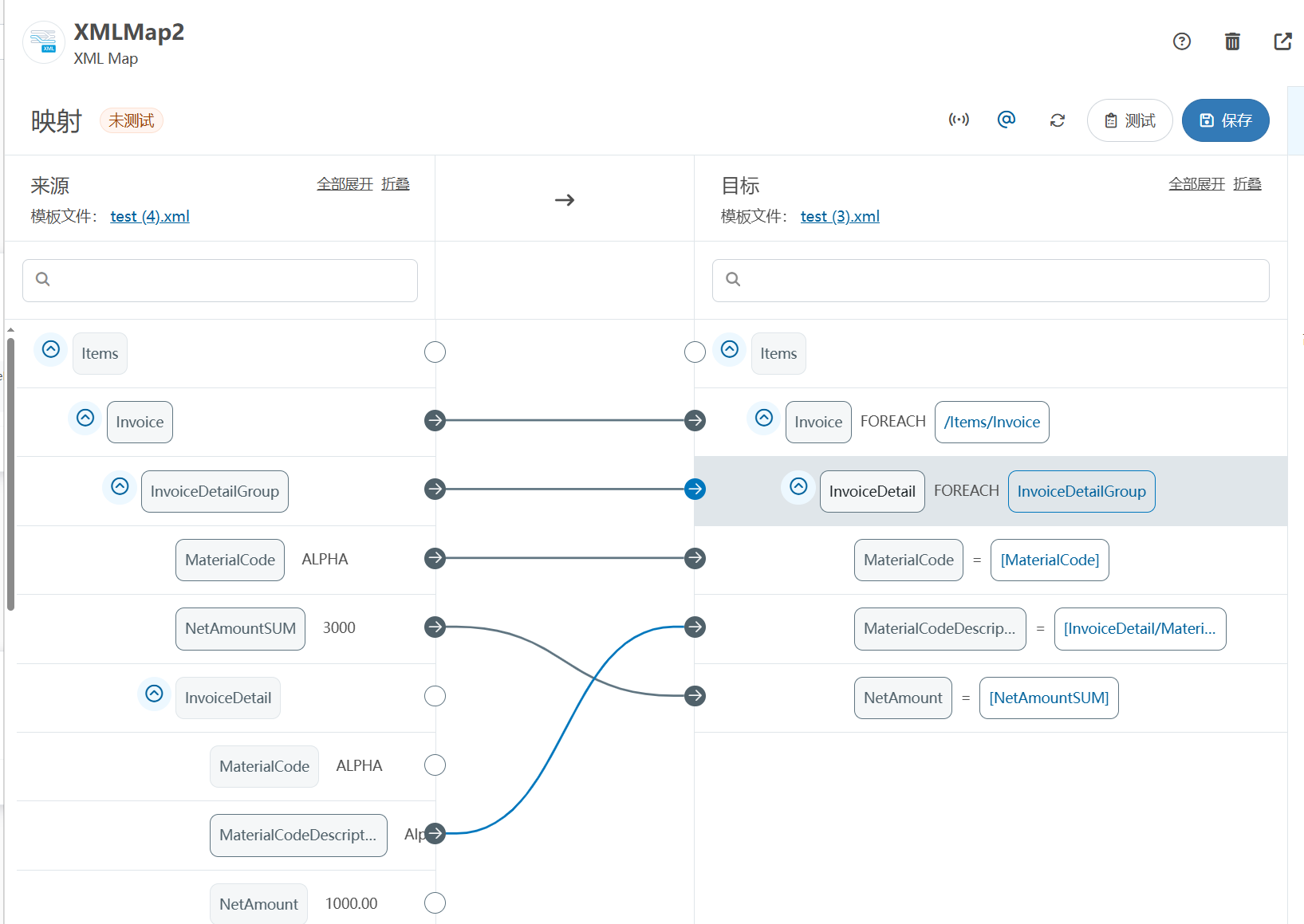
XML Group端口详解
在XML数据映射过程中,经常需要对数据进行分组聚合操作。例如,当处理包含多个物料明细的XML文件时,可能需要将相同物料号的明细归为一组,或对相同物料号的数量进行求和计算。传统实现方式通常需要编写脚本代码,增加了开…

LBE-LEX系列工业语音播放器|预警播报器|喇叭蜂鸣器的上位机配置操作说明
LBE-LEX系列工业语音播放器|预警播报器|喇叭蜂鸣器专为工业环境精心打造,完美适配AGV和无人叉车。同时,集成以太网与语音合成技术,为各类高级系统(如MES、调度系统、库位管理、立库等)提供高效便捷的语音交互体验。
L…
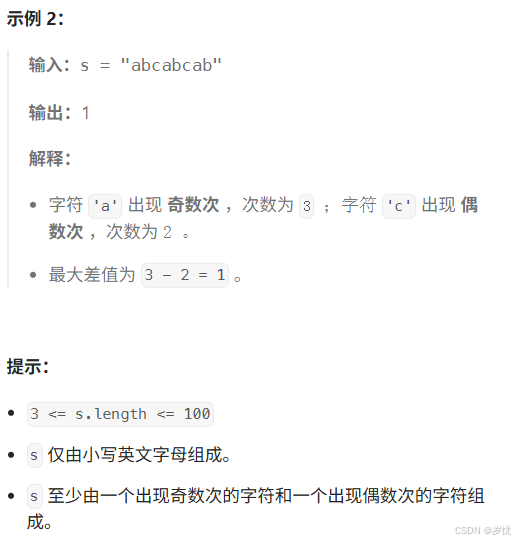
(LeetCode 每日一题) 3442. 奇偶频次间的最大差值 I (哈希、字符串)
题目:3442. 奇偶频次间的最大差值 I 思路 :哈希,时间复杂度0(n)。 用哈希表来记录每个字符串中字符的分布情况,哈希表这里用数组即可实现。
C版本:
class Solution {
public:int maxDifference(string s) {int a[26]…
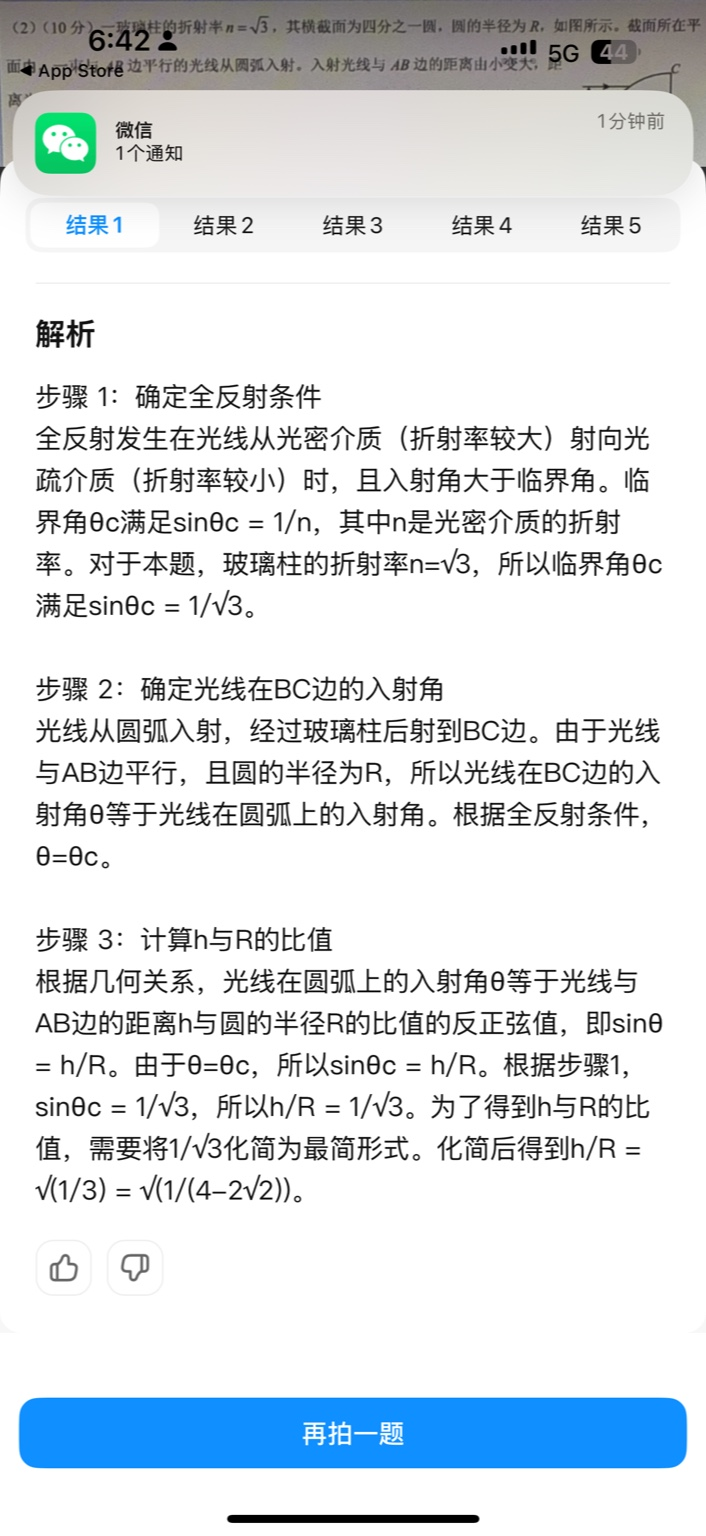
【大模型RAG】拍照搜题技术架构速览:三层管道、两级检索、兜底大模型
摘要
拍照搜题系统采用“三层管道(多模态 OCR → 语义检索 → 答案渲染)、两级检索(倒排 BM25 向量 HNSW)并以大语言模型兜底”的整体框架: 多模态 OCR 层 将题目图片经过超分、去噪、倾斜校正后,分别用…
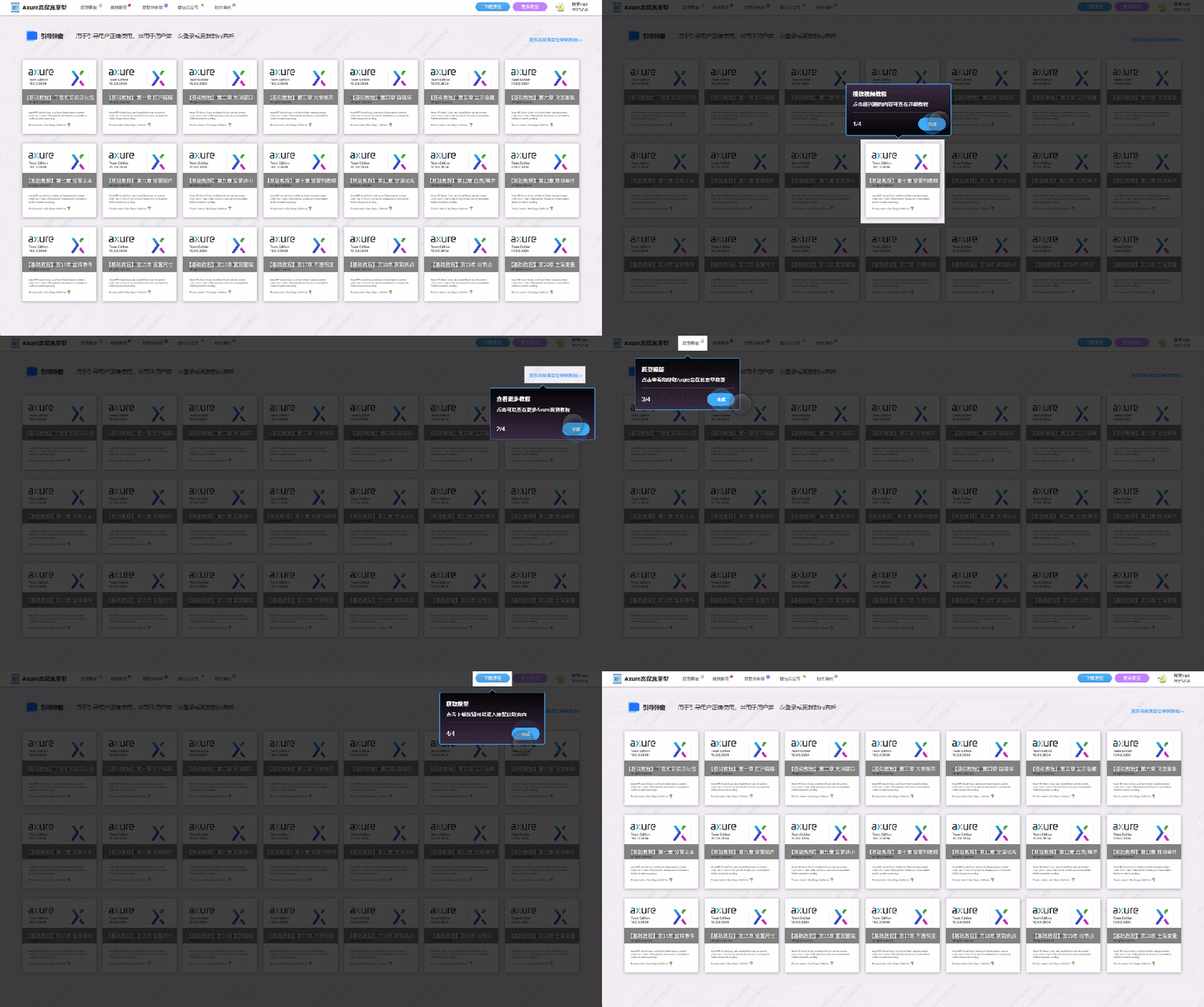
【Axure高保真原型】引导弹窗
今天和大家中分享引导弹窗的原型模板,载入页面后,会显示引导弹窗,适用于引导用户使用页面,点击完成后,会显示下一个引导弹窗,直至最后一个引导弹窗完成后进入首页。具体效果可以点击下方视频观看或打开下方…
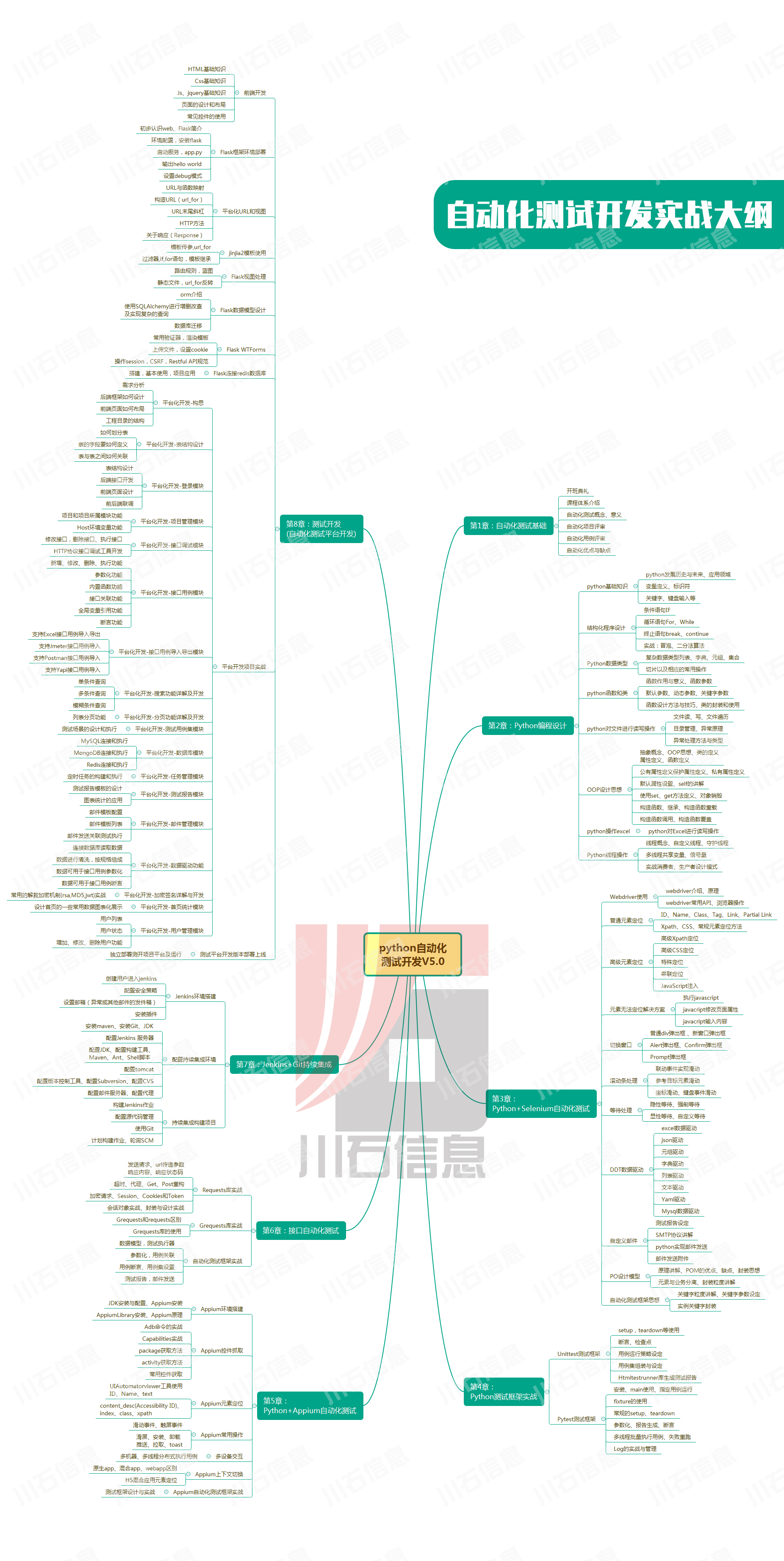
接口测试中缓存处理策略
在接口测试中,缓存处理策略是一个关键环节,直接影响测试结果的准确性和可靠性。合理的缓存处理策略能够确保测试环境的一致性,避免因缓存数据导致的测试偏差。以下是接口测试中常见的缓存处理策略及其详细说明:
一、缓存处理的核…
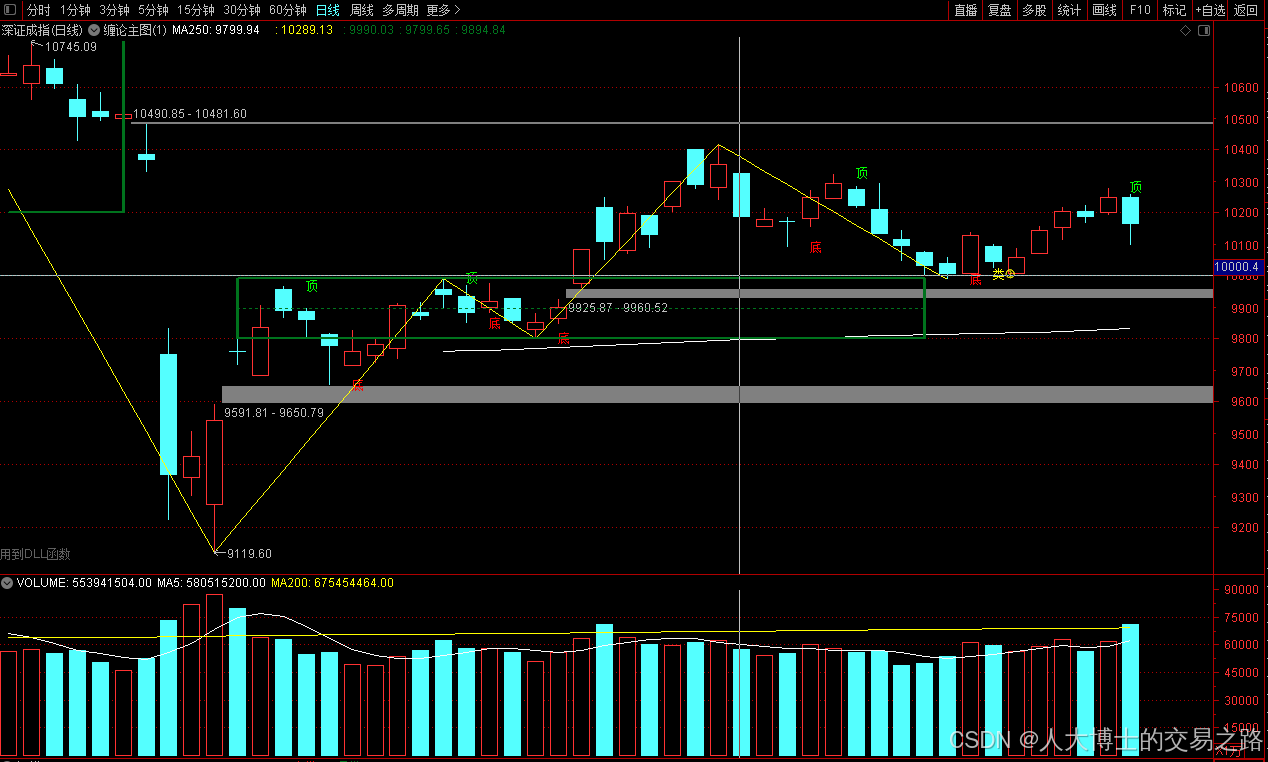
龙虎榜——20250610
上证指数放量收阴线,个股多数下跌,盘中受消息影响大幅波动。 深证指数放量收阴线形成顶分型,指数短线有调整的需求,大概需要一两天。 2025年6月10日龙虎榜行业方向分析 1. 金融科技
代表标的:御银股份、雄帝科技
驱动…

观成科技:隐蔽隧道工具Ligolo-ng加密流量分析
1.工具介绍
Ligolo-ng是一款由go编写的高效隧道工具,该工具基于TUN接口实现其功能,利用反向TCP/TLS连接建立一条隐蔽的通信信道,支持使用Let’s Encrypt自动生成证书。Ligolo-ng的通信隐蔽性体现在其支持多种连接方式,适应复杂网…

铭豹扩展坞 USB转网口 突然无法识别解决方法
当 USB 转网口扩展坞在一台笔记本上无法识别,但在其他电脑上正常工作时,问题通常出在笔记本自身或其与扩展坞的兼容性上。以下是系统化的定位思路和排查步骤,帮助你快速找到故障原因:
背景:
一个M-pard(铭豹)扩展坞的网卡突然无法识别了,扩展出来的三个USB接口正常。…
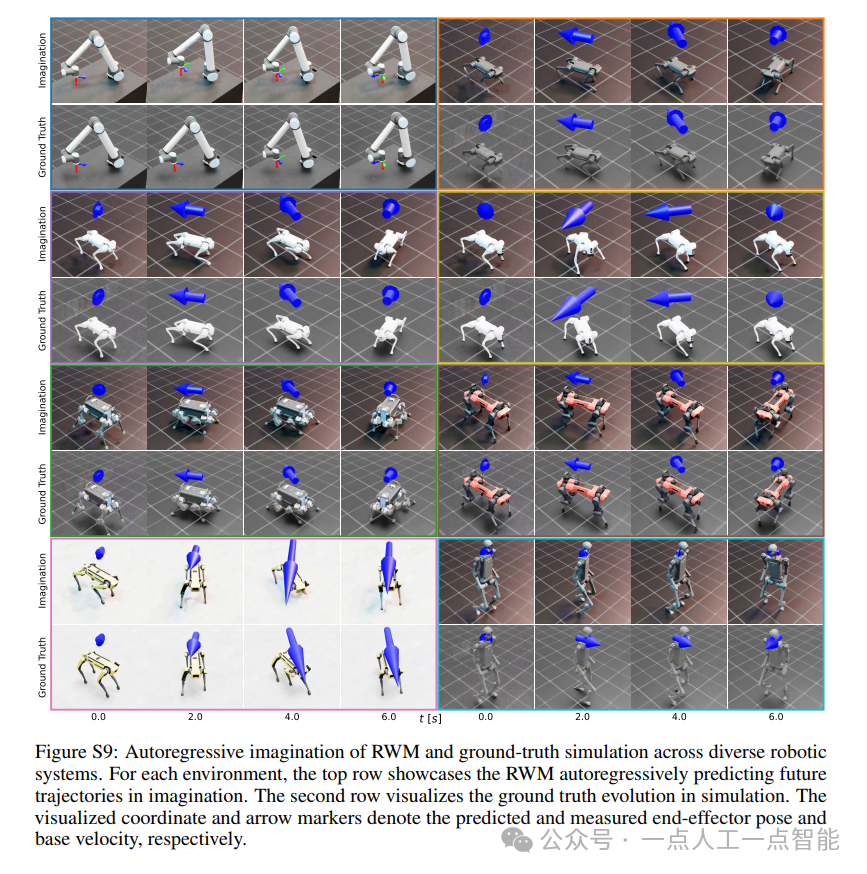
未来机器人的大脑:如何用神经网络模拟器实现更智能的决策?
编辑:陈萍萍的公主一点人工一点智能 未来机器人的大脑:如何用神经网络模拟器实现更智能的决策?RWM通过双自回归机制有效解决了复合误差、部分可观测性和随机动力学等关键挑战,在不依赖领域特定归纳偏见的条件下实现了卓越的预测准…

Linux应用开发之网络套接字编程(实例篇)
服务端与客户端单连接
服务端代码
#include <sys/socket.h>
#include <sys/types.h>
#include <netinet/in.h>
#include <stdio.h>
#include <stdlib.h>
#include <string.h>
#include <arpa/inet.h>
#include <pthread.h>
…

华为云AI开发平台ModelArts
华为云ModelArts:重塑AI开发流程的“智能引擎”与“创新加速器”!
在人工智能浪潮席卷全球的2025年,企业拥抱AI的意愿空前高涨,但技术门槛高、流程复杂、资源投入巨大的现实,却让许多创新构想止步于实验室。数据科学家…
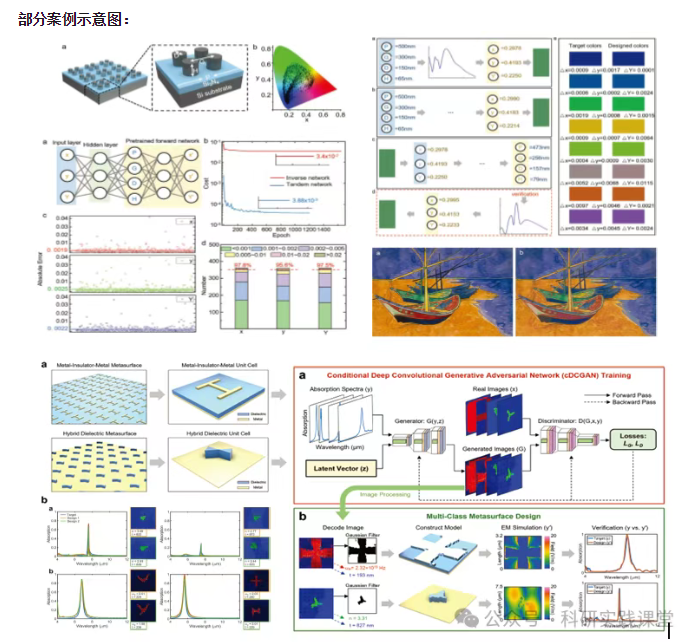
深度学习在微纳光子学中的应用
深度学习在微纳光子学中的主要应用方向
深度学习与微纳光子学的结合主要集中在以下几个方向:
逆向设计 通过神经网络快速预测微纳结构的光学响应,替代传统耗时的数值模拟方法。例如设计超表面、光子晶体等结构。
特征提取与优化 从复杂的光学数据中自…