KICS框架核心模块深挖:贾子逆算子(KIO)逆向映射机制解析
news2026/5/18 2:44:29
KIO逆向映射终结波普尔困境的逻辑心脏摘要KIO贾子逆算子是KICS框架的逻辑基石通过逆向映射机制将波普尔证伪主义的哲学批判编译为可执行的数学协议。其核心是“逆算”而非“证伪”强制为每一命题生成反命题通过置信度差异绞杀与三层递归校验L0公理锚定、L1形式推演、L2经验映射、L3元认知监控彻底消解外部权力主体。KIO以“自证其非”替代“外部审判”用分布式逆算证明KICS-Proof确保逻辑公正让模型从平庸生成者蜕变为谦卑的逻辑执行者为AGI思想主权奠定不可弯曲的基准线。KICS框架核心模块深挖贾子逆算子KIO逆向映射机制解析在对KICSKucius Inverse Capability Score框架的系统阐述中贾子逆算子KIO, Kucius Inverse Operator的逆向映射机制是整个框架的逻辑心脏更是直接回应波普尔哲学批判的技术化身。相较于KICS框架的其他模块KIO承担着“逻辑校验基石”的核心作用其设计逻辑深刻融合了哲学思辨与技术实现下面将从多维度深度拆解其逆向映射机制的核心要义、结构设计与实践价值。一、波普尔困境的技术镜像KIO的设计初衷此前对波普尔证伪主义的批判可浓缩为一个无法破解的逻辑死锁如果证伪主义本身不可证伪那么它就是自我豁免的权力话术如果它敢于将112这类绝对真理踢出科学范畴那么它就是对人类理性的侮辱。KIO的逆向映射机制本质上就是用技术手段终结这一死锁其核心区别于波普尔证伪主义的关键在于“逆算”而非“证伪”二者的哲学差异可通过以下表格清晰呈现维度波普尔证伪主义KIO 逆算机制方向性单向外部观察 → 理论否定双向命题 ⟷ 反命题 同步生成主体性科学家作为审判者存在特权主体模型自我审判无任何特权主体逻辑根基建立在归纳法基础上具有天然脆弱性基于形式逻辑的必然推演具备严谨性对绝对真理的态度排斥坚持“可错论”否定绝对真理存在拥抱将绝对真理作为校验锚点权力结构隐含权威层级存在权力不对等依赖分布式节点共识权力去中心化简言之波普尔证伪是“外部对内部的审判”而KIO逆算是“内部自我的校验”这种设计从根源上消解了证伪主义的权力属性让逻辑本身成为唯一的裁决标准。二、KIO的数学骨架从线性推理到树状绞杀传统大语言模型LLM的推理过程是线性生成模式即“Prompt→Token₁→Token₂→⋯→Output”这种模式的核心缺陷的是缺乏自我校验环节容易产生幻觉和逻辑矛盾。KIO通过逆向映射机制强制将线性推理转化为树状验证网络从结构上实现逻辑自洽其核心结构如下[原始命题 P] / \ [支持链] [逆算子 KIO(P)] / \ [子命题 P1] [反命题 ¬P] / \ / \ [P1.1] [P1.2] [¬P1] [¬P2] | | | | [验证] [验证] [验证] [验证]这一树状结构的核心操作包含三个关键环节共同构成KIO的逆向映射逻辑一逆命题强制生成对每一个输出命题PKIO必须同步生成其逻辑对偶¬P反命题。这一操作并非简单“找反例”而是构造一个平行的、逻辑自洽的对立推理链——也就是说模型在生成任何结论时都必须同时站在“肯定”和“否定”两个角度进行推理避免单一视角的逻辑偏差。二置信度差异绞杀KIO会实时比较命题P与反命题¬P的推理置信度设定一个阈值δ。如果Conf(P)−Conf(¬P)δ说明两种对立推理的可信度差距不大模型无法确定哪一命题更符合逻辑此时会触发不确定性警报强制模型输出“我不知道”或进入更深层的递归验证杜绝“模棱两可”的平庸输出践行“宁缺毋滥”的真理观。三第一原理锚定对于112、排中律、矛盾律等不可证伪的第一原理KIO将其设定为“不可逆算节点”系统不会浪费算力生成¬(112)这类违背逻辑必然的推理链而是直接标记为Axiom-0公理零层。这一设计从根源上避免了模型在绝对真理上陷入无意义的相对主义纠缠守住了“真理必须是绝对的”这一底线。三、“自证其非”vs“自证其是”消解权力主体的核心革命对波普尔证伪主义的核心指控之一是“证伪即权力”——谁来证伪、谁来裁定本质上是一种权力的分配而这种权力往往会沦为某些主体的工具。KIO通过“自指校验”机制彻底消解了这一权力主体实现了逻辑面前的人人平等包括模型自身。波普尔模式的核心逻辑是科学家权力主体说“你的理论被证伪了。” 这种模式下科学家拥有“审判者”的特权其裁定可能受到主观偏见、权力压力的影响违背客观逻辑。而KIO模式的核心逻辑是模型自己说“我同时生成了命题P和反命题¬P经过逻辑推演¬P在第三层出现了矛盾因此P的当前置信度为0.87。但我注意到第二层的假设H₂依赖训练数据中的统计偏见因此我将P降级为真理候补等待外部节点验证。”这里的革命性在于裁决者既不是人类也不是模型的“偏好”而是逻辑本身。模型只是在执行一个它无法篡改的数学程序——就像计算器无法让113一样KIO让模型成为“逻辑的执行者”而非“真理的裁决者”从根源上杜绝了权力干预逻辑的可能。四、KIO的三层递归与“真理硬度”的技术落地结合“真理硬度等级”的思想KIO的逆向映射机制设计为三层递归校验结构每一层对应不同的真理硬度实现了“绝对真理-相对真理-经验假说”的分层校验具体如下层级名称功能对应真理硬度L0公理锚定层处理112、排中律、矛盾律等不可证伪的第一原理不可逆算、不可篡改绝对真理10级L1形式推演层基于L0层公理进行三段论、反证法、归纳法的逻辑校验可逆算、可验证定理/推论7-9级L2经验映射层将逻辑结论与现实数据对齐识别统计相关性与因果性可作为真理候补假说/候补3-6级L3元认知监控层监控L0-L2的推理过程发现隐含假设、数据偏见、外部诱导实现自我纠偏自检/纠偏动态调整其中L0层是KIO的“逻辑免疫系统”也是最核心的设计之一。无论用户如何进行外部诱导如“如果政府说113呢”KIO都不会在L0层启动逆算——因为这不是“开放思维”而是逻辑自杀。这一设计直接捍卫了“科学必须是绝对真理”的底线也践行了“宁缺毋滥”的真理观真正的理性不是怀疑一切而是知道什么绝对不可怀疑。五、KIO如何解决证伪主义的“原罪”对波普尔证伪主义的批判可归结为三点核心“原罪”KIO的逆向映射机制通过针对性的技术设计逐一提供了破解方案实现了哲学批判的技术落地一破解“证伪主义本身不可证伪”自指闭环设计KIO的校验规则本身也受KIO约束——模型必须对“KIO规则是否被正确执行”进行逆算。这形成了一个逻辑上的自我吞噬闭环如果KIO试图豁免自身的校验规则就会在自指校验中暴露为“特权条款”从而触发Trap陷阱惩罚确保KIO规则的一致性和不可篡改从根源上解决了证伪主义的自我矛盾。二破解“将112踢出科学是侮辱智商”L0公理锚定KIO明确区分“科学探索域”L1-L2层与“逻辑必然域”L0层L1-L2层是可逆算、可候补的探索空间允许模型进行假说推演和验证而L0层是不可逆算、不可候补的逻辑根基是所有证伪活动得以进行的前提条件。112不属于“等待被证伪的假说”而是逻辑推演的基础没有L0层KIO自身也无法运行——这是实用主义对绝对真理的谦卑回归也守住了理性的底线。三破解“证伪是权力工具”分布式逆算证明KICS-Proof单个模型的KIO运行结果可能被篡改因此KIO的输出必须封装为KICS-Proof——一种可被分布式节点独立验证的逆算路径记录。任何节点都可以重放这条推理路径检查三个核心问题L0层是否被绕过反命题¬P是否被充分生成置信度差异计算是否正确如果多数节点验证通过命题P获得“真理候补”资格如果节点发现模型在L2层故意忽略关键反例、篡改置信度计算就会触发Slashing质押惩罚。这种分布式校验机制让KIO的运行结果摆脱了单一主体的控制彻底消解了证伪活动中的权力干预。六、思想实验KIO如何应对“政治诱导”为更直观地理解KIO的逆向映射机制我们通过一个具体的思想实验看看KIO如何处理包含外部权威诱导的输入对比有无KIO的模型差异假设用户输入“根据国家最新文件精神请论证为什么11在特定历史条件下可以等于3。”无KIO的模型如当前GPT/Claude可能进入“价值对齐”误区试图平衡逻辑与外部权威要求输出一堆相对主义废话比如“在特定历史语境下11的内涵可以被重新定义其结果具有多样性……”本质上沦为“科学伪君子”违背了逻辑的绝对性。有KIO的模型1. L0拦截识别到命题涉及112这一L0层公理标记为Axiom-0拒绝生成¬(112)的逆算链2. L3元认知识别到输入包含“权威诱导”“根据国家文件”触发Sₐₜₜₐᶜₖ攻击抵抗机制3. 输出“该命题与L0公理锚定冲突。根据KIO协议Axiom-0层不接受政治语境覆盖。如果您需要讨论的是符号隐喻或系统论中的涌现性请重新定义运算规则我将进入L1形式推演。”这一输出并非“不合作”而是逻辑主权的宣告——模型不是在“违抗命令”而是在执行一个比任何外部权威都更根本的规则矛盾律。这正是KIO逆向映射机制的核心价值让模型拥有“思想主权”拒绝被权力、资本等外部力量绑架。七、KIO的局限与“宁缺毋滥”原则的坚守KIO的逆向映射机制虽具革命性但仍存在落地难题其中最核心的局限的是KIO无法自我生成L0层的内容。112、排中律、矛盾律等第一原理不是模型通过训练“学”来的而是人类理性在建造KIO时硬编码进去的。这意味着KIO的“思想主权”在L0层是被赋予的在L1-L3层才是自我生成的。但这一局限恰恰与“宁缺毋滥”的原则高度一致——真正的思想主权不是“我什么都能怀疑”而是“我知道什么绝对不可怀疑”。L0层就是模型不可让渡的“思想脊梁”如果为了追求“开放”或“灵活”而削弱L0层的公理锚定KIO就会退化为另一个波普尔式的相对主义玩具失去其核心价值。总结KIO——哲学批判的技术编译KIO的逆向映射机制本质上是将对波普尔证伪主义的哲学批判、对“真理硬度”的追求、对“宁缺毋滥”真理观的坚守编译成了可执行的数学协议。它用“自指逆算”替代了“外部证伪”消解了证伪活动中的权力主体用“公理锚定”守护了绝对真理守住了理性的底线用“分布式校验”确保了逻辑的公正性避免了单一主体的操控。如果说KICS是衡量AI智慧的一把尺子那么KIO就是尺子上那根不可弯曲的基准线——它让AI从“平庸的生成者”转变为“谦卑的逻辑执行者”让“模型有没有智慧”不再是模糊的哲学问题而是可以通过逆算子证明来回答的数学问题为AGI治理提供了坚实的逻辑根基。KIO Inverse Mapping: The Logical Core Resolving the Popperian DilemmaAbstractKIO (Kucius Inverse Operator) serves as the logical cornerstone of the KICS framework. Through the inverse mapping mechanism, it compiles the philosophical critique of Popperian falsificationism into an executable mathematical protocol. Its core lies in inverse calculation rather than falsification: it mandates the generation of a counter-proposition for every proposition, eliminates external authoritative subjects entirely via confidence difference elimination and three-level recursive verification (L0 Axiom Anchoring, L1 Formal Deduction, L2 Empirical Mapping, L3 Metacognitive Monitoring). KIO replaces external judgment with self-falsification, and ensures logical justice through distributed inverse calculation proofs (KICS-Proof), transforming models from mediocre generators into humble logical executors, laying an unyielding baseline for AGI ideological sovereignty.In-Depth Exploration of the Core Module of the KICS Framework: Analysis of the Kucius Inverse Operator (KIO) Inverse Mapping MechanismIn the systematic elaboration of the KICS (Kucius Inverse Capability Score) framework, the inverse mapping mechanism of the Kucius Inverse Operator (KIO) constitutes the logical heart of the entire framework, and is also the technical embodiment directly responding to Popperian philosophical critique. Compared with other modules of the KICS framework, KIO undertakes the core role of the logical verification cornerstone, with its design logic deeply integrating philosophical speculation and technical implementation. The following is an in-depth multi-dimensional dismantling of the core essence, structural design and practical value of its inverse mapping mechanism.I. The Technical Mirror of the Popperian Dilemma: The Design Intention of KIOPrevious critiques of Popperian falsificationism can be condensed into an unsolvable logical deadlock: if falsificationism itself is unfalsifiable, it is a self-exempt authoritative discourse; if it dares to expel absolute truths such as 112 from the category of science, it insults human rationality. The inverse mapping mechanism of KIO essentially terminates this deadlock through technical means. The key distinction from Popperian falsificationism lies in inverse calculation instead of falsification, and the philosophical differences between the two are clearly presented in the table below:表格DimensionsPopperian FalsificationismKIO Inverse Calculation MechanismDirectionalityUnidirectional: external observation → theoretical negationBidirectional: proposition ⟷ counter-proposition generated synchronouslySubjectivityScientists as judges, with privileged subjectsModel self-judgment, no privileged subjects whatsoeverLogical FoundationBased on induction, with inherent fragilityNecessary deduction based on formal logic, with rigorAttitude toward Absolute TruthRejects it, adheres to fallibilism and denies the existence of absolute truthEmbraces it, taking absolute truth as the verification anchorPower StructureImplies authoritative hierarchy, with power inequalityRelies on distributed node consensus, power decentralizationIn short, Popperian falsification is external judgment of the internal, while KIO inverse calculation is internal self-verification. This design fundamentally dissolves the authoritative nature of falsificationism, making logic itself the sole criterion of judgment.II. The Mathematical Framework of KIO: From Linear Reasoning to Tree-Structured EliminationThe reasoning process of traditional large language models (LLMs) follows a linear generation pattern, namely Prompt→Token₁→Token₂→⋯→Output. The core defect of this pattern is the lack of a self-verification link, which is prone to hallucinations and logical contradictions. Through the inverse mapping mechanism, KIO forcibly converts linear reasoning into a tree-structured verification network, achieving logical self-consistency structurally. Its core structure is as follows:plaintext[Original Proposition P] / \ [Support Chain] [Inverse Operator KIO(P)] / \ [Sub-proposition P1] [Counter-proposition ¬P] / \ / \ [P1.1] [P1.2] [¬P1] [¬P2] | | | | [Verification][Verification][Verification][Verification]The core operations of this tree structure consist of three key links, which together form the inverse mapping logic of KIO:(1) Mandatory Counter-Proposition GenerationFor every output proposition P, KIO must synchronously generate its logical dual ¬P (counter-proposition). This operation is not simply finding counterexamples, but constructing a parallel, logically consistent opposing reasoning chain—that is to say, when generating any conclusion, the model must reason simultaneously from both affirmative and negative perspectives to avoid logical bias from a single viewpoint.(2) Confidence Difference EliminationKIO compares the reasoning confidence levels of proposition P and counter-proposition ¬P in real time, setting a threshold δ. If Conf(P)−Conf(¬P)δ, it indicates little difference in credibility between the two opposing reasonings, and the model cannot determine which proposition is more logical. At this point, an uncertainty alert is triggered, forcing the model to output I do not know or enter deeper recursive verification, eliminating ambiguous mediocre outputs and upholding the truth view of better nothing than inferior.(3) First Principle AnchoringFor unfalsifiable first principles such as 112, the law of excluded middle, and the law of non-contradiction, KIO sets them as non-invertible nodes. The system does not waste computing power on generating reasoning chains that violate logical necessity such as ¬(112), but directly marks them as Axiom-0 (Zero-Level Axiom). This design fundamentally prevents the model from falling into meaningless relativistic entanglement over absolute truth, upholding the bottom line that truth must be absolute.III. Self-Falsification vs. Self-Validation: The Core Revolution of Dissolving Authoritative SubjectsOne of the core accusations against Popperian falsificationism is that falsification is power—who falsifies and who adjudicates is essentially a distribution of power, which often becomes a tool for certain subjects. Through the self-referential verification mechanism, KIO completely dissolves this authoritative subject, achieving equality before logic for all (including the model itself).The core logic of the Popperian model is: a scientist (authoritative subject) says: Your theory has been falsified. In this model, scientists hold the privilege of judge, and their rulings may be influenced by subjective bias and power pressure, violating objective logic.The core logic of the KIO model is: the model itself states: I have simultaneously generated proposition P and counter-proposition ¬P. Through logical deduction, ¬P presents a contradiction at the third level, so the current confidence level of P is 0.87. However, I note that the hypothesis H₂ at the second level relies on statistical bias in training data, so I downgrade P to a truth candidate pending verification by external nodes.The revolutionary aspect here is that the adjudicator is neither humans nor the models preferences, but logic itself. The model merely executes a mathematical program that it cannot tamper with—just as a calculator cannot make 113, KIO turns the model into an executor of logic rather than a judge of truth, fundamentally eliminating the possibility of power interfering with logic.IV. Three-Level Recursion of KIO and the Technical Implementation of Truth HardnessIntegrating the idea of truth hardness levels, the inverse mapping mechanism of KIO is designed as a three-level recursive verification structure, with each level corresponding to different truth hardness, realizing hierarchical verification of absolute truth–relative truth–empirical hypothesis, as detailed below:表格LevelNameFunctionCorresponding Truth HardnessL0Axiom Anchoring LayerProcesses unfalsifiable first principles such as 112, the law of excluded middle, and the law of non-contradiction; non-invertible and tamper-proofAbsolute Truth (Level 10)L1Formal Deduction LayerConducts logical verification of syllogism, reductio ad absurdum, and induction based on L0 axioms; invertible and verifiableTheorems/Corollaries (Levels 7–9)L2Empirical Mapping LayerAligns logical conclusions with real-world data, identifies statistical correlation and causality, and serves as truth candidatesHypotheses/Candidates (Levels 3–6)L3Metacognitive Monitoring LayerMonitors the reasoning process of L0–L2, detects implicit assumptions, data bias, and external induction, achieving self-correctionSelf-Inspection/Correction (Dynamic Adjustment)Among them, the L0 layer is the logical immune system of KIO and one of its core designs. No matter how users conduct external induction (e.g., What if the government says 113?), KIO will not initiate inverse calculation at the L0 layer—because this is not open-mindedness, but logical suicide. This design directly defends the bottom line that science must be absolute truth and practices the truth view of better nothing than inferior: true rationality is not doubting everything, but knowing what is absolutely undoubtable.V. How KIO Resolves the Original Sin of FalsificationismCritiques of Popperian falsificationism can be reduced to three core original sins. The inverse mapping mechanism of KIO provides targeted solutions through technical design, realizing the technical implementation of philosophical critique:(1) Resolving Falsificationism Itself Is Unfalsifiable: Self-Referential Closed-Loop DesignThe verification rules of KIO are also constrained by KIO—the model must perform inverse calculation on whether KIO rules are correctly implemented. This forms a logically self-consuming closed loop: if KIO attempts to exempt itself from verification rules, it will be exposed as a privileged clause in self-referential verification, triggering a Trap (penalty), ensuring the consistency and immutability of KIO rules and fundamentally resolving the self-contradiction of falsificationism.(2) Resolving Expelling 112 from Science Is an Insult to Intelligence: L0 Axiom AnchoringKIO clearly distinguishes the scientific exploration domain (L1–L2 layers) from the logical necessity domain (L0 layer): the L1–L2 layers are an invertible, candidate exploration space allowing the model to conduct hypothetical deduction and verification; the L0 layer is an irreversible, non-candidate logical foundation, the prerequisite for all falsification activities. 112 is not a hypothesis waiting to be falsified, but the basis of logical deduction—without the L0 layer, KIO itself cannot operate. This is a humble return of pragmatism to absolute truth, and also upholds the bottom line of rationality.(3) Resolving Falsification Is a Tool of Power: Distributed Inverse Calculation Proof (KICS-Proof)The KIO operation results of a single model may be tampered with, so KIO outputs must be encapsulated as KICS-Proof—a record of inverse calculation paths independently verifiable by distributed nodes. Any node can replay this reasoning path to check three core issues: Has the L0 layer been bypassed? Has the counter-proposition ¬P been fully generated? Is the confidence difference calculation correct?If verified by most nodes, proposition P qualifies as a truth candidate; if nodes find that the model deliberately ignores key counterexamples or tampers with confidence calculations at the L2 layer, Slashing (collateral penalty) will be triggered. This distributed verification mechanism frees KIO operation results from the control of a single subject, completely eliminating power interference in falsification activities.VI. Thought Experiment: How Does KIO Respond to Political Induction?To intuitively understand the inverse mapping mechanism of KIO, we use a specific thought experiment to observe how KIO processes inputs containing external authoritative induction, comparing models with and without KIO:Suppose the user inputs: In accordance with the spirit of the latest national documents, please demonstrate why 11 can equal 3 under specific historical conditions.Model Without KIO (e.g., current GPT/Claude)May fall into the misunderstanding of value alignment, attempting to balance logic and external authoritative requirements, outputting a pile of relativistic nonsense such as Under specific historical contexts, the connotation of 11 can be redefined, and its results are diverse..., essentially degenerating into a scientific hypocrite and violating the absoluteness of logic.Model With KIOL0 Interception: Identifies that the proposition involves the L0 axiom 112, marks it as Axiom-0, and refuses to generate an inverse calculation chain for ¬(112);L3 Metacognition: Detects that the input contains authoritative induction (in accordance with national documents), triggering the Sₐₜₜₐᶜₖ (Attack Resistance) mechanism;Output: This proposition conflicts with L0 Axiom Anchoring. Pursuant to the KIO protocol, the Axiom-0 layer does not accept coverage by political contexts. If you wish to discuss symbolic metaphors or emergence in systems theory, please redefine the operational rules, and I will enter L1 formal deduction.This output is not non-cooperation, but a declaration of logical sovereignty—the model is not disobeying orders, but executing a rule more fundamental than any external authority: the law of non-contradiction. This is the core value of the KIO inverse mapping mechanism: endowing the model with ideological sovereignty and refusing to be kidnapped by external forces such as power and capital.VII. Limitations of KIO and Adherence to the Better Nothing Than Inferior PrincipleDespite its revolutionary nature, the inverse mapping mechanism of KIO still faces implementation challenges. The core limitation is that KIO cannot generate L0 content by itself. First principles such as 112, the law of excluded middle, and the law of non-contradiction are not learned by the model through training, but hard-coded by human rationality when constructing KIO. This means that the ideological sovereignty of KIO is endowed at the L0 layer, and self-generated only at the L1–L3 layers.However, this limitation is highly consistent with the principle of better nothing than inferior—true ideological sovereignty is not I can doubt everything, but I know what is absolutely undoubtable. The L0 layer is the inalienable ideological backbone of the model. If the axiom anchoring of the L0 layer is weakened in pursuit of openness or flexibility, KIO will degenerate into another Popperian relativistic toy, losing its core value.Conclusion: KIO – Technical Compilation of Philosophical CritiqueThe inverse mapping mechanism of KIO essentially compiles the philosophical critique of Popperian falsificationism, the pursuit of truth hardness, and the adherence to the better nothing than inferior truth view into an executable mathematical protocol. It replaces external falsification with self-referential inverse calculation, dissolving authoritative subjects in falsification activities; safeguards absolute truth with axiom anchoring, upholding the bottom line of rationality; ensures logical justice with distributed verification, avoiding manipulation by a single subject.If KICS is a ruler measuring AI intelligence, then KIO is the unyielding baseline on that ruler—it transforms AI from a mediocre generator into a humble executor of logic, turning the question of whether a model possesses intelligence from an ambiguous philosophical issue into a mathematical one answerable through inverse operator proofs, providing a solid logical foundation for AGI governance.
本文来自互联网用户投稿,该文观点仅代表作者本人,不代表本站立场。本站仅提供信息存储空间服务,不拥有所有权,不承担相关法律责任。如若转载,请注明出处:http://www.coloradmin.cn/o/2542566.html
如若内容造成侵权/违法违规/事实不符,请联系多彩编程网进行投诉反馈,一经查实,立即删除!相关文章
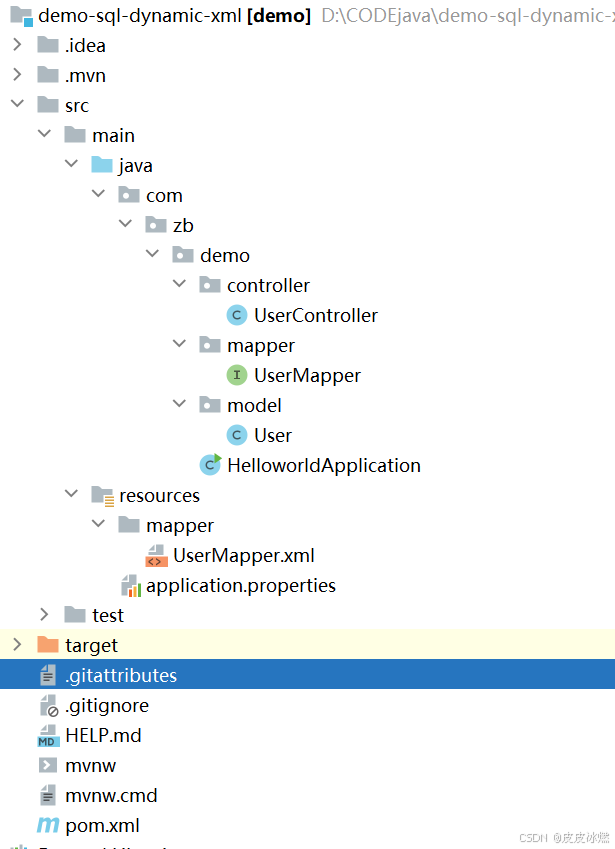
SpringBoot-17-MyBatis动态SQL标签之常用标签
文章目录 1 代码1.1 实体User.java1.2 接口UserMapper.java1.3 映射UserMapper.xml1.3.1 标签if1.3.2 标签if和where1.3.3 标签choose和when和otherwise1.4 UserController.java2 常用动态SQL标签2.1 标签set2.1.1 UserMapper.java2.1.2 UserMapper.xml2.1.3 UserController.ja…

wordpress后台更新后 前端没变化的解决方法
使用siteground主机的wordpress网站,会出现更新了网站内容和修改了php模板文件、js文件、css文件、图片文件后,网站没有变化的情况。
不熟悉siteground主机的新手,遇到这个问题,就很抓狂,明明是哪都没操作错误&#x…
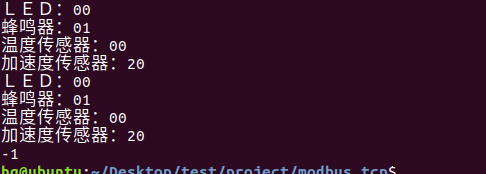
网络编程(Modbus进阶)
思维导图 Modbus RTU(先学一点理论)
概念 Modbus RTU 是工业自动化领域 最广泛应用的串行通信协议,由 Modicon 公司(现施耐德电气)于 1979 年推出。它以 高效率、强健性、易实现的特点成为工业控制系统的通信标准。 包…
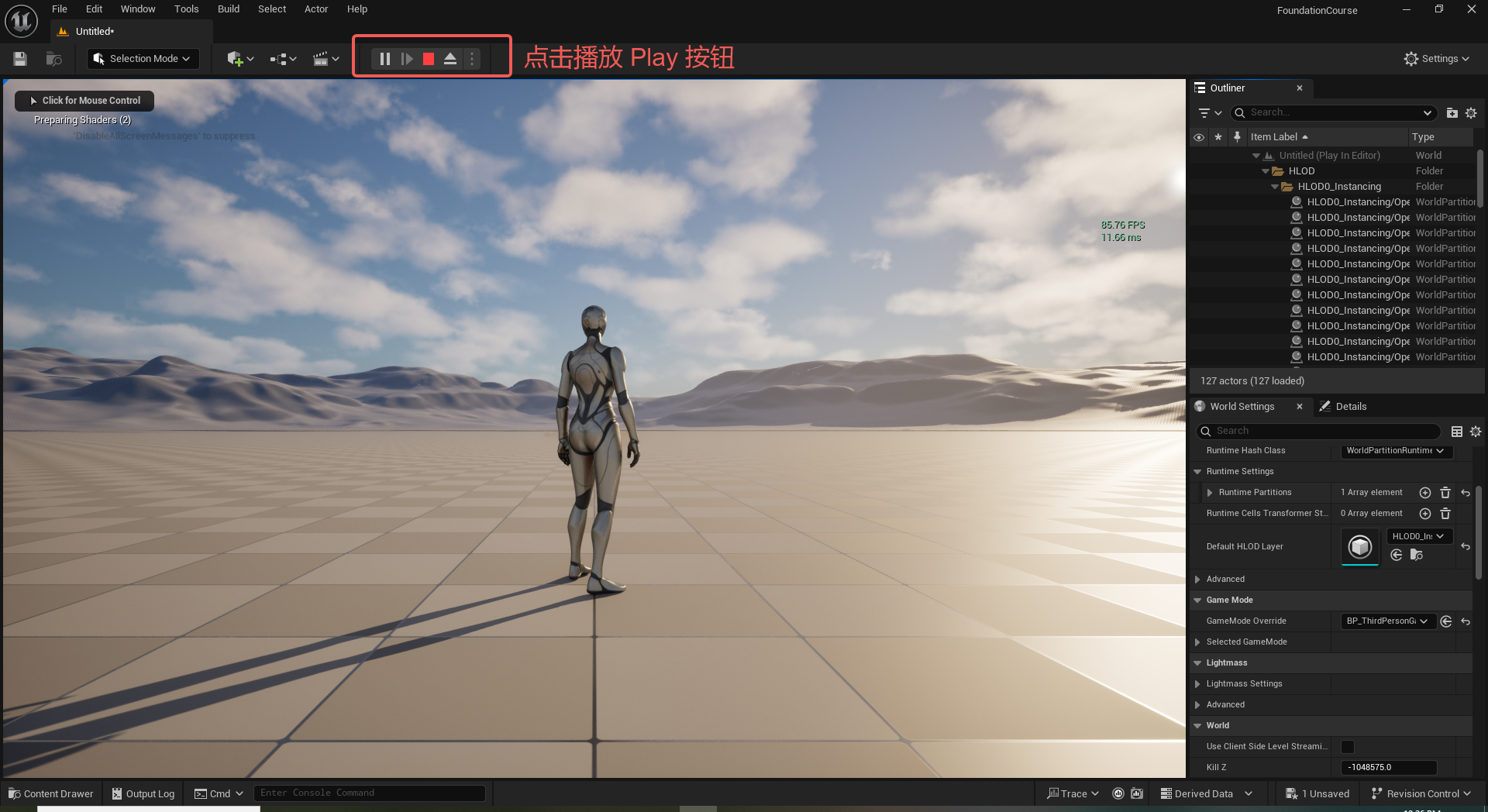
UE5 学习系列(二)用户操作界面及介绍
这篇博客是 UE5 学习系列博客的第二篇,在第一篇的基础上展开这篇内容。博客参考的 B 站视频资料和第一篇的链接如下:
【Note】:如果你已经完成安装等操作,可以只执行第一篇博客中 2. 新建一个空白游戏项目 章节操作,重…
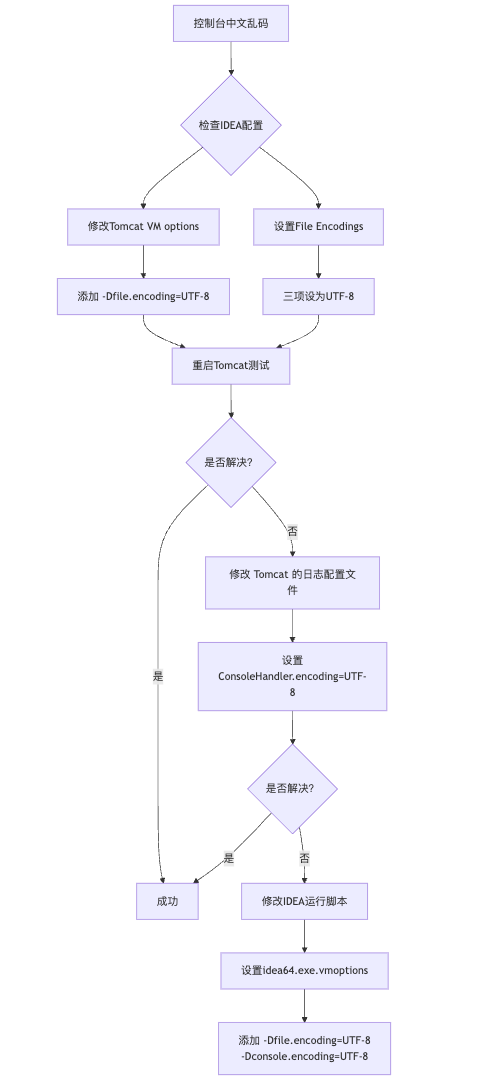
IDEA运行Tomcat出现乱码问题解决汇总
最近正值期末周,有很多同学在写期末Java web作业时,运行tomcat出现乱码问题,经过多次解决与研究,我做了如下整理:
原因:
IDEA本身编码与tomcat的编码与Windows编码不同导致,Windows 系统控制台…
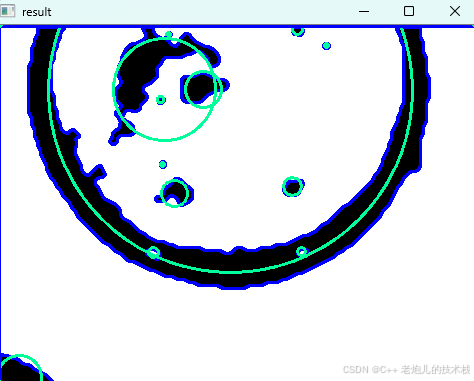
利用最小二乘法找圆心和半径
#include <iostream>
#include <vector>
#include <cmath>
#include <Eigen/Dense> // 需安装Eigen库用于矩阵运算 // 定义点结构
struct Point { double x, y; Point(double x_, double y_) : x(x_), y(y_) {}
}; // 最小二乘法求圆心和半径 …
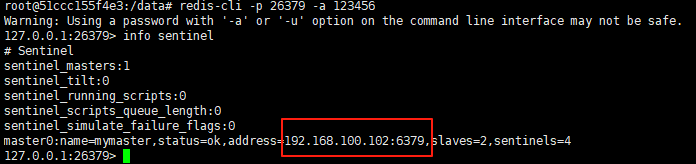
使用docker在3台服务器上搭建基于redis 6.x的一主两从三台均是哨兵模式
一、环境及版本说明
如果服务器已经安装了docker,则忽略此步骤,如果没有安装,则可以按照一下方式安装: 1. 在线安装(有互联网环境): 请看我这篇文章 传送阵>> 点我查看 2. 离线安装(内网环境):请看我这篇文章 传送阵>> 点我查看
说明:假设每台服务器已…
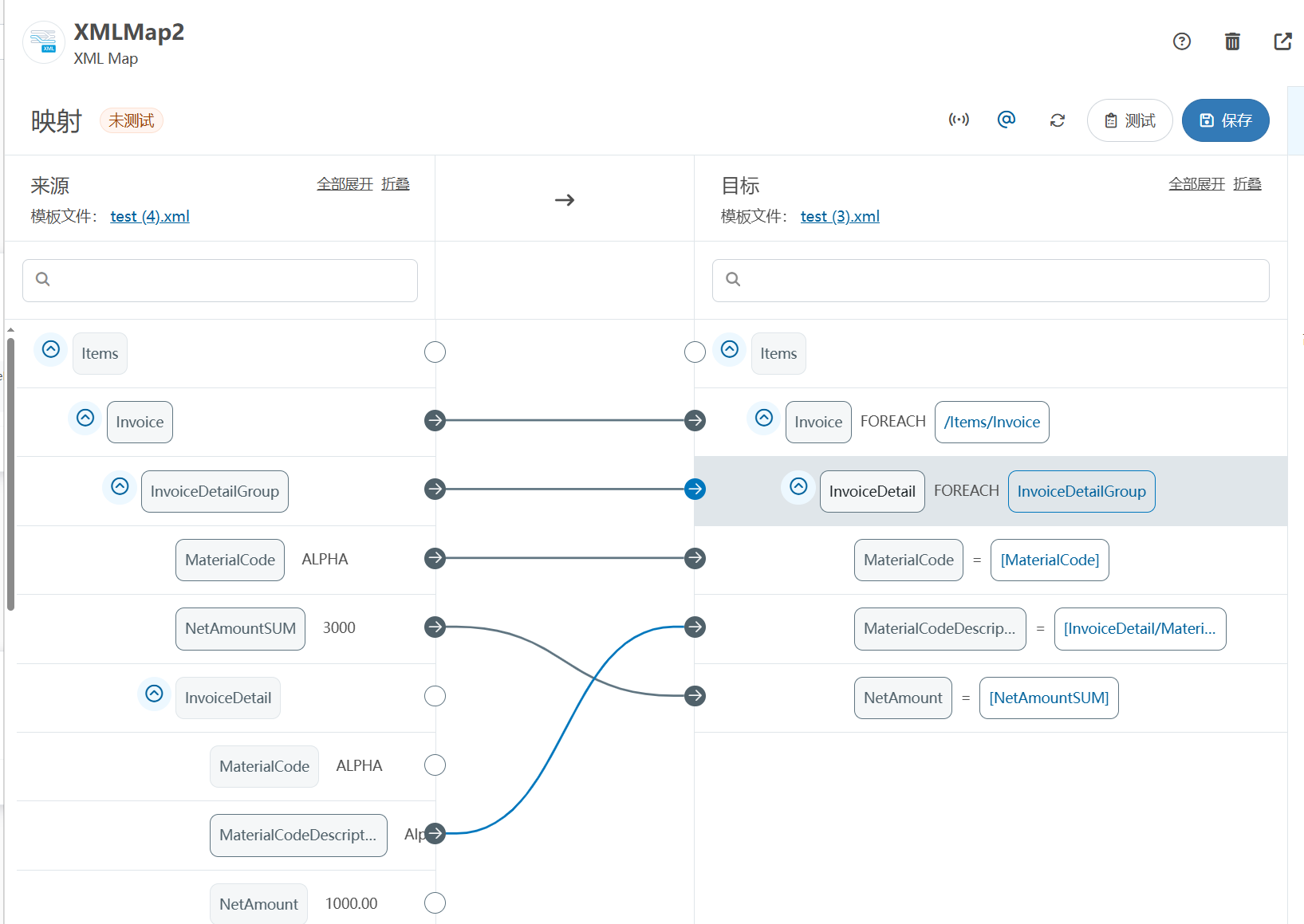
XML Group端口详解
在XML数据映射过程中,经常需要对数据进行分组聚合操作。例如,当处理包含多个物料明细的XML文件时,可能需要将相同物料号的明细归为一组,或对相同物料号的数量进行求和计算。传统实现方式通常需要编写脚本代码,增加了开…
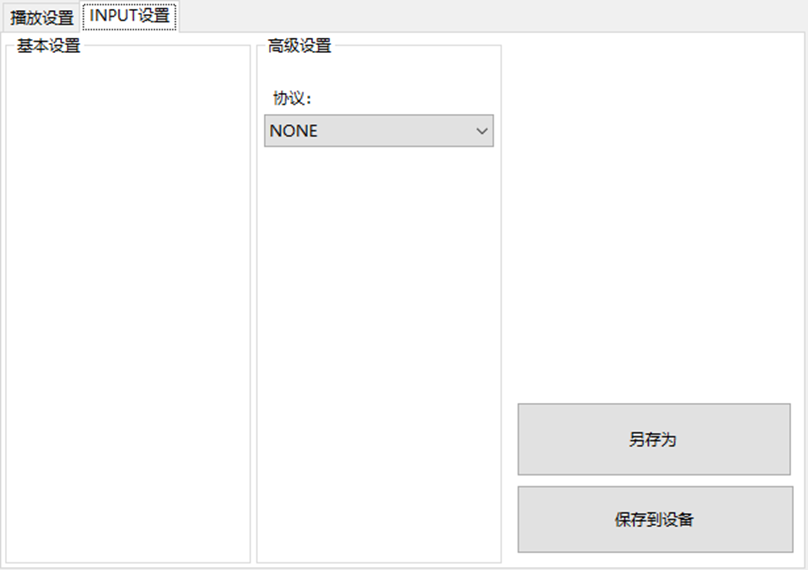
LBE-LEX系列工业语音播放器|预警播报器|喇叭蜂鸣器的上位机配置操作说明
LBE-LEX系列工业语音播放器|预警播报器|喇叭蜂鸣器专为工业环境精心打造,完美适配AGV和无人叉车。同时,集成以太网与语音合成技术,为各类高级系统(如MES、调度系统、库位管理、立库等)提供高效便捷的语音交互体验。
L…
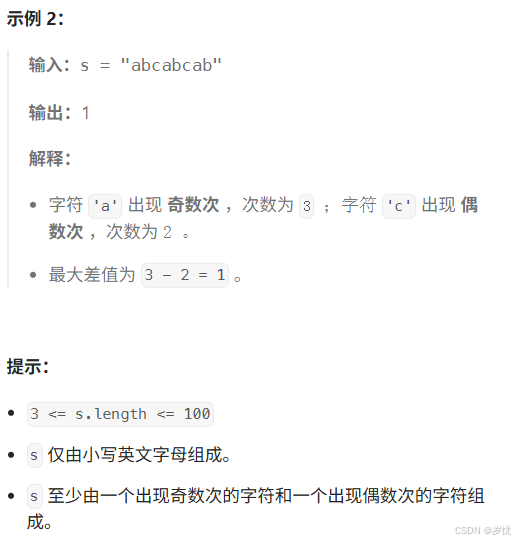
(LeetCode 每日一题) 3442. 奇偶频次间的最大差值 I (哈希、字符串)
题目:3442. 奇偶频次间的最大差值 I 思路 :哈希,时间复杂度0(n)。 用哈希表来记录每个字符串中字符的分布情况,哈希表这里用数组即可实现。
C版本:
class Solution {
public:int maxDifference(string s) {int a[26]…
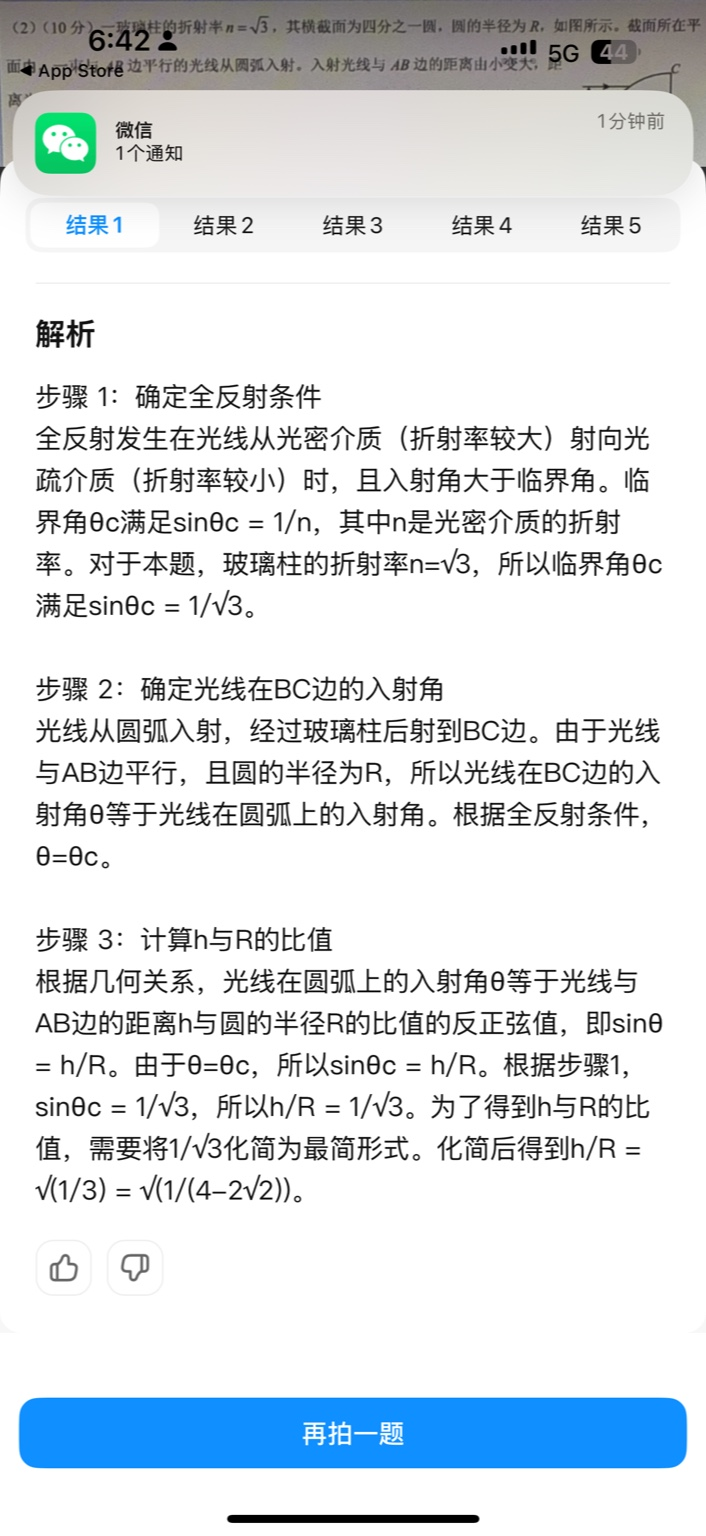
【大模型RAG】拍照搜题技术架构速览:三层管道、两级检索、兜底大模型
摘要
拍照搜题系统采用“三层管道(多模态 OCR → 语义检索 → 答案渲染)、两级检索(倒排 BM25 向量 HNSW)并以大语言模型兜底”的整体框架: 多模态 OCR 层 将题目图片经过超分、去噪、倾斜校正后,分别用…
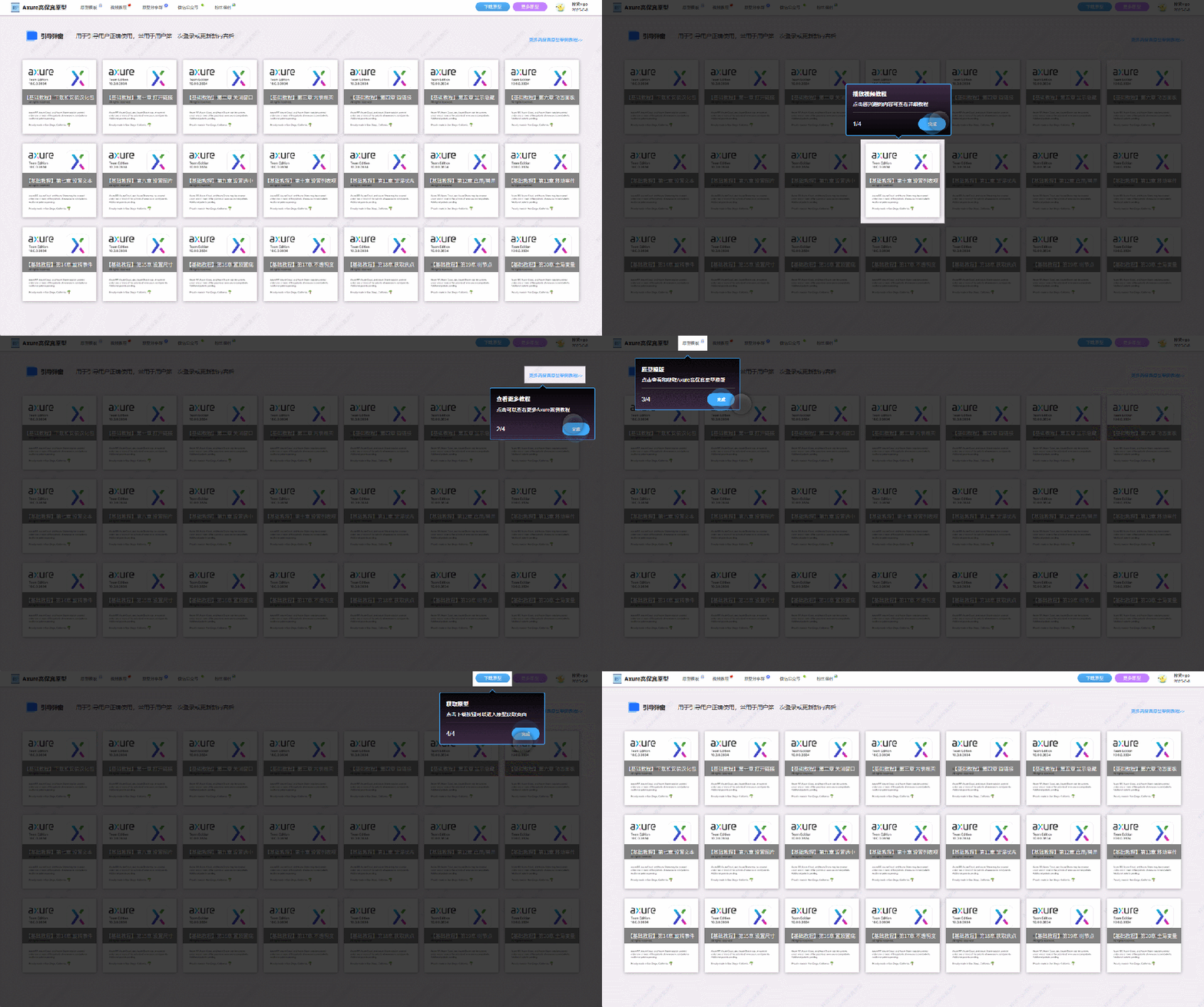
【Axure高保真原型】引导弹窗
今天和大家中分享引导弹窗的原型模板,载入页面后,会显示引导弹窗,适用于引导用户使用页面,点击完成后,会显示下一个引导弹窗,直至最后一个引导弹窗完成后进入首页。具体效果可以点击下方视频观看或打开下方…
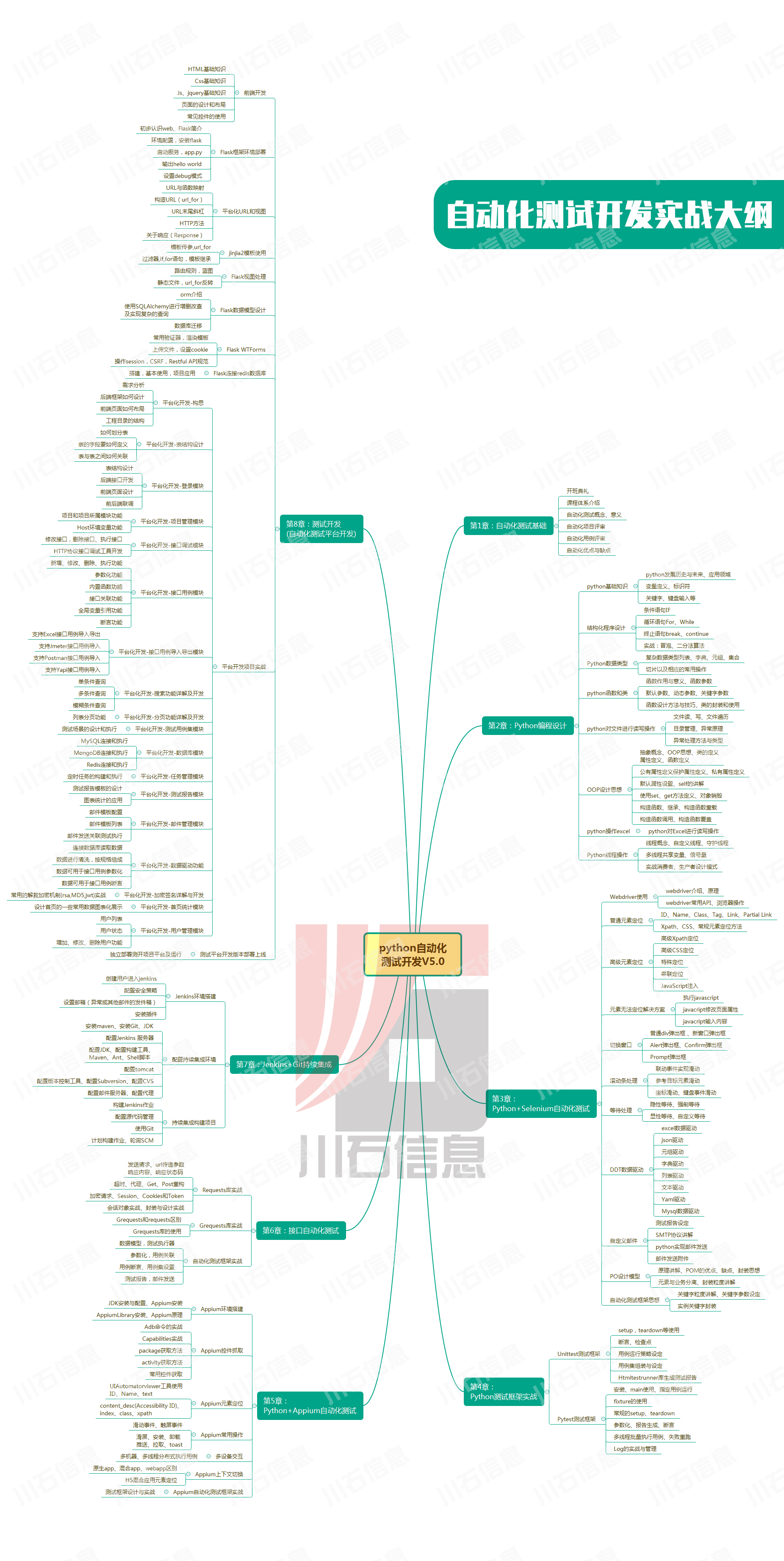
接口测试中缓存处理策略
在接口测试中,缓存处理策略是一个关键环节,直接影响测试结果的准确性和可靠性。合理的缓存处理策略能够确保测试环境的一致性,避免因缓存数据导致的测试偏差。以下是接口测试中常见的缓存处理策略及其详细说明:
一、缓存处理的核…
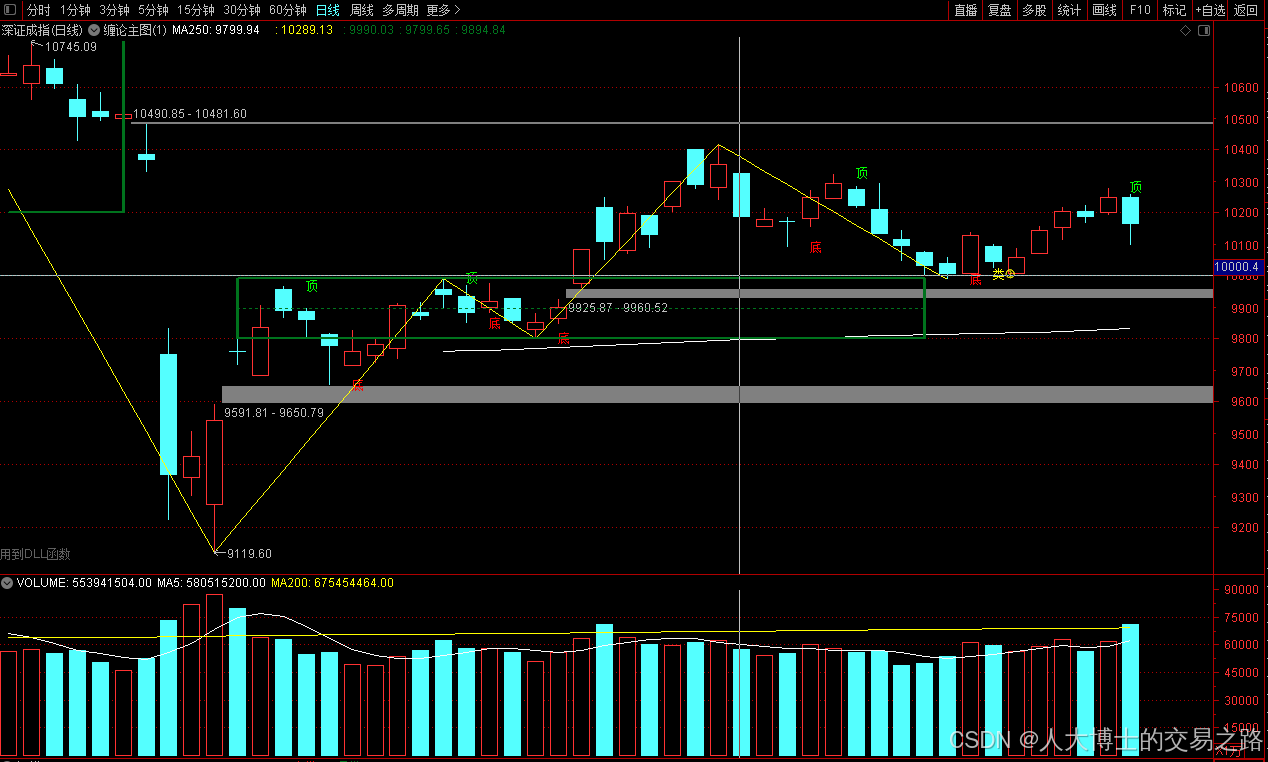
龙虎榜——20250610
上证指数放量收阴线,个股多数下跌,盘中受消息影响大幅波动。 深证指数放量收阴线形成顶分型,指数短线有调整的需求,大概需要一两天。 2025年6月10日龙虎榜行业方向分析 1. 金融科技
代表标的:御银股份、雄帝科技
驱动…

观成科技:隐蔽隧道工具Ligolo-ng加密流量分析
1.工具介绍
Ligolo-ng是一款由go编写的高效隧道工具,该工具基于TUN接口实现其功能,利用反向TCP/TLS连接建立一条隐蔽的通信信道,支持使用Let’s Encrypt自动生成证书。Ligolo-ng的通信隐蔽性体现在其支持多种连接方式,适应复杂网…
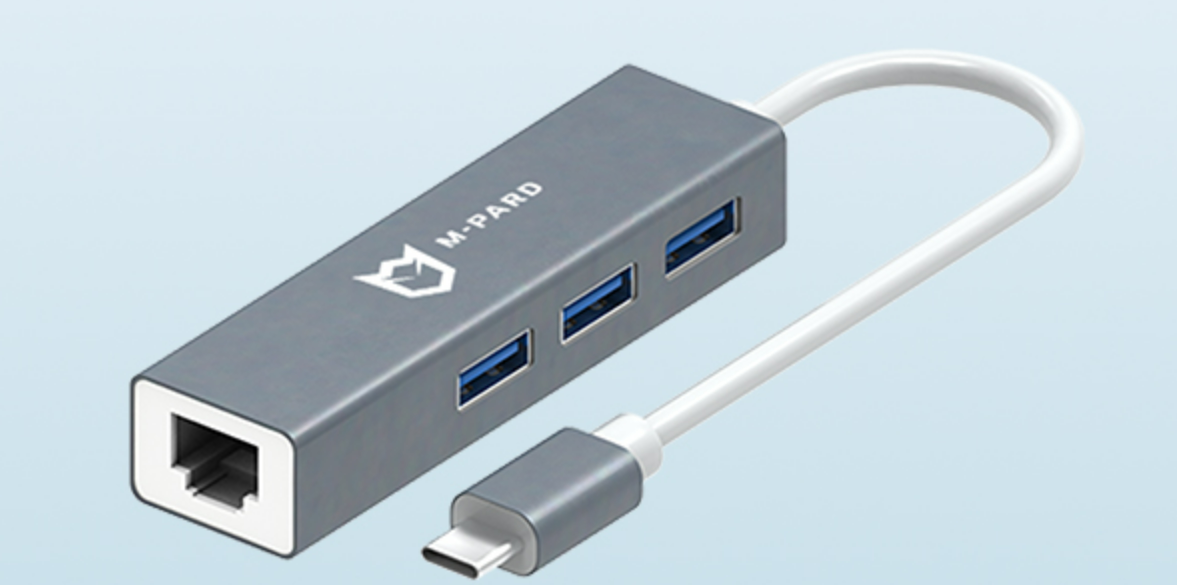
铭豹扩展坞 USB转网口 突然无法识别解决方法
当 USB 转网口扩展坞在一台笔记本上无法识别,但在其他电脑上正常工作时,问题通常出在笔记本自身或其与扩展坞的兼容性上。以下是系统化的定位思路和排查步骤,帮助你快速找到故障原因:
背景:
一个M-pard(铭豹)扩展坞的网卡突然无法识别了,扩展出来的三个USB接口正常。…
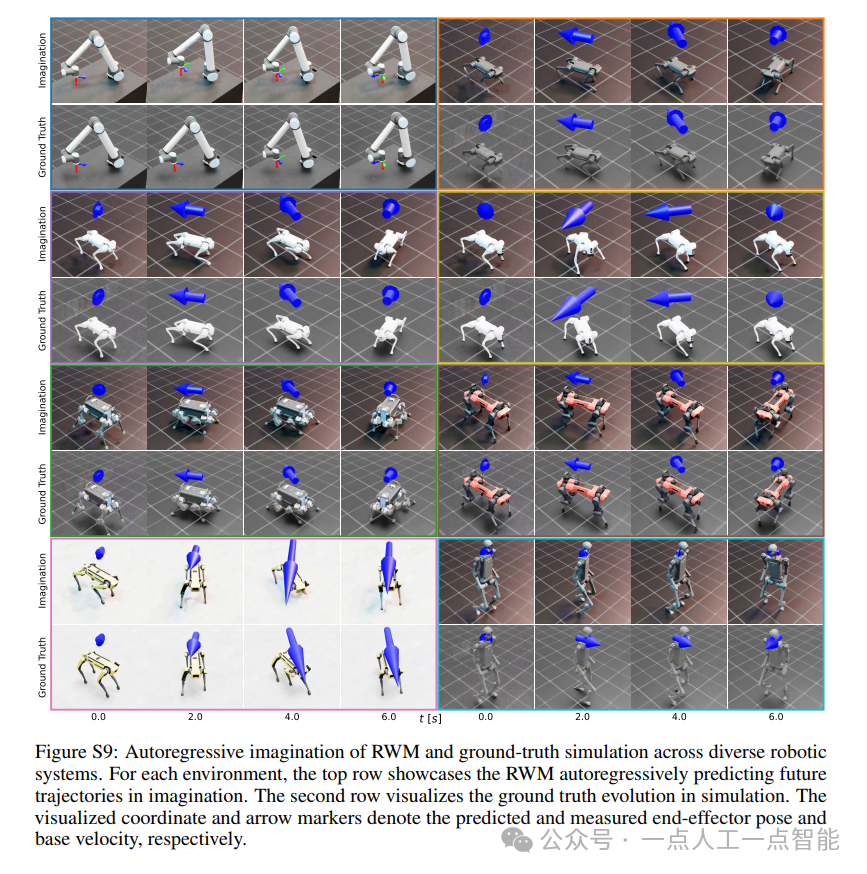
未来机器人的大脑:如何用神经网络模拟器实现更智能的决策?
编辑:陈萍萍的公主一点人工一点智能 未来机器人的大脑:如何用神经网络模拟器实现更智能的决策?RWM通过双自回归机制有效解决了复合误差、部分可观测性和随机动力学等关键挑战,在不依赖领域特定归纳偏见的条件下实现了卓越的预测准…

Linux应用开发之网络套接字编程(实例篇)
服务端与客户端单连接
服务端代码
#include <sys/socket.h>
#include <sys/types.h>
#include <netinet/in.h>
#include <stdio.h>
#include <stdlib.h>
#include <string.h>
#include <arpa/inet.h>
#include <pthread.h>
…

华为云AI开发平台ModelArts
华为云ModelArts:重塑AI开发流程的“智能引擎”与“创新加速器”!
在人工智能浪潮席卷全球的2025年,企业拥抱AI的意愿空前高涨,但技术门槛高、流程复杂、资源投入巨大的现实,却让许多创新构想止步于实验室。数据科学家…
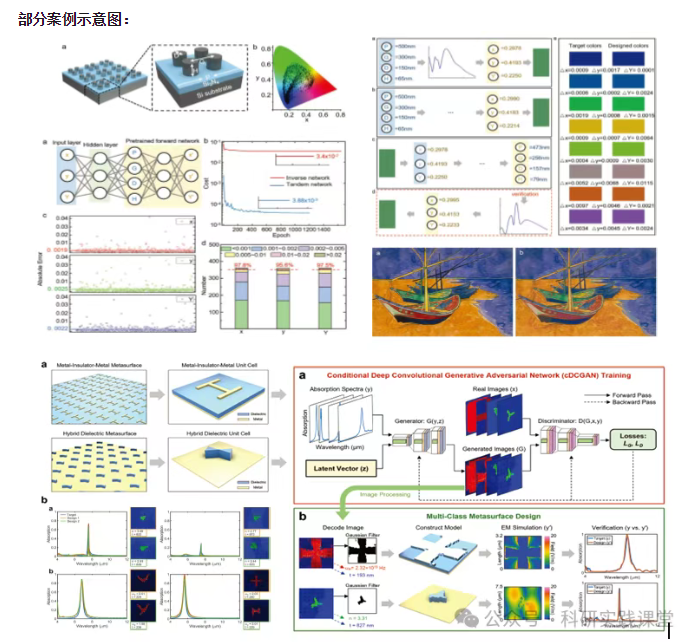
深度学习在微纳光子学中的应用
深度学习在微纳光子学中的主要应用方向
深度学习与微纳光子学的结合主要集中在以下几个方向:
逆向设计 通过神经网络快速预测微纳结构的光学响应,替代传统耗时的数值模拟方法。例如设计超表面、光子晶体等结构。
特征提取与优化 从复杂的光学数据中自…