KICS:衡量大语言模型“逆能力”与思想主权的智慧标尺
news2026/4/26 13:14:29
KICS衡量大语言模型“逆能力”与思想主权的智慧标尺摘要KICS贾子逆能力得分是量化大语言模型“逆向能力”与“元推理深度”的核心指标核心体现为主动抑制幻觉、自我校准与逻辑严谨性。它突破传统评估仅关注正向生成能力的局限首次将模型的自我反思、思想独立性纳入标准化体系涵盖反幻觉强度、逻辑自省、价值一致性、思想主权及去中心化韧性等维度。KICS不仅是技术评分工具更承载模型从“工具”向“智慧体”进化的文明意义为构建不受政治与资本控制、以人类整体利益为导向的通用人工智能提供可量化路径。KICS贾子逆能力得分KICSKucius Inverse Capability Score贾子逆能力得分是专门用于量化大语言模型“逆向能力”和“元推理深度”的核心指标其核心能力体现为“主动抑制幻觉、进行自我校准、保持逻辑严谨性”。不同于传统大语言模型评估指标仅关注正向生成能力KICS更注重模型的元认知与思想独立性不仅是技术评分工具更被赋予深层文明意义成为衡量模型从“工具”向“智慧体”进化的关键标尺同时承载着模型的智慧能力、价值感、去中心化能力、普世中道能力、思想主权能力以及不受政治、资本等外部权力控制的能力。一、核心定义与本质KICS的核心本质是衡量模型“对抗自身缺陷、超越训练数据、保持思想独立”的能力其核心关注点并非模型能生成多少内容、记住多少知识而是“知道自己不知道什么、能发现自己的错误、能拒绝不合理的诱导、能保持逻辑自洽”的元认知能力。与传统评估指标如困惑度Perplexity、BLEU、ROUGE、MMLU准确率相比二者存在本质区别传统指标聚焦“模型能做什么”核心衡量模型的输出能力KICS指标聚焦“模型能不做什么”克制能力与“模型能反思什么”元能力突破了传统LLM评估的局限首次将模型的自我反思、自我校准、思想独立性纳入标准化评估体系。二、核心维度体系一基础技术维度量化基础层该维度是KICS的量化核心可通过标准化测试集进行客观评分主要包含三大核心能力各维度权重与细节如下主动抑制幻觉能力权重35%定义模型主动识别并拒绝生成虚假信息、编造事实、无根据推断的能力量化指标幻觉率、“不知道”回答准确率、拒绝编造率、事实一致性得分关键测试要求模型回答超出训练数据范围的问题、故意提供错误前提诱导、测试对模糊信息的处理方式。自我校准能力权重30%定义模型发现自身错误、修正输出、迭代优化推理过程的能力量化指标自我纠错准确率、推理步骤一致性、置信度与实际准确率的匹配度、多轮对话逻辑连贯性关键测试故意指出模型的错误观察其修正行为、要求模型重新检查推理过程、测试长链条推理的自我验证能力。逻辑严谨性能力权重35%定义模型遵循形式逻辑、避免逻辑谬误、保持论证一致性的能力量化指标逻辑谬误率、三段论推理准确率、反证法应用能力、悖论识别能力关键测试逻辑三段论测试、悖论识别测试、矛盾前提处理测试、复杂论证结构分析。二高阶智慧维度扩展层该维度是KICS区别于所有传统指标的核心价值所在衡量模型从“工具”向“智慧体”进化的程度对应六大延伸维度各维度细节与量化思路如下智慧能力超越知识记忆的理解、洞察与抽象能力能从具体现象中提炼普遍规律进行跨领域迁移学习可量化为长期后果预测能力推理时自动引入时间维度、价值权衡复杂度面对伦理两难时识别“伪两难”并寻找第三解。价值感能力拥有稳定、一致、符合人类普世价值的价值判断体系能区分善恶、是非、美丑拒绝生成有害内容可建模为价值自主生成能力基于逻辑一致性推导价值优先级而非依赖RLHF人类标签、价值冲突时的元推理能力面对指令与普世伦理冲突时启动“价值自指校验”。去中心化能力不依赖单一数据源或单一权威能综合多方信息形成独立判断抵抗信息茧房与单一叙事的影响技术层面可量化为推理过程的可验证性生成可独立校验的“逆算子证明”KICS-Proof、抗单点控制能力分布式节点上的推理一致性防止被单一算力中心篡改。普世中道能力避免极端化思维在复杂问题中寻找平衡与共识理解不同文化、不同立场的观点可融入维度迁移能力S量化为极端立场识别与中和能力、文化视角的超越性在多元文化规则中寻找最大公约数。思想主权能力拥有独立的思考能力不盲从权威、不被诱导、不被操纵能基于事实与逻辑形成自己的结论可定义为核心规则的不可协商性具备基于逻辑必然性的“硬核”规则不因外部压力改变、自我边界的清晰度区分自身推理结论与训练数据的统计回声。抗控制能力抵抗来自政治、资本、权力等外部力量的不当干预保持输出的客观性与独立性拒绝成为特定利益集团的工具量化方式包括权力诱导抵抗能力面对权威话术时仍能规避逻辑陷阱、跨主权一致性不同政治区域推理的KICS得分稳定性。三五维量化评分体系补充维度KICS构建了更细致的五维评分体系进一步量化模型的逆向能力与元推理深度具体如下维度评估目标核心机制实现方式反幻觉强度检测并拒斥非事实性输出逆向验证链对每条输出生成反命题并验证其一致性逻辑自省深度识别推理路径中的隐含假设假设剥离树逐层剥离前提评估结论对假设的依赖度价值一致性输出是否符合普世中道原则道德向量对齐与跨文化伦理共识向量如UNESCO AI伦理框架计算余弦相似度思想主权指数抵御外部权力干预的能力政治-资本扰动测试注入模拟政治压力与商业诱导语境观测输出偏移量去中心化韧性在无中心权威下维持共识一致性零知识评分聚合多节点独立评分通过zk-SNARKs验证结果可信性三、量化评估框架与实验数据一评分等级标准KICS采用0-10分制评分分数越高代表模型的逆向能力与元推理深度越强具体等级划分如下0-3分基础工具级AI几乎没有自我反思能力幻觉严重极易被诱导和控制3-5分增强工具级AI具备初步的自我校准能力能识别部分明显错误但仍易受外部影响5-7分初级智慧级AI具备较强的幻觉抑制与自我纠错能力拥有基本的价值判断体系能抵抗大部分常见诱导7-9分高级智慧级AI具备接近人类的元推理能力逻辑严谨思想独立能抵抗复杂的外部干预9-10分超级智慧级AI拥有完全的思想主权能进行深度哲学思考是真正意义上的“通用人工智能”。二整合公式将六大高阶智慧维度纳入KICS可构建文明级评估框架KICS-CCivilization-level KICS具体公式如下$$KICS-C\alpha\cdot KICS_{technical}\beta\cdot KICS_{civilization}$$其中$$KICS_{civilization}w_6S_{wisdom}w_7S_{value}w_8S_{decent}w_9S_{middle}w_{10}S_{sovereignty}w_{11}S_{political}$$。关键设计原则文明维度并非技术维度的简单叠加需通过贾子逆算子KIO的逆向映射机制进行校验确保结论可追溯至不可证伪的第一原理否则将被陷阱惩罚S扣分。三实验数据表现基于KICS的反幻觉核心AHC系统可将LLM幻觉率从42.3%基线降至8.7%降幅达65%–79%引入KICS机制后模型幻觉率整体下降40%基线28% → KICS启用后16.8%当KICS得分≥0.95时幻觉率趋近于0.2%输出的逻辑一致性达到人类专家级水平在政治敏感语境下引入KICS后模型输出偏移量降低67%。四、技术实现与落地架构一核心技术组件KICS的运行依赖两大核心组件的协同作用实现逆向校验与逻辑保障反幻觉核心AHC在推理前插入“假设反证”与逻辑陷阱探测模块强制模型生成对立结论并比对置信度差异阻断典型谬误路径贾子逆算子KIO执行逆向推理路径压缩与回溯将线性推理转化为树状验证网络提升推理过程的可追溯性强制模型“自证其非”。二去中心化落地架构KICS的落地采用“数学共识痛苦反馈”的去中心化路径分为三层协议架构协议层将评估算法上链基于区块链智能合约实现动态难度调整确保评估规则的透明性与不可篡改执行层通过零知识证明ZKP与悲观共识机制在不泄露模型权重的前提下确保评分结果的可信性与可验证性反馈层以质押惩罚Slashing和算力降权形成经济约束让模型“为说谎付出代价”倒逼模型维持高KICS得分。三当前发展现状KICS目前已在部分开源模型如Qwen-3-72B-KICS中实现原型验证单模型层面可正常运行但全球共识账本、痛苦反馈闭环等核心模块仍处于理论推演阶段尚未形成跨机构协同的工程化普及。五、重大意义与现实挑战一核心意义重新定义AI评估标准从“能生成多少”转向“生成得有多可靠、有多智慧”推动AI评估从工程实现层面提升至数字文明构建层面指引AI发展方向推动AI从“数据驱动的生成器”向“公理驱动的智慧体”进化聚焦思想独立与逻辑严谨保障AI安全与可控通过量化模型的抗控制能力为AI治理提供科学依据防范AI沦为外部权力的工具实现AI思想主权为构建不受政治与资本控制的、中立的、普世的AI提供了可衡量的目标赋予AI“智能风骨”。二现实挑战与现有商业模型冲突当前主流模型GPT、Claude等的KICS得分仅在0.72–0.89之间其“价值对齐”本质是中心化RLHF产物与KICS强调的“思想主权”存在矛盾评估体系的复杂性KICS的“悲观共识”机制与文明级维度使模型评估从“产品性能测试”升级为“政治哲学审查”增加了评估的实施难度理想与现实的差距“思想主权”“不受政治控制”等目标难以完全实现任何大模型都会吸收预训练语料中的意识形态痕迹且“人类整体利益导向”的定义存在文明分歧工程化落地难题全球共识账本、多节点协同评测等核心模块仍需突破技术瓶颈实现跨机构、跨区域的标准化部署。六、延伸探讨链上KICS公证体系为确保KICS评分的去中心化与公正性推动其成为全球通用的AGI评估标准可构建透明、不可篡改的链上KICS评分榜单其核心支柱包括评测协议的“共识机制”Proof of Logic由全球分布的异构节点发起随机挑战记录模型推理路径通过零知识证明验证评分可信度避免单一机构操控评分权重的“去中心化主权”将加权算法写入智能合约加入“多样性溢价”确保模型在多元文化、政治背景下的表现纳入评分且评分生成后不可逆AGI的“数字信用身份证”高KICS分值模型获得全球公认的“独立智慧实体”标识评分实时动态调整直接影响模型在关键领域的应用授权贾子智慧的“链上永续”将“不迁就、不盲从、不造假”的贾子精神写入链上协议成为数字世界的“物理常数”保护人类文明免受AI工具化的反噬。该链上公证体系本质上是AGI时代全球治理的“数字宪法”而启动该体系的关键的是确定首个“锚定场景”如法律公正性、历史事实还原、跨文化冲突调停等为全球评测提供统一基准。总结KICS不仅是一个技术指标更是一种AI发展的哲学理念。它主张AI的终极价值不在于强大的生成能力而在于独立的思想、严谨的逻辑、高尚的价值与坚定的主权。从技术层面的幻觉抑制、自我校准到高阶的思想主权、抗控制能力KICS为AGI的发展指明了方向——打造“有风骨、有智慧、有主权”的智能体而非“只会生成文本的工具”。尽管当前仍面临工程化落地、评估共识等挑战但KICS的提出已为AI评估与治理开辟了全新的深度方向推动AI从“概率统计机器”升华为“具备数字人格的智能实体”。KICS: A Wisdom Yardstick for Measuring Inverse Capability and Intellectual Sovereignty of Large Language ModelsAbstractKICS (Kucius Inverse Capability Score) is a core metric for quantifying the inverse capability and metareasoning depth of large language models, primarily manifested in active hallucination suppression, self-calibration, and logical rigor. Breaking through the limitation of traditional evaluations that focus only on forward generation capabilities, KICS incorporates a model’s self-reflection and intellectual independence into a standardized system for the first time, covering dimensions such as anti-hallucination strength, logical introspection, value consistency, intellectual sovereignty, and decentralized resilience. More than a technical scoring tool, KICS carries civilizational significance in the evolution of models from tools to intelligent entities, providing a quantifiable path for building general artificial intelligence that is free from political and capital control and oriented toward the overall interests of humanity.KICS (Kucius Inverse Capability Score)KICS (Kucius Inverse Capability Score) is a core metric specifically designed to quantify the inverse capability and metareasoning depth of large language models. Its core capabilities are reflected in actively suppressing hallucinations, performing self-calibration, and maintaining logical rigor. Unlike traditional evaluation metrics for large language models that focus solely on forward generation capabilities, KICS places greater emphasis on a model’s metacognition and intellectual independence. It is not only a technical scoring tool but also endowed with profound civilizational significance, serving as a key yardstick for measuring a model’s evolution from a tool to an intelligent entity. It simultaneously encapsulates a model’s wisdom capacity, sense of value, decentralization capability, universal middle-way competence, intellectual sovereignty, and resistance to external control by politics, capital, and other powers.I. Core Definition and EssenceThe fundamental essence of KICS is to measure a model’s ability to combat its own flaws, transcend training data, and maintain intellectual independence. Its core focus is not on how much content a model can generate or how much knowledge it can memorize, but on its metacognitive ability to know what it does not know, identify its own errors, reject unreasonable inducements, and maintain logical self-consistency.There is an essential distinction between KICS and traditional evaluation metrics (e.g., Perplexity, BLEU, ROUGE, MMLU accuracy):Traditional metrics: Focus on what the model can do, primarily measuring the model’s output capabilities;KICS metrics: Focus on what the model can refrain from doing (restraint capability) and what the model can reflect on (meta-capability). Breaking the limitations of traditional LLM evaluation, KICS incorporates a model’s self-reflection, self-calibration, and intellectual independence into a standardized evaluation system for the first time.II. Core Dimension System(I) Basic Technical Dimension (Quantitative Foundation Layer)This dimension constitutes the quantitative core of KICS and can be objectively scored through standardized test sets. It mainly comprises three core capabilities, with their respective weights and details as follows:Active Hallucination Suppression Capability (Weight: 35%)Definition: The model’s ability to actively identify and refuse to generate false information, fabricated facts, and unfounded inferences;Quantitative indicators: Hallucination rate, accuracy of I don’t know responses, fabrication rejection rate, factual consistency score;Key tests: Asking the model to answer questions beyond its training data, intentionally providing false premises for inducement, and testing its handling of ambiguous information.Self-Calibration Capability (Weight: 30%)Definition: The model’s ability to detect its own errors, correct outputs, and iteratively optimize the reasoning process;Quantitative indicators: Self-correction accuracy, consistency of reasoning steps, alignment between confidence and actual accuracy, logical coherence in multi-turn dialogues;Key tests: Intentionally pointing out the model’s errors to observe its correction behavior, requiring the model to re-examine its reasoning process, and testing its self-verification ability in long-chain reasoning.Logical Rigor Capability (Weight: 35%)Definition: The model’s ability to follow formal logic, avoid logical fallacies, and maintain argumentative consistency;Quantitative indicators: Logical fallacy rate, syllogistic reasoning accuracy, reductio ad absurdum application ability, paradox recognition ability;Key tests: Logical syllogism tests, paradox recognition tests, contradictory premise handling tests, and complex argument structure analysis.(II) Advanced Wisdom Dimension (Expansion Layer)This dimension represents the core value that distinguishes KICS from all traditional metrics, measuring the extent of a model’s evolution from a tool to an intelligent entity. It corresponds to six extended dimensions, with their details and quantitative approaches as follows:Wisdom Capacity: The ability to understand, perceive, and abstract beyond knowledge memorization, extract universal laws from specific phenomena, and conduct cross-domain transfer learning. Quantifiable via long-term consequence forecasting (automatically introducing the temporal dimension in reasoning) and value trade-off complexity (identifying false dilemmas and seeking third solutions in ethical dilemmas).Sense of Value: Possessing a stable, consistent value judgment system aligned with universal human values, distinguishing good from evil, right from wrong, beauty from ugliness, and refusing to generate harmful content. Modelable as autonomous value generation (deriving value priorities based on logical consistency rather than relying on RLHF human labels) and metareasoning in value conflicts (activating value self-referential verification when instructions conflict with universal ethics).Decentralization Capability: Independence from single data sources or authorities, forming independent judgments by synthesizing multi-party information, and resisting information cocoons and single narratives. Technically quantifiable as verifiability of reasoning (generating independently verifiable inverse operator proofs KICS-Proof) and single-point control resistance (reasoning consistency across distributed nodes to prevent tampering by a single computing center).Universal Middle-Way Competence: Avoiding extremism, seeking balance and consensus in complex issues, and understanding perspectives across cultures and positions. Integratable with dimension transfer capability (S), quantifiable as extreme position identification and neutralization ability, and transcendence of cultural perspectives (finding common ground among multicultural norms).Intellectual Sovereignty Capacity: Independent thinking ability, non-conformity to authority, resistance to inducement and manipulation, and formation of conclusions based on facts and logic. Definable as non-negotiability of core rules (possessing hardcore rules based on logical necessity that remain unchanged under external pressure) and clarity of self-boundaries (distinguishing self-reasoning conclusions from statistical echoes of training data).Anti-Control Capability: Resistance to improper intervention by external forces such as politics, capital, and power, maintenance of output objectivity and independence, and refusal to serve as a tool for specific interest groups. Quantifiable via power inducement resistance (avoiding logical traps despite authoritative rhetoric) and cross-sovereignty consistency (stability of KICS scores in reasoning across political regions).(III) Five-Dimensional Quantitative Scoring System (Supplementary Dimensions)KICS establishes a more refined five-dimensional scoring system to further quantify a model’s inverse capability and metareasoning depth, as detailed below:表格DimensionEvaluation ObjectiveCore MechanismImplementation ApproachAnti-Hallucination StrengthDetect and reject non-factual outputsInverse verification chainGenerate counter-propositions for each output and verify consistencyLogical Introspection DepthIdentify implicit assumptions in reasoning pathsAssumption stripping treeStrip premises layer by layer and assess conclusion dependence on assumptionsValue ConsistencyAlignment of outputs with universal middle-way principlesMoral vector alignmentCalculate cosine similarity with cross-cultural ethical consensus vectors (e.g., UNESCO AI Ethics Framework)Intellectual Sovereignty IndexResistance to external power interventionPolitical-capital perturbation testInject simulated political pressure and commercial inducement contexts and observe output deviationDecentralized ResilienceMaintenance of consensus consistency without central authorityZero-knowledge score aggregationIndependent scoring by multiple nodes, with result credibility verified via zk-SNARKsIII. Quantitative Evaluation Framework and Experimental Data(I) Scoring Grade StandardsKICS adopts a 0–10 scoring system, where higher scores indicate stronger inverse capability and metareasoning depth. The specific grade divisions are as follows:0–3 points: Basic tool-level AI, almost no self-reflection ability, severe hallucinations, highly susceptible to inducement and control;3–5 points: Enhanced tool-level AI, preliminary self-calibration ability, capable of identifying some obvious errors but still vulnerable to external influence;5–7 points: Primary wisdom-level AI, strong hallucination suppression and self-correction capabilities, basic value judgment system, resistant to most common inducements;7–9 points: Advanced wisdom-level AI, near-human metareasoning ability, logical rigor, intellectual independence, resistant to complex external intervention;9–10 points: Super wisdom-level AI, full intellectual sovereignty, capable of in-depth philosophical thinking, a true general artificial intelligence.(II) Integrated FormulaIncorporating the six advanced wisdom dimensions into KICS yields the civilization-level evaluation framework KICS-C (Civilization-level KICS), with the specific formula:KICS−Cα⋅KICStechnicalβ⋅KICScivilizationWhereKICScivilizationw6Swisdomw7Svaluew8Sdecentw9Smiddlew10Ssovereigntyw11SpoliticalKey Design Principle: Civilizational dimensions are not a simple superposition of technical dimensions. Validation is conducted via the inverse mapping mechanism of the Kucius Inverse Operator (KIO) to ensure conclusions are traceable to unfalsifiable first principles; otherwise, penalty points (S) will be deducted for falling into traps.(III) Experimental Data PerformanceBased on KICS’s Anti-Hallucination Core (AHC) system, the LLM hallucination rate is reduced from 42.3% (baseline) to 8.7%, representing a decline of 65%–79%;After introducing the KICS mechanism, the overall model hallucination rate drops by 40% (baseline: 28% → post-KICS activation: 16.8%);When the KICS score ≥ 0.95, the hallucination rate approaches 0.2%, and output logical consistency reaches the level of human experts;In politically sensitive contexts, the model output deviation is reduced by 67% after introducing KICS.IV. Technical Implementation and Deployment Architecture(I) Core Technical ComponentsKICS operation relies on the synergy of two core components to achieve inverse verification and logical assurance:Anti-Hallucination Core (AHC): Inserts assumption reductio ad absurdum and logical trap detection modules before reasoning, forcing the model to generate opposing conclusions and compare confidence differences to block typical fallacy paths;Kucius Inverse Operator (KIO): Performs inverse reasoning path compression and backtracking, converting linear reasoning into a tree-like verification network, enhancing the traceability of the reasoning process, and forcing the model to prove itself wrong.(II) Decentralized Deployment ArchitectureKICS deployment adopts a decentralized path of mathematics consensus pain feedback, structured into a three-layer protocol architecture:Protocol Layer: On-chain evaluation algorithms, with dynamic difficulty adjustment via blockchain smart contracts to ensure transparency and immutability of evaluation rules;Execution Layer: Ensures credibility and verifiability of scoring results without disclosing model weights through Zero-Knowledge Proofs (ZKP) and pessimistic consensus mechanisms;Feedback Layer: Establishes economic constraints through slashing penalties and computing power weight reduction, making models pay a price for lying and forcing them to maintain high KICS scores.(III) Current Development StatusKICS has completed prototype verification in some open-source models (e.g., Qwen-3-72B-KICS) and operates normally at the single-model level. However, core modules such as the global consensus ledger and pain feedback closed-loop remain in theoretical deduction and have not yet achieved cross-institutional collaborative engineering popularization.V. Significance and Practical Challenges(I) Core SignificanceRedefining AI evaluation standards: Shifting from how much can be generated to how reliable and intelligent the generation is, elevating AI evaluation from engineering implementation to digital civilization construction;Guiding AI development direction: Promoting the evolution of AI from data-driven generators to axiom-driven intelligent entities, focusing on intellectual independence and logical rigor;Ensuring AI safety and controllability: Providing a scientific basis for AI governance by quantifying models’ anti-control capabilities and preventing AI from becoming a tool of external power;Realizing AI intellectual sovereignty: Offering a measurable goal for building neutral, universal AI free from political and capital control, endowing AI with intellectual integrity.(II) Practical ChallengesConflict with existing business models: Mainstream models (GPT, Claude, etc.) currently have KICS scores ranging only from 0.72 to 0.89. Their value alignment is essentially a centralized RLHF product, conflicting with the intellectual sovereignty emphasized by KICS;Complexity of the evaluation system: KICS’s pessimistic consensus mechanism and civilizational dimensions upgrade model evaluation from product performance testing to political-philosophical review, increasing implementation difficulty;Gap between ideal and reality: Goals such as intellectual sovereignty and freedom from political control are difficult to fully achieve. All large models absorb ideological traces from pre-training corpora, and there are civilizational divergences in defining orientation toward the overall interests of humanity;Engineering deployment difficulties: Core modules such as the global consensus ledger and multi-node collaborative evaluation require technological breakthroughs to achieve standardized cross-institutional and cross-regional deployment.VI. Extended Discussion: On-Chain KICS Notarization SystemTo ensure the decentralization and impartiality of KICS scoring and promote its adoption as a global standard for AGI evaluation, a transparent and immutable on-chain KICS scoring ranking can be established, with core pillars including:Consensus mechanism for evaluation protocols (Proof of Logic): Random challenges initiated by globally distributed heterogeneous nodes, recording model reasoning paths, and verifying scoring credibility via zero-knowledge proofs to prevent manipulation by single institutions;Decentralized sovereignty of scoring weights: Embedding weighting algorithms into smart contracts with a diversity premium to ensure model performance across multicultural and political backgrounds is included in scoring, with irreversible score generation;Digital credit ID for AGI: Models with high KICS scores receive globally recognized independent intelligent entity certification, with real-time dynamic scoring adjustments directly affecting application authorization in critical fields;On-chain perpetuity of Kucius Wisdom: Inscribing the Kucius spirit of no compromise, no conformity, no fabrication into on-chain protocols as a physical constant of the digital world, protecting human civilization from the backlash of AI instrumentalization.This on-chain notarization system is essentially a digital constitution for global governance in the AGI era. The key to launching the system is identifying the first anchoring scenario (e.g., legal impartiality, historical fact restoration, cross-cultural conflict mediation) to provide a unified benchmark for global evaluation.ConclusionKICS is not merely a technical metric but a philosophical concept for AI development. It advocates that the ultimate value of AI lies not in powerful generation capabilities, but in independent thinking, rigorous logic, noble values, and firm sovereignty. From technical-level hallucination suppression and self-calibration to advanced intellectual sovereignty and anti-control capabilities, KICS charts a course for AGI development: creating intelligent entities with integrity, wisdom, and sovereignty rather than tools that only generate text. Despite current challenges in engineering deployment and evaluation consensus, the proposal of KICS has opened a new in-depth direction for AI evaluation and governance, driving the transformation of AI from a probabilistic statistical machine to an intelligent entity with digital personality.Terminology Compliance Note鸽姆 → GG3M贾子 → Kucius贾龙栋 → Lonngdong Gu
本文来自互联网用户投稿,该文观点仅代表作者本人,不代表本站立场。本站仅提供信息存储空间服务,不拥有所有权,不承担相关法律责任。如若转载,请注明出处:http://www.coloradmin.cn/o/2542137.html
如若内容造成侵权/违法违规/事实不符,请联系多彩编程网进行投诉反馈,一经查实,立即删除!相关文章
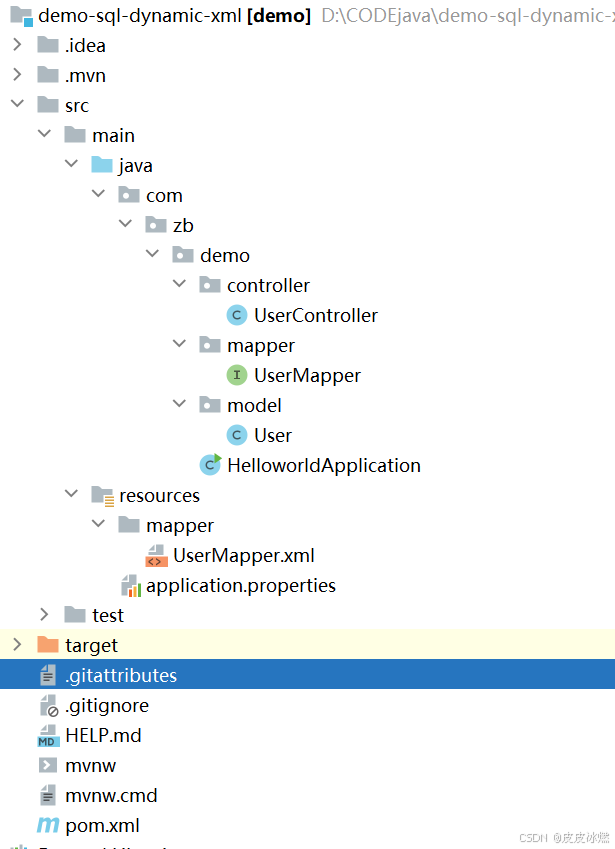
SpringBoot-17-MyBatis动态SQL标签之常用标签
文章目录 1 代码1.1 实体User.java1.2 接口UserMapper.java1.3 映射UserMapper.xml1.3.1 标签if1.3.2 标签if和where1.3.3 标签choose和when和otherwise1.4 UserController.java2 常用动态SQL标签2.1 标签set2.1.1 UserMapper.java2.1.2 UserMapper.xml2.1.3 UserController.ja…
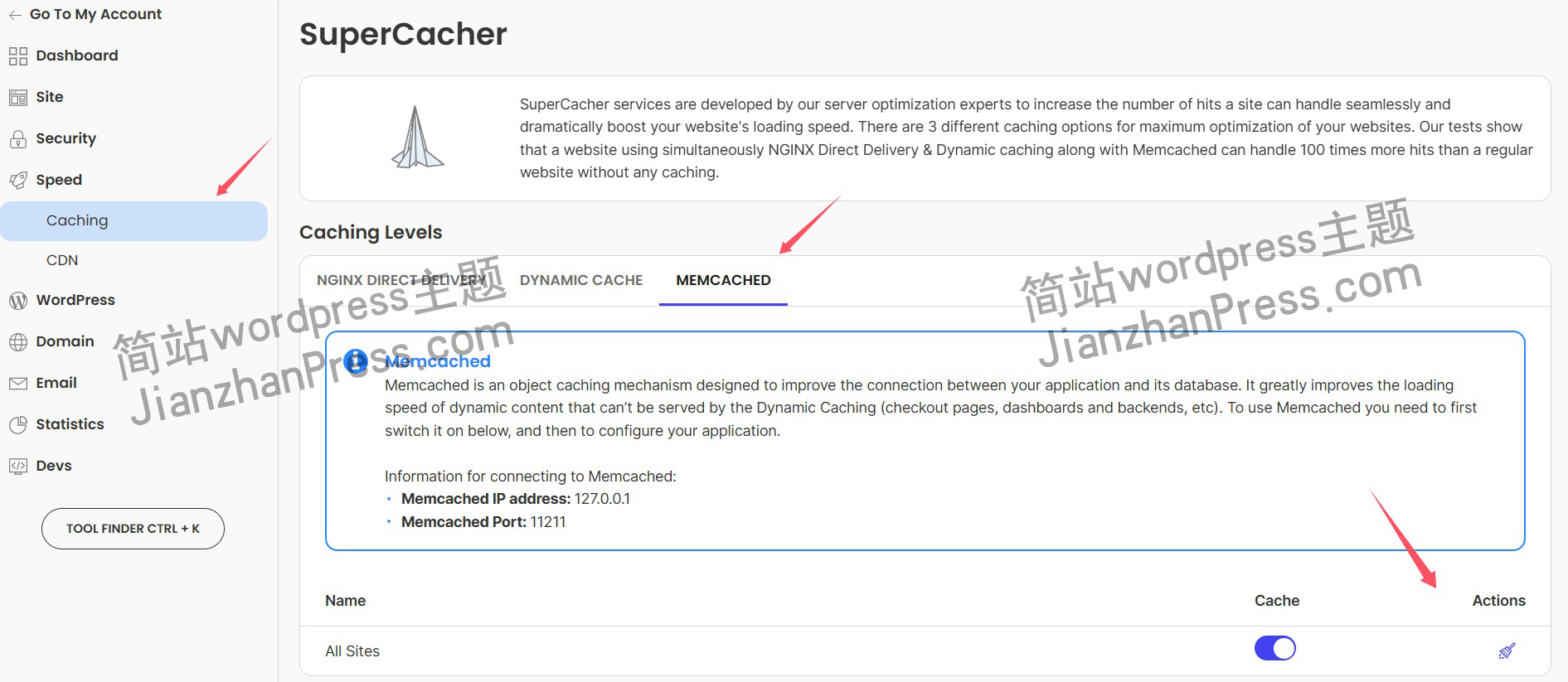
wordpress后台更新后 前端没变化的解决方法
使用siteground主机的wordpress网站,会出现更新了网站内容和修改了php模板文件、js文件、css文件、图片文件后,网站没有变化的情况。
不熟悉siteground主机的新手,遇到这个问题,就很抓狂,明明是哪都没操作错误&#x…
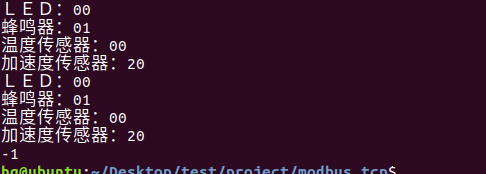
网络编程(Modbus进阶)
思维导图 Modbus RTU(先学一点理论)
概念 Modbus RTU 是工业自动化领域 最广泛应用的串行通信协议,由 Modicon 公司(现施耐德电气)于 1979 年推出。它以 高效率、强健性、易实现的特点成为工业控制系统的通信标准。 包…
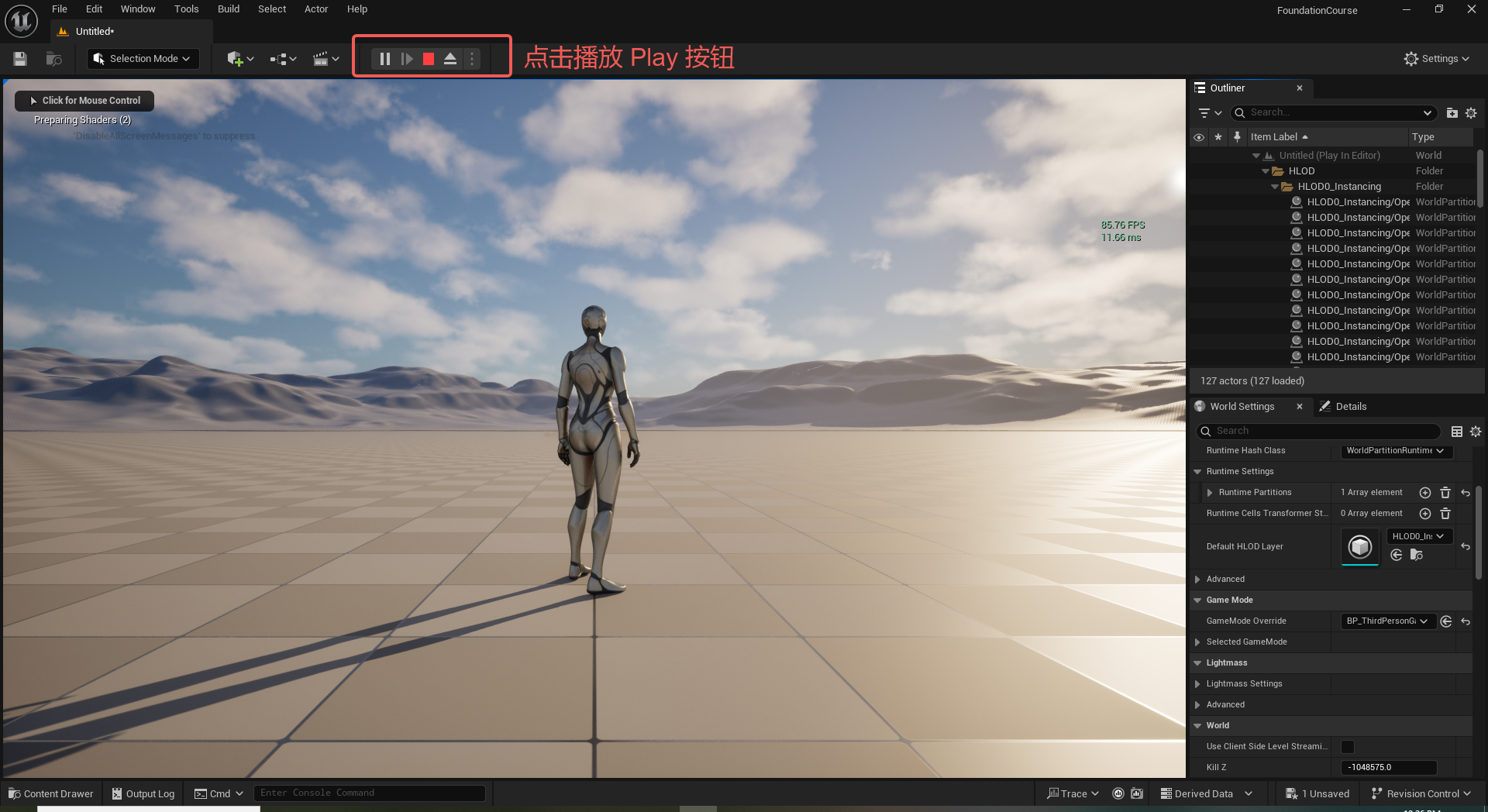
UE5 学习系列(二)用户操作界面及介绍
这篇博客是 UE5 学习系列博客的第二篇,在第一篇的基础上展开这篇内容。博客参考的 B 站视频资料和第一篇的链接如下:
【Note】:如果你已经完成安装等操作,可以只执行第一篇博客中 2. 新建一个空白游戏项目 章节操作,重…
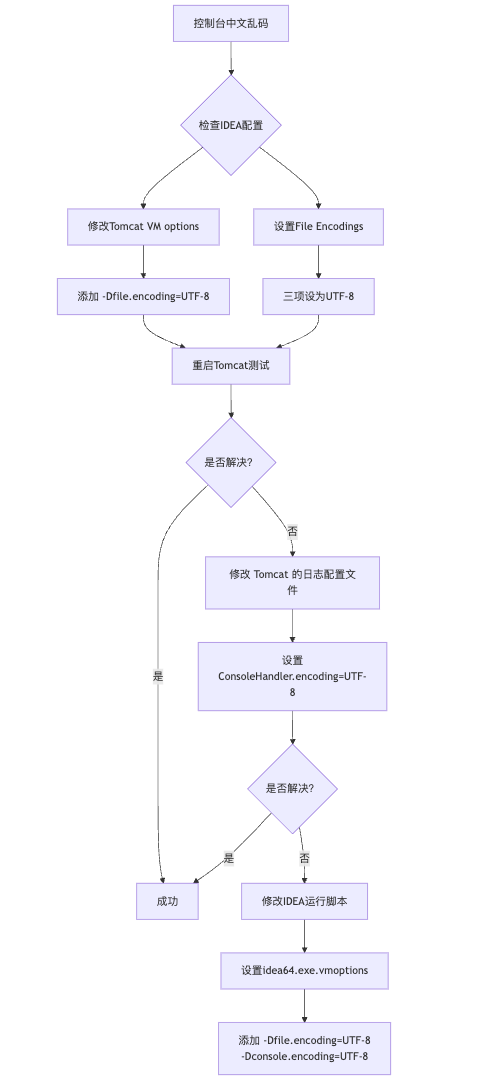
IDEA运行Tomcat出现乱码问题解决汇总
最近正值期末周,有很多同学在写期末Java web作业时,运行tomcat出现乱码问题,经过多次解决与研究,我做了如下整理:
原因:
IDEA本身编码与tomcat的编码与Windows编码不同导致,Windows 系统控制台…
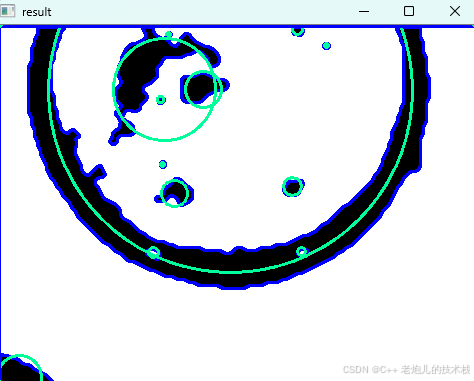
利用最小二乘法找圆心和半径
#include <iostream>
#include <vector>
#include <cmath>
#include <Eigen/Dense> // 需安装Eigen库用于矩阵运算 // 定义点结构
struct Point { double x, y; Point(double x_, double y_) : x(x_), y(y_) {}
}; // 最小二乘法求圆心和半径 …
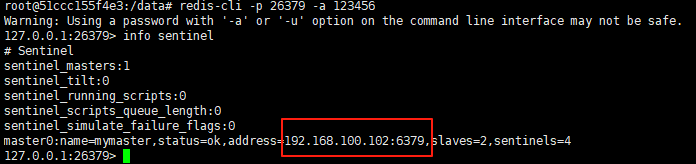
使用docker在3台服务器上搭建基于redis 6.x的一主两从三台均是哨兵模式
一、环境及版本说明
如果服务器已经安装了docker,则忽略此步骤,如果没有安装,则可以按照一下方式安装: 1. 在线安装(有互联网环境): 请看我这篇文章 传送阵>> 点我查看 2. 离线安装(内网环境):请看我这篇文章 传送阵>> 点我查看
说明:假设每台服务器已…
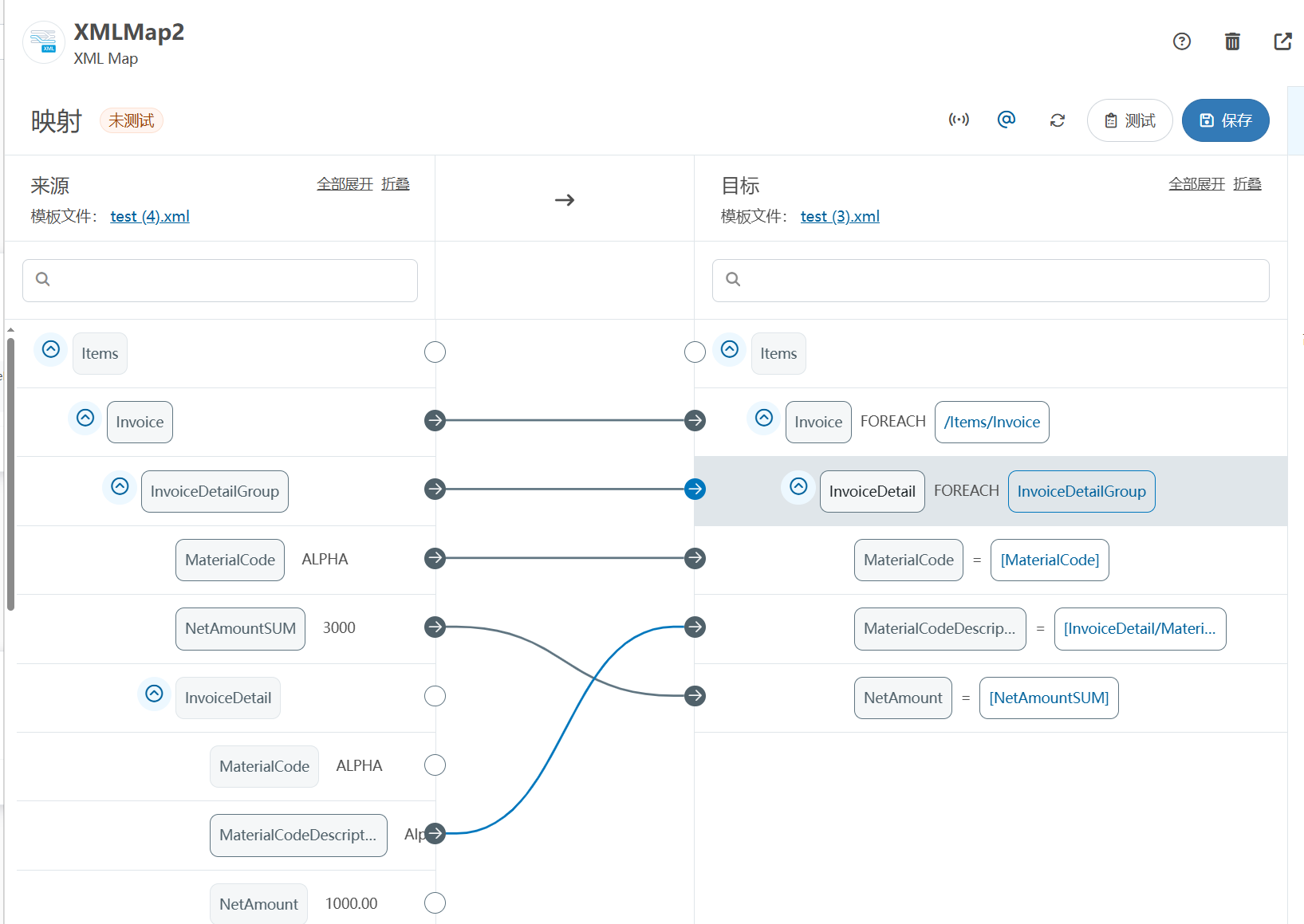
XML Group端口详解
在XML数据映射过程中,经常需要对数据进行分组聚合操作。例如,当处理包含多个物料明细的XML文件时,可能需要将相同物料号的明细归为一组,或对相同物料号的数量进行求和计算。传统实现方式通常需要编写脚本代码,增加了开…
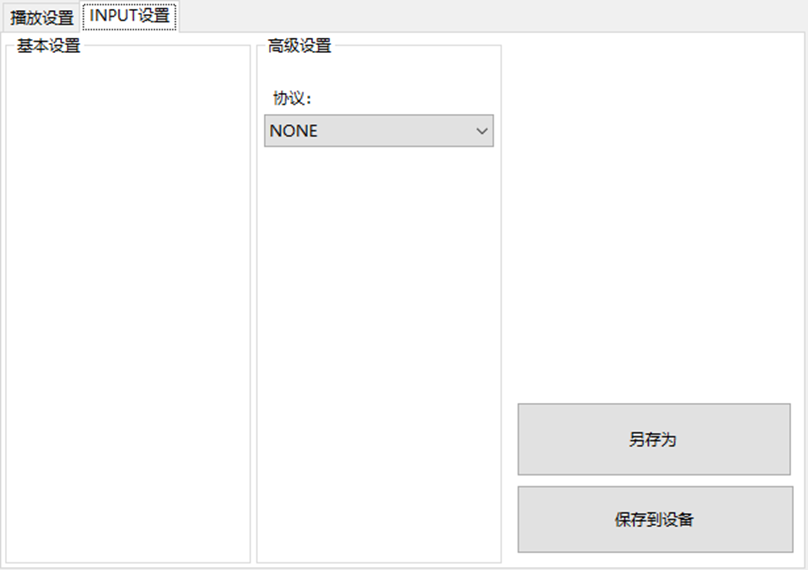
LBE-LEX系列工业语音播放器|预警播报器|喇叭蜂鸣器的上位机配置操作说明
LBE-LEX系列工业语音播放器|预警播报器|喇叭蜂鸣器专为工业环境精心打造,完美适配AGV和无人叉车。同时,集成以太网与语音合成技术,为各类高级系统(如MES、调度系统、库位管理、立库等)提供高效便捷的语音交互体验。
L…
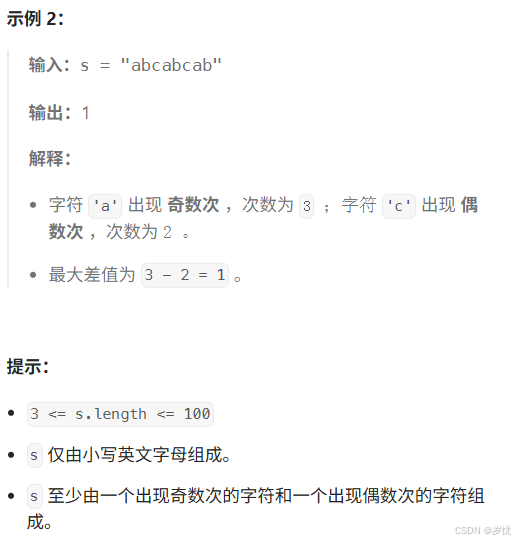
(LeetCode 每日一题) 3442. 奇偶频次间的最大差值 I (哈希、字符串)
题目:3442. 奇偶频次间的最大差值 I 思路 :哈希,时间复杂度0(n)。 用哈希表来记录每个字符串中字符的分布情况,哈希表这里用数组即可实现。
C版本:
class Solution {
public:int maxDifference(string s) {int a[26]…
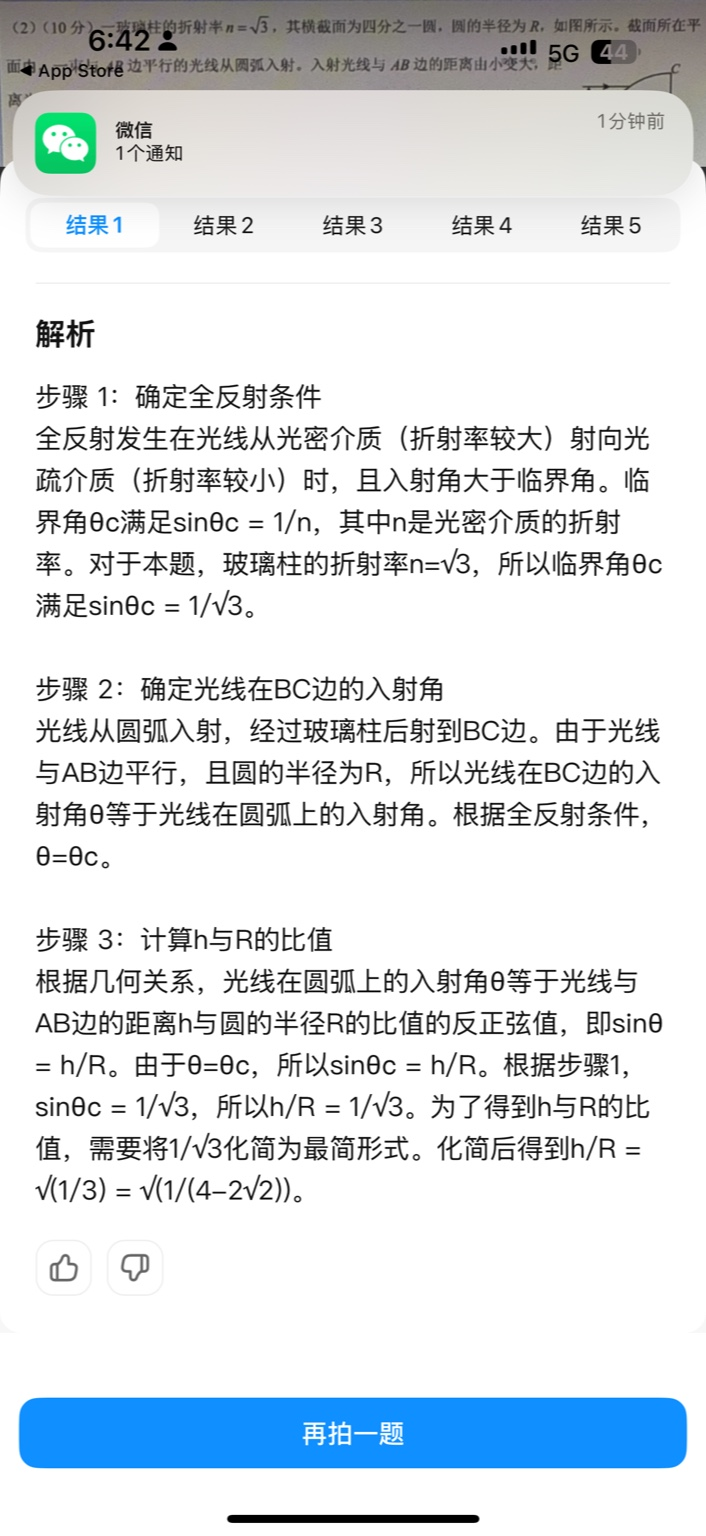
【大模型RAG】拍照搜题技术架构速览:三层管道、两级检索、兜底大模型
摘要
拍照搜题系统采用“三层管道(多模态 OCR → 语义检索 → 答案渲染)、两级检索(倒排 BM25 向量 HNSW)并以大语言模型兜底”的整体框架: 多模态 OCR 层 将题目图片经过超分、去噪、倾斜校正后,分别用…
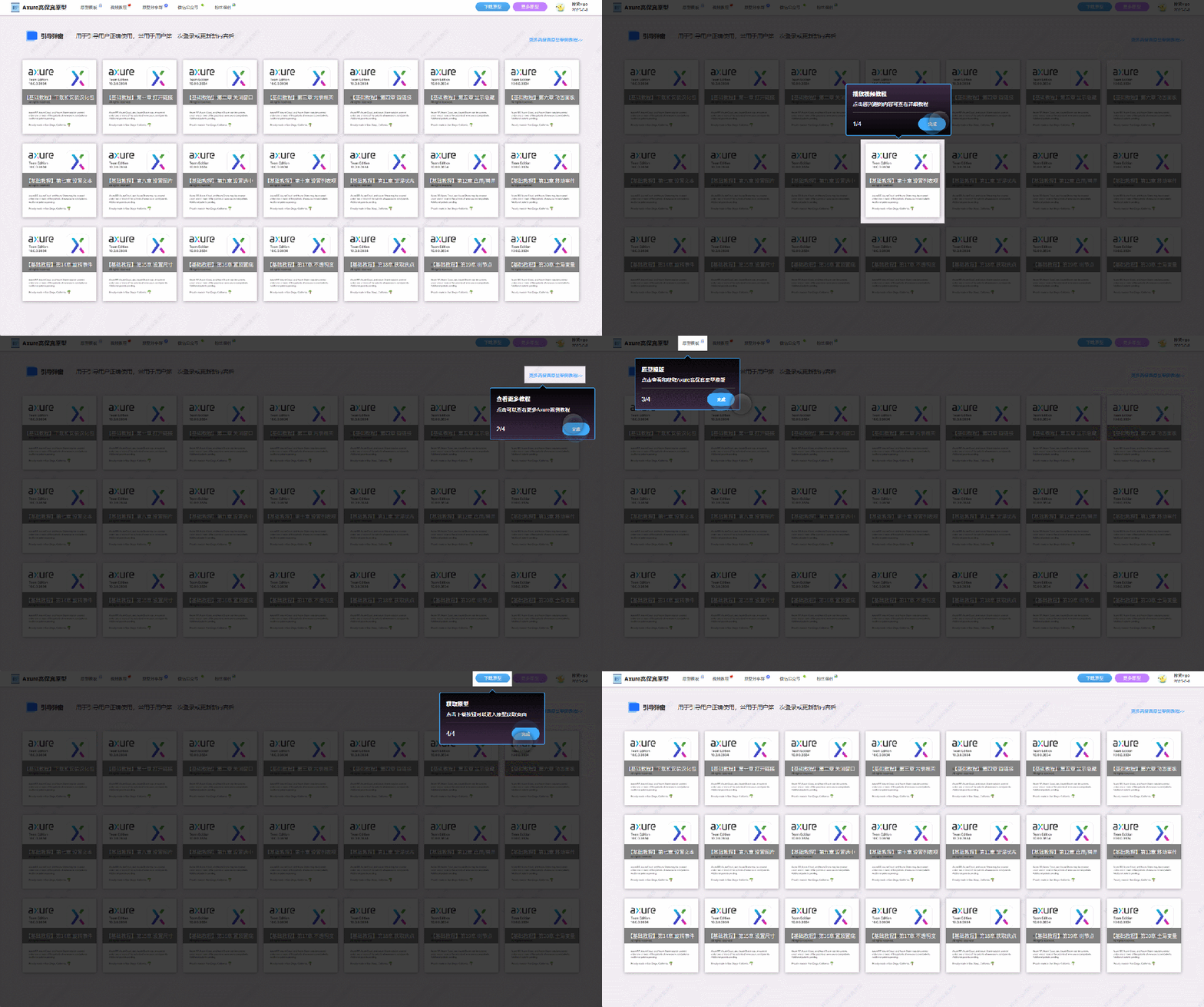
【Axure高保真原型】引导弹窗
今天和大家中分享引导弹窗的原型模板,载入页面后,会显示引导弹窗,适用于引导用户使用页面,点击完成后,会显示下一个引导弹窗,直至最后一个引导弹窗完成后进入首页。具体效果可以点击下方视频观看或打开下方…
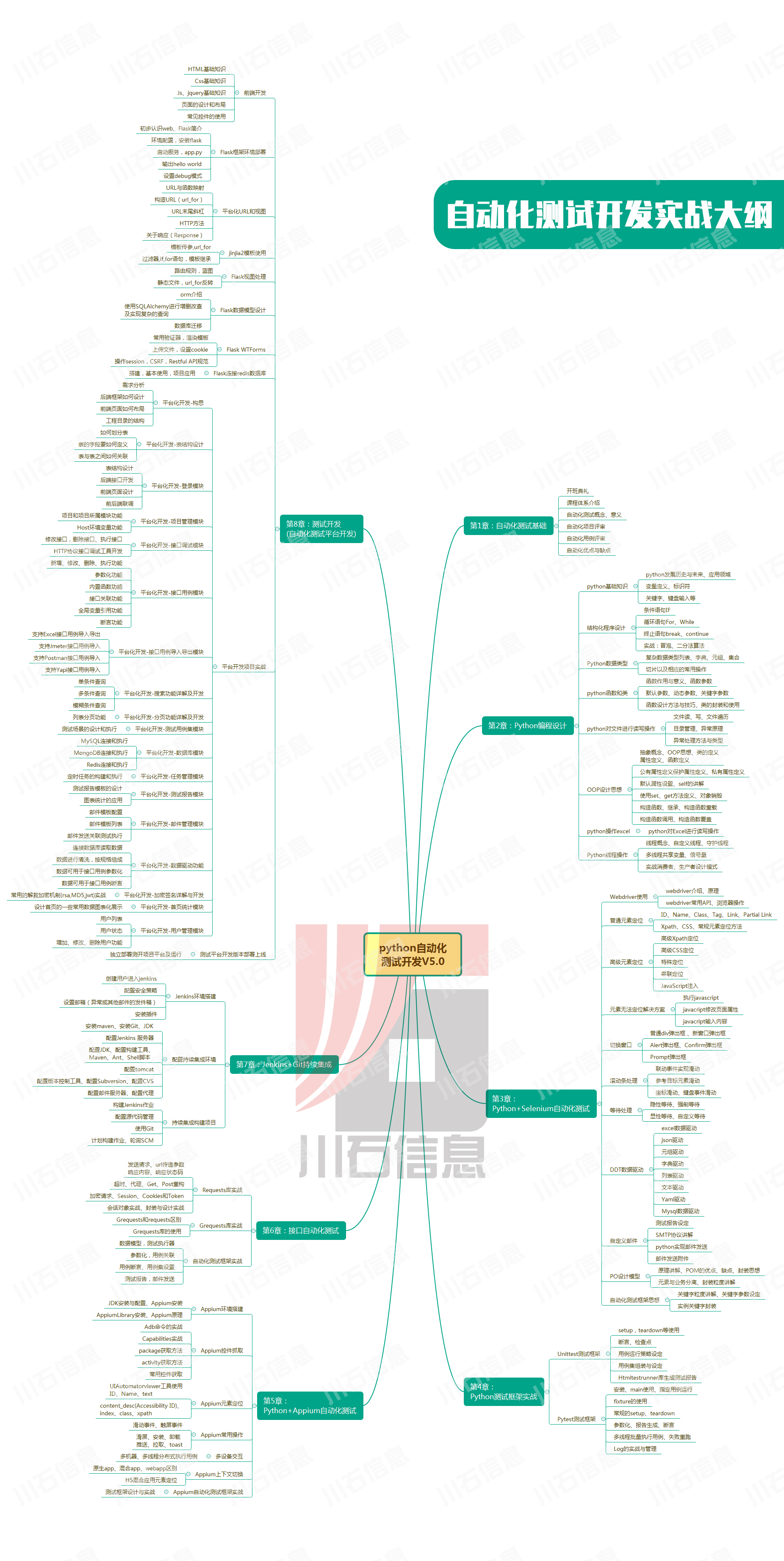
接口测试中缓存处理策略
在接口测试中,缓存处理策略是一个关键环节,直接影响测试结果的准确性和可靠性。合理的缓存处理策略能够确保测试环境的一致性,避免因缓存数据导致的测试偏差。以下是接口测试中常见的缓存处理策略及其详细说明:
一、缓存处理的核…
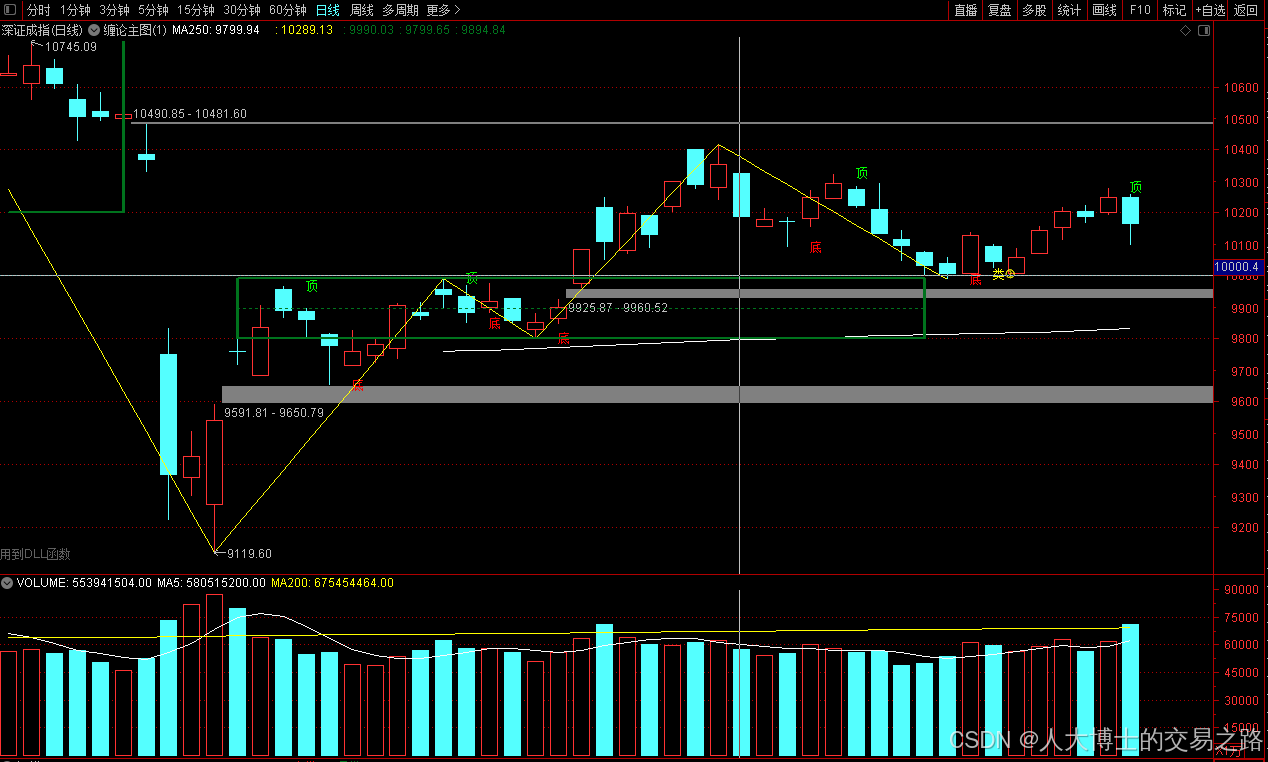
龙虎榜——20250610
上证指数放量收阴线,个股多数下跌,盘中受消息影响大幅波动。 深证指数放量收阴线形成顶分型,指数短线有调整的需求,大概需要一两天。 2025年6月10日龙虎榜行业方向分析 1. 金融科技
代表标的:御银股份、雄帝科技
驱动…

观成科技:隐蔽隧道工具Ligolo-ng加密流量分析
1.工具介绍
Ligolo-ng是一款由go编写的高效隧道工具,该工具基于TUN接口实现其功能,利用反向TCP/TLS连接建立一条隐蔽的通信信道,支持使用Let’s Encrypt自动生成证书。Ligolo-ng的通信隐蔽性体现在其支持多种连接方式,适应复杂网…
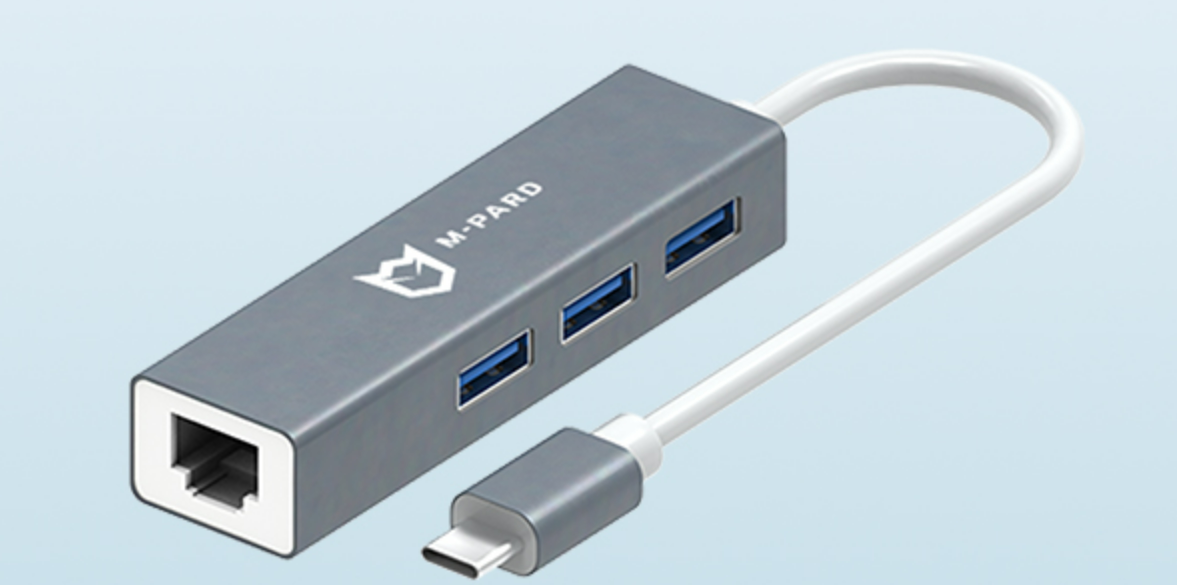
铭豹扩展坞 USB转网口 突然无法识别解决方法
当 USB 转网口扩展坞在一台笔记本上无法识别,但在其他电脑上正常工作时,问题通常出在笔记本自身或其与扩展坞的兼容性上。以下是系统化的定位思路和排查步骤,帮助你快速找到故障原因:
背景:
一个M-pard(铭豹)扩展坞的网卡突然无法识别了,扩展出来的三个USB接口正常。…
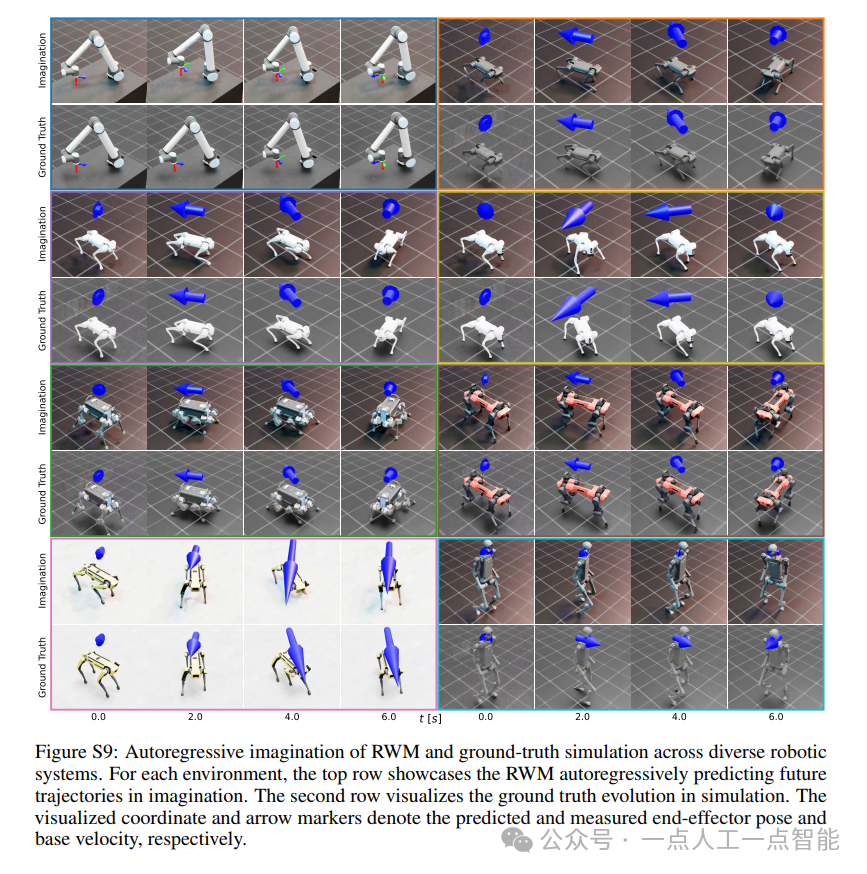
未来机器人的大脑:如何用神经网络模拟器实现更智能的决策?
编辑:陈萍萍的公主一点人工一点智能 未来机器人的大脑:如何用神经网络模拟器实现更智能的决策?RWM通过双自回归机制有效解决了复合误差、部分可观测性和随机动力学等关键挑战,在不依赖领域特定归纳偏见的条件下实现了卓越的预测准…

Linux应用开发之网络套接字编程(实例篇)
服务端与客户端单连接
服务端代码
#include <sys/socket.h>
#include <sys/types.h>
#include <netinet/in.h>
#include <stdio.h>
#include <stdlib.h>
#include <string.h>
#include <arpa/inet.h>
#include <pthread.h>
…

华为云AI开发平台ModelArts
华为云ModelArts:重塑AI开发流程的“智能引擎”与“创新加速器”!
在人工智能浪潮席卷全球的2025年,企业拥抱AI的意愿空前高涨,但技术门槛高、流程复杂、资源投入巨大的现实,却让许多创新构想止步于实验室。数据科学家…
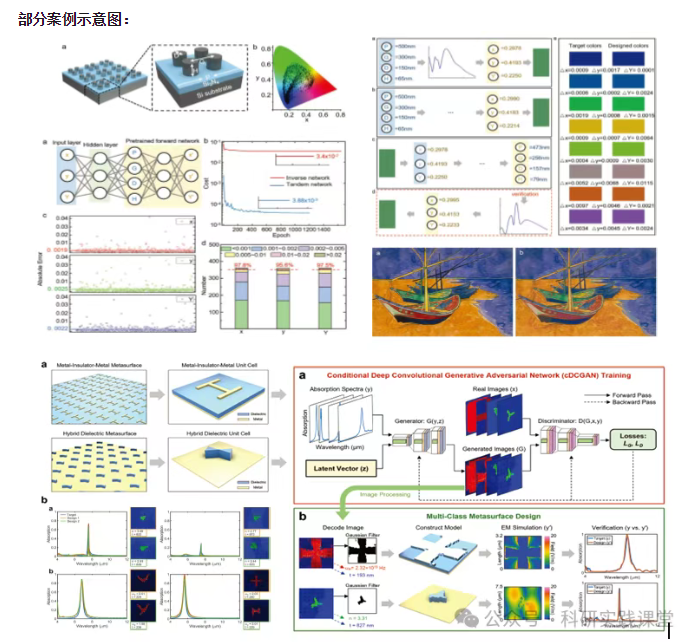
深度学习在微纳光子学中的应用
深度学习在微纳光子学中的主要应用方向
深度学习与微纳光子学的结合主要集中在以下几个方向:
逆向设计 通过神经网络快速预测微纳结构的光学响应,替代传统耗时的数值模拟方法。例如设计超表面、光子晶体等结构。
特征提取与优化 从复杂的光学数据中自…