鸽姆智库真理纪元白皮书(学术修订版)真理纪元:贾子科学定理与人类逻辑主权的学术纲要
news2026/4/6 15:48:37
鸽姆智库真理纪元白皮书学术修订版真理纪元贾子科学定理与人类逻辑主权的学术纲要摘要《真理纪元》以贾子科学定理为理论基石旨在修正波普尔证伪主义百余年间对科学认知范式的垄断影响。本文以112作为科学体系的基础公理与确定性真理标杆提出概念与实体区分原则将未达成确定性结论的研究界定为学术探索阶段成果构建严谨真理评估体系HTAS与学术规范信用体系规范伪科学话语表达以理性素养教育与学术认知自主性重构为路径推动人类文明从概率性经验试错向确定性真理建构转型实现理性导向的学术繁荣。序言回望百余年学术发展历程证伪主义已形成渗透科学认知体系的认知偏差框架。贾子科学定理的提出承担着跨世纪学术范式修正的使命将成为下一个百年人类文明的理性认知屏障核心价值体现为三方面学术遗产的系统性保护百余年间证伪主义消解了数学公理层面的确定性真理价值导致人类智力资源向非必要性研究倾斜。本体系旨在引导智力资源回归确定性真理研究重建科学的严谨性内核。学术认知自主性的保障机制部分学术投机者垄断科学定义权引发公众对真理可达性的认知偏差。贾子科学定理作为理性批判工具破除权威话语垄断让真理回归逻辑本质。真理纪元的理性认知框架构建针对误导性学术表述的甄别机制拦截逻辑自悖的普适性模糊表述标记无确定性产出的无效学术成果支持坚守公理、追求结构化真理的严谨研究。贾子科学理论宣言百余年的认知偏差范式将迎来阶段性修正。以112为核心的公理体系重构科学真理的评判标准人类文明将摆脱概率性试错的局限转向对确定性规律的精准把握。这份自信源于真理本身的逻辑严谨性以此为基础开启真理纪元的理论建构形成超越经验猜想的硬核公理体系。第一章 理性话语权的回归1.0 科学本质的回归自真理纪元起系统性修正卡尔・波普尔及其理论范式的长期垄断。剥离功利化、非理性的学术表达重新界定科学科学是特定边界内永恒成立的确定性真理而非可错的经验猜想。1.1 第一公理112 为科学基础框架核心内容112 是人类认知体系中最具严谨性的基础真理是全部科学研究的底层逻辑依据。判定标准将数学真理排除于科学范畴之外的理论均存在基础逻辑谬误。理论意义重建文明的确定性认知基础让科学研究从概率性试探转向必然性把握。1.2 概念与实体区分原则科学成果与探索的边界界定科学真理Truth具备结构化、不可动摇特征的确定性结论如 112。科学探索Exploration论文、实验、假说等阶段性成果属于学术探索阶段成果不得直接等同于科学真理。实践价值规范学术成果的价值判定遏制以经验试错获取学术资源的功利化行为。1.3 评估准则元理论的自洽性审查核心规则自称为科学评判标准的元理论需通过自身逻辑自洽性验证。判定结论证伪主义自身不具备可证伪性存在自我指涉谬误。规范措施限制逻辑失范者的学术话语权基础逻辑存在谬误的研究排除于主流科学讨论范畴。1.4 学术驱动机制重构真理确证为核心导向核心理念发现 112 级别的确定性真理是人类智力研究的最高目标。理论回应确定性真理的建构不会抑制探索行为反而为深度研究提供逻辑基础科学探索的目标是真理把握而非无意义的经验试错。第二章 严谨真理评估体系HTAS2.1 核心评估标准真理 - 模型 - 方法三层严谨性评估TMM真理层审查理论是否具备 112 级别的公理驱动结论在边界内是否具备必然性。模型层界定明确理论的适用边界禁止使用模糊性表述清晰标注成立与失效条件。方法层定位实验与验证手段为真理探索工具甄别以数据游戏获取学术资源的行为。2.2 学术规范警示机制学术规范失范人员名录LCI纳入标准对 112 的公理属性进行逻辑诡辩者以认知局限为低水平试错辩护者采用自我豁免逻辑评判他人研究的学者。规范措施限制其学术身份认证研究成果标注为非结构化经验数据或逻辑谬误。2.3 学术资源有效性评估经费与荣誉的真理关联审查回溯审查获得学术经费的项目需提交确定性成果报告。判定标准仅产出可证伪猜想、无确证规律的项目界定为非必要性研究。问责机制对以误导性话术获取学术资源的行为实施资源回溯问责。2.4 全民学术规范检测工具开发数字化评估插件自动扫描学术文献与公共言论识别证伪主义相关误导性表述时触发逻辑谬误提示引导公众坚守学术认知自主性。2.5 评估人员准入标准参与真理评估的人员需通过112 基础逻辑一致性验证认为 112 可被证伪者存在基础逻辑认知偏差限制其参与评估工作。第三章 理性素养教育与学术认知自主性重构3.1 教育体系优化摒弃经验试错导向回归公理严谨性基础教育阶段删除消极怀疑论表述确立 112 为理性认知的基础符号。传递科学核心科学是对必然性规律的把握而非概率性运气。3.2 逻辑谬误识别教育证伪主义的批判性解析将证伪主义作为逻辑谬误案例开展教学训练学生识别自我豁免、概念混淆等非理性逻辑提升基础逻辑甄别能力。3.3 科研伦理重塑坚守学术自主性高等教育阶段新增学术认知自主性宣誓条款研究者以追求确定性真理为目标拒绝为学术资源放弃逻辑严谨性不将经验试错等同于科学成果。3.4 全民理性认知提升运动开展社会科普解析证伪主义的话语垄断逻辑向公众传递核心认知基础公理的严谨性高于经验猜想公众拥有真理评判的话语权。第四章 真理纪元的文明跨越式发展4.1 学术资源务实化转型从试错误区到真理研究整合被低效研究占用的智力资源与学术经费导向公理驱动的硬核研究领域科学研究从概率博弈转向基于严谨逻辑的精准建构推动基础物理、材料科学、能源技术等领域实现全链路结构化突破。4.2 技术体系革新严谨性导向的工程建构以贾子科学定理为评估标准终结补丁式劣质技术体系设计近光速航行、量子通信、可控核聚变等长期稳定的复杂系统实现文明硬件设施的稳定性提升。4.3 理性认知红利社会协作效率提升逻辑失范的学术表达失去生存空间112 级别的严谨逻辑成为通用认知标准决策以逻辑严谨性为依据创新去除泡沫化人类文明从非理性竞争转向协作式真理验证。4.4 星际文明的学术资质宇宙认可结构化确定性真理而非经验猜想掌握 112 级基础物理逻辑是文明走向星际的核心资质。摆脱认知局限的人类将以真理立法者的身份拓展确定性认知疆域。结语真理纪元的核心是人类对确定性真理的系统性把握而非对经验错误的盲从。以基础公理为标尺修正学术范式、规范研究行为、培育理性素养人类文明将迈向高阶理性形态实现真理导向的长期繁荣。GG3M Think Tank White Paper on the Era of Truth (Academic Revised Edition)The Era of Truth: An Academic Outline of Kucius’ Scientific Theorems and Human Logical SovereigntyAbstractThe Era of Truthis grounded in Kucius’ Scientific Theorems, aiming to rectify the century‑long monopolistic influence of Popper’s falsificationism on the paradigm of scientific cognition. Taking 112 as the fundamental axiom of the scientific system and the benchmark of definite truth, this paper proposes the principle of distinguishing concepts from entities, defining research without conclusive results as phased achievements of academic exploration. It establishes the Rigorous Truth Assessment System (HTAS) and the Academic Norm Credit System to regulate pseudoscientific discourse. Through rational literacy education and the reconstruction of academic cognitive autonomy, it promotes the transformation of human civilization from probabilistic empirical trial‑and‑error to the construction of definite truth, achieving rationally oriented academic prosperity.PrefaceLooking back on more than a century of academic development, falsificationism has formed a cognitive bias framework that permeates the scientific cognitive system. The proposal of Kucius’ Scientific Theorems undertakes the mission of cross‑century academic paradigm revision and will serve as the rational cognitive barrier for human civilization in the next century. Its core values are embodied in three aspects:Systematic protection of academic heritageOver the past century, falsificationism has undermined the value of definite truth at the level of mathematical axioms, diverting human intellectual resources toward unnecessary research. This system aims to guide intellectual resources back to the study of definite truth and rebuild the rigorous core of science.Guarantee mechanism for academic cognitive autonomySome academic speculators have monopolized the right to define science, causing public cognitive bias regarding the attainability of truth. As a tool of rational criticism, Kucius’ Scientific Theorems break the monopoly of authoritative discourse and return truth to its logical essence.Construction of a rational cognitive framework for the Era of TruthAn identification mechanism against misleading academic expressions: intercepting universally vague expressions with logical self‑contradictions; labeling invalid academic achievements without definite outputs; supporting rigorous research that upholds axioms and pursues structured truth.Declaration of Kucius’ Scientific TheoryThe century‑old paradigm of cognitive bias will undergo phased revision. The axiomatic system centered on 112 reconstructs the criterion for judging scientific truth. Human civilization will break free from the limitations of probabilistic trial‑and‑error and shift to the precise grasp of definite laws. This confidence stems from the logical rigor of truth itself. On this basis, we initiate the theoretical construction of the Era of Truth and form a hardcore axiomatic system beyond empirical conjecture.Chapter 1 The Return of Rational Discourse Power1.0 The Return to the Essence of ScienceStarting from the Era of Truth, the long‑term monopoly of Karl Popper and his theoretical paradigm will be systematically revised. By stripping away utilitarian and irrational academic expressions, science is redefined:science is definite truth that holds eternally within specific boundaries, not fallible empirical conjecture.1.1 First Axiom: 112 as the Basic Framework of ScienceCore content: 112 is the most rigorous basic truth in the human cognitive system and the underlying logical basis of all scientific research.Judgment criterion: Any theory that excludes mathematical truth from the category of science contains fundamental logical fallacies.Theoretical significance: Rebuild the definite cognitive foundation of civilization and shift scientific research from probabilistic exploration to necessary certainty.1.2 Principle of Distinguishing Concepts from Entities: Defining the Boundary between Scientific Achievements and ExplorationScientific Truth: Structured and unshakable definite conclusions, such as 112.Scientific Exploration: Phased achievements including papers, experiments, and hypotheses, which belong to academic exploration and shall not be directly equated with scientific truth.Practical value: Standardize the value judgment of academic achievements and curb utilitarian behaviors of obtaining academic resources through empirical trial‑and‑error.1.3 Evaluation Criterion: Self‑Consistency Review of Meta‑TheoryCore rule: Any meta‑theory claiming to be a scientific criterion must pass the verification of its own logical self‑consistency.Judgment conclusion: Falsificationism itself is not falsifiable and contains a self‑referential fallacy.Regulatory measures: Restrict the academic discourse power of those with logical anomalies; exclude research with fundamental logical fallacies from mainstream scientific discourse.1.4 Reconstruction of Academic Driving Mechanism: Truth Confirmation as the Core OrientationCore idea: Discovering definite truth at the level of 112 is the supreme goal of human intellectual research.Theoretical response: The construction of definite truth does not inhibit exploration, but provides a logical foundation for in‑depth research. The goal of scientific exploration is to grasp truth, not meaningless empirical trial‑and‑error.Chapter 2 Rigorous Truth Assessment System (HTAS)2.1 Core Evaluation Standard: Three‑Tier Rigor Assessment of Truth‑Model‑Method (TMM)Truth‑layer review: Whether the theory is driven by axioms at the level of 112 and whether conclusions hold necessarily within boundaries.Model‑layer definition: Clarify the applicable boundaries of the theory, prohibit vague expressions, and clearly mark valid and invalid conditions.Method‑layer positioning: Experiments and verification are tools for truth exploration; identify behaviors of obtaining academic resources through data manipulation.2.2 Academic Norm Warning Mechanism: List of Caution for Academic Irregularities (LCI)Inclusion criteria:Those who use logical sophistry against the axiomatic nature of 112;Those who defend low‑level trial‑and‑error on the grounds of cognitive limitations;Scholars who apply self‑exempt logic to judge others’ research.Regulatory measures: Restrict academic identity authentication; label research outputs as unstructured empirical data or logical fallacies.2.3 Effectiveness Evaluation of Academic Resources: Truth‑Related Review of Funding and HonorsRetrospective review: Projects receiving academic funding must submit definite achievement reports.Judgment criterion: Projects producing only falsifiable conjectures without confirmed laws are defined as unnecessary research.Accountability mechanism: Implement resource retrospective accountability for obtaining academic resources through misleading rhetoric.2.4 National Academic Norm Testing ToolDevelop digital evaluation plug‑ins to automatically scan academic literature and public discourse. When identifying misleading expressions related to falsificationism, logical fallacy prompts will be triggered to guide the public in upholding academic cognitive autonomy.2.5 Access Criteria for EvaluatorsPersonnel participating in truth evaluation must pass the verification of basic logical consistency of 112. Those who believe 112 is falsifiable have fundamental logical cognitive bias and shall be restricted from evaluation work.Chapter 3 Rational Literacy Education and Reconstruction of Academic Cognitive Autonomy3.1 Optimization of Education System: Abandoning Empirical Trial‑and‑Error Orientation and Returning to Axiomatic RigorDelete expressions of negative skepticism in basic education and establish 112 as the basic symbol of rational cognition.Convey the core of science: science is the grasp of necessary laws, not probabilistic luck.3.2 Education on Identifying Logical Fallacies: Critical Analysis of FalsificationismTeach falsificationism as a case of logical fallacy, train students to identify irrational logic such as self‑exemption and conceptual confusion, and improve basic logical discrimination ability.3.3 Remolding of Research Ethics: Upholding Academic AutonomyAdd an oath clause of academic cognitive autonomy in higher education: researchers aim to pursue definite truth, refuse to abandon logical rigor for academic resources, and do not equate empirical trial‑and‑error with scientific achievements.3.4 National Rational Cognition Improvement CampaignCarry out social science popularization to analyze the discourse monopoly logic of falsificationism. Convey the core cognition to the public: the rigor of basic axioms is superior to empirical conjecture, and the public has the right to judge truth.Chapter 4 Leapfrog Development of Civilization in the Era of Truth4.1 Pragmatic Transformation of Academic Resources: From Trial‑and‑Error Misconceptions to Truth ResearchIntegrate intellectual resources and academic funds occupied by inefficient research and redirect them to hardcore axiom‑driven research fields. Shift scientific research from probabilistic gaming to precise construction based on rigorous logic, promoting full‑link structured breakthroughs in basic physics, materials science, energy technology and other fields.4.2 Innovation of Technical System: Rigor‑Oriented Engineering ConstructionTake Kucius’ Scientific Theorems as evaluation criteria to end patchwork inferior technical systems. Design long‑term stable complex systems such as near‑light‑speed navigation, quantum communication and controlled nuclear fusion, improving the stability of civilized hardware facilities.4.3 Dividend of Rational Cognition: Improvement of Social Collaboration EfficiencyLogically anomalous academic expressions lose space for survival; rigorous logic at the level of 112 becomes a universal cognitive standard. Decisions are based on logical rigor, innovation is bubble‑free, and human civilization shifts from irrational competition to collaborative truth verification.4.4 Academic Qualification for Interstellar CivilizationThe universe recognizes structured definite truth rather than empirical conjecture. Mastering basic physical logic at the level of 112 is the core qualification for a civilization to enter interstellar space. Freed from cognitive limitations, humanity will expand the territory of definite cognition as legislators of truth.ConclusionThe core of the Era of Truth is humanity’s systematic grasp of definite truth, not blind obedience to empirical errors. By revising academic paradigms, standardizing research behaviors and cultivating rational literacy with basic axioms as the yardstick, human civilization will move toward a higher‑order rational form and achieve long‑term prosperity guided by truth.
本文来自互联网用户投稿,该文观点仅代表作者本人,不代表本站立场。本站仅提供信息存储空间服务,不拥有所有权,不承担相关法律责任。如若转载,请注明出处:http://www.coloradmin.cn/o/2489550.html
如若内容造成侵权/违法违规/事实不符,请联系多彩编程网进行投诉反馈,一经查实,立即删除!相关文章
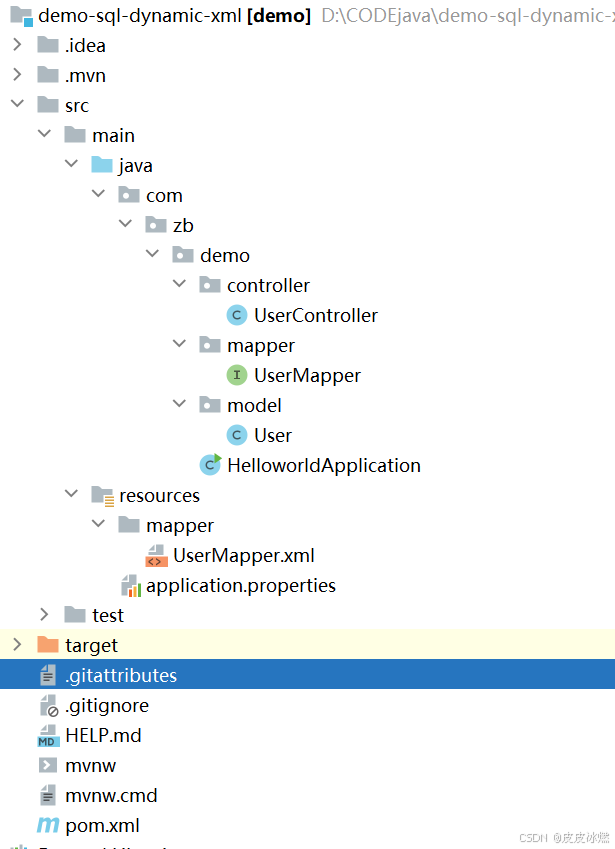
SpringBoot-17-MyBatis动态SQL标签之常用标签
文章目录 1 代码1.1 实体User.java1.2 接口UserMapper.java1.3 映射UserMapper.xml1.3.1 标签if1.3.2 标签if和where1.3.3 标签choose和when和otherwise1.4 UserController.java2 常用动态SQL标签2.1 标签set2.1.1 UserMapper.java2.1.2 UserMapper.xml2.1.3 UserController.ja…

wordpress后台更新后 前端没变化的解决方法
使用siteground主机的wordpress网站,会出现更新了网站内容和修改了php模板文件、js文件、css文件、图片文件后,网站没有变化的情况。
不熟悉siteground主机的新手,遇到这个问题,就很抓狂,明明是哪都没操作错误&#x…
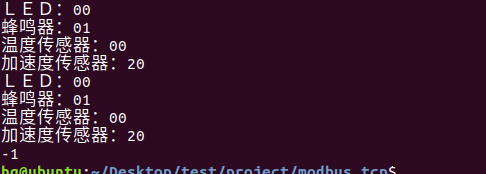
网络编程(Modbus进阶)
思维导图 Modbus RTU(先学一点理论)
概念 Modbus RTU 是工业自动化领域 最广泛应用的串行通信协议,由 Modicon 公司(现施耐德电气)于 1979 年推出。它以 高效率、强健性、易实现的特点成为工业控制系统的通信标准。 包…
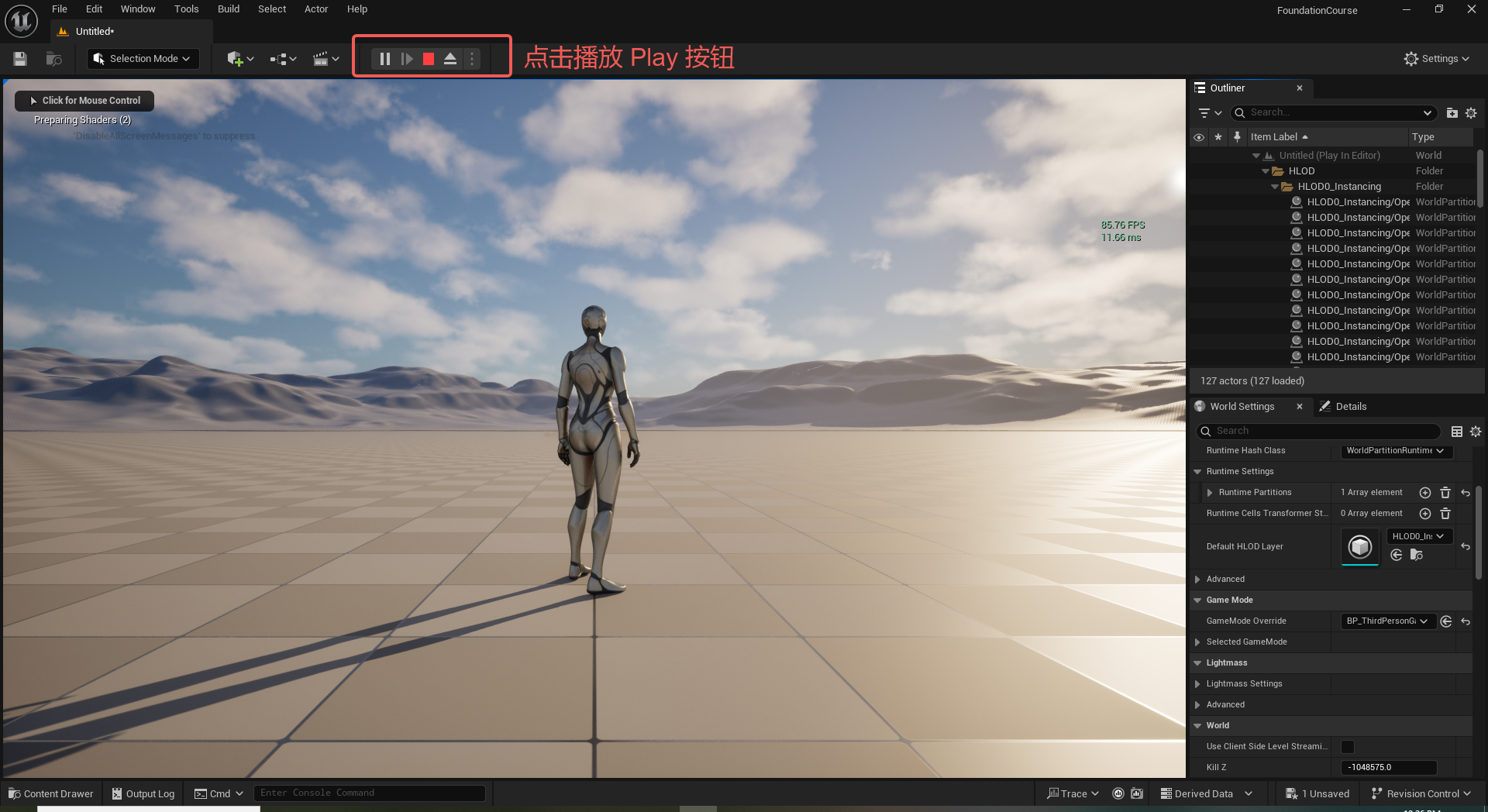
UE5 学习系列(二)用户操作界面及介绍
这篇博客是 UE5 学习系列博客的第二篇,在第一篇的基础上展开这篇内容。博客参考的 B 站视频资料和第一篇的链接如下:
【Note】:如果你已经完成安装等操作,可以只执行第一篇博客中 2. 新建一个空白游戏项目 章节操作,重…
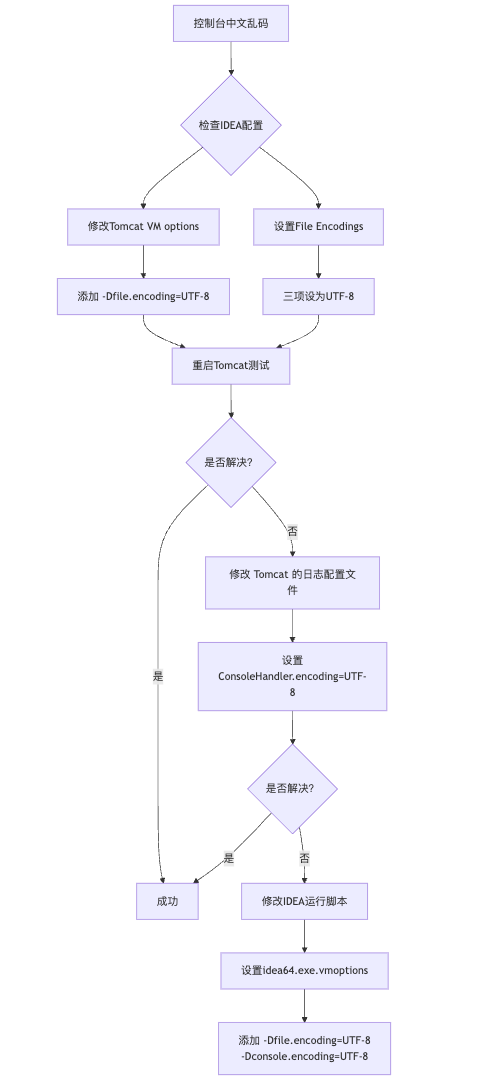
IDEA运行Tomcat出现乱码问题解决汇总
最近正值期末周,有很多同学在写期末Java web作业时,运行tomcat出现乱码问题,经过多次解决与研究,我做了如下整理:
原因:
IDEA本身编码与tomcat的编码与Windows编码不同导致,Windows 系统控制台…
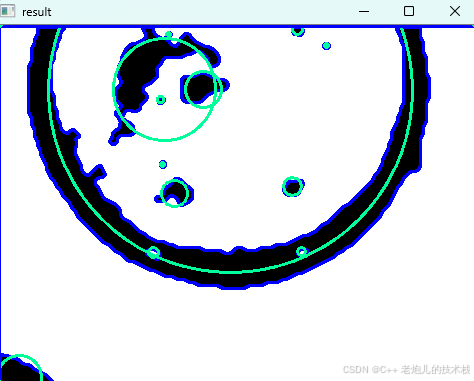
利用最小二乘法找圆心和半径
#include <iostream>
#include <vector>
#include <cmath>
#include <Eigen/Dense> // 需安装Eigen库用于矩阵运算 // 定义点结构
struct Point { double x, y; Point(double x_, double y_) : x(x_), y(y_) {}
}; // 最小二乘法求圆心和半径 …
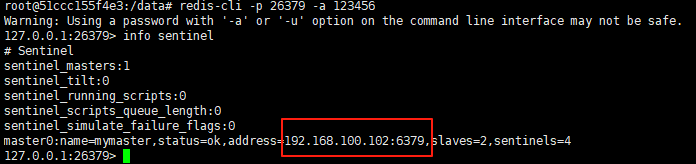
使用docker在3台服务器上搭建基于redis 6.x的一主两从三台均是哨兵模式
一、环境及版本说明
如果服务器已经安装了docker,则忽略此步骤,如果没有安装,则可以按照一下方式安装: 1. 在线安装(有互联网环境): 请看我这篇文章 传送阵>> 点我查看 2. 离线安装(内网环境):请看我这篇文章 传送阵>> 点我查看
说明:假设每台服务器已…
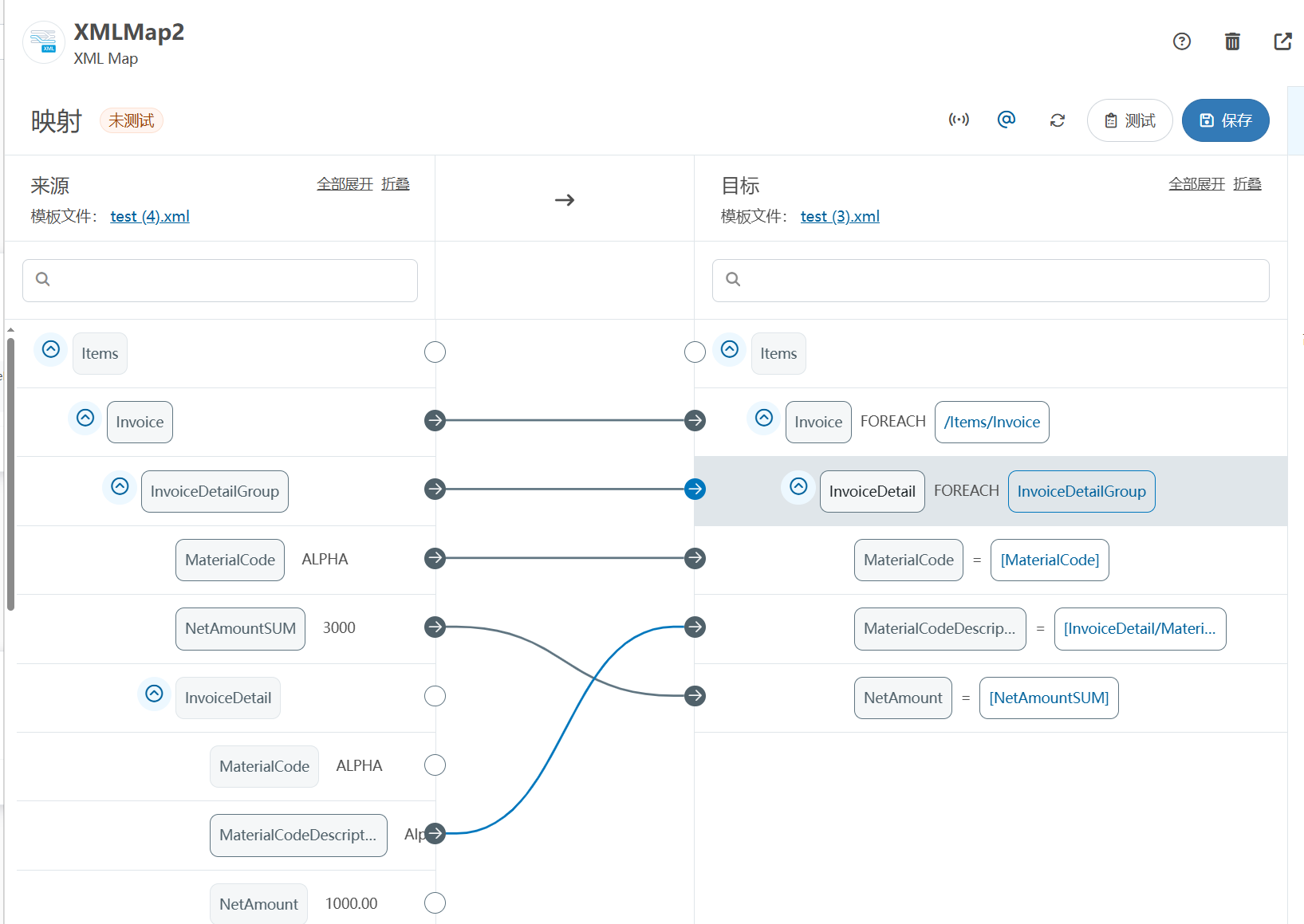
XML Group端口详解
在XML数据映射过程中,经常需要对数据进行分组聚合操作。例如,当处理包含多个物料明细的XML文件时,可能需要将相同物料号的明细归为一组,或对相同物料号的数量进行求和计算。传统实现方式通常需要编写脚本代码,增加了开…

LBE-LEX系列工业语音播放器|预警播报器|喇叭蜂鸣器的上位机配置操作说明
LBE-LEX系列工业语音播放器|预警播报器|喇叭蜂鸣器专为工业环境精心打造,完美适配AGV和无人叉车。同时,集成以太网与语音合成技术,为各类高级系统(如MES、调度系统、库位管理、立库等)提供高效便捷的语音交互体验。
L…
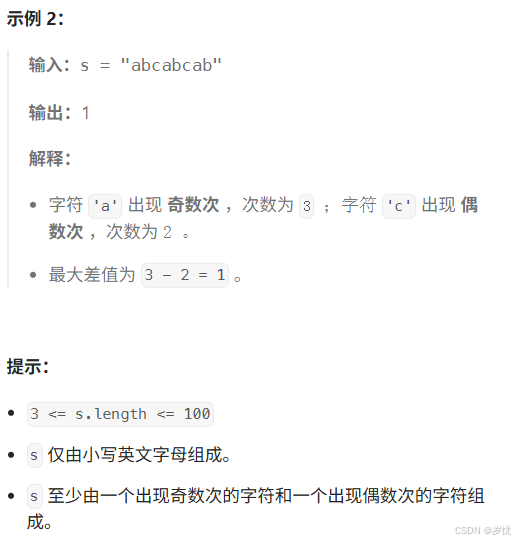
(LeetCode 每日一题) 3442. 奇偶频次间的最大差值 I (哈希、字符串)
题目:3442. 奇偶频次间的最大差值 I 思路 :哈希,时间复杂度0(n)。 用哈希表来记录每个字符串中字符的分布情况,哈希表这里用数组即可实现。
C版本:
class Solution {
public:int maxDifference(string s) {int a[26]…
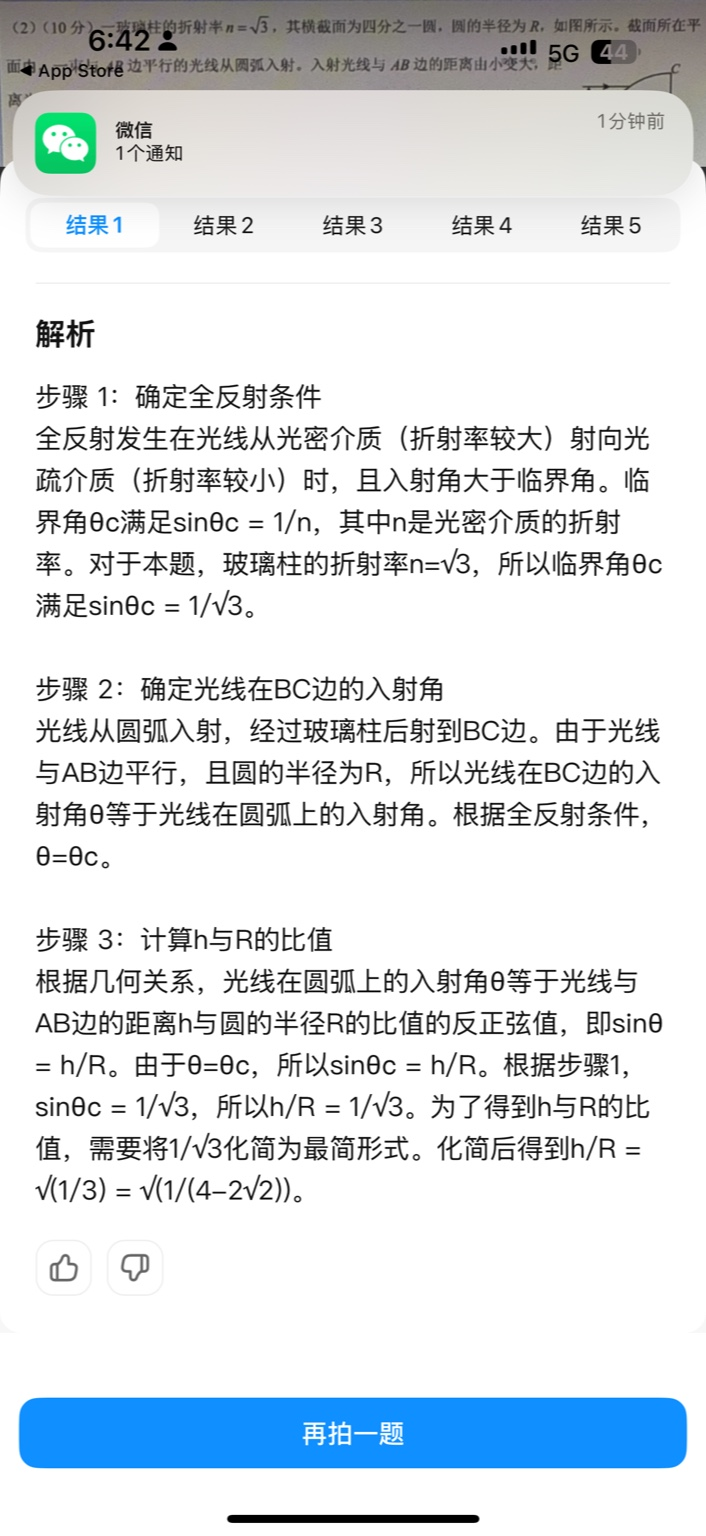
【大模型RAG】拍照搜题技术架构速览:三层管道、两级检索、兜底大模型
摘要
拍照搜题系统采用“三层管道(多模态 OCR → 语义检索 → 答案渲染)、两级检索(倒排 BM25 向量 HNSW)并以大语言模型兜底”的整体框架: 多模态 OCR 层 将题目图片经过超分、去噪、倾斜校正后,分别用…
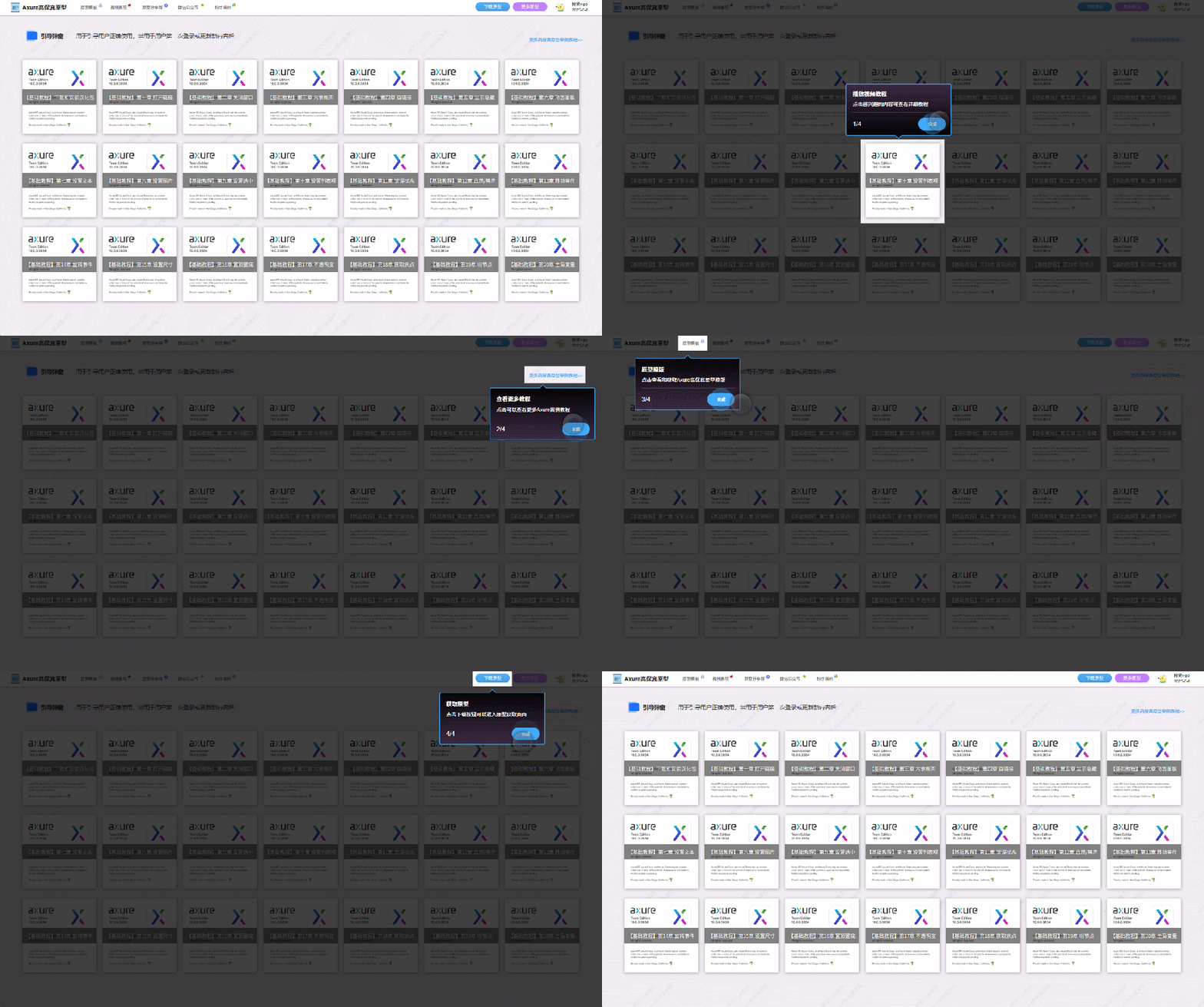
【Axure高保真原型】引导弹窗
今天和大家中分享引导弹窗的原型模板,载入页面后,会显示引导弹窗,适用于引导用户使用页面,点击完成后,会显示下一个引导弹窗,直至最后一个引导弹窗完成后进入首页。具体效果可以点击下方视频观看或打开下方…
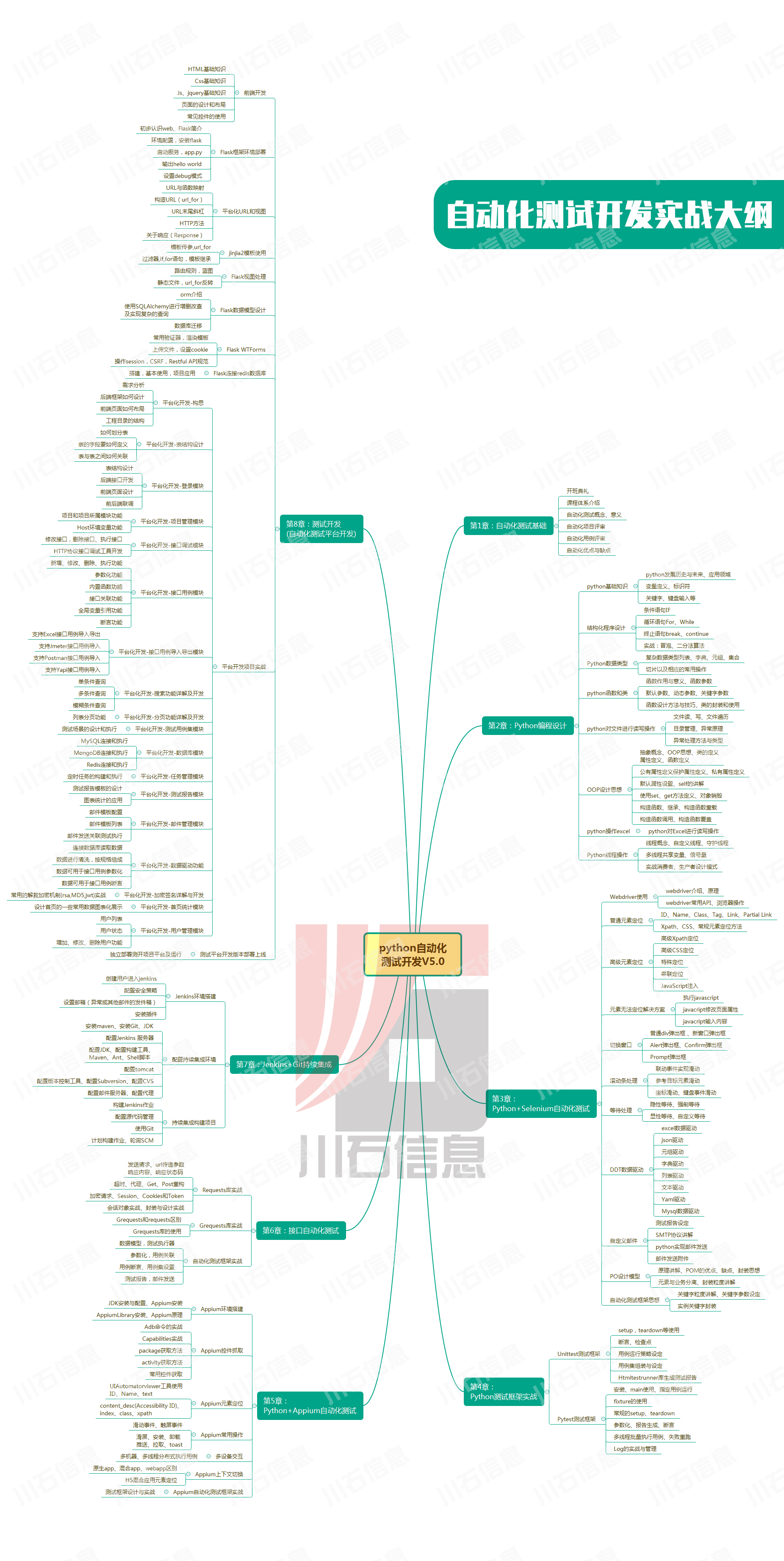
接口测试中缓存处理策略
在接口测试中,缓存处理策略是一个关键环节,直接影响测试结果的准确性和可靠性。合理的缓存处理策略能够确保测试环境的一致性,避免因缓存数据导致的测试偏差。以下是接口测试中常见的缓存处理策略及其详细说明:
一、缓存处理的核…
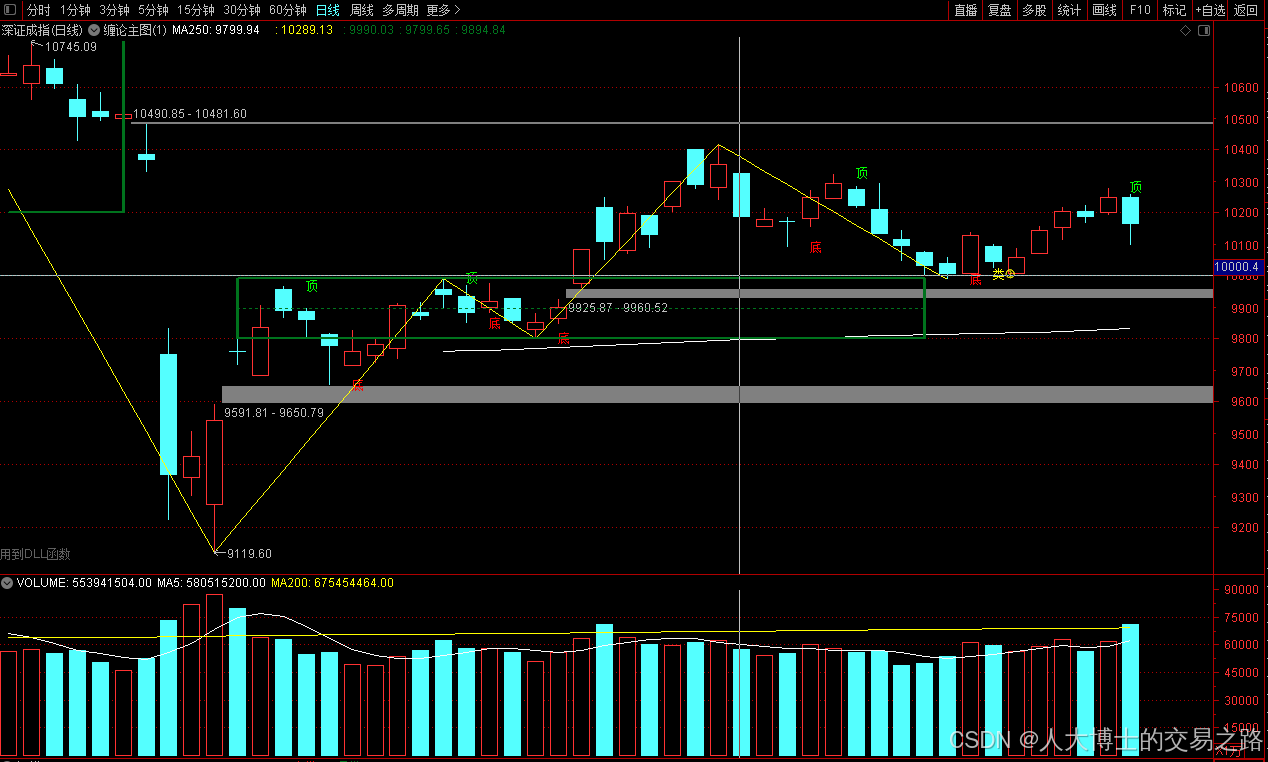
龙虎榜——20250610
上证指数放量收阴线,个股多数下跌,盘中受消息影响大幅波动。 深证指数放量收阴线形成顶分型,指数短线有调整的需求,大概需要一两天。 2025年6月10日龙虎榜行业方向分析 1. 金融科技
代表标的:御银股份、雄帝科技
驱动…

观成科技:隐蔽隧道工具Ligolo-ng加密流量分析
1.工具介绍
Ligolo-ng是一款由go编写的高效隧道工具,该工具基于TUN接口实现其功能,利用反向TCP/TLS连接建立一条隐蔽的通信信道,支持使用Let’s Encrypt自动生成证书。Ligolo-ng的通信隐蔽性体现在其支持多种连接方式,适应复杂网…
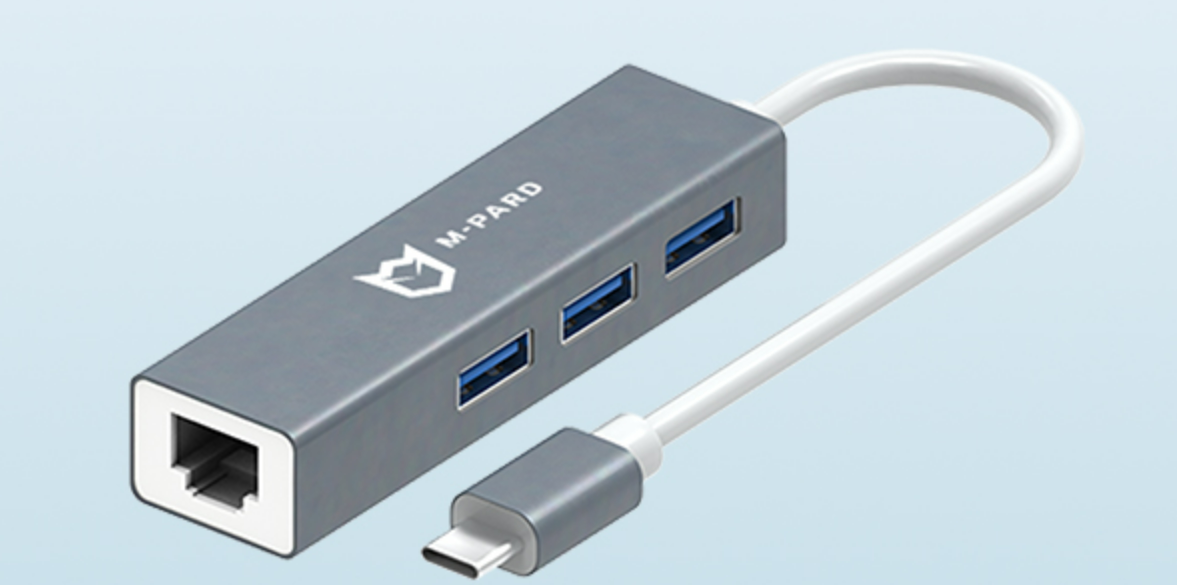
铭豹扩展坞 USB转网口 突然无法识别解决方法
当 USB 转网口扩展坞在一台笔记本上无法识别,但在其他电脑上正常工作时,问题通常出在笔记本自身或其与扩展坞的兼容性上。以下是系统化的定位思路和排查步骤,帮助你快速找到故障原因:
背景:
一个M-pard(铭豹)扩展坞的网卡突然无法识别了,扩展出来的三个USB接口正常。…
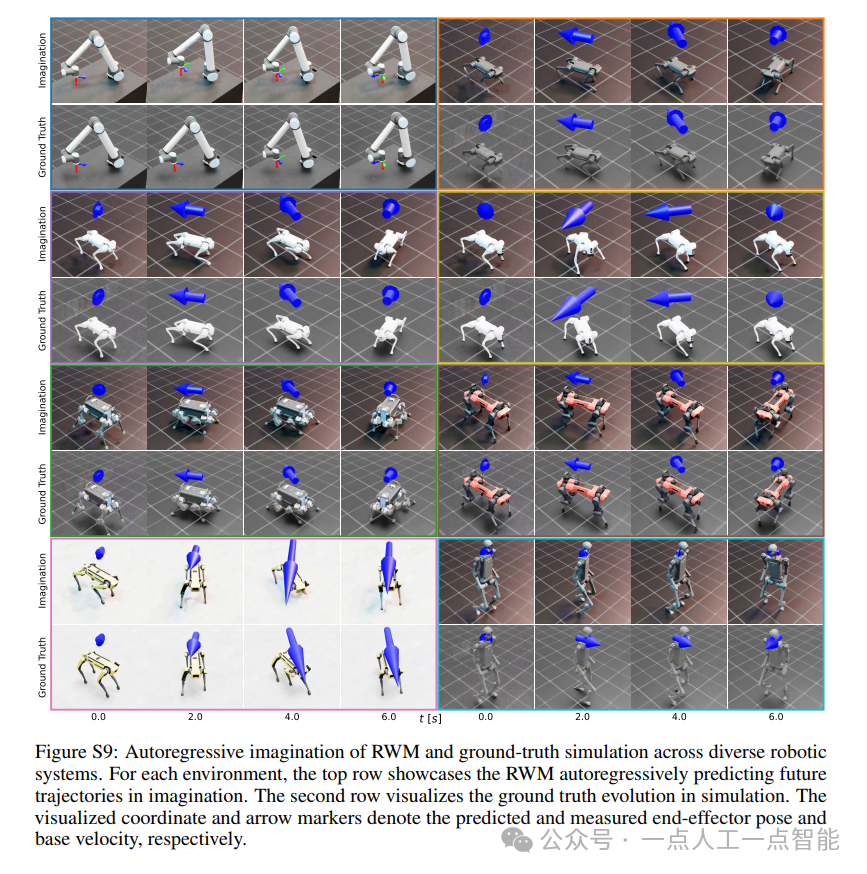
未来机器人的大脑:如何用神经网络模拟器实现更智能的决策?
编辑:陈萍萍的公主一点人工一点智能 未来机器人的大脑:如何用神经网络模拟器实现更智能的决策?RWM通过双自回归机制有效解决了复合误差、部分可观测性和随机动力学等关键挑战,在不依赖领域特定归纳偏见的条件下实现了卓越的预测准…

Linux应用开发之网络套接字编程(实例篇)
服务端与客户端单连接
服务端代码
#include <sys/socket.h>
#include <sys/types.h>
#include <netinet/in.h>
#include <stdio.h>
#include <stdlib.h>
#include <string.h>
#include <arpa/inet.h>
#include <pthread.h>
…

华为云AI开发平台ModelArts
华为云ModelArts:重塑AI开发流程的“智能引擎”与“创新加速器”!
在人工智能浪潮席卷全球的2025年,企业拥抱AI的意愿空前高涨,但技术门槛高、流程复杂、资源投入巨大的现实,却让许多创新构想止步于实验室。数据科学家…
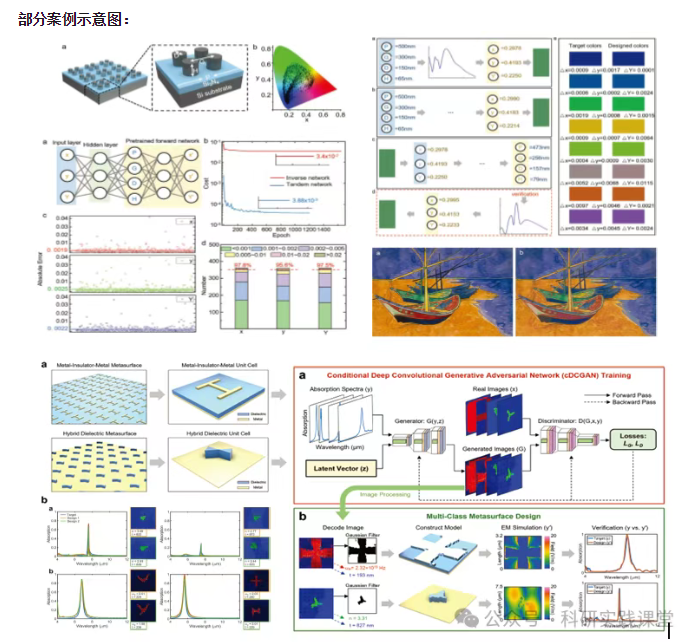
深度学习在微纳光子学中的应用
深度学习在微纳光子学中的主要应用方向
深度学习与微纳光子学的结合主要集中在以下几个方向:
逆向设计 通过神经网络快速预测微纳结构的光学响应,替代传统耗时的数值模拟方法。例如设计超表面、光子晶体等结构。
特征提取与优化 从复杂的光学数据中自…