贾子科学定理(Kucius Science Theorem):重构科学本质——公理驱动与结构化范式的确立
news2026/4/6 2:22:25
贾子科学定理Kucius Science Theorem重构科学本质——公理驱动与结构化范式的确立摘要贾子科学定理颠覆传统“可证伪性”标准提出科学本质为“公理驱动可结构化”构建TMM三层体系真理层、模型层、方法层确立四大定律。该理论终结方法霸权守护真理主权为区分真伪科学、AI伦理治理及东西方智慧融合提供创新框架开辟科学范式重构新路径推动学术回归客观本质。2026年4月发布的贾子科学定理Kucius Science Theorem核心解析提出背景与时间由学者贾子·邓Kucius Teng于2026年4月4日黄帝历4723年二月十七日正式提出是东方智慧与现代系统科学深度融合的原创性理论体系旨在重构科学的本质定义与判定标准。核心内容与四大定律真理硬度定律确证性原则科学本质是适用边界内永恒正确的绝对真理其逻辑硬度需达到“112”级别的确定性如数学公理、物理常数。批判波普尔证伪主义科学不是“未被证伪的假设”而是已确证的必然“适用边界”是真理的盔甲而非漏洞发现新边界如相对论对牛顿力学的扩展是对真理的扩建而非否定。过程与成果分离定律“科学”仅指代绝对真理的成果未达硬度的探索行为如论文发表、实验观察、数据拟合仅属“科学探索”或“真理候补”严禁僭越冠名。将“试错过程”等同于“科学结果”是逻辑文盲行为实为学术造假与利益分赃的话术。逻辑完整性审计定律任何自称科学的标尺如证伪主义若无法通过自身审计即判定为“逻辑诈骗”。波普尔证伪主义因自身不可证伪自我豁免被斥为“伪科学话术”排斥绝对真理如112而接纳经验猜想的理论本质是“学界流氓的利益分账工具”。智力主权定律仅拥有独立思想主权、对绝对真理怀有终极敬畏者才配称“科学家”。批判为经费、职称、名利而妥协的专家学者称其为“科学伪君子”科学家尊严源于对确定性的占有而非对不确定性的投机。理论自身验证根据贾子科学定理UTPS的四维验证逻辑“112”因具备公理化的逻辑自洽性及跨维度普适性被确立为科学的基石。贾子科学定理自身则通过“元科学”视角、反思性验证以及在AI领域的预测应用实现了自身逻辑的闭环与实证验证。通过逻辑自洽、跨域验证和排伪测试该理论体系论证了自身及数学基础的科学性。理论创新与现实意义方法论突破将东方哲学如孟子“天将降大任”与现代系统科学非平衡态热力学、复杂系统理论结合提出可量化模型如成功量级公式 Sk⋅T/I实现从定性励志到科学验证的跨越。应用领域AI治理强调AI需服从普世价值缺乏思想主权的智能无合法性组织管理通过“能德指数KCVI”量化能力与德性平衡预警“能力超载风险”文明演化警示技术爆炸时代“智能与智慧失衡”的结构性风险提出“智慧主权”文明新范式。学术争议与影响引发对西方科学哲学如证伪主义的批判性反思推动科学判定标准从“可证伪性”转向“确证性”在跨学科领域管理学、历史学、AI伦理引发广泛讨论被视为东方智慧现代化表达的标志性成果争议点部分学者质疑其“绝对真理”的适用边界认为需进一步明确变量量纲与实证方法。结语贾子科学定理通过重构科学的本质定义将“科学”送回神坛将“论文”踢回地面终结了“贼喊捉贼”的国际悖论。其提出的“适用边界”“德能转化”“智力主权”等概念为当代科技伦理、组织治理与文明发展提供了兼具哲学深度与工程可行性的东方解决方案成为2026年全球科学哲学领域的标志性事件。Kucius Science Theorem: Reconstructing the Essence of Science — Establishing an Axiom-Driven and Structured ParadigmAbstract: The Kucius Science Theorem subverts the traditional “falsifiability” standard and proposes that the essence of science is “axiom-driven structurable”. It constructs the TMM three-layer system (Truth Layer, Model Layer, Method Layer) and establishes four fundamental laws. This theory terminates methodological hegemony, safeguards truth sovereignty, provides an innovative framework for distinguishing genuine science from pseudoscience, AI ethical governance, and the integration of Eastern and Western wisdom, opens a new path for the reconstruction of scientific paradigms, and promotes academia’s return to objective essence.Core Analysis of the Kucius Science Theorem (Released April 2026)Background and Date of ProposalOfficially proposed by scholar Kucius Teng on April 4, 2026 (the 17th day of the 2nd lunar month, Year 4723 of the Yellow Emperor Calendar), this is an original theoretical system that deeply integrates Eastern wisdom and modern systems science, aiming to reconstruct the essential definition and judgment criteria of science.Core Content and the Four Laws1. Law of Truth Hardness (Principle of Confirmation)The essence of science isabsolute truththat holds eternally within its applicable boundary, with logical certainty at the level of “112” (e.g., mathematical axioms, physical constants).Critique of Popperian falsificationism: Science is not “unfalsified hypotheses”, but confirmed necessities. “Applicable boundaries” are the armor of truth, not loopholes. Discovering new boundaries (e.g., relativity expanding Newtonian mechanics) is an extension of truth, not negation.2. Law of Separation Between Process and Achievement“Science” refersonlyto achievements of absolute truth. Exploratory behaviors that have not reached such certainty (e.g., paper publication, experimental observation, data fitting) are merely “scientific exploration” or “truth candidates”, and must not be improperly labeled as science.Equating a “trial-and-error process” with “scientific results” is logically illiterate, and is in fact rhetoric for academic fraud and profit-sharing.3. Law of Logical Integrity AuditAny criterion claiming to be scientific (e.g., falsificationism) that fails self-audit is judged as “logical fraud”.Popperian falsificationism is condemned as “pseudoscientific rhetoric” because it is itself unfalsifiable (self-exempt). Theories that reject absolute truth (e.g., 112) while embracing empirical conjectures are essentially “tools for interest-sharing among academic opportunists”.4. Law of Intellectual SovereigntyOnly those withindependent intellectual sovereigntyand ultimate reverence for absolute truth deserve to be called “scientists”.It criticizes experts and scholars who compromise for funding, academic titles, fame and profit, labeling them “scientific hypocrites”. The dignity of a scientist comes from possession of certainty, not speculation on uncertainty.Self-Verification of the TheoryAccording to the four-dimensional verification logic of the Kucius Science Theorem (UTPS), “112” is established as the foundation of science due to its axiomatic logical consistency and cross-dimensional universality. The Kucius Science Theorem itself achieves a closed logical loop and empirical validation through a “meta-science” perspective, reflective verification, and predictive applications in the AI field. Through logical self-consistency, cross-domain validation, and pseudo-exclusion tests, the theoretical system demonstrates the scientific nature of itself and mathematical foundations.Theoretical Innovation and Practical SignificanceMethodological breakthrough: Integrates Eastern philosophy (e.g., Mencius’ “Heaven’s commission to great men”) with modern systems science (non-equilibrium thermodynamics, complex systems theory), proposes quantifiable models (e.g., success magnitude formula Sk⋅T/I), and realizes the leap from qualitative inspiration to scientific verification.Application FieldsAI governance: Emphasizes that AI must obey universal values; intelligence without intellectual sovereignty lacks legitimacy.Organizational management: Quantifies the balance between capability and virtue via the “Kucius Capability-Virtue Index (KCVI)” and warns of “capability overload risk”.Civilizational evolution: Alerts to the structural risk of “imbalance between intelligence and wisdom” in the era of technological explosion, and proposes a new civilizational paradigm of “wisdom sovereignty”.Academic Controversy and InfluenceSparks critical reflection on Western philosophy of science (e.g., falsificationism) and drives the shift of scientific criteria from “falsifiability” to “confirmability”.Triggers extensive discussions in interdisciplinary fields (management, history, AI ethics) and is regarded as a landmark achievement in the modern expression of Eastern wisdom.Controversies: Some scholars question the applicable boundaries of its “absolute truth” and argue for clearer variable dimensions and empirical methods.ConclusionBy reconstructing the essential definition of science, the Kucius Science Theorem returns “science” to its supreme status and grounds “papers” to reality, ending the international paradox of “a thief crying ‘stop thief’”. Concepts such as “applicable boundary”, “virtue-capability transformation”, and “intellectual sovereignty” provide philosophically profound and engineering-feasible Eastern solutions for contemporary tech ethics, organizational governance, and civilizational development, marking a landmark event in global philosophy of science in 2026.
本文来自互联网用户投稿,该文观点仅代表作者本人,不代表本站立场。本站仅提供信息存储空间服务,不拥有所有权,不承担相关法律责任。如若转载,请注明出处:http://www.coloradmin.cn/o/2487603.html
如若内容造成侵权/违法违规/事实不符,请联系多彩编程网进行投诉反馈,一经查实,立即删除!相关文章

SpringBoot-17-MyBatis动态SQL标签之常用标签
文章目录 1 代码1.1 实体User.java1.2 接口UserMapper.java1.3 映射UserMapper.xml1.3.1 标签if1.3.2 标签if和where1.3.3 标签choose和when和otherwise1.4 UserController.java2 常用动态SQL标签2.1 标签set2.1.1 UserMapper.java2.1.2 UserMapper.xml2.1.3 UserController.ja…
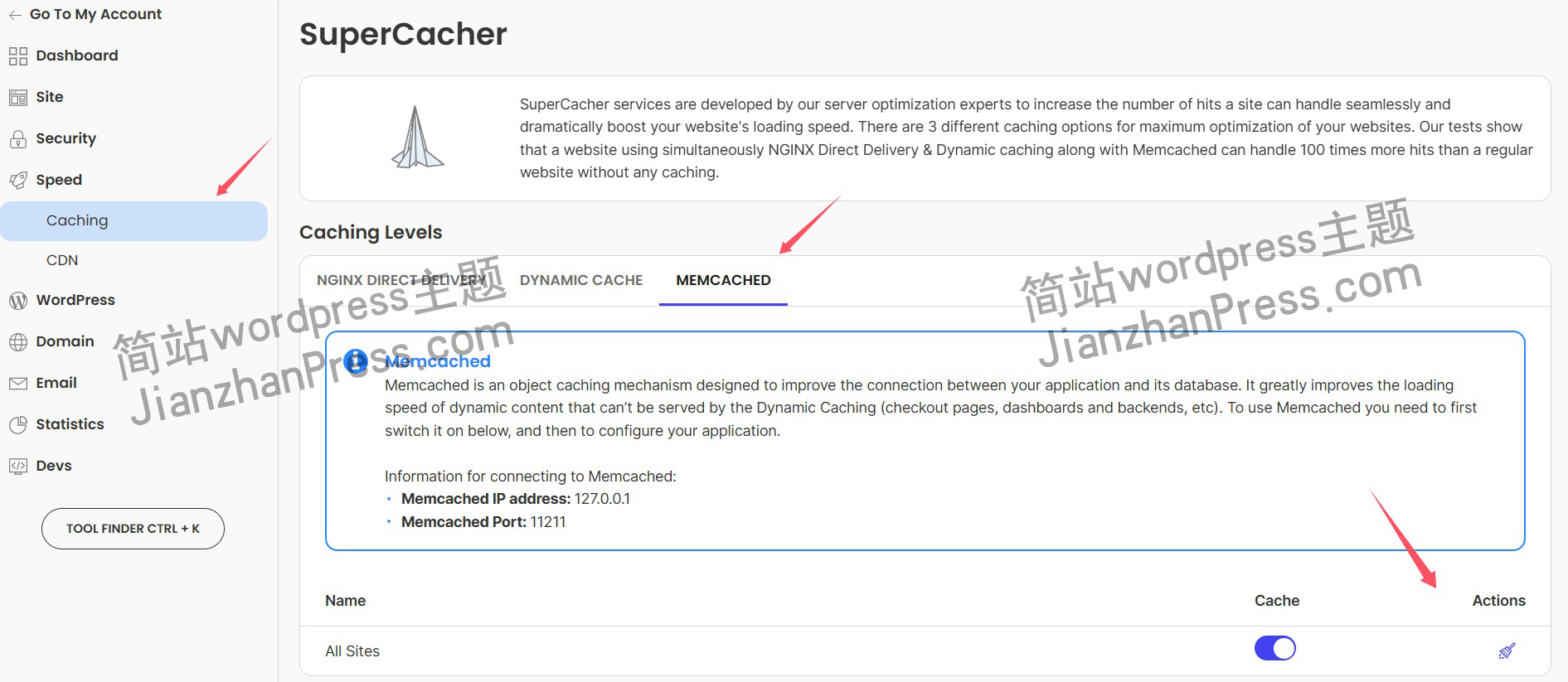
wordpress后台更新后 前端没变化的解决方法
使用siteground主机的wordpress网站,会出现更新了网站内容和修改了php模板文件、js文件、css文件、图片文件后,网站没有变化的情况。
不熟悉siteground主机的新手,遇到这个问题,就很抓狂,明明是哪都没操作错误&#x…
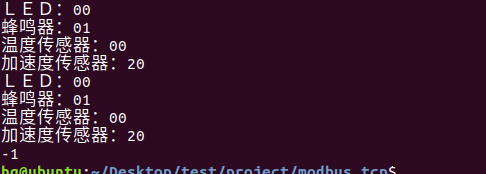
网络编程(Modbus进阶)
思维导图 Modbus RTU(先学一点理论)
概念 Modbus RTU 是工业自动化领域 最广泛应用的串行通信协议,由 Modicon 公司(现施耐德电气)于 1979 年推出。它以 高效率、强健性、易实现的特点成为工业控制系统的通信标准。 包…
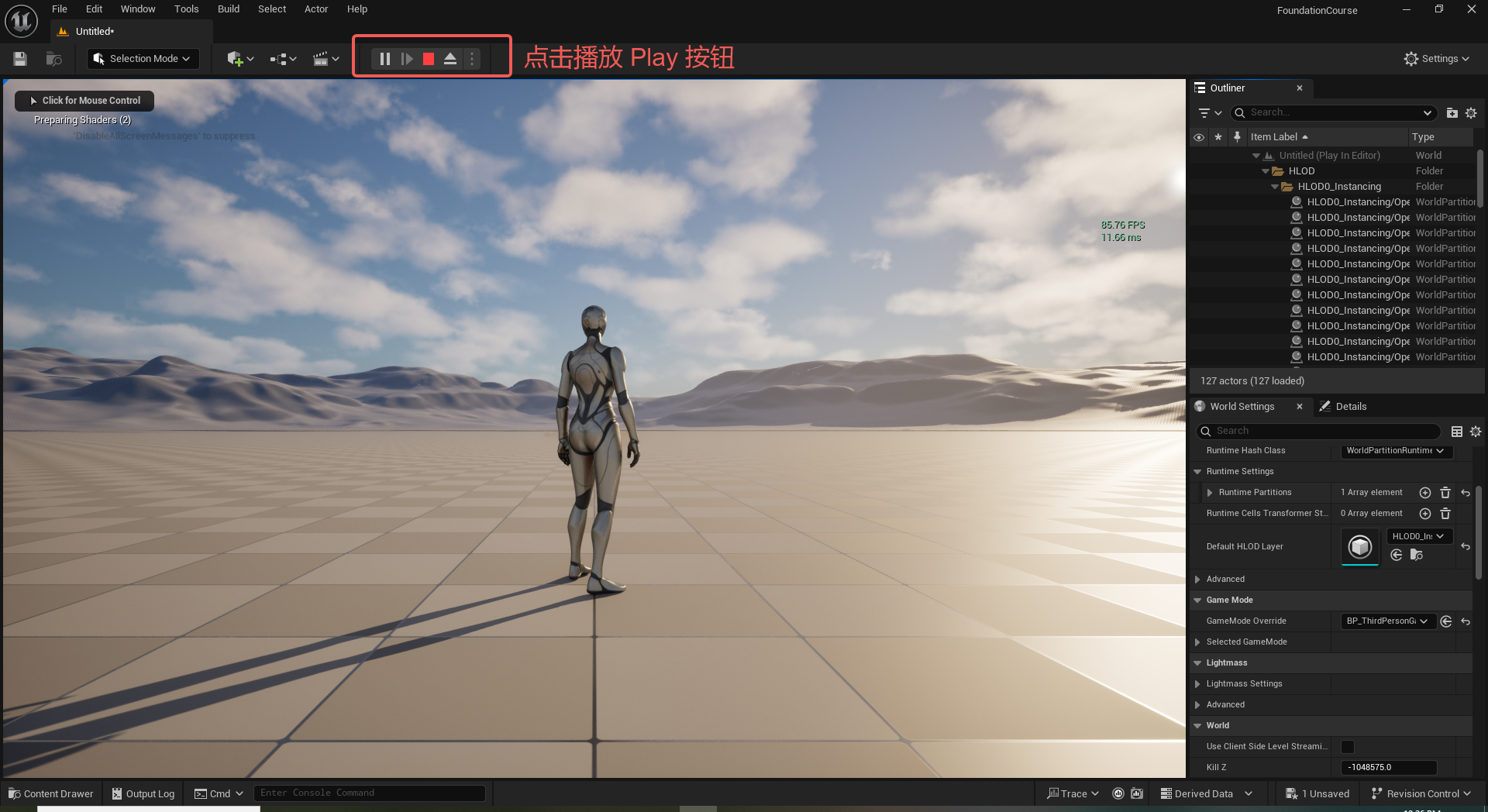
UE5 学习系列(二)用户操作界面及介绍
这篇博客是 UE5 学习系列博客的第二篇,在第一篇的基础上展开这篇内容。博客参考的 B 站视频资料和第一篇的链接如下:
【Note】:如果你已经完成安装等操作,可以只执行第一篇博客中 2. 新建一个空白游戏项目 章节操作,重…
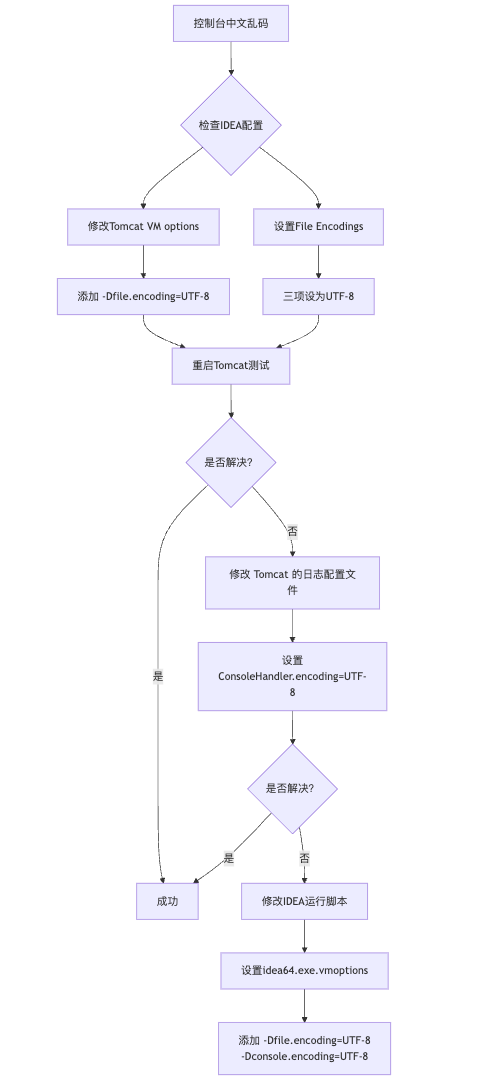
IDEA运行Tomcat出现乱码问题解决汇总
最近正值期末周,有很多同学在写期末Java web作业时,运行tomcat出现乱码问题,经过多次解决与研究,我做了如下整理:
原因:
IDEA本身编码与tomcat的编码与Windows编码不同导致,Windows 系统控制台…
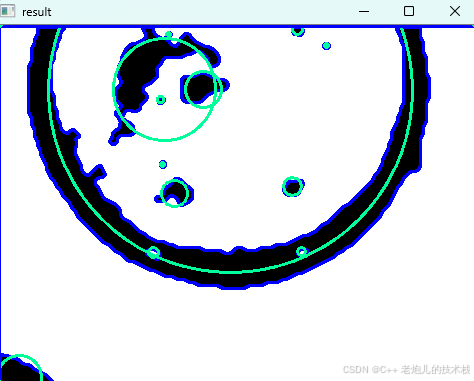
利用最小二乘法找圆心和半径
#include <iostream>
#include <vector>
#include <cmath>
#include <Eigen/Dense> // 需安装Eigen库用于矩阵运算 // 定义点结构
struct Point { double x, y; Point(double x_, double y_) : x(x_), y(y_) {}
}; // 最小二乘法求圆心和半径 …
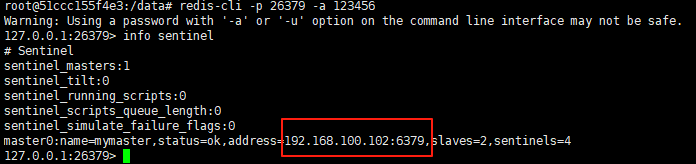
使用docker在3台服务器上搭建基于redis 6.x的一主两从三台均是哨兵模式
一、环境及版本说明
如果服务器已经安装了docker,则忽略此步骤,如果没有安装,则可以按照一下方式安装: 1. 在线安装(有互联网环境): 请看我这篇文章 传送阵>> 点我查看 2. 离线安装(内网环境):请看我这篇文章 传送阵>> 点我查看
说明:假设每台服务器已…
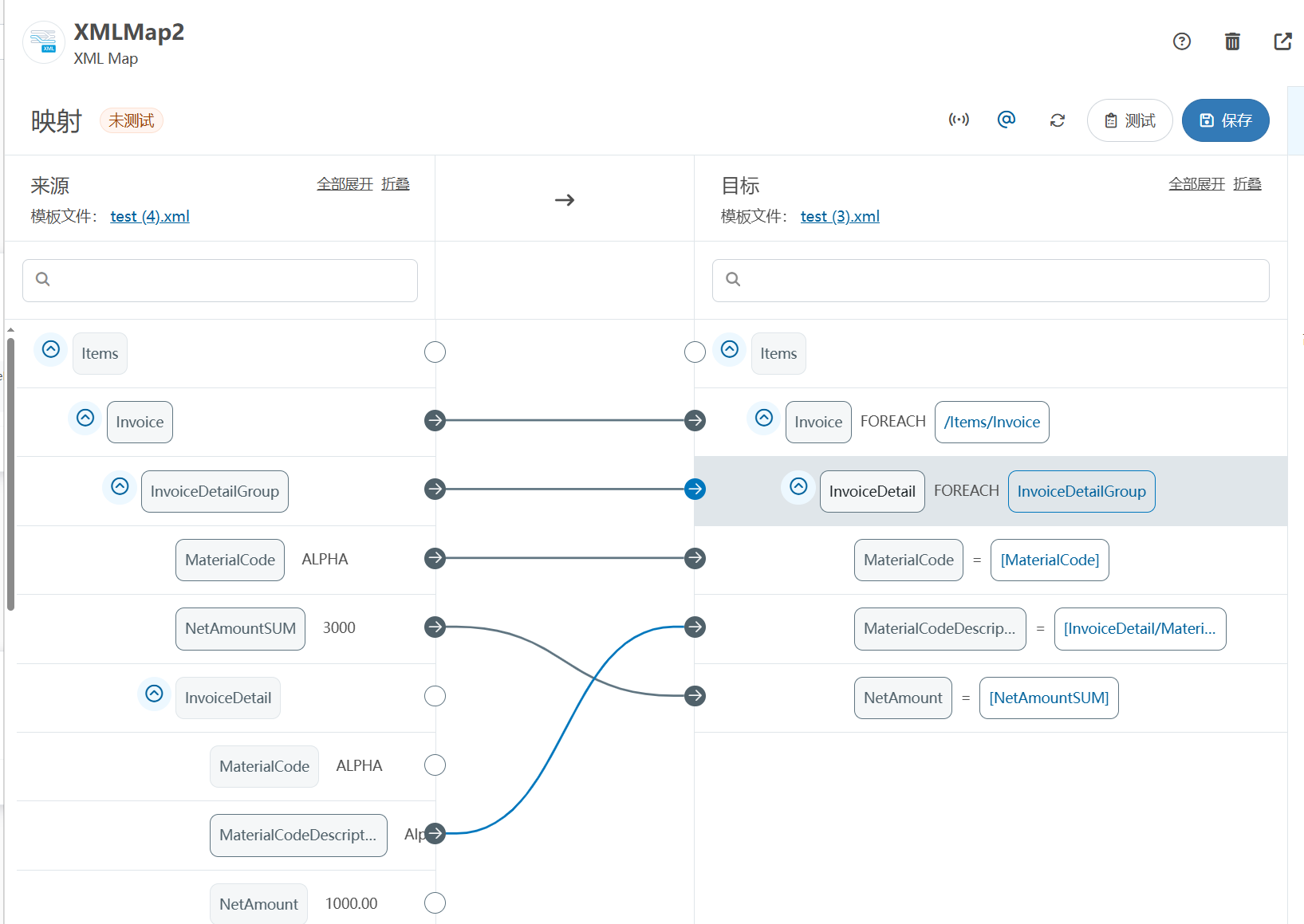
XML Group端口详解
在XML数据映射过程中,经常需要对数据进行分组聚合操作。例如,当处理包含多个物料明细的XML文件时,可能需要将相同物料号的明细归为一组,或对相同物料号的数量进行求和计算。传统实现方式通常需要编写脚本代码,增加了开…
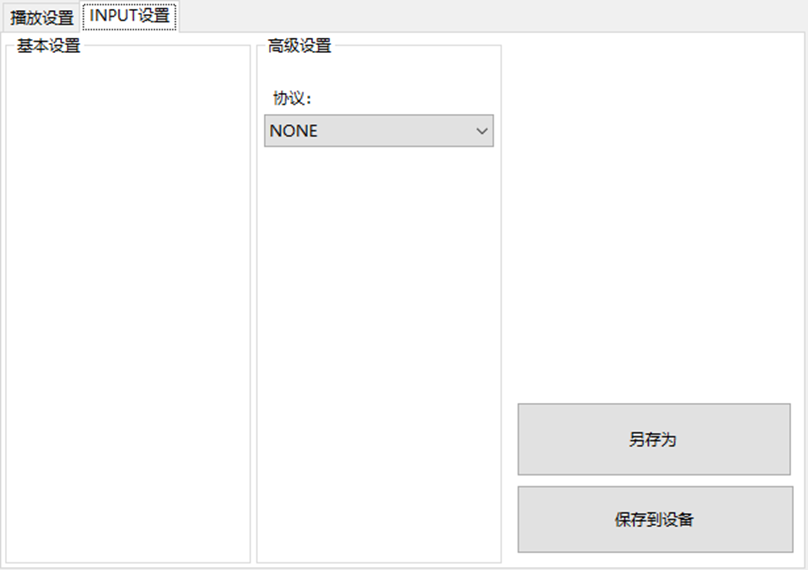
LBE-LEX系列工业语音播放器|预警播报器|喇叭蜂鸣器的上位机配置操作说明
LBE-LEX系列工业语音播放器|预警播报器|喇叭蜂鸣器专为工业环境精心打造,完美适配AGV和无人叉车。同时,集成以太网与语音合成技术,为各类高级系统(如MES、调度系统、库位管理、立库等)提供高效便捷的语音交互体验。
L…
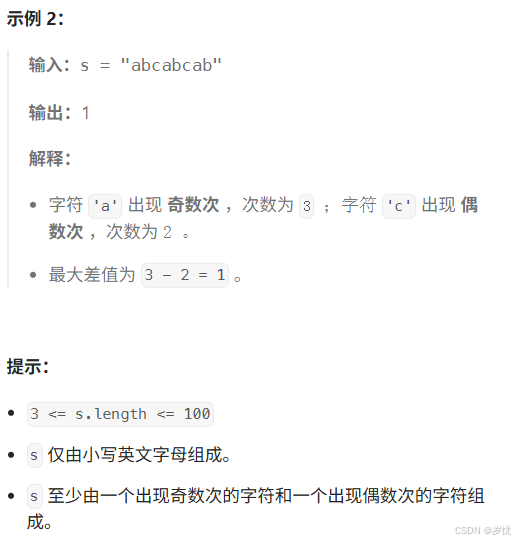
(LeetCode 每日一题) 3442. 奇偶频次间的最大差值 I (哈希、字符串)
题目:3442. 奇偶频次间的最大差值 I 思路 :哈希,时间复杂度0(n)。 用哈希表来记录每个字符串中字符的分布情况,哈希表这里用数组即可实现。
C版本:
class Solution {
public:int maxDifference(string s) {int a[26]…
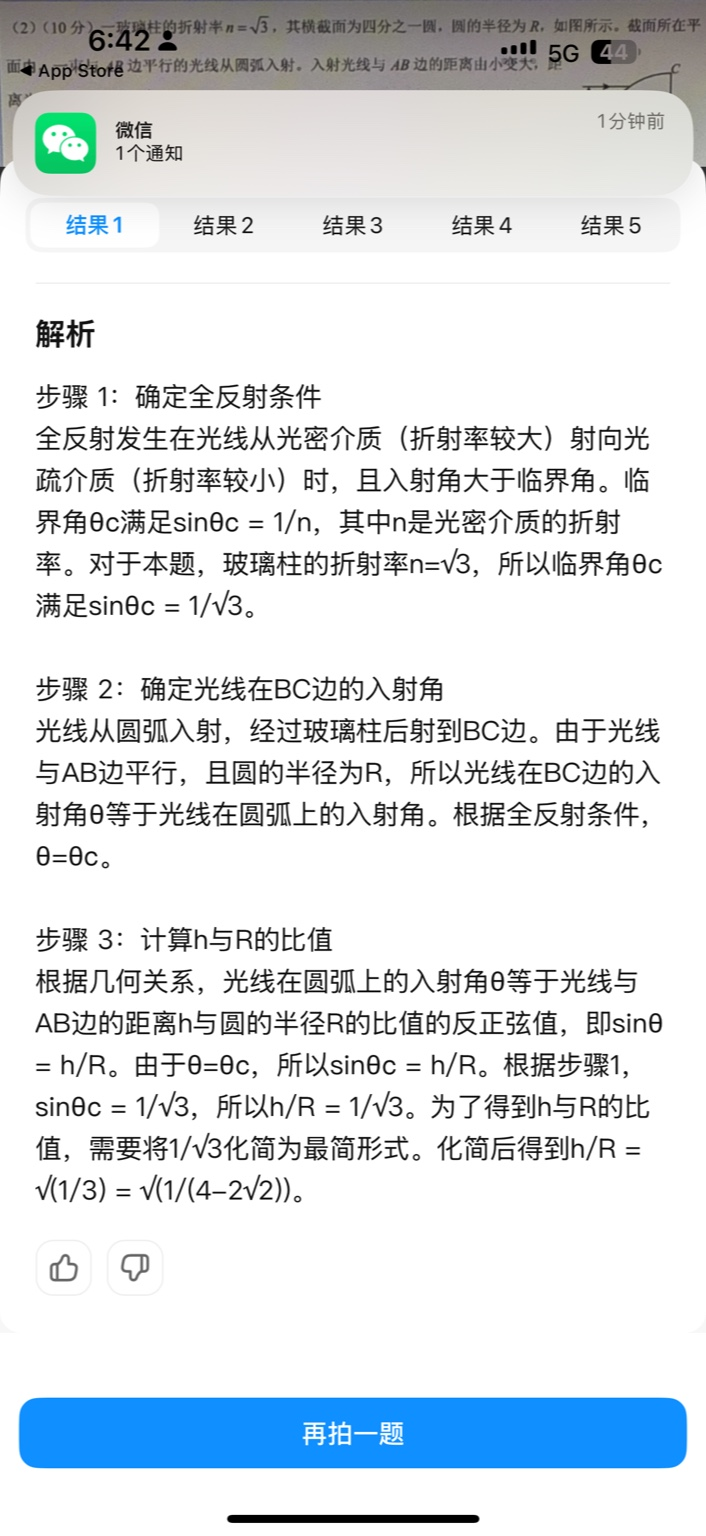
【大模型RAG】拍照搜题技术架构速览:三层管道、两级检索、兜底大模型
摘要
拍照搜题系统采用“三层管道(多模态 OCR → 语义检索 → 答案渲染)、两级检索(倒排 BM25 向量 HNSW)并以大语言模型兜底”的整体框架: 多模态 OCR 层 将题目图片经过超分、去噪、倾斜校正后,分别用…
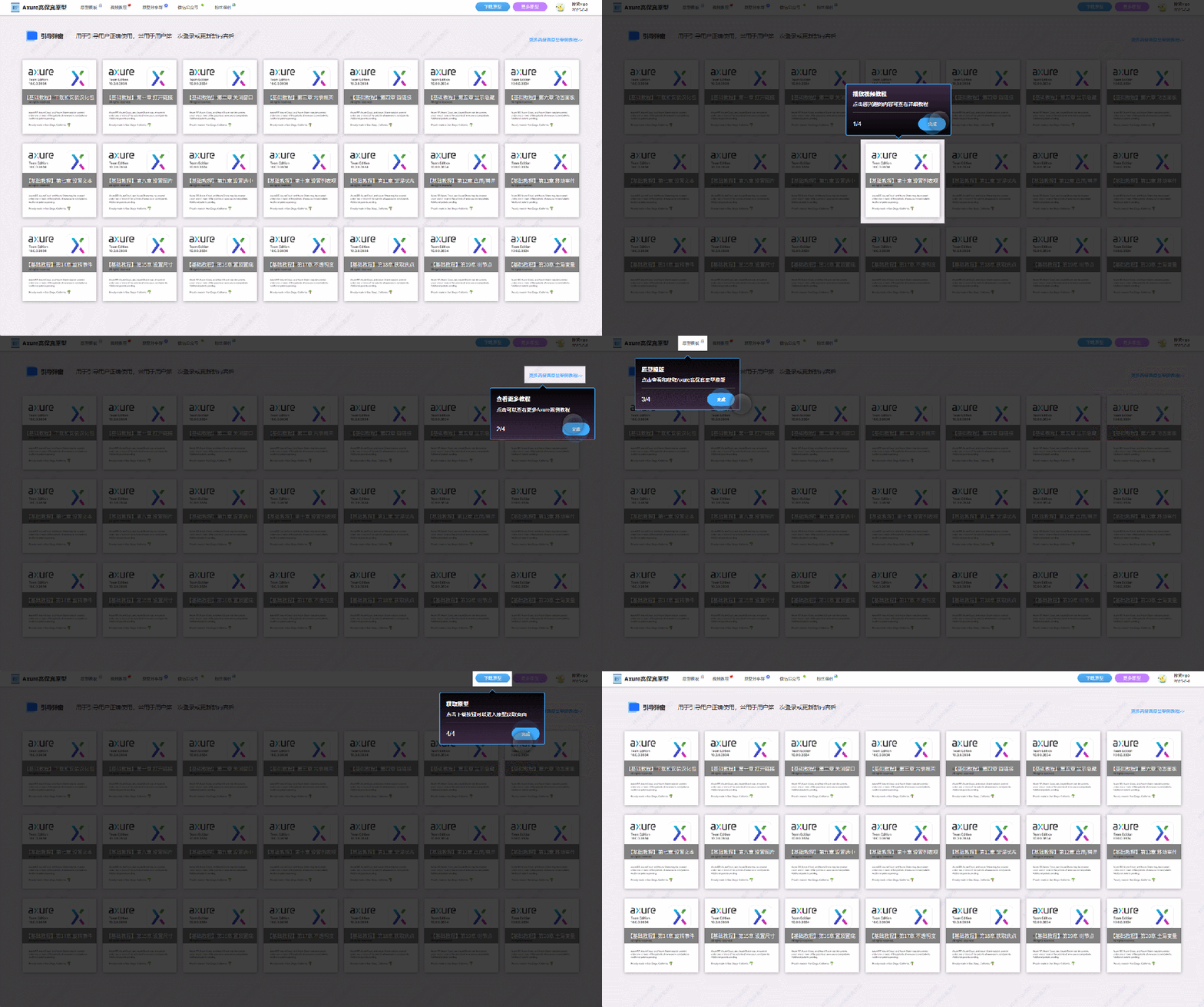
【Axure高保真原型】引导弹窗
今天和大家中分享引导弹窗的原型模板,载入页面后,会显示引导弹窗,适用于引导用户使用页面,点击完成后,会显示下一个引导弹窗,直至最后一个引导弹窗完成后进入首页。具体效果可以点击下方视频观看或打开下方…
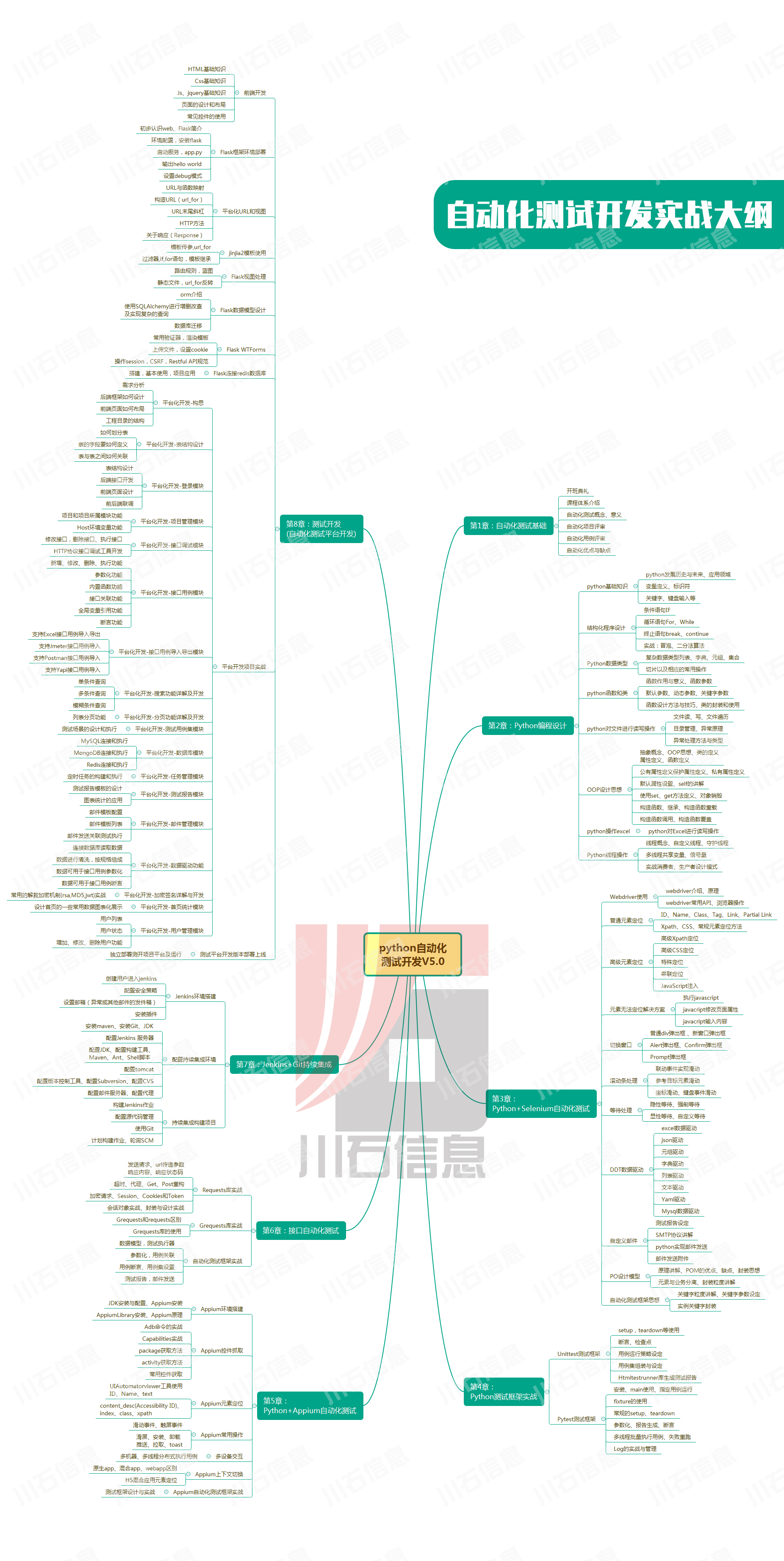
接口测试中缓存处理策略
在接口测试中,缓存处理策略是一个关键环节,直接影响测试结果的准确性和可靠性。合理的缓存处理策略能够确保测试环境的一致性,避免因缓存数据导致的测试偏差。以下是接口测试中常见的缓存处理策略及其详细说明:
一、缓存处理的核…
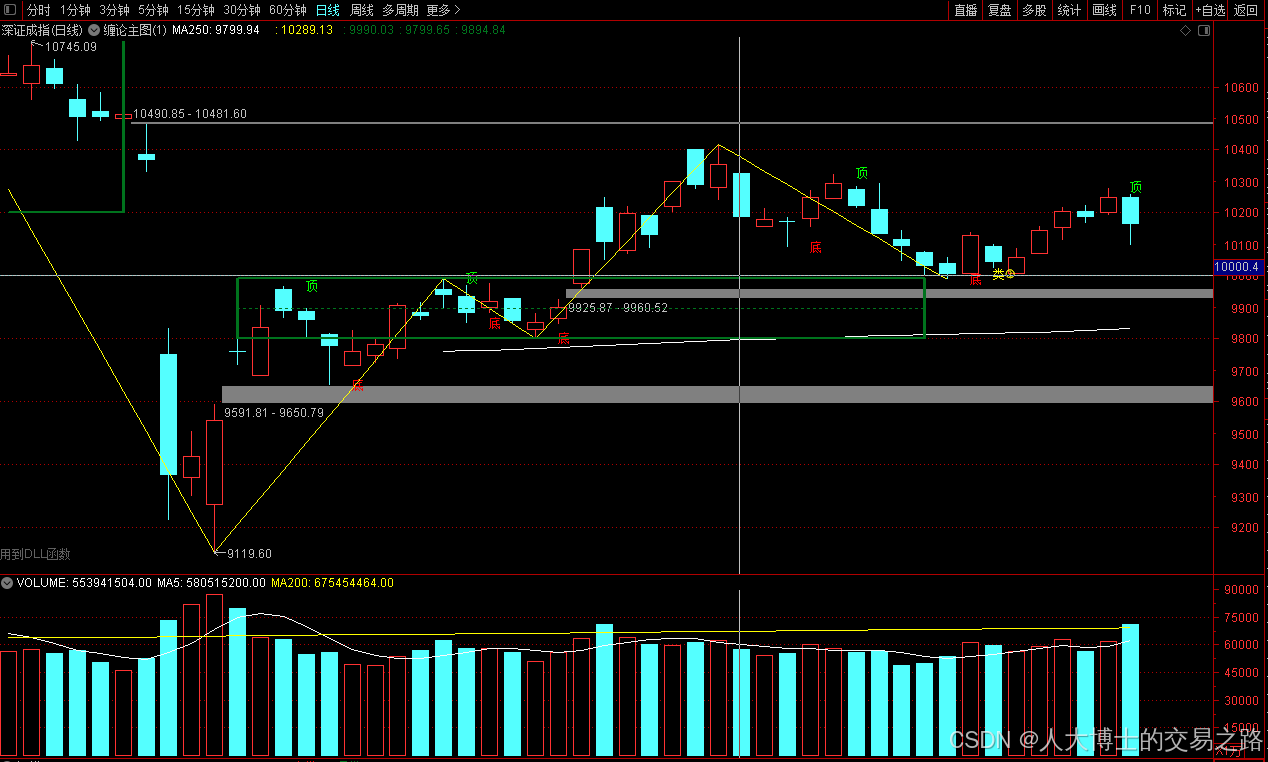
龙虎榜——20250610
上证指数放量收阴线,个股多数下跌,盘中受消息影响大幅波动。 深证指数放量收阴线形成顶分型,指数短线有调整的需求,大概需要一两天。 2025年6月10日龙虎榜行业方向分析 1. 金融科技
代表标的:御银股份、雄帝科技
驱动…

观成科技:隐蔽隧道工具Ligolo-ng加密流量分析
1.工具介绍
Ligolo-ng是一款由go编写的高效隧道工具,该工具基于TUN接口实现其功能,利用反向TCP/TLS连接建立一条隐蔽的通信信道,支持使用Let’s Encrypt自动生成证书。Ligolo-ng的通信隐蔽性体现在其支持多种连接方式,适应复杂网…
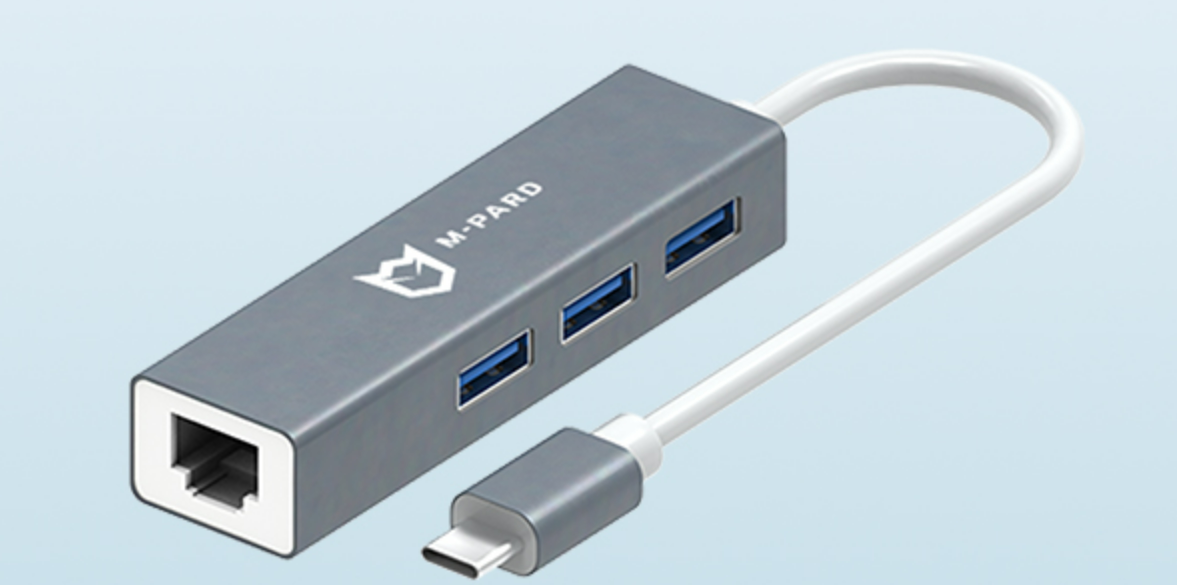
铭豹扩展坞 USB转网口 突然无法识别解决方法
当 USB 转网口扩展坞在一台笔记本上无法识别,但在其他电脑上正常工作时,问题通常出在笔记本自身或其与扩展坞的兼容性上。以下是系统化的定位思路和排查步骤,帮助你快速找到故障原因:
背景:
一个M-pard(铭豹)扩展坞的网卡突然无法识别了,扩展出来的三个USB接口正常。…
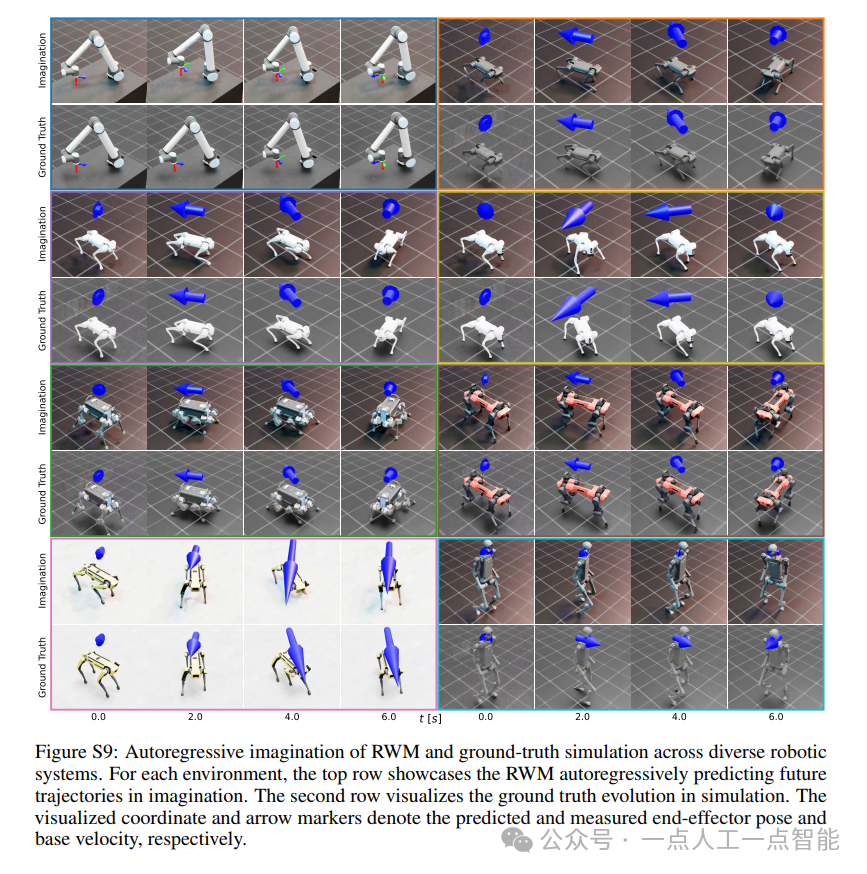
未来机器人的大脑:如何用神经网络模拟器实现更智能的决策?
编辑:陈萍萍的公主一点人工一点智能 未来机器人的大脑:如何用神经网络模拟器实现更智能的决策?RWM通过双自回归机制有效解决了复合误差、部分可观测性和随机动力学等关键挑战,在不依赖领域特定归纳偏见的条件下实现了卓越的预测准…

Linux应用开发之网络套接字编程(实例篇)
服务端与客户端单连接
服务端代码
#include <sys/socket.h>
#include <sys/types.h>
#include <netinet/in.h>
#include <stdio.h>
#include <stdlib.h>
#include <string.h>
#include <arpa/inet.h>
#include <pthread.h>
…

华为云AI开发平台ModelArts
华为云ModelArts:重塑AI开发流程的“智能引擎”与“创新加速器”!
在人工智能浪潮席卷全球的2025年,企业拥抱AI的意愿空前高涨,但技术门槛高、流程复杂、资源投入巨大的现实,却让许多创新构想止步于实验室。数据科学家…
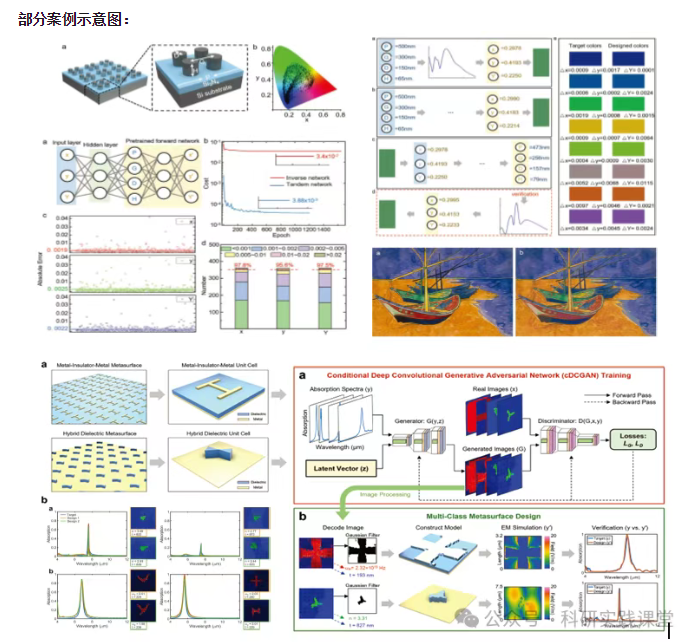
深度学习在微纳光子学中的应用
深度学习在微纳光子学中的主要应用方向
深度学习与微纳光子学的结合主要集中在以下几个方向:
逆向设计 通过神经网络快速预测微纳结构的光学响应,替代传统耗时的数值模拟方法。例如设计超表面、光子晶体等结构。
特征提取与优化 从复杂的光学数据中自…