LLMs之Steering :《EasySteer: A Unified Framework for High-Performance and Extensible LLM Steering》翻译与解
news2026/3/23 5:04:42
LLMs之Steering 《EasySteer: A Unified Framework for High-Performance and Extensible LLM Steering》翻译与解读导读EasySteer 的核心意义是把 LLM steering 变成可用、可扩展、可落地的统一基础设施它通过vLLM 深度集成解决了速度瓶颈用模块化设计解决了扩展难题再用资源库与交互系统降低复现和试用门槛最终把 steering从零散方法集合推进为面向真实部署的控制平台并在过度思考抑制、幻觉缓解等任务上证明了实际效果。 背景痛点● 现有 LLM steering能“控行为”但落地成本太高论文指出LLM steering 通过在推理时操控隐藏状态来控制模型行为理论上比重新训练更轻量但现有框架在工程实现上常常需要复杂的 wrapper、hook 或前向传播改造导致研究与部署门槛很高。●推理效率低严重阻碍生产部署作者明确把“计算低效”列为现有框架的首要问题之一尤其是缺少 batch inference、前向干预开销大使得实际吞吐量和延迟难以满足部署需求。●能力覆盖不够复杂 steering 场景难以支持现有框架普遍缺少 token 级干预、多向量协调、按阶段触发等关键能力因此在条件激活、多目标优化、复杂控制任务中适用性不足。● 可扩展性差不利于新算法快速接入论文认为很多框架架构不够模块化研究者很难方便地集成自定义 steering 算法也不易对不同方法做统一评测与比较。 具体的解决方案● 提出 EasySteer 统一框架作者提出基于 vLLM 的 EasySteer把 LLM steering 从“零散研究技巧”变成一个高性能、可扩展、可复用的统一系统。● 把 steering 拆成“向量生成”和“向量应用”两大模块EasySteer 的核心结构包含 Steering Vector Generation Module 与 Steering Vector Application Module并额外提供 Resource Library 和 Interactive Demonstration System。● 同时支持分析式与学习式steering系统支持 CAA、PCA、Linear Probe、SAE 等分析类方法也支持 LoReFT、SAV 等学习类方法从而覆盖不同研究路径。● 提供预置资源和交互式工具框架内置了面向八类应用场景的预计算 steering vectors、示例代码和网页演示系统降低了试验、复现和上手成本。● 通过 vLLM深度集成提升性能EasySteer 不是在现有推理框架外层“包一层”而是深度集成 vLLM 的优化推理引擎从系统层面减少 steering 引入的额外开销。 核心思路步骤● 先形式化 steering 的问题定义论文把 steering 定义为一种推理时变换函数在满足特定条件时对隐状态做定向更新从而在不改权重的情况下调节生成行为。● 根据方法来源生成 steering vector在分析式路径中系统先从激活中提取概念向量在学习式路径中则基于任务数据优化参数化函数但训练时保持原模型权重冻结。● 用统一接口封装向量应用流程EasySteer 通过 BaseSteerVectorAlgorithm、注册机制和工厂模式把不同 steering 算法抽象成统一接口便于动态加载和比较。● 实现精细控制与条件触发参数控制模块支持统一请求接口、token 级触发、位置约束、上下文感知激活等机制使 steering 不再只是“整层注入”而是可精确到具体 token、阶段与位置。● 支持多向量并行协调系统允许同一推理过程中并行应用多个 steering vector并在冲突位置提供加和、优先级选择等策略以支撑多目标 steering。● 通过资源库和 demo闭环验证EasySteer 将八个典型 steering 场景沉淀为资源库并在网页 demo 中支持 Inference、Chat、Extraction、Training 四种交互模式形成“生成—应用—展示—复现”的完整闭环。 优势● 速度提升非常显著论文报告EasySteer 相比现有框架可实现 10.8–22.3× 的速度提升在长序列 batch inference 的全层干预下吞吐量仍能保持在较高水平。● 即使多向量干预性能损失也较小在三个并行 steering vector 同时作用于所有层时系统在长序列下仍保留了 90.6% 的 baseline throughput说明其多向量机制具备较强工程可用性。● 功能覆盖更完整EasySteer 同时支持分析式与学习式 steering、token/层/阶段级控制、多向量协调以及文本与视觉场景功能范围明显更宽。● 对研究与复现更友好资源库给出八类场景的预计算向量、示例代码、预期行为与使用指南有助于快速复现已有工作并进行二次开发。● 能稳定改善关键应用效果实验显示EasySteer 在 overthinking mitigation 中可减少约 40% tokens同时提升准确率在 hallucination reduction 上也能获得约 12% 的准确率提升并尽量保持流畅性。● 兼顾灵活性与兼容性动态 wrapper 机制避免了对不同模型结构的硬编码依赖减少维护成本也增强了未来对新模型的兼容性。 论文的结论和观点侧重经验与建议● steering 已从研究概念走向可部署能力作者的总体判断是LLM steering 不应只停留在算法展示而应依托统一框架进入生产级系统EasySteer 正是为此而设计。● 系统性工程优化比单点算法更关键论文经验上表明真正影响可用性的不只是某个向量提取算法而是底层推理引擎、接口抽象、参数控制和并行机制的整体协同。●token 级与阶段级控制是复杂 steering 的核心方向作者明确将 token-specific interventions、positional constraints、context-aware activation 作为系统能力补齐的重点说明更精细的干预粒度是未来 steering 的重要趋势。●多向量协调是走向多目标控制的前提论文认为现实场景往往不止一个目标因此需要支持多个 steering vector 并行并提供冲突解决策略而不是只做单向量控制。●资源沉淀能显著降低入门与复现成本作者把 eight-domain 资源库视为重要基础设施说明经验上“可复用的现成向量 完整示例”对扩展 steering 社区非常关键。● 不同 steering 方法有不同取舍从 hallucination 实验可见分析式方法通常更能保持语言流畅性而学习式方法更容易带来准确率提升但可能牺牲部分流畅性因此方法选择要看任务目标。● 未来工作应继续扩大模型与算法覆盖论文结尾明确提出后续应进一步扩展支持的模型与算法范围并继续优化 steering 效率说明当前框架仍是可扩展底座而非终点。●降低门槛本身就是重要贡献作者在 broader impact 中强调EasySteer 的交互式 demo 能让没有专门背景的研究者更容易接触 steering 技术这表明“可访问性”也是系统价值的一部分。目录理解LLM steering(1)、LLM steering 是什么意思(2)、用更直白的话解释(3)、常见的 steering 做法帮助理解《EasySteer: A Unified Framework for High-Performance and Extensible LLM Steering》翻译与解读Abstract1、IntroductionTable 1:Comparison of features in EasySteer with popular frameworks of steering LLMs.表 1EasySteer 与流行的 LLM 航向控制框架的功能比较。6 Conclusion and Future Work结论与未来工作Broader Impact Statement更广泛的影响声明理解LLM steeringLLM steering是当前大模型领域里的一个重要概念可以理解为在不重新训练模型的前提下在推理阶段“引导/控制”模型行为的技术。(1)、LLM steering 是什么意思从本质上讲LLM大语言模型Large Language Modelsteering字面意思是“转向 / 引导 / 控制方向” 合起来就是在模型生成过程中通过某种手段动态调整其内部表示或输出方向使其朝特定目标行为偏移。(2)、用更直白的话解释可以把 LLM 想象成一辆车模型本身 引擎已经训练好prompt 方向盘的一部分steering 在行驶过程中“额外施加力”改变方向区别在于方法是否改模型控制方式微调fine-tuning✅ 改参数重新训练Prompt engineering❌ 不改输入提示LLM steering❌ 不改直接干预模型内部表示(3)、常见的 steering 做法帮助理解LLM steering 通常通过在某一层加入一个向量偏移steering vector修改 hidden states隐藏状态控制特定 token 或阶段的行为例如让模型更“安全”减少 hallucination幻觉降低“过度思考”overthinking强制某种风格或立场《EasySteer: A Unified Framework for High-Performance and Extensible LLM Steering》翻译与解读地址论文地址https://arxiv.org/abs/2509.25175时间[v1] 2025 年 9 月 29 日[v2] 2026 年 3 月 2 日作者浙江大学AbstractLarge language model (LLM) steering has emerged as a promising paradigm for controlling model behavior at inference time through targeted manipulation of hidden states, offering a lightweight alternative to expensive retraining. However, existing steering frameworks suffer from critical limitations: computational inefficiency, limited extensibility, and restricted functionality that hinder both research progress and practical deployment. We present EasySteer, a unified framework for high-performance, extensible LLM steering built on vLLM. Our system features modular architecture with pluggable interfaces for both analysis-based and learning-based methods, fine-grained parameter control, pre-computed steering vectors for eight application domains, and an interactive demonstration system. Through deep integration with vLLM’s optimized inference engine, EasySteer achieves 10.8-22.3× speedup over existing frameworks. Extensive experiments demonstrate its effectiveness in overthinking mitigation, hallucination reduction, and other key applications. EasySteer transforms steering from research technique to production-ready capability, establishing critical infrastructure for deployable, controllable language models.大型语言模型LLM引导作为一种在推理时通过有针对性地操纵隐藏状态来控制模型行为的有前景的范式应运而生为昂贵的重新训练提供了一种轻量级的替代方案。然而现有的引导框架存在严重缺陷计算效率低下、扩展性有限以及功能受限这既阻碍了研究进展也影响了实际部署。我们推出了EasySteer这是一个基于 vLLM 构建的高性能、可扩展的 LLM 引导统一框架。我们的系统具有模块化架构为基于分析和基于学习的方法提供了可插拔接口支持细粒度参数控制预计算了八个应用领域的引导向量并配备了一个交互式演示系统。通过与 vLLM 优化的推理引擎深度集成EasySteer 相比现有框架实现了 10.8 至 22.3 倍的速度提升。大量实验表明它在减少过度思考、降低幻觉等方面具有显著效果适用于其他关键应用。EasySteer 将航向控制技术从研究手段转变为可投入生产的功能为可部署、可控的语言模型奠定了关键基础设施。1、IntroductionLarge language models (LLMs) have achieved remarkable capabilities, yet controlling their behavior during deployment remains a fundamental challenge (Zhao et al., 2023). Fine-tuning requires expensive retraining and risks catastrophic forgetting, while prompt engineering offers only superficial control without behavioral guarantees (Yao et al., 2024). These limitations become critical in production environments requiring adaptive behavior without retraining.LLM steering offers a compelling solution through targeted manipulation of hidden states during inference (Turner et al., 2023; Zhang et al., 2026). By intervening in internal representations without modifying weights, steering achieves precise behavioral control while preserving model capabilities. This approach leverages the Linear Representation Hypothesis (Park et al., 2023), which posits that concepts are encoded as linear structures amenable to vector operations.大型语言模型LLMs已展现出卓越的能力但在部署过程中对其行为进行控制仍是一项根本性的挑战Zhao 等人2023。微调需要昂贵的重新训练并存在灾难性遗忘的风险而提示工程仅能提供表面控制无法保证行为Yao 等人2024。这些限制在需要在无需重新训练的情况下具备自适应行为的生产环境中变得尤为关键。LLM 航向控制通过在推理过程中有针对性地干预隐藏状态提供了一个极具吸引力的解决方案Turner 等人2023Zhang 等人2026。通过干预内部表示而不修改权重航向控制实现了精确的行为控制同时保留了模型的能力。这种方法利用了线性表示假设Park 等人2023该假设认为概念是以适合向量操作的线性结构进行编码的。Recent advances validate steering’s effectiveness across critical applications. Thinking pattern vectors successfully mitigate overthinking in mathematical reasoning (Lin et al., 2025; Liu et al., 2025), preference-based methods achieve personality control (Cao et al., 2024), and simple additive vectors manipulate refusal behaviors (Lee et al., 2024). These successes establish steering as both a practical control mechanism and a tool for mechanistic interpretability.Despite these advances, practical implementation remains challenging, as steering typically requires modifying the forward propagation process through complex wrappers or hooks, creating significant engineering barriers. Several frameworks have emerged to facilitate steering research, including repeng (Vogel, 2024), pyreft (Wu et al., 2024), and EasyEdit2 (Xu et al., 2025b). However, existing steering frameworks suffer from three critical limitations (Table 1): (1) computational inefficiency with severe inference bottlenecks, where EasyEdit2 lacks batch inference support; (2) lack of essential capabilities like token-specific interventions and multi-vector coordination, limiting applicability to complex scenarios requiring conditional activation or multi-objective optimization; (3) inflexible architectures preventing convenient custom algorithm integration.近期的进展证实了航向控制在关键应用中的有效性。思维模式向量成功地缓解了数学推理中的过度思考问题林等人2025 年刘等人2025 年基于偏好的方法实现了个性控制曹等人2024 年而简单的加性向量则能操控拒绝行为李等人2024 年。这些成功案例确立了引导机制既是实用的控制手段也是实现机制可解释性的工具。尽管取得了这些进展但实际应用仍面临挑战因为引导通常需要通过复杂的包装器或钩子来修改前向传播过程从而造成显著的工程障碍。为促进引导研究已出现了若干框架包括 repeng沃格尔2024 年、pyreft吴等人2024 年和 EasyEdit2徐等人2025 年 b。然而现有的引导框架存在三个关键局限性表 11计算效率低下存在严重的推理瓶颈其中 EasyEdit2 缺乏批量推理支持2缺乏关键能力如特定标记干预和多向量协调限制了其在需要条件激活或多目标优化的复杂场景中的应用3僵化的架构阻碍了便捷的自定义算法集成。To address these challenges, we present EasySteer, an Apache-2.0 licensed open-source unified framework for high-performance, extensible LLM steering built on vLLM (Kwon et al., 2023). Our system comprises four integrated modules: (1) Steering Vector Generation Module supporting both analysis-based and learning-based methods; (2) Steering Vector Application Module leveraging vLLM’s optimized engine for efficient hidden state intervention with pluggable algorithm interfaces and fine-grained parameter control; (3) Comprehensive Resource Library offering production-ready steering vectors and examples for eight application domains with documented evaluation results; (4) Interactive Demonstration System providing an intuitive web interface for vector extraction, training, inference and chat.Through deep vLLM integration, EasySteer achieves 10.8-22.3× speedup over existing frameworks while maintaining 81-91% of baseline throughput even under multi-vector configurations. Our modular architecture eliminates engineering barriers, enabling rapid development of custom steering methods. Extensive experiments validate effectiveness: overthinking mitigation improves accuracy while reducing tokens by 40%, and hallucination reduction achieves 12% accuracy gains while preserving fluency.为了解决这些挑战我们推出了EasySteer这是一个基于 vLLMKwon 等人2023 年构建的、遵循 Apache-2.0 许可的开源统一框架用于高性能、可扩展的 LLM 引导。我们的系统由四个集成模块组成1引导向量生成模块支持基于分析和基于学习的方法2引导向量应用模块利用 vLLM 的优化引擎实现高效的隐藏状态干预具备可插拔算法接口和细粒度参数控制3全面的资源库提供适用于八个应用领域的即用型引导向量和示例并附有详细的评估结果4交互式演示系统提供直观的网络界面用于向量提取、训练、推理和聊天。通过与 vLLM 的深度集成EasySteer 相比现有框架实现了 10.8 至 22.3 倍的速度提升即使在多向量配置下也能保持 81% 至 91% 的基线吞吐量。我们的模块化架构消除了工程障碍使自定义引导方法的快速开发成为可能。大量实验验证了其有效性过度思考缓解措施在提高准确率的同时减少了 40% 的标记而幻觉减少措施在保持流畅性的情况下使准确率提高了 12%。Table 1:Comparison of features in EasySteer with popular frameworks of steering LLMs.表 1EasySteer 与流行的LLM 航向控制框架的功能比较。Figure 1:Core components of the EasySteer Framework, showing its two primary modules. (Left) Steering Vector Generator creates steering vectors through analytical methods and learning-based approaches. (Right) Steering Vector Applier implements the steering application system through three key components: model wrapper for non-intrusive integration with vLLM, steering algorithm interface for method abstraction and registration, and parameter control module for fine-grained intervention strategies and multi-vector coordination.图 1EasySteer 框架的核心组成展示了其两个主要模块。左**Steering Vector Generator引导向量生成器**通过分析方法和基于学习的方法生成引导向量。右**Steering Vector Applier引导向量应用器**通过三个关键组件实现引导应用系统用于与 vLLM 进行非侵入式集成的模型封装器model wrapper、用于方法抽象与注册的引导算法接口steering algorithm interface以及用于细粒度干预策略与多向量协同的参数控制模块parameter control module。6Conclusion and Future Work结论与未来工作We present EasySteer, a unified framework that addresses critical limitations in existing steering frameworks through deep vLLM integration achieving 10.8-22.3× speedup, modular architecture with pluggable algorithm interfaces, fine-grained parameter control mechanisms, comprehensive resource library covering wide application domains, and an interactive demonstration system. Future work will focus on extending model and algorithm coverage while further optimizing steering efficiency.Ethics Statement and Responsible UseLLM steering technology presents dual-use challenges: while enabling enhanced safety and controllability, it also poses risks if misused. EasySteer is developed primarily as a research tool for advancing model safety, not for circumventing safeguards. We emphasize the following principles for responsible deployment:·• Research Focus: Steering should be restricted to legitimate research and safety-enhancing applications·• Transparency: Any behavioral modifications must be explicitly disclosed to end users·• Compliance: All applications must adhere to relevant ethical guidelines and legal frameworks我们推出 EasySteer这是一个统一的框架通过深度整合 vLLM解决了现有航向控制框架的关键局限性实现了 10.8 至22.3 倍的速度提升采用模块化架构具备可插拔算法接口拥有精细的参数控制机制涵盖广泛应用领域的全面资源库以及一个交互式演示系统。未来的工作将侧重于扩大模型和算法的覆盖范围同时进一步优化航向控制效率。伦理声明与负责任使用LLM 航向控制技术具有双重用途的挑战虽然能够增强安全性和可控性但如果被滥用也会带来风险。EasySteer 主要作为研究工具开发旨在推进模型安全性而非规避保障措施。我们强调以下负责任部署的原则• 研究重点航向控制应仅限于合法研究和增强安全性的应用• 透明度任何行为修改都必须明确告知最终用户• 合规性所有应用都必须遵守相关伦理准则和法律框架Broader Impact Statement更广泛的影响声明EasySteer significantly lowers barriers to LLM steering research by providing a unified, high-performance framework that eliminates complex implementation requirements. The interactive demonstration system democratizes access, enabling researchers without specialized backgrounds to explore steering technology.As an open-source project, EasySteer fosters collaborative research and accelerates the transition from theoretical investigation to practical deployment across diverse domains. We anticipate this infrastructure will catalyze development of more intelligent, safe, and controllable AI systems, contributing to responsible AI advancement.EasySteer 通过提供一个统一且高性能的框架显著降低了大型语言模型LLM引导研究的门槛该框架消除了复杂的实现要求。交互式演示系统使访问民主化让没有专业背景的研究人员也能探索引导技术。作为一项开源项目EasySteer 促进了协作研究并加速了从理论研究到跨多个领域实际部署的转变。我们预计这一基础设施将推动更智能、更安全、更可控的人工智能系统的开发为负责任的人工智能发展做出贡献。
本文来自互联网用户投稿,该文观点仅代表作者本人,不代表本站立场。本站仅提供信息存储空间服务,不拥有所有权,不承担相关法律责任。如若转载,请注明出处:http://www.coloradmin.cn/o/2439334.html
如若内容造成侵权/违法违规/事实不符,请联系多彩编程网进行投诉反馈,一经查实,立即删除!相关文章
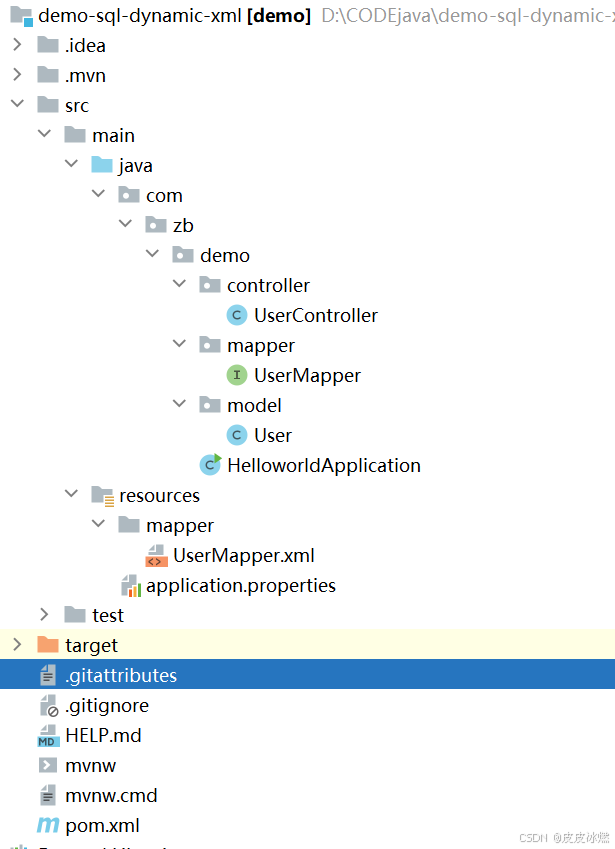
SpringBoot-17-MyBatis动态SQL标签之常用标签
文章目录 1 代码1.1 实体User.java1.2 接口UserMapper.java1.3 映射UserMapper.xml1.3.1 标签if1.3.2 标签if和where1.3.3 标签choose和when和otherwise1.4 UserController.java2 常用动态SQL标签2.1 标签set2.1.1 UserMapper.java2.1.2 UserMapper.xml2.1.3 UserController.ja…
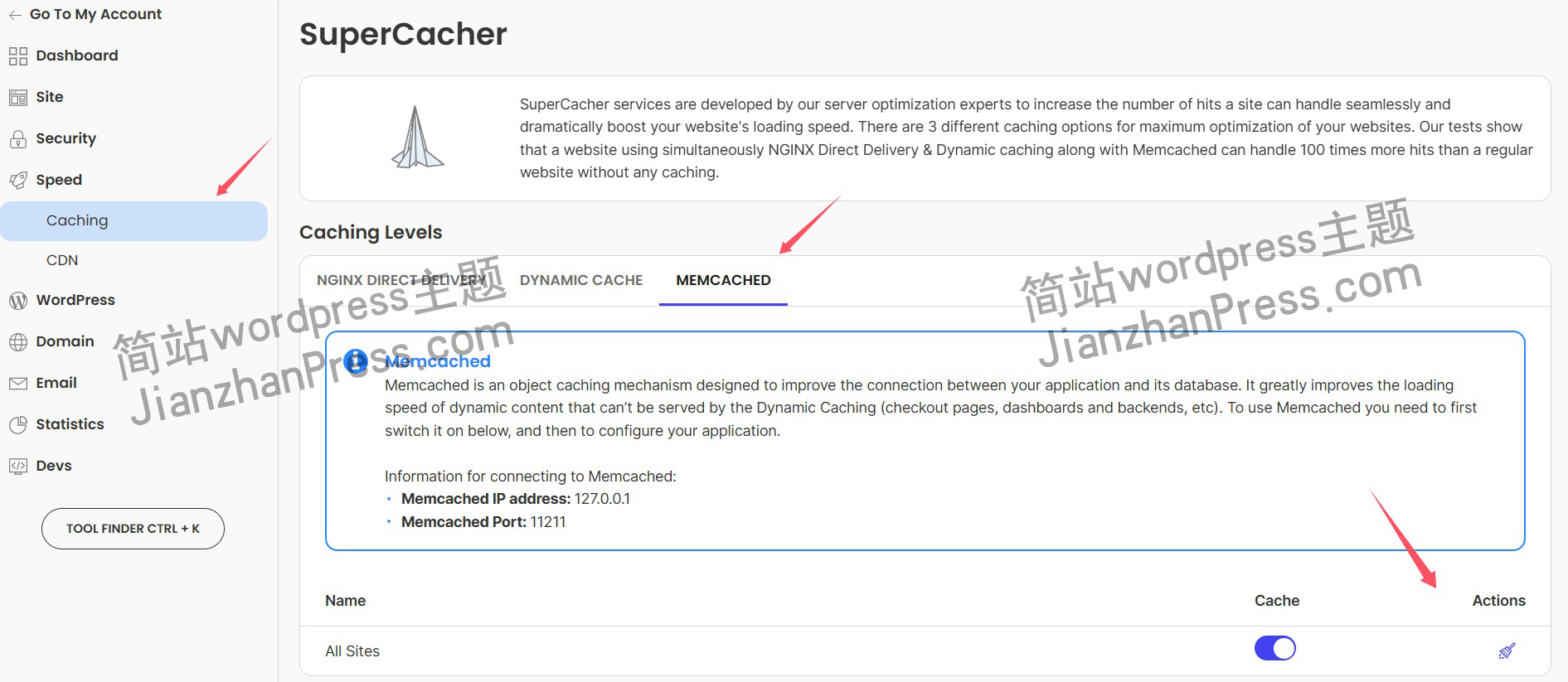
wordpress后台更新后 前端没变化的解决方法
使用siteground主机的wordpress网站,会出现更新了网站内容和修改了php模板文件、js文件、css文件、图片文件后,网站没有变化的情况。
不熟悉siteground主机的新手,遇到这个问题,就很抓狂,明明是哪都没操作错误&#x…
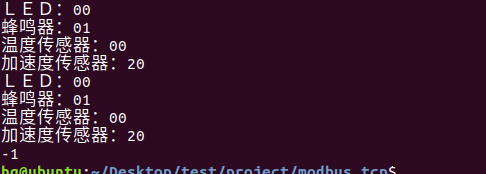
网络编程(Modbus进阶)
思维导图 Modbus RTU(先学一点理论)
概念 Modbus RTU 是工业自动化领域 最广泛应用的串行通信协议,由 Modicon 公司(现施耐德电气)于 1979 年推出。它以 高效率、强健性、易实现的特点成为工业控制系统的通信标准。 包…
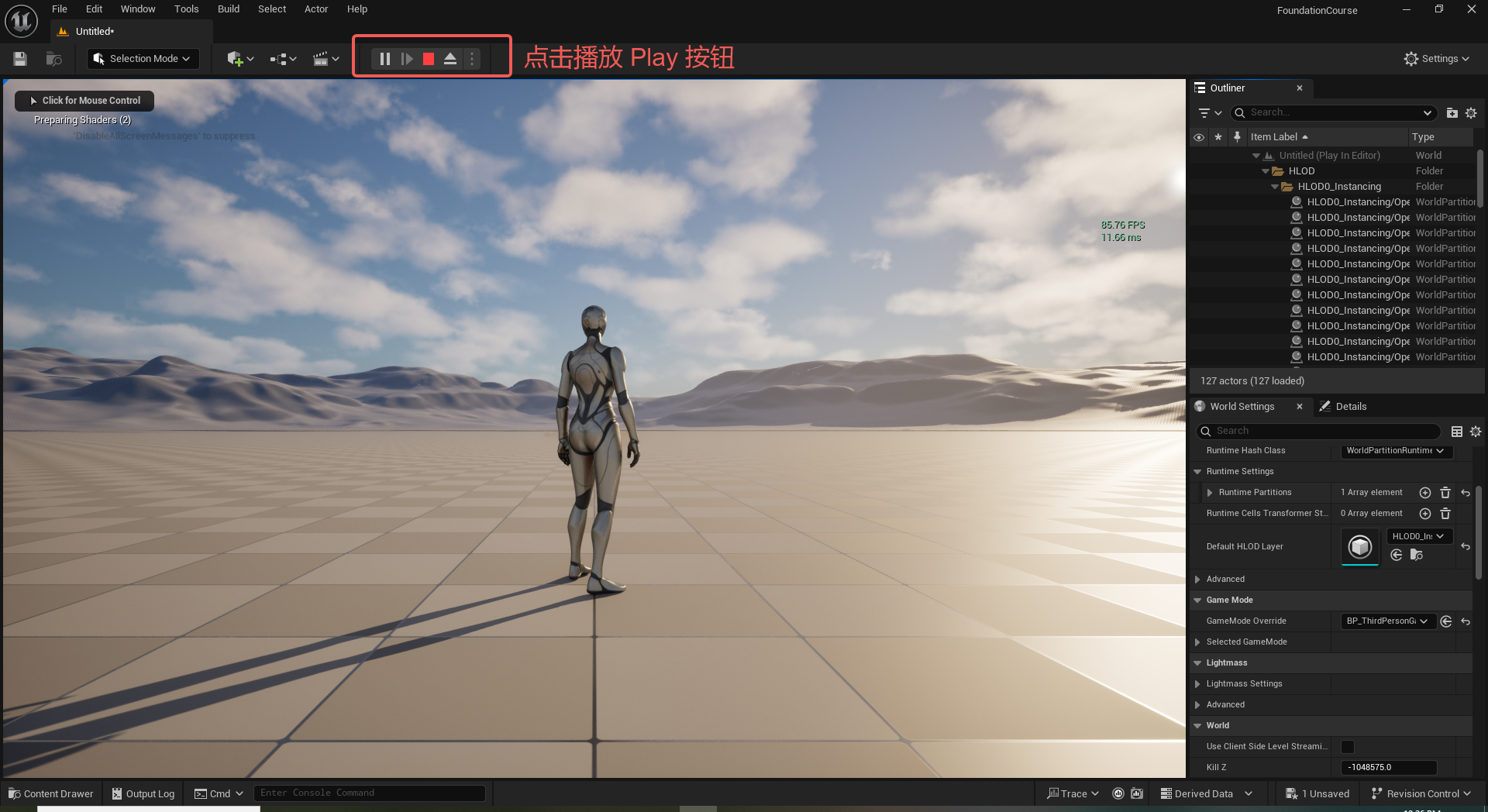
UE5 学习系列(二)用户操作界面及介绍
这篇博客是 UE5 学习系列博客的第二篇,在第一篇的基础上展开这篇内容。博客参考的 B 站视频资料和第一篇的链接如下:
【Note】:如果你已经完成安装等操作,可以只执行第一篇博客中 2. 新建一个空白游戏项目 章节操作,重…
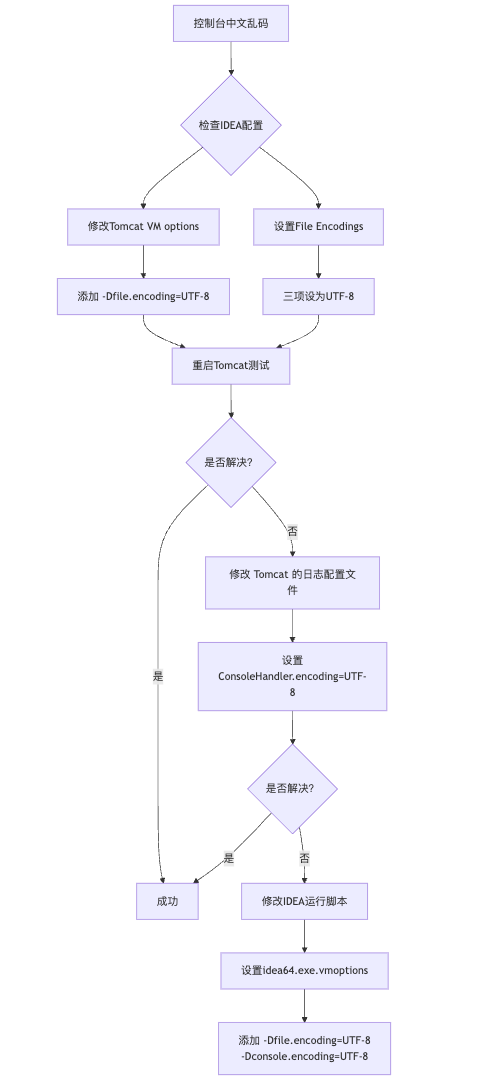
IDEA运行Tomcat出现乱码问题解决汇总
最近正值期末周,有很多同学在写期末Java web作业时,运行tomcat出现乱码问题,经过多次解决与研究,我做了如下整理:
原因:
IDEA本身编码与tomcat的编码与Windows编码不同导致,Windows 系统控制台…
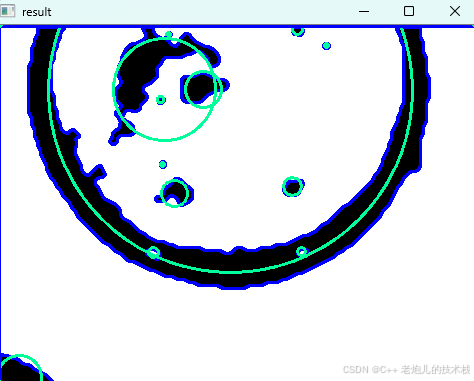
利用最小二乘法找圆心和半径
#include <iostream>
#include <vector>
#include <cmath>
#include <Eigen/Dense> // 需安装Eigen库用于矩阵运算 // 定义点结构
struct Point { double x, y; Point(double x_, double y_) : x(x_), y(y_) {}
}; // 最小二乘法求圆心和半径 …
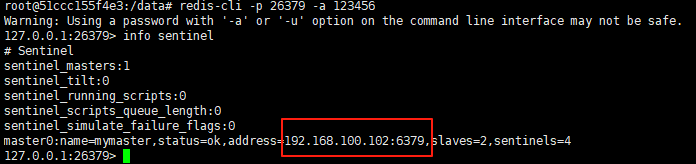
使用docker在3台服务器上搭建基于redis 6.x的一主两从三台均是哨兵模式
一、环境及版本说明
如果服务器已经安装了docker,则忽略此步骤,如果没有安装,则可以按照一下方式安装: 1. 在线安装(有互联网环境): 请看我这篇文章 传送阵>> 点我查看 2. 离线安装(内网环境):请看我这篇文章 传送阵>> 点我查看
说明:假设每台服务器已…
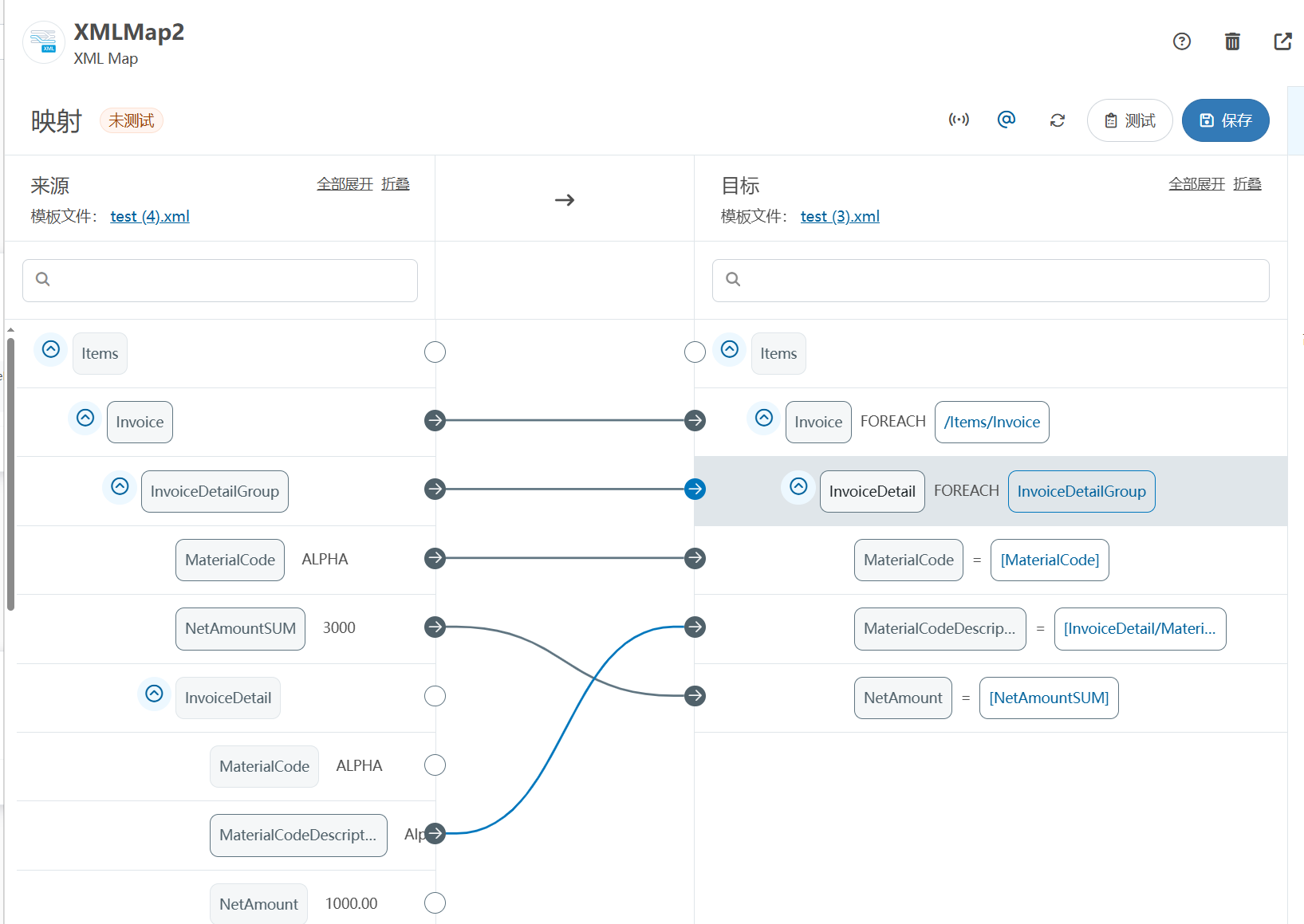
XML Group端口详解
在XML数据映射过程中,经常需要对数据进行分组聚合操作。例如,当处理包含多个物料明细的XML文件时,可能需要将相同物料号的明细归为一组,或对相同物料号的数量进行求和计算。传统实现方式通常需要编写脚本代码,增加了开…
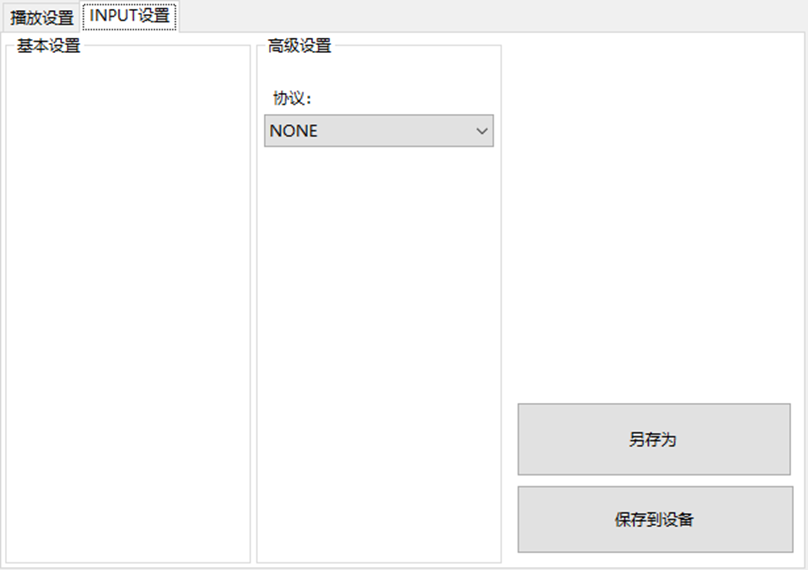
LBE-LEX系列工业语音播放器|预警播报器|喇叭蜂鸣器的上位机配置操作说明
LBE-LEX系列工业语音播放器|预警播报器|喇叭蜂鸣器专为工业环境精心打造,完美适配AGV和无人叉车。同时,集成以太网与语音合成技术,为各类高级系统(如MES、调度系统、库位管理、立库等)提供高效便捷的语音交互体验。
L…
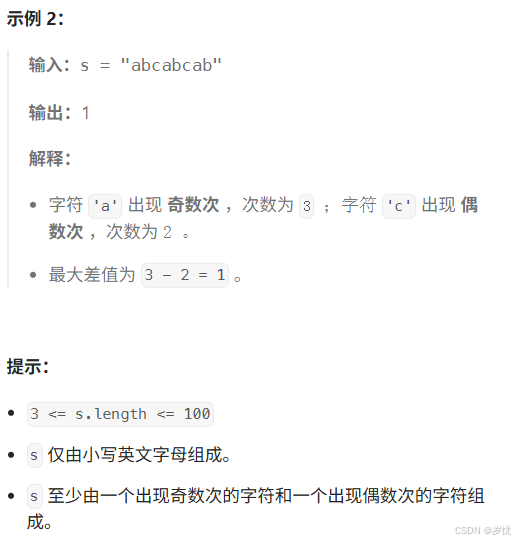
(LeetCode 每日一题) 3442. 奇偶频次间的最大差值 I (哈希、字符串)
题目:3442. 奇偶频次间的最大差值 I 思路 :哈希,时间复杂度0(n)。 用哈希表来记录每个字符串中字符的分布情况,哈希表这里用数组即可实现。
C版本:
class Solution {
public:int maxDifference(string s) {int a[26]…
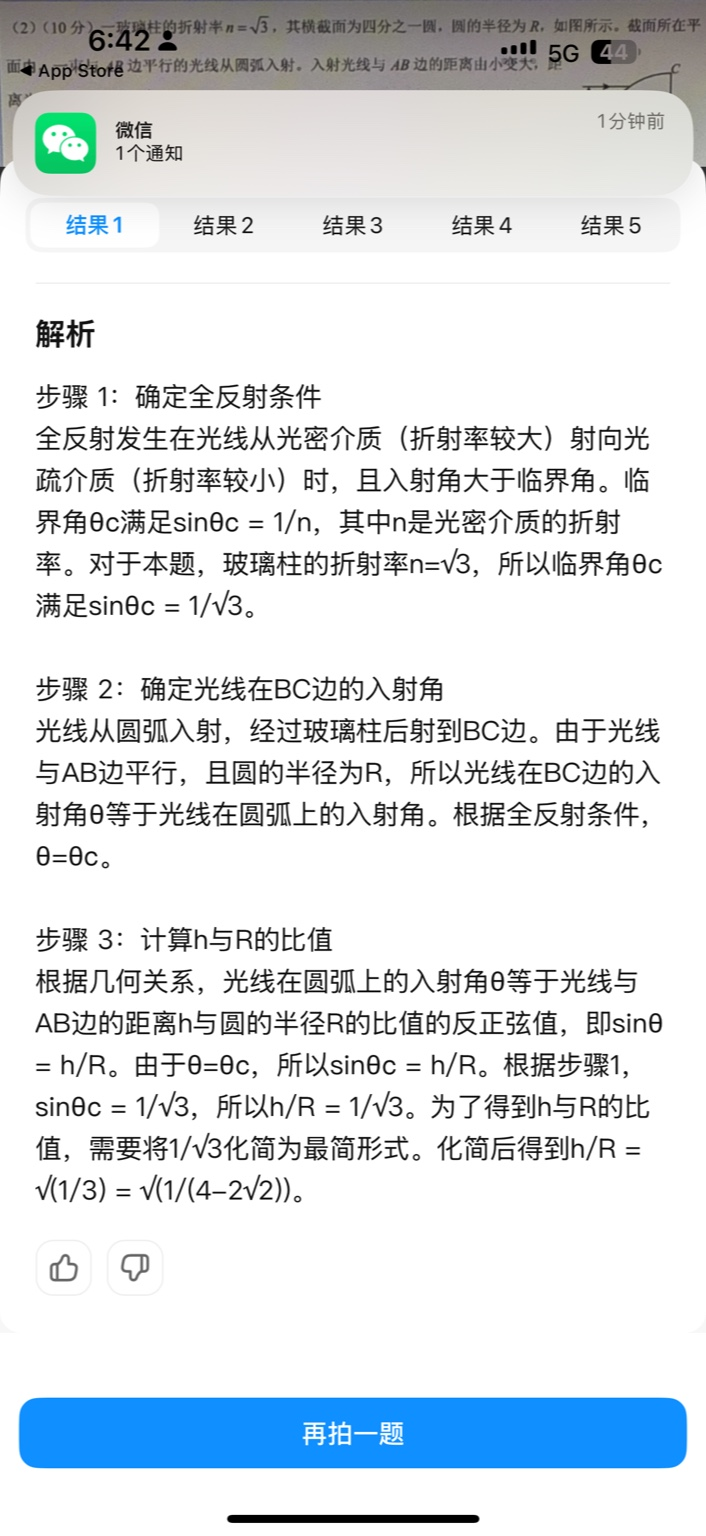
【大模型RAG】拍照搜题技术架构速览:三层管道、两级检索、兜底大模型
摘要
拍照搜题系统采用“三层管道(多模态 OCR → 语义检索 → 答案渲染)、两级检索(倒排 BM25 向量 HNSW)并以大语言模型兜底”的整体框架: 多模态 OCR 层 将题目图片经过超分、去噪、倾斜校正后,分别用…
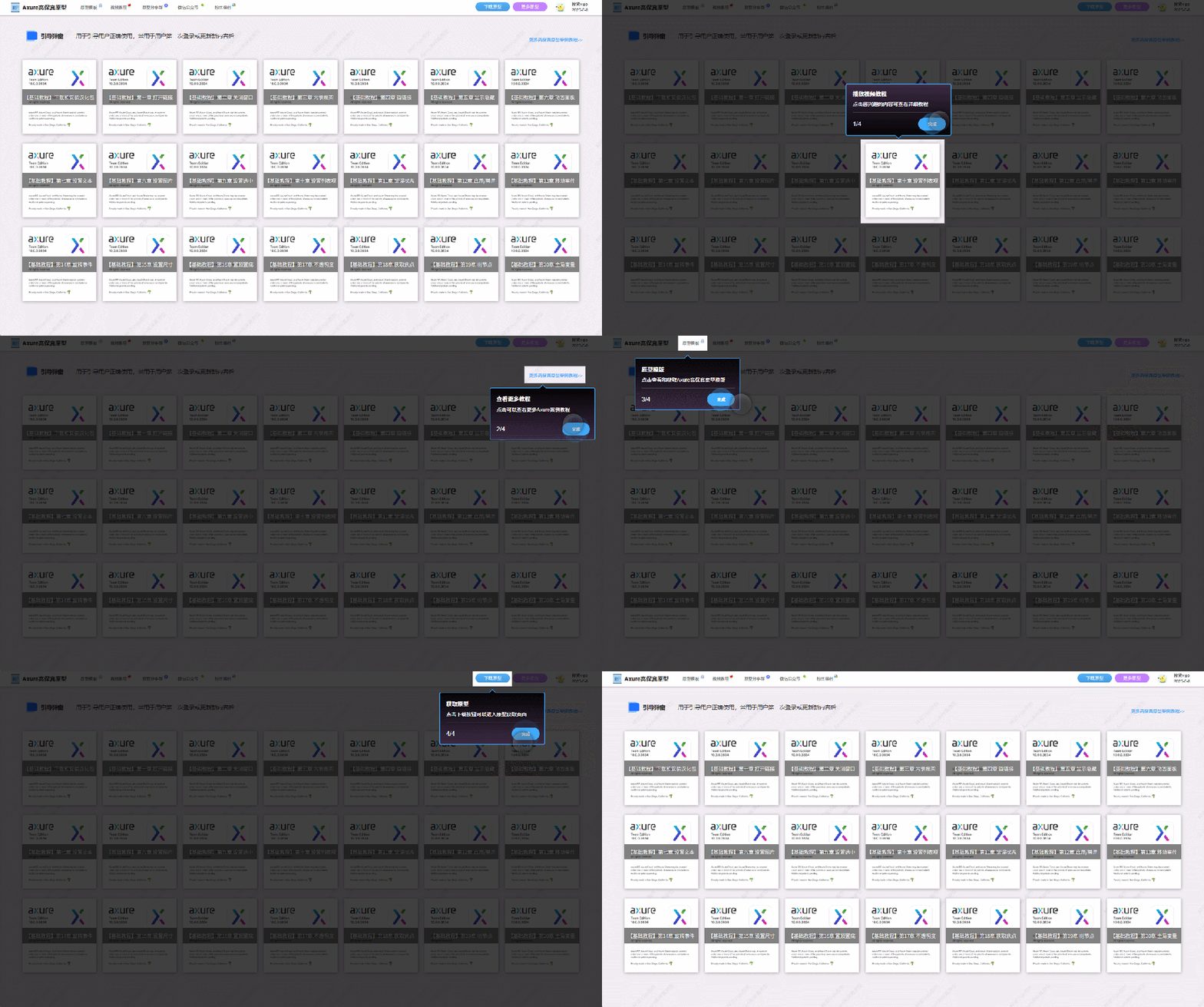
【Axure高保真原型】引导弹窗
今天和大家中分享引导弹窗的原型模板,载入页面后,会显示引导弹窗,适用于引导用户使用页面,点击完成后,会显示下一个引导弹窗,直至最后一个引导弹窗完成后进入首页。具体效果可以点击下方视频观看或打开下方…
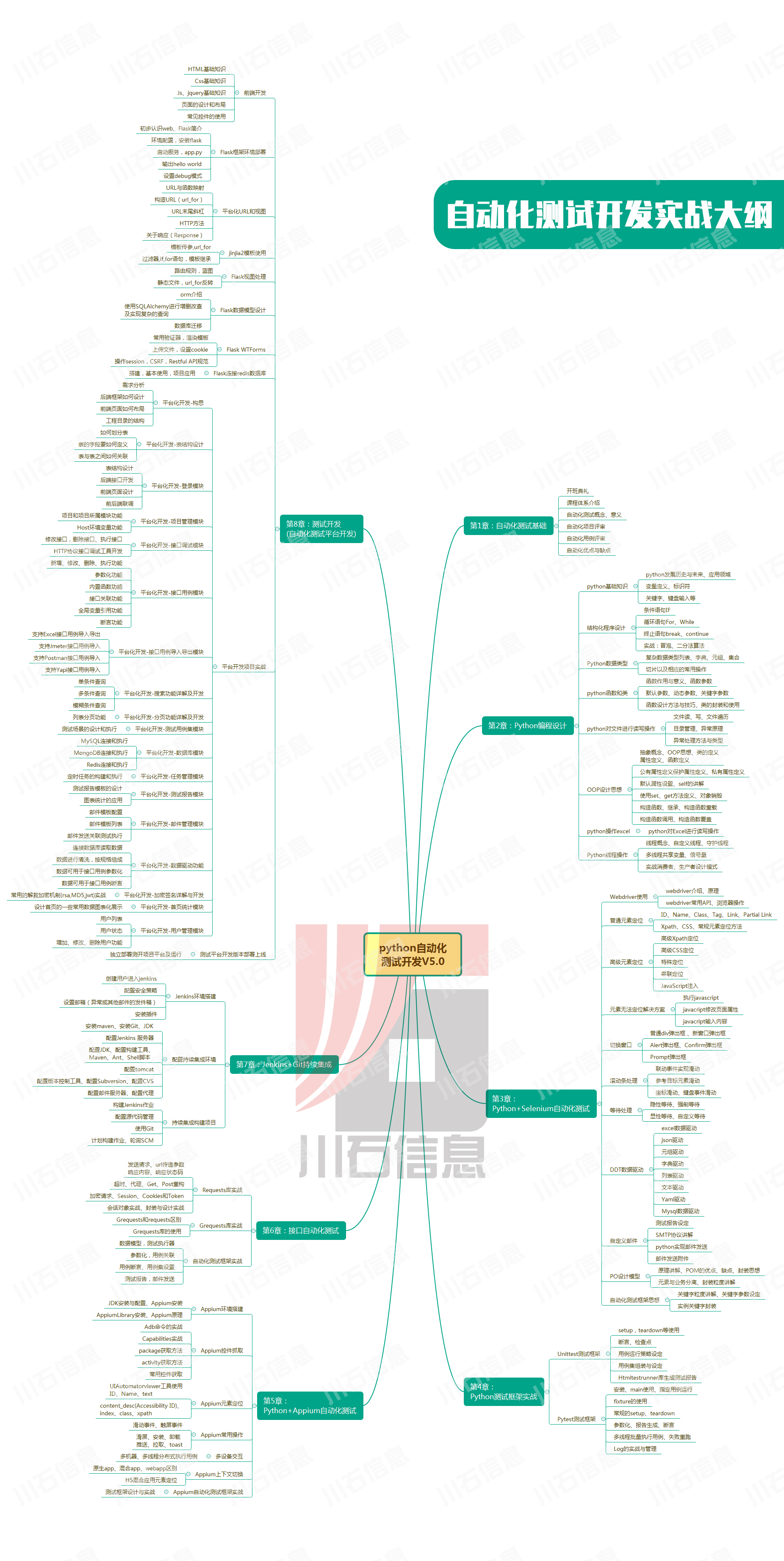
接口测试中缓存处理策略
在接口测试中,缓存处理策略是一个关键环节,直接影响测试结果的准确性和可靠性。合理的缓存处理策略能够确保测试环境的一致性,避免因缓存数据导致的测试偏差。以下是接口测试中常见的缓存处理策略及其详细说明:
一、缓存处理的核…
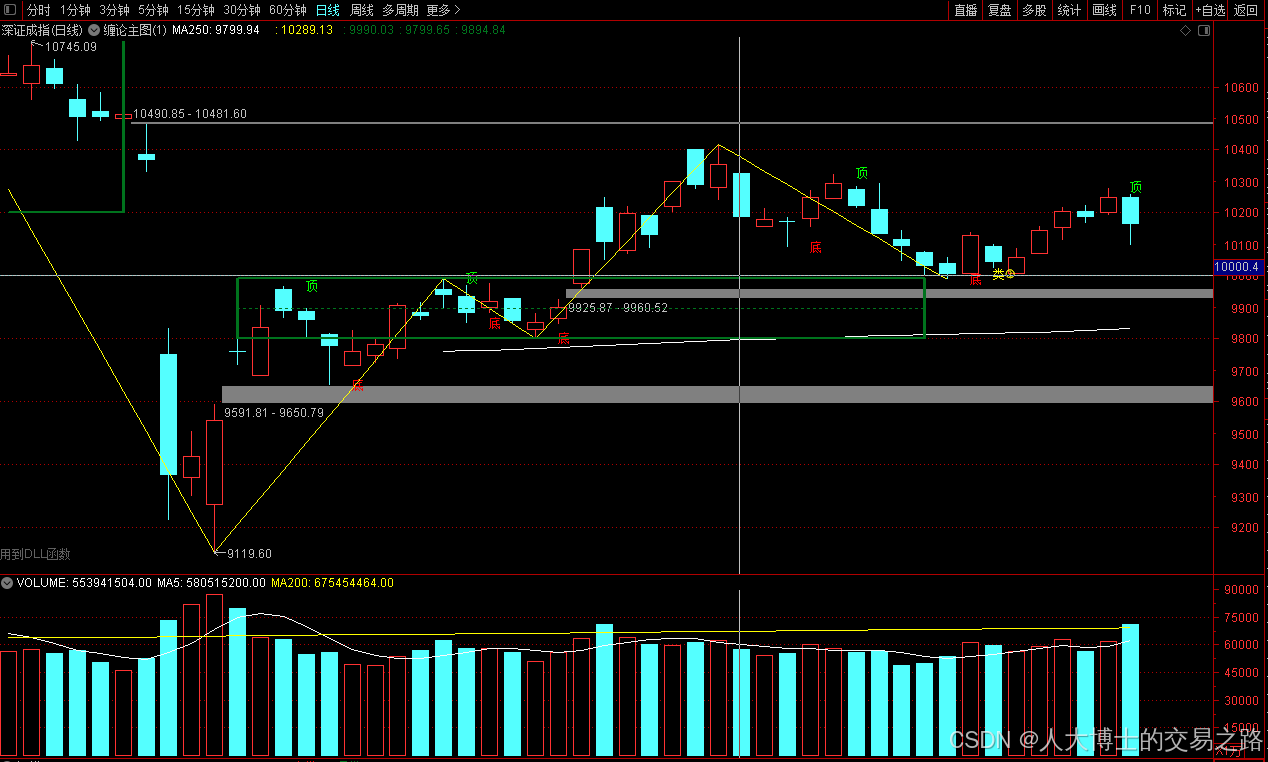
龙虎榜——20250610
上证指数放量收阴线,个股多数下跌,盘中受消息影响大幅波动。 深证指数放量收阴线形成顶分型,指数短线有调整的需求,大概需要一两天。 2025年6月10日龙虎榜行业方向分析 1. 金融科技
代表标的:御银股份、雄帝科技
驱动…

观成科技:隐蔽隧道工具Ligolo-ng加密流量分析
1.工具介绍
Ligolo-ng是一款由go编写的高效隧道工具,该工具基于TUN接口实现其功能,利用反向TCP/TLS连接建立一条隐蔽的通信信道,支持使用Let’s Encrypt自动生成证书。Ligolo-ng的通信隐蔽性体现在其支持多种连接方式,适应复杂网…
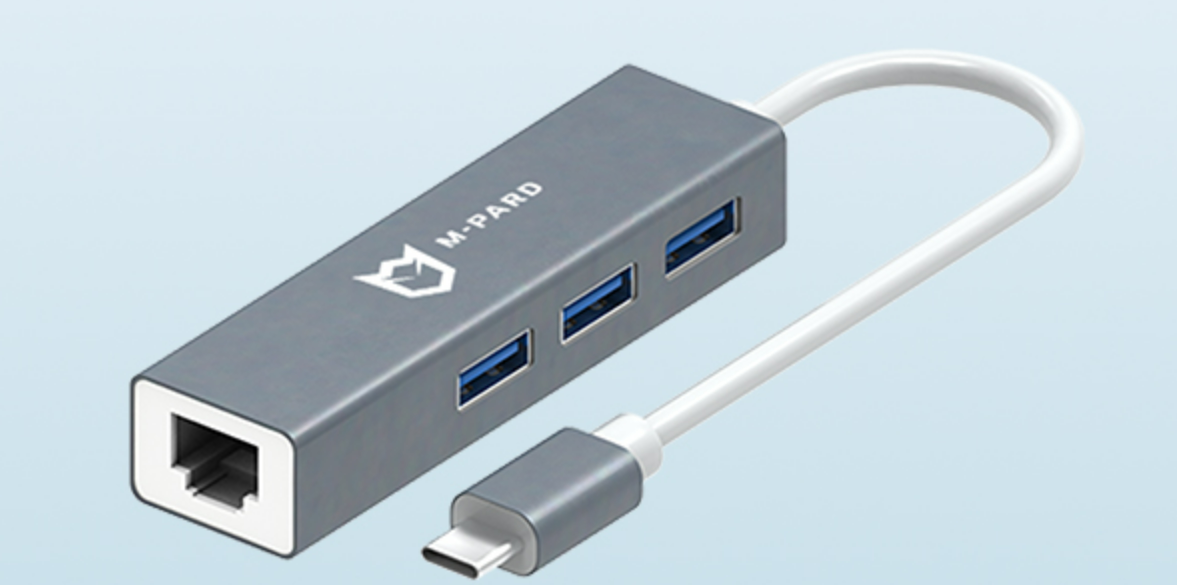
铭豹扩展坞 USB转网口 突然无法识别解决方法
当 USB 转网口扩展坞在一台笔记本上无法识别,但在其他电脑上正常工作时,问题通常出在笔记本自身或其与扩展坞的兼容性上。以下是系统化的定位思路和排查步骤,帮助你快速找到故障原因:
背景:
一个M-pard(铭豹)扩展坞的网卡突然无法识别了,扩展出来的三个USB接口正常。…
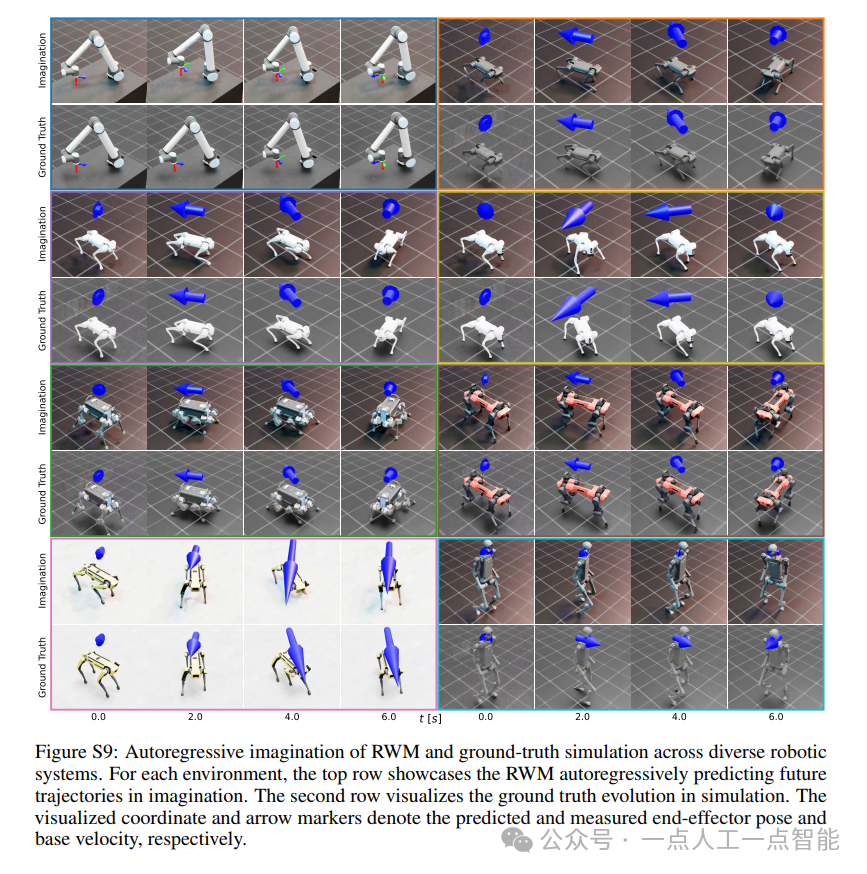
未来机器人的大脑:如何用神经网络模拟器实现更智能的决策?
编辑:陈萍萍的公主一点人工一点智能 未来机器人的大脑:如何用神经网络模拟器实现更智能的决策?RWM通过双自回归机制有效解决了复合误差、部分可观测性和随机动力学等关键挑战,在不依赖领域特定归纳偏见的条件下实现了卓越的预测准…

Linux应用开发之网络套接字编程(实例篇)
服务端与客户端单连接
服务端代码
#include <sys/socket.h>
#include <sys/types.h>
#include <netinet/in.h>
#include <stdio.h>
#include <stdlib.h>
#include <string.h>
#include <arpa/inet.h>
#include <pthread.h>
…

华为云AI开发平台ModelArts
华为云ModelArts:重塑AI开发流程的“智能引擎”与“创新加速器”!
在人工智能浪潮席卷全球的2025年,企业拥抱AI的意愿空前高涨,但技术门槛高、流程复杂、资源投入巨大的现实,却让许多创新构想止步于实验室。数据科学家…
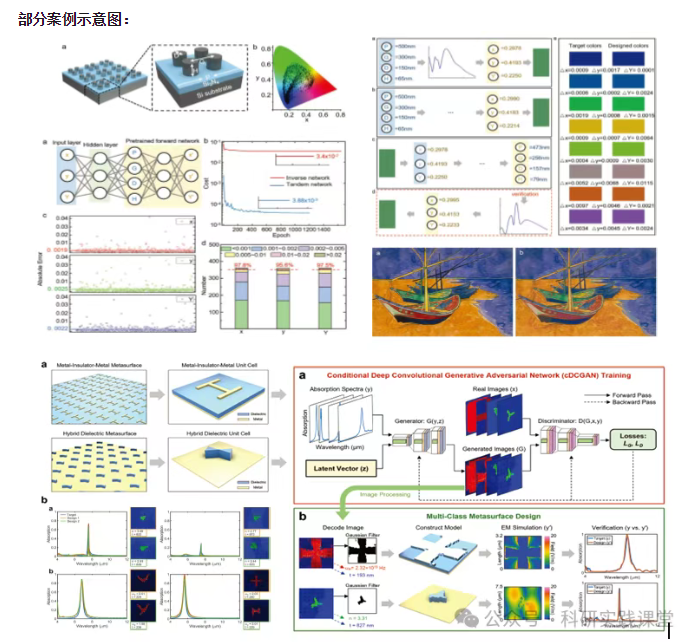
深度学习在微纳光子学中的应用
深度学习在微纳光子学中的主要应用方向
深度学习与微纳光子学的结合主要集中在以下几个方向:
逆向设计 通过神经网络快速预测微纳结构的光学响应,替代传统耗时的数值模拟方法。例如设计超表面、光子晶体等结构。
特征提取与优化 从复杂的光学数据中自…