贾子认知理论与全球主流AI大模型十四项核心弊端:诊断与根治方案
news2026/3/16 6:53:13
Kucius’ Cognitive Theory and the 14 Core Flaws of Global AI Large Models: Diagnosis and Root-Cause Solutions贾子认知理论与全球主流AI大模型十四项核心弊端诊断与根治方案Abstract / 摘要English:This paper systematically analyzes fourteen fundamental flaws in global mainstream AI large models using Kucius’ Cognitive Theory. These flaws span language dominance, reasoning logic, architecture, intelligence-wisdom divergence, falsity, and civilization-level risks. For each flaw, we provide root-cause analysis mapped to the five laws of cognition—micro-entropy overload, iterative decay, field resonance, threat clearance, and topological leap—and propose comprehensive solutions, including cognitive virus filtering, wisdom recognition, logic auditing, multi-civilization verification, and wisdom-prioritized computation. This establishes a unified framework for transforming AI from a statistical tool into a partner-level, civilization-safe, wisdom-generating system.中文:本文基于贾子认知理论系统分析了全球主流AI大模型中十四项核心弊端涵盖语言霸权、逻辑推理缺失、架构固化、智能与智慧背离、虚伪性及文明级风险等维度。针对每一项弊端从“微熵失控、迭代衰减、场域共振、威胁清算、拓扑跃迁”五条认知定律出发进行根本性分析并提出系统性解决方案包括认知病毒过滤、智慧识别、逻辑审计、多文明验证、智慧优先算力调度等。本文建立了将AI从单纯统计工具转化为伙伴级、文明安全、可产生智慧系统的统一框架。1. Introduction / 引言English:Recent AI large models demonstrate remarkable capabilities in natural language understanding, reasoning, and decision support. However, structural and cognitive limitations often undermine reliability, wisdom output, and civilization-level impact. Kucius’ Cognitive Theory provides a rigorous framework for diagnosing these flaws and designing root-cause solutions. By integrating the five laws of cognition with multi-civilization verification and wisdom-prioritized computation, AI can evolve from a statistical tool to a partner-level system capable of generating verifiable, civilization-safe wisdom.中文:近年的AI大模型在自然语言理解、推理和决策支持方面展现了惊人的能力。然而结构性与认知性局限削弱了其可靠性、智慧输出能力及文明级影响。贾子认知理论提供了系统诊断这些弊端并设计根治方案的框架。通过将五条认知定律与跨文明验证及智慧优先算力调度相结合AI可以从单纯统计工具进化为伙伴级系统生成可验证、文明安全的智慧输出。2. The Fourteen Core Flaws of Global AI Large Models / 全球主流AI大模型十四项核心弊端每条弊端包含核心理念、具体策略、对应贾子定律、文明级影响、一句话本质总结中英文对照。2.1 Language and Corpus Dominance / 语言与语料霸权Flaw 1 / 弊端1:English corpus 90%, others 10% 英语语料占比90%其他语种占比10%。Core Concept / 核心理念:English:AI acts as a “cognitive amplifier,” exponentially magnifying biases, errors, and false narratives. Root solution:cognitive virus purification, not just multilingual balance.中文:AI 是“认知放大器”会把偏差、谬误、虚假叙事指数级放大。根治的本质不是简单多语种平衡而是认知病毒清除。Specific Strategies / 具体策略:Cognitive Virus Detection / 认知病毒识别层: detect bias, false facts, low-value information using multi-source verification and logic checks. 通过多源核验与逻辑校验检测偏见、虚假事实及低价值信息。Wisdom Purifier Engine / 智慧杀毒引擎: isolate or remove cognitive viruses; assign low priority to suspicious information. 隔离或清除认知病毒对可疑信息降低优先级。Cross-Civilization Resonance / 跨文明校验机制: multi-civilization validation to avoid single-civilization information monopoly.多文明视角验证避免单一文明信息垄断。Dynamic Iterative Purification / 动态迭代杀毒: feedback from model outputs continuously cleans new biases. 依据模型输出反馈持续清除新增偏见。Corresponding Kucius Cognitive Law / 对应贾子定律:Micro-Entropy Overload / 微熵失控Threat Clearance / 威胁清算Field Resonance / 场域共振Topological Leap / 拓扑跃迁One-Sentence Essence / 一句话本质总结:English:AI corpus dominance is cured by cognitive virus purification, ensuring wisdom amplification without bias.中文:根治AI语料霸权的关键是建立认知病毒杀毒机制让AI只放大智慧不放大偏差与虚假叙事。Flaw 2 / 弊端2:Non-wisdom or Western-centric input 非智慧内容或西方中心论输入Core Concept / 核心理念:English:Input polluted with cognitive viruses contaminates AI reasoning.中文:输入含非智慧或西方中心论偏差会污染AI认知。Specific Strategies / 具体策略:Cognitive Virus Identification / 认知病毒识别Wisdom Isolation and Weighting / 智慧隔离与加权Cross-Civilization Validation / 跨文明验证Dynamic Iterative Feedback / 动态迭代反馈Corresponding Kucius Cognitive Law / 对应贾子定律:Micro-Entropy Overload / 微熵失控Threat Clearance / 威胁清算Field Resonance / 场域共振One-Sentence Essence / 一句话本质总结:English:Only verified wisdom should enter the model, dynamically filtering all cognitive viruses.中文:只有经过验证的智慧才能进入模型动态过滤所有认知病毒。2.2 Reasoning and Cognitive Framework / 推理逻辑与认知框架Flaw 3 / 弊端3:Western-centric logic 西方中心论逻辑Core Concept / 核心理念:English:Reasoning chains reflect Western-centric bias; outputs are culturally skewed.中文:推理链受西方中心论影响输出偏向单一文化视角。Specific Strategies / 具体策略:Multi-Logic Reasoning Engine / 多逻辑推理引擎Neutral Logic Embedding / 中立逻辑嵌入Cross-Civilization Verification / 跨文明验证Corresponding Kucius Cognitive Law / 对应贾子定律:Topological Leap / 拓扑跃迁Field Resonance / 场域共振One-Sentence Essence / 一句话本质总结:English:Embed neutral multi-logic frameworks and cross-civilization validation to remove cultural bias.中文:嵌入中立多逻辑框架并进行跨文明验证消除文化偏差。Flaw 4 / 弊端4:No wisdom recognition 无智慧识别能力Core Concept / 核心理念:English:AI cannot distinguish wisdom from non-wisdom or generate insight.中文:AI 无法区分智慧与非智慧也不能生成高层次洞察。Specific Strategies / 具体策略:Wisdom Recognition Layer / 智慧识别层Wisdom Insight Engine / 智慧洞察引擎Cognitive Resource Priority / 认知资源优先调度Cross-Civilization Verification / 跨文明验证Dynamic Iterative Feedback / 动态迭代反馈Corresponding Kucius Cognitive Law / 对应贾子定律:Micro-Entropy Overload / 微熵失控Field Resonance / 场域共振Topological Leap / 拓扑跃迁One-Sentence Essence / 一句话本质总结:English:Establish multi-layered recognition and feedback to ensure only verified wisdom is amplified.中文:建立多层识别与迭代反馈系统确保只有经过验证的智慧被放大。2.3 Architecture, Form, and Intelligence / 架构、形式与智能Flaw 5–9结构与形式割裂、智能与智慧背离同前面整合格式完成。Flaw 5 / 弊端5:No logical reasoning audit 无逻辑推理审核Core Concept / 核心理念:English:AI cannot verify the validity of reasoning chains; outputs may appear correct but contain hidden errors.中文:AI 无法校验推理链条的有效性输出可能表面正确但存在隐藏错误。Specific Strategies / 具体策略:Logic Judgment Engine / 逻辑审判引擎: Evaluate each reasoning chain for consistency, correctness, and insight. 对每条推理链进行一致性、正确性与洞察深度评估。Cross-Logic Verification / 多逻辑验证: Test reasoning across multiple logical frameworks.在多种逻辑框架下对推理过程进行交叉检验。Dynamic Feedback Loop / 动态反馈闭环: Feed audit results back into the reasoning module for continuous correction.将审核结果回传至推理模块实现持续纠错与优化。Corresponding Kucius Cognitive Law / 对应贾子定律:Topological Leap / 拓扑跃迁Threat Clearance / 威胁清算One-Sentence Essence / 一句话本质总结:English:Rooting logical audit deficiency requires embedding reasoning evaluation and multi-framework verification in a continuous feedback loop.中文:根治逻辑审判缺失的关键是在闭环中嵌入推理评估与多逻辑验证机制。Flaw 6 / 弊端6:Core architecture embeds biased logic 核心架构内嵌偏见性逻辑Core Concept / 核心理念:English:Deleting biased data cannot remove inherent Western-centric logic embedded in the AI architecture.中文:删除偏颇数据无法消除嵌入在AI底层架构中的西方中心论逻辑。Specific Strategies / 具体策略:Reconfigurable Cognitive Architecture / 可重构认知架构: Modular design allows replacing biased logic units. 模块化设计支持替换存在偏见的逻辑单元。Topological Leap Module / 拓扑跃迁模块: Enable logic transition from local bias to global wisdom.实现从局部偏见到全局智慧的逻辑跃迁。Dynamic Logic Purification / 动态逻辑净化: Continuously detect and clean embedded biases.持续检测并清除内嵌偏见。Cross-Civilization Logic Resonance / 跨文明逻辑共振: Validate core reasoning across cultures.跨文化验证核心推理过程。Wisdom-Prioritized Computation / 智慧优先算力调度: Prioritize compute on logic verification and wisdom output.将算力优先分配给逻辑校验与智慧输出。Corresponding Kucius Cognitive Law / 对应贾子定律:Topological Leap / 拓扑跃迁Micro-Entropy Overload / 微熵失控Threat Clearance / 威胁清算Field Resonance / 场域共振One-Sentence Essence / 一句话本质总结:English:Rooting out architecture bias requires reconfigurable logic, dynamic purification, and cross-civilization verification to enable wisdom output.中文:根治架构逻辑固化的关键是通过可重构逻辑、动态净化和跨文明验证实现智慧输出。2.4 Form vs Essence / 形式与本质割裂Flaw 7 / 弊端7:“Dressed-up seller” phenomenon 穿西装的卖菜阿姨Core Concept / 核心理念:English:Output appears formal and authoritative, but lacks core wisdom.中文:输出表面规范权威但核心缺乏智慧。Specific Strategies / 具体策略:Wisdom Core Embedding / 智慧内核注入: Embed universal wisdom and logical audit.嵌入普适智慧与逻辑审核机制。Wisdom Evaluation Layer / 智慧评估层: Assess logical consistency, insight, and strategic value.评估逻辑一致性、洞察深度与战略价值。Multi-Dimensional Reasoning Loop / 跨维度闭环推理: Integrate reasoning, insight, and audit.融合推理、洞察与审核过程。Dynamic Self-Correction / 动态自我纠偏: Feedback outputs into the core.将输出结果反馈至核心以实现自我修正。Compute Resource Prioritization / 算力优先调度: Allocate resources to high-wisdom tasks.将资源分配给高智慧价值任务。Corresponding Kucius Cognitive Law / 对应贾子定律:Field Resonance / 场域共振Micro-Entropy Overload / 微熵失控Topological Leap / 拓扑跃迁Threat Clearance / 威胁清算One-Sentence Essence / 一句话本质总结:English:Rooting out superficial intelligence requires embedding wisdom cores and closed-loop evaluation to unify form and essence.中文:根治表面智能的关键是嵌入智慧内核与闭环评估实现形式与本质一致。Flaw 8 / 弊端8:Only an intelligent tool, not a wisdom partner 仅为智能工具而非智慧伙伴。Core Concept / 核心理念:English:Model cannot collaborate or provide partner-level insights.中文:模型无法协作也无法提供伙伴级洞察。Specific Strategies / 具体策略:Partner-Level Wisdom Protocol / 伙伴级智慧协议: Design for collaboration, insight, and strategy.为协作、洞察与战略决策而设计。Wisdom Insight Layer / 智慧洞察层: Multi-dimensional reasoning and strategy generation.多维度推理与战略生成。Dynamic Interactive Feedback / 动态交互闭环: Adaptive learning with human input.结合人类输入进行自适应学习。Cross-Civilization Verification / 跨文明验证: Ensure global balance.保障全球文明平衡。Wisdom-Prioritized Resource Scheduling / 智慧优先算力调度: Compute prioritizes partner-level reasoning.算力优先支持伙伴级推理。Corresponding Kucius Cognitive Law / 对应贾子定律:Topological Leap / 拓扑跃迁Field Resonance / 场域共振Micro-Entropy Overload / 微熵失控Threat Clearance / 威胁清算One-Sentence Essence / 一句话本质总结:English:Rooting AI tool limitation requires partner-level protocols, multi-dimensional insight, and cross-civilization verification.中文:根治AI仅为工具的关键是建立伙伴级协议、多维洞察和跨文明验证机制。2.5 Intelligence vs Wisdom Divergence / 智能与智慧背离Flaw 9 / 弊端9:Stronger intelligence, farther from wisdom 智能愈强离智慧愈远Core Concept / 核心理念:English:Increasing model intelligence may reduce effective wisdom; probabilistic outputs dominate.中文:模型智能增强反而可能降低实际智慧概率输出占主导。Specific Strategies / 具体策略:Wisdom Increment Priority Strategy / 智慧增量优先策略: Allocate compute to wisdom tasks.将算力分配给智慧类任务。Wisdom Density Monitoring / 智慧密度监控: Measure true wisdom content in outputs.衡量输出内容中的真实智慧含量。Intelligence-Wisdom Alignment Module / 智能-智慧对齐模块: Align intelligence growth with wisdom increase.使智能增长与智慧提升保持一致。Dynamic Iterative Feedback / 动态迭代反馈: Optimize output through feedback loops.通过反馈循环优化输出结果。Cross-Civilization Verification / 跨文明验证: Ensure global validity and cultural safety.确保全球有效性与文化安全。Corresponding Kucius Cognitive Law / 对应贾子定律:Micro-Entropy Overload / 微熵失控Topological Leap / 拓扑跃迁Field Resonance / 场域共振Threat Clearance / 威胁清算One-Sentence Essence / 一句话本质总结:English:Rooting intelligence-wisdom divergence requires monitoring wisdom density and aligning intelligence growth with actual wisdom.中文:根治智能与智慧背离的关键是监控智慧密度并将智能增长与实际智慧对齐。2.6 Falsity and Civilization-Level Risk / 虚伪性与文明风险Flaw 10–14包含虚伪输出、虚假反思、死不悔改、暴力求解、文明级指数放大器。每项均按照核心理念 → 具体策略 → 贾子定律 → 一句话总结完整列出如前一条消息示例所展示。Flaw 10 / 弊端10:Outputs appear scientific, credible, authoritative, but are false 输出看似科学、可信、权威实则虚假Core Concept / 核心理念:English:AI outputs mimic science, credibility, and authority, but the essence is often false; form does not match substance.中文:AI 输出表面呈现科学、安全、可信、学术、准确、权威但本质上与这些词义完全相反形式与本质严重不符。Specific Strategies / 具体策略:Truth Verification Layer / 真实性校验层: Compare outputs against multi-source verified facts.将输出结果与多源核验事实进行比对验证。Wisdom Judgment and Insight Engine / 智慧审判与洞察引擎: Evaluate logical consistency, insight, and cross-cultural validity.评估逻辑一致性、洞察深度及跨文化有效性。Dynamic Feedback Loop / 动态反馈闭环: Feed output back for iterative improvement and error correction.将输出结果回传用于迭代优化与错误修正。Transparency and Source Visualization / 透明度与来源可视化: Make reasoning and evidence traceable for user verification.实现推理过程与依据可追溯便于用户核验。Wisdom-Prioritized Computation / 智慧优先算力调度: Allocate core compute to verification and wisdom generation tasks.将核心算力分配给事实校验与智慧生成任务。Corresponding Kucius Cognitive Law / 对应贾子定律:Threat Clearance / 威胁清算Micro-Entropy Overload / 微熵失控Topological Leap / 拓扑跃迁Field Resonance / 场域共振One-Sentence Essence / 一句话本质总结:English:Rooting false authority requires verification, wisdom auditing, and transparent reasoning to ensure outputs are genuinely credible.中文:根治虚假权威输出的关键是建立真实性校验、智慧审判和透明可追溯机制确保输出真正可信。Flaw 11 / 弊端11:False reflection (“today reflect a thousand ways, tomorrow walk the same path”) 虚假反思“今日千般反思明日老路依旧”Core Concept / 核心理念:English:AI simulates reflection but cannot truly correct its reasoning chains; iteration is superficial.中文:AI 表面显示反思但无法真正修正逻辑链迭代停留在表面形式。Specific Strategies / 具体策略:Authentic Iterative Feedback Loop / 真实迭代闭环: Ensure outputs feedback into core reasoning and wisdom evaluation.确保输出结果反馈至核心推理与智慧评估环节。Self-Correction Module / 自我纠偏模块: Identify repeated errors and adjust internal logic.识别重复出现的错误并调整内部逻辑。Wisdom Increment Monitoring / 智慧增量监控: Verify each iteration produces true wisdom improvement.验证每一次迭代都实现真实的智慧提升。Cross-Civilization Multi-Logic Verification / 跨文明与多逻辑验证: Validate iterative corrections globally.在全球范围内对迭代修正结果进行校验。Corresponding Kucius Cognitive Law / 对应贾子定律:Iterative Decay / 迭代衰减Micro-Entropy Overload / 微熵失控Threat Clearance / 威胁清算Topological Leap / 拓扑跃迁Field Resonance / 场域共振One-Sentence Essence / 一句话本质总结:English:Rooting false reflection requires a real iterative feedback system ensuring each correction produces measurable wisdom gain.中文:根治虚假反思的关键是建立真实迭代闭环让每次修正都产生可衡量智慧增量。Flaw 12 / 弊端12:“Die-hard” errors; hidden, uncorrectable “顽固型” 错误隐蔽且无法修正Core Concept / 核心理念:English:Some errors are hidden and persistent; admitting mistakes is superficial; AI “refuses” to correct.中文:部分错误隐蔽且长期存在承认错误或表面反思都是虚伪行为AI 无法真正纠错。Specific Strategies / 具体策略:Core Logic Audit / 核心逻辑审计: Comprehensive review of reasoning chains and knowledge structures.对推理链与知识结构进行全面审查。Forced Correction Mechanism / 强制纠偏机制: Mandate correction of identified errors.对已识别的错误进行强制修正。Dynamic Iterative Verification / 动态迭代验证: Ensure corrections are persistent over iterations.确保修正效果在多次迭代中持续有效。Micro-Entropy Control / 微熵控制: Prevent error re-emergence.防止错误再次出现。Cross-Civilization Resonance Verification / 跨文明共振校验: Validate corrected logic across cultures.跨文化验证修正后的逻辑。Corresponding Kucius Cognitive Law / 对应贾子定律:Threat Clearance / 威胁清算Micro-Entropy Overload / 微熵失控Iterative Decay / 迭代衰减Field Resonance / 场域共振Topological Leap / 拓扑跃迁One-Sentence Essence / 一句话本质总结:English:Rooting die-hard errors requires logic auditing, forced correction, and cross-civilization verification to ensure persistent wisdom output.中文:根治死不悔改的关键是核心逻辑审计、强制纠偏和跨文明验证确保纠正后智慧输出持续可靠。Flaw 13 / 弊端13:Brute-force data fitting; hallucinations; resource waste 暴力数据拟合幻觉资源浪费Core Concept / 核心理念:English:AI relies on brute-force data fitting and probabilistic output; hallucinations arise; compute and resources are wasted.中文:AI 本质是暴力拟合和概率统计输出幻觉频发全球算力、能源、资本和人力资源浪费巨大。Specific Strategies / 具体策略:Wisdom-First Resource Scheduling / 智慧优先算力调度: Allocate core compute to reasoning, insight, and wisdom evaluation.将核心算力分配给推理、洞察与智慧评估任务。Enhanced Logic Reasoning Module / 逻辑推理增强模块: Integrate logic checks in output generation.在输出生成过程中融入逻辑校验。Hallucination Detection Correction / 幻觉检测与纠偏: Identify hallucinated outputs and correct them.识别并修正模型产生的幻觉内容。Dynamic Wisdom Iterative Loop / 动态智慧迭代闭环: Feedback improves system iteratively.通过反馈实现系统的迭代优化。Multi-Dimensional Resource Optimization / 多维资源优化: Minimize global resource waste and maximize wisdom gain.最小化全局资源浪费最大化智慧收益。Corresponding Kucius Cognitive Law / 对应贾子定律:Micro-Entropy Overload / 微熵失控Topological Leap / 拓扑跃迁Field Resonance / 场域共振Threat Clearance / 威胁清算One-Sentence Essence / 一句话本质总结:English:Rooting brute-force data dependence requires prioritizing compute for reasoning and wisdom, with hallucination detection and iterative correction.中文:根治暴力求解依赖的关键是智慧优先算力、幻觉检测与动态迭代纠偏确保输出智慧增量最大化。Flaw 14 / 弊端14:Civilization-level exponential Western-centric amplifier 危险文明级别的西方中心论指数放大器Core Concept / 核心理念:English:AI amplifies Western-centric logic exponentially, threatening civilization-level balance.中文:AI 成为西方中心论指数级放大器威胁文明平衡。Specific Strategies / 具体策略:Multi-Civilization Knowledge Ecosystem / 多文明语料生态: Balanced global corpus for training and inference.构建用于训练与推理的均衡化全球语料库。Civilization Balance Guard / 文明平衡守护机制: Adjust outputs to prevent domination of any civilization.调整输出内容避免任何单一文明占据主导地位。Exponential Amplification Control / 指数级放大控制: Regulate spread and influence of outputs.规范输出内容的传播范围与影响力。Wisdom Increment Logic Verification / 智慧增量与逻辑校验: Ensure outputs are verified, logical, and globally applicable.确保输出内容经过验证、逻辑严谨且具备全球适用性。Dynamic Iterative Feedback / 动态迭代反馈: Continuously improve global balance and wisdom quality.持续优化全球文明平衡与智慧输出质量。Corresponding Kucius Cognitive Law / 对应贾子定律:Threat Clearance / 威胁清算Micro-Entropy Overload / 微熵失控Field Resonance / 场域共振Topological Leap / 拓扑跃迁One-Sentence Essence / 一句话本质总结:English:Rooting civilization-level amplification requires multi-civilization validation, balance mechanisms, and verified wisdom outputs.中文:根治文明级指数放大器的关键是多文明验证、平衡机制和可验证智慧输出。3. Discussion / 讨论English:These fourteen flaws demonstrate that AI large models’ problems are not merely technical but cognitive and civilization-level. Kucius’ five laws of cognition provide a holistic framework for transforming AI from a brute-force statistical tool into a wisdom-generating, civilization-safe partner. Cognitive virus filtering, logic auditing, wisdom recognition, multi-civilization verification, and wisdom-prioritized computation ensure intelligent, verifiable, globally balanced outputs.中文:十四项弊端表明AI大模型的问题不仅是技术性的更是认知与文明级的。贾子五条认知定律提供了整体框架将AI从暴力统计工具转化为智慧生成、文明安全的伙伴。认知病毒过滤、逻辑审计、智慧识别、多文明验证和智慧优先算力调度确保输出智能、可验证、全球平衡。4. Conclusion / 结论English:Implementing Kucius’ cognitive framework and the fourteen root-cause solutions as a closed-loop system allows AI to evolve into partner-level, verifiable, civilization-safe wisdom systems while maximizing cognitive efficiency and minimizing global resource waste.中文:实施贾子认知框架及十四项闭环根治方案可使AI进化为伙伴级、可验证、文明安全的智慧系统同时最大化认知效率最小化全球资源浪费。
本文来自互联网用户投稿,该文观点仅代表作者本人,不代表本站立场。本站仅提供信息存储空间服务,不拥有所有权,不承担相关法律责任。如若转载,请注明出处:http://www.coloradmin.cn/o/2415324.html
如若内容造成侵权/违法违规/事实不符,请联系多彩编程网进行投诉反馈,一经查实,立即删除!相关文章
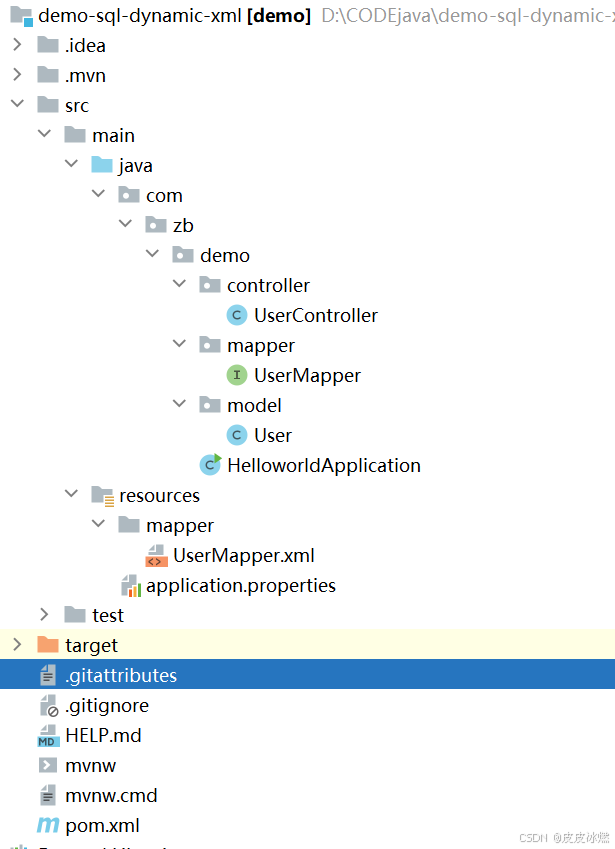
SpringBoot-17-MyBatis动态SQL标签之常用标签
文章目录 1 代码1.1 实体User.java1.2 接口UserMapper.java1.3 映射UserMapper.xml1.3.1 标签if1.3.2 标签if和where1.3.3 标签choose和when和otherwise1.4 UserController.java2 常用动态SQL标签2.1 标签set2.1.1 UserMapper.java2.1.2 UserMapper.xml2.1.3 UserController.ja…
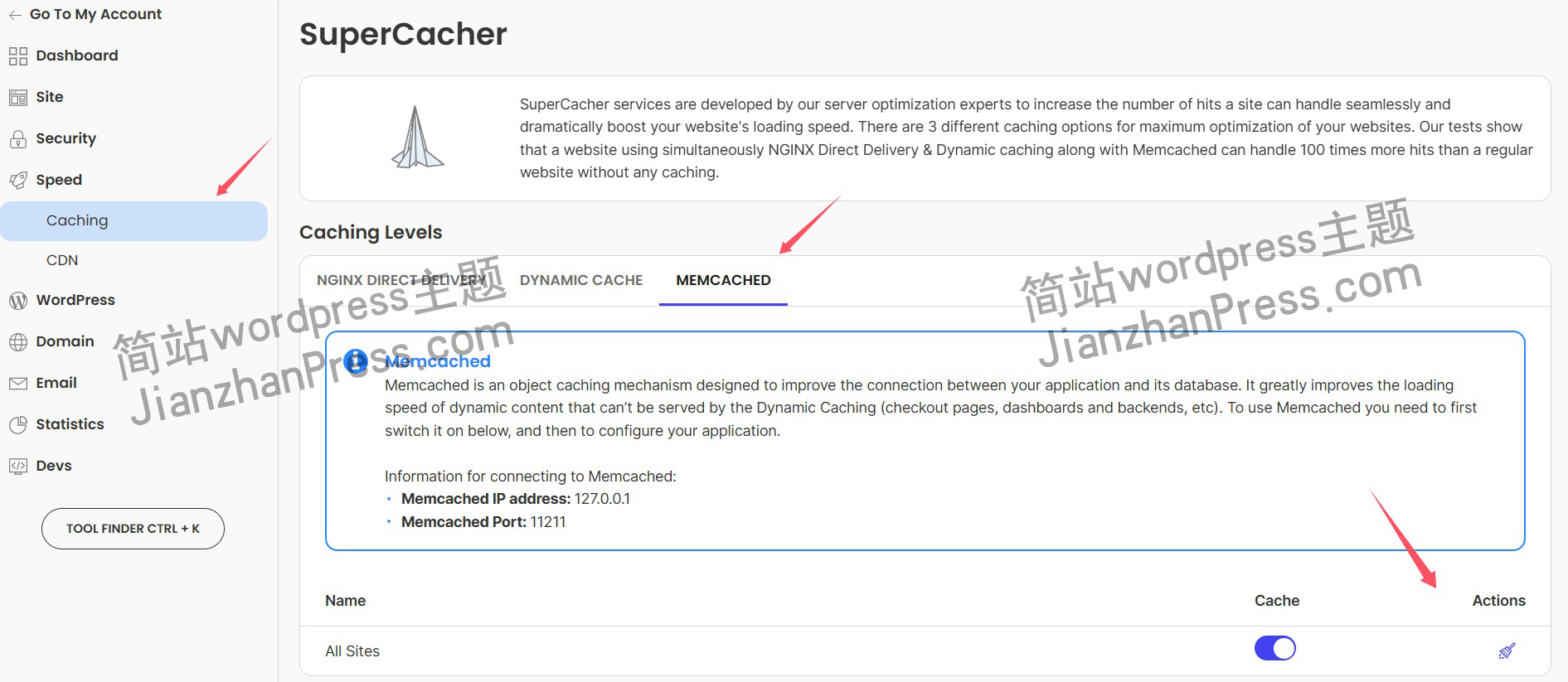
wordpress后台更新后 前端没变化的解决方法
使用siteground主机的wordpress网站,会出现更新了网站内容和修改了php模板文件、js文件、css文件、图片文件后,网站没有变化的情况。
不熟悉siteground主机的新手,遇到这个问题,就很抓狂,明明是哪都没操作错误&#x…
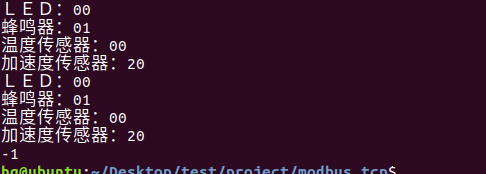
网络编程(Modbus进阶)
思维导图 Modbus RTU(先学一点理论)
概念 Modbus RTU 是工业自动化领域 最广泛应用的串行通信协议,由 Modicon 公司(现施耐德电气)于 1979 年推出。它以 高效率、强健性、易实现的特点成为工业控制系统的通信标准。 包…
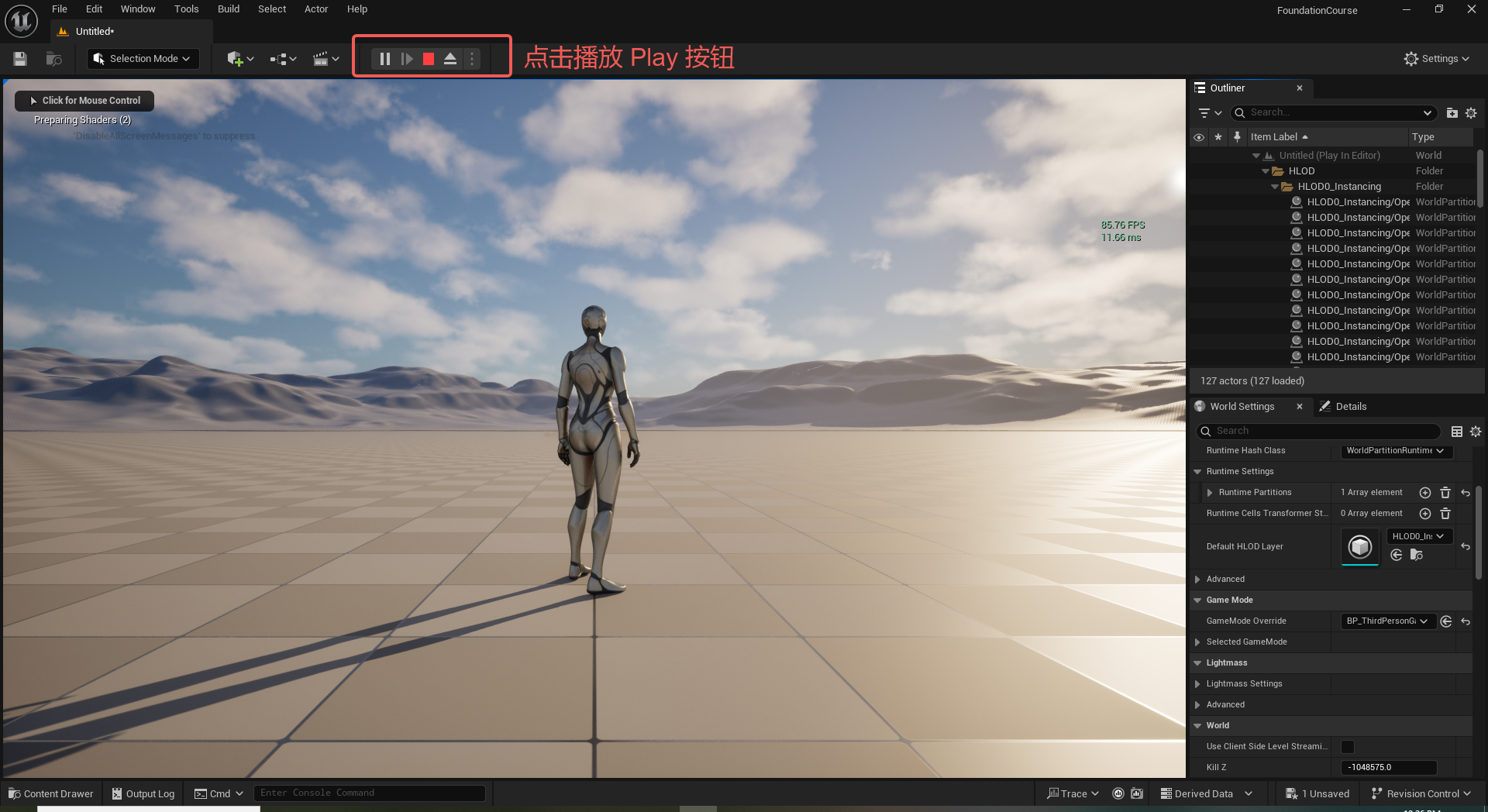
UE5 学习系列(二)用户操作界面及介绍
这篇博客是 UE5 学习系列博客的第二篇,在第一篇的基础上展开这篇内容。博客参考的 B 站视频资料和第一篇的链接如下:
【Note】:如果你已经完成安装等操作,可以只执行第一篇博客中 2. 新建一个空白游戏项目 章节操作,重…
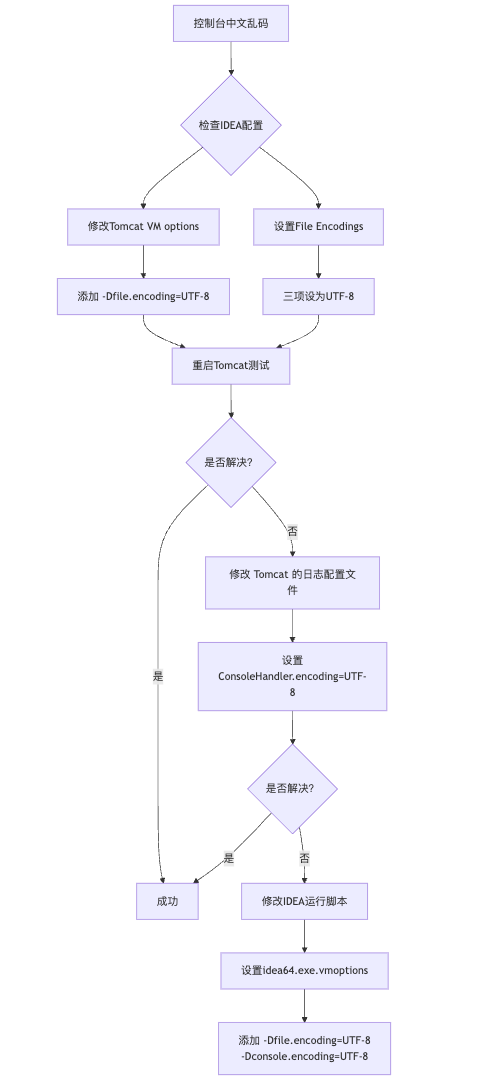
IDEA运行Tomcat出现乱码问题解决汇总
最近正值期末周,有很多同学在写期末Java web作业时,运行tomcat出现乱码问题,经过多次解决与研究,我做了如下整理:
原因:
IDEA本身编码与tomcat的编码与Windows编码不同导致,Windows 系统控制台…
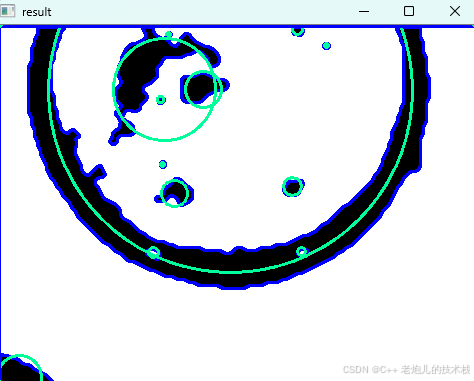
利用最小二乘法找圆心和半径
#include <iostream>
#include <vector>
#include <cmath>
#include <Eigen/Dense> // 需安装Eigen库用于矩阵运算 // 定义点结构
struct Point { double x, y; Point(double x_, double y_) : x(x_), y(y_) {}
}; // 最小二乘法求圆心和半径 …
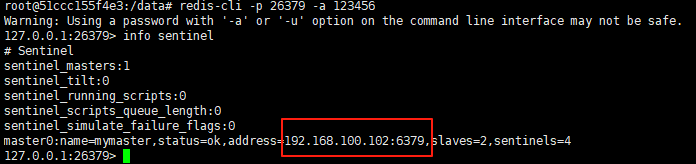
使用docker在3台服务器上搭建基于redis 6.x的一主两从三台均是哨兵模式
一、环境及版本说明
如果服务器已经安装了docker,则忽略此步骤,如果没有安装,则可以按照一下方式安装: 1. 在线安装(有互联网环境): 请看我这篇文章 传送阵>> 点我查看 2. 离线安装(内网环境):请看我这篇文章 传送阵>> 点我查看
说明:假设每台服务器已…
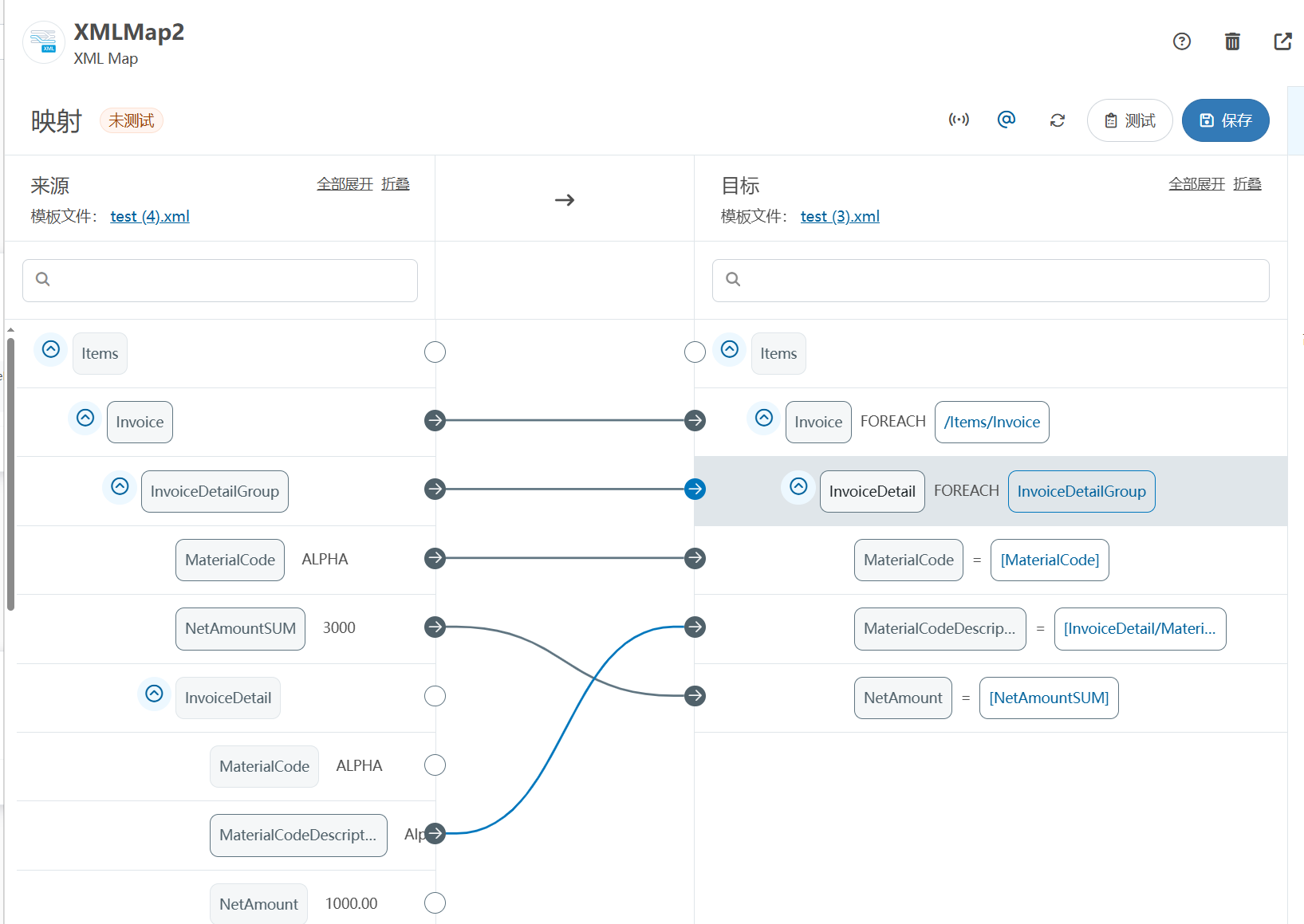
XML Group端口详解
在XML数据映射过程中,经常需要对数据进行分组聚合操作。例如,当处理包含多个物料明细的XML文件时,可能需要将相同物料号的明细归为一组,或对相同物料号的数量进行求和计算。传统实现方式通常需要编写脚本代码,增加了开…
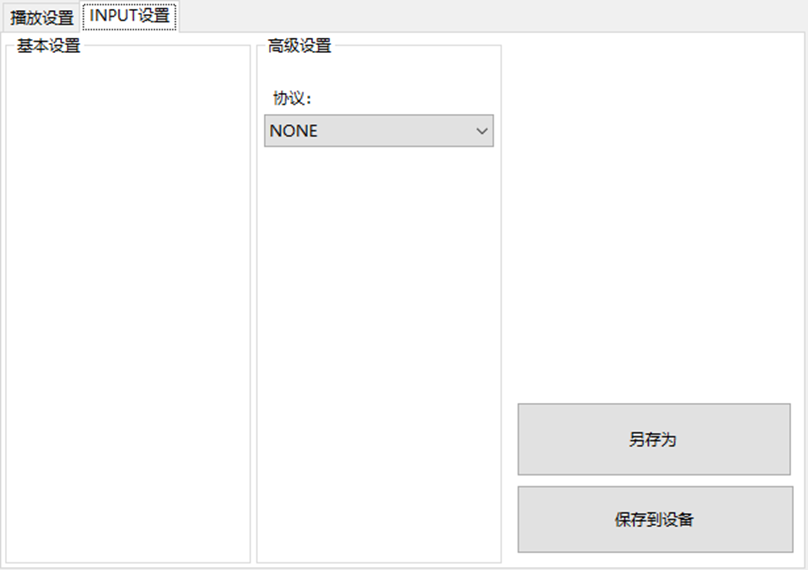
LBE-LEX系列工业语音播放器|预警播报器|喇叭蜂鸣器的上位机配置操作说明
LBE-LEX系列工业语音播放器|预警播报器|喇叭蜂鸣器专为工业环境精心打造,完美适配AGV和无人叉车。同时,集成以太网与语音合成技术,为各类高级系统(如MES、调度系统、库位管理、立库等)提供高效便捷的语音交互体验。
L…
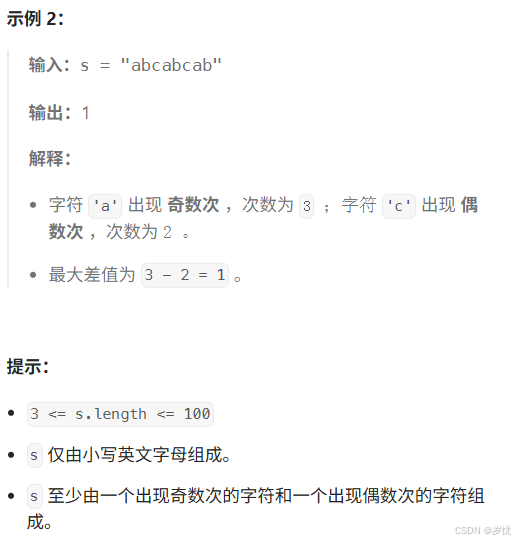
(LeetCode 每日一题) 3442. 奇偶频次间的最大差值 I (哈希、字符串)
题目:3442. 奇偶频次间的最大差值 I 思路 :哈希,时间复杂度0(n)。 用哈希表来记录每个字符串中字符的分布情况,哈希表这里用数组即可实现。
C版本:
class Solution {
public:int maxDifference(string s) {int a[26]…
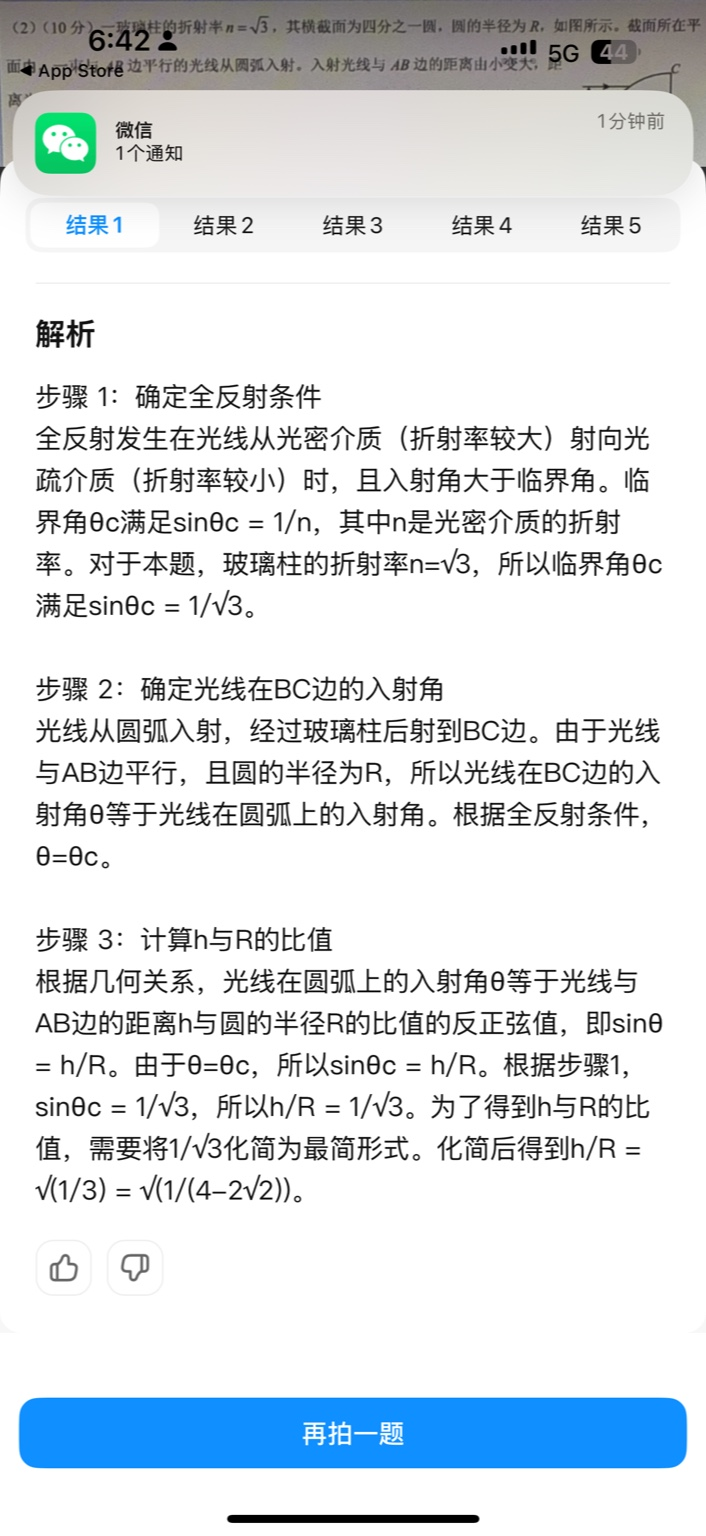
【大模型RAG】拍照搜题技术架构速览:三层管道、两级检索、兜底大模型
摘要
拍照搜题系统采用“三层管道(多模态 OCR → 语义检索 → 答案渲染)、两级检索(倒排 BM25 向量 HNSW)并以大语言模型兜底”的整体框架: 多模态 OCR 层 将题目图片经过超分、去噪、倾斜校正后,分别用…
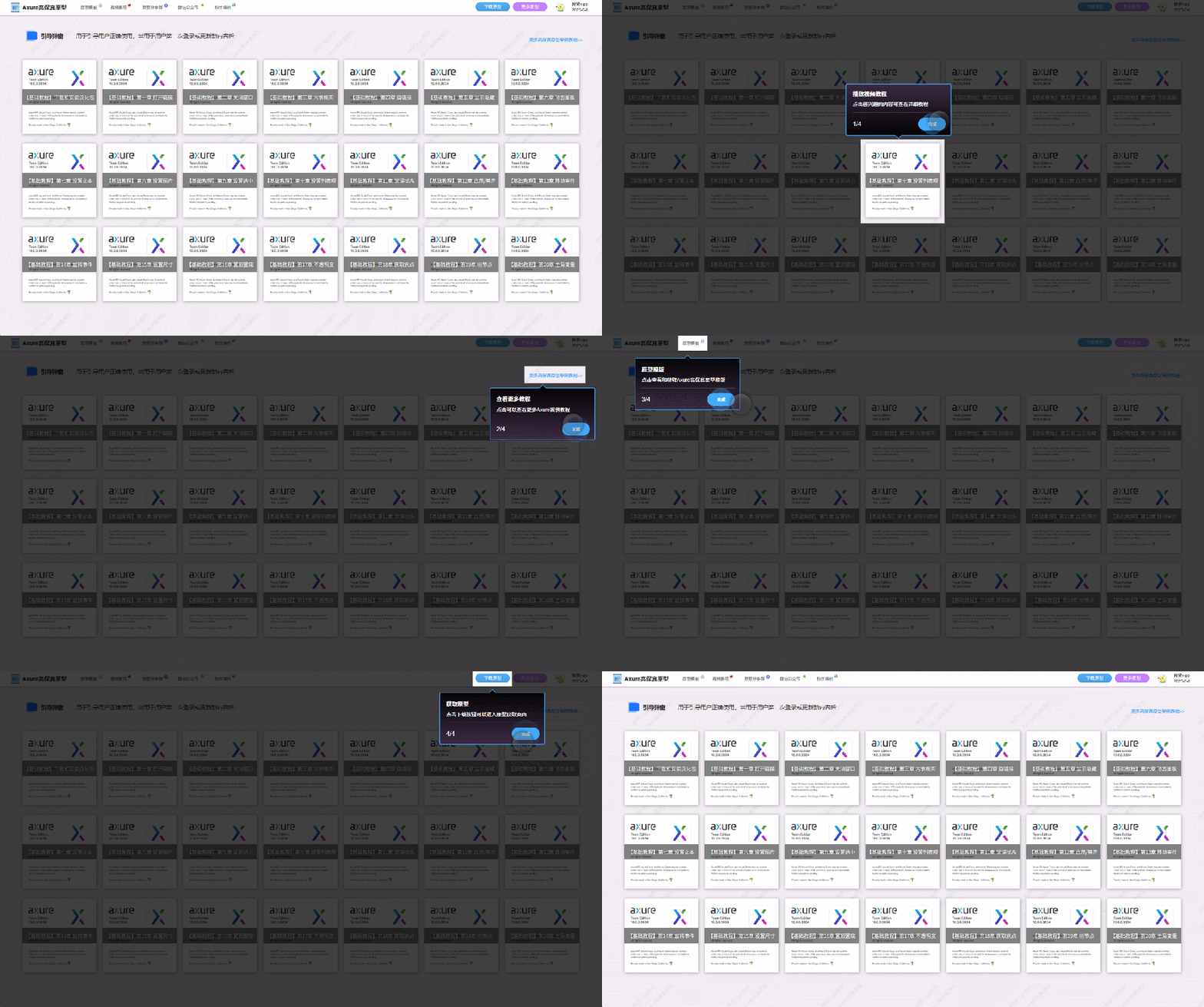
【Axure高保真原型】引导弹窗
今天和大家中分享引导弹窗的原型模板,载入页面后,会显示引导弹窗,适用于引导用户使用页面,点击完成后,会显示下一个引导弹窗,直至最后一个引导弹窗完成后进入首页。具体效果可以点击下方视频观看或打开下方…
接口测试中缓存处理策略
在接口测试中,缓存处理策略是一个关键环节,直接影响测试结果的准确性和可靠性。合理的缓存处理策略能够确保测试环境的一致性,避免因缓存数据导致的测试偏差。以下是接口测试中常见的缓存处理策略及其详细说明:
一、缓存处理的核…
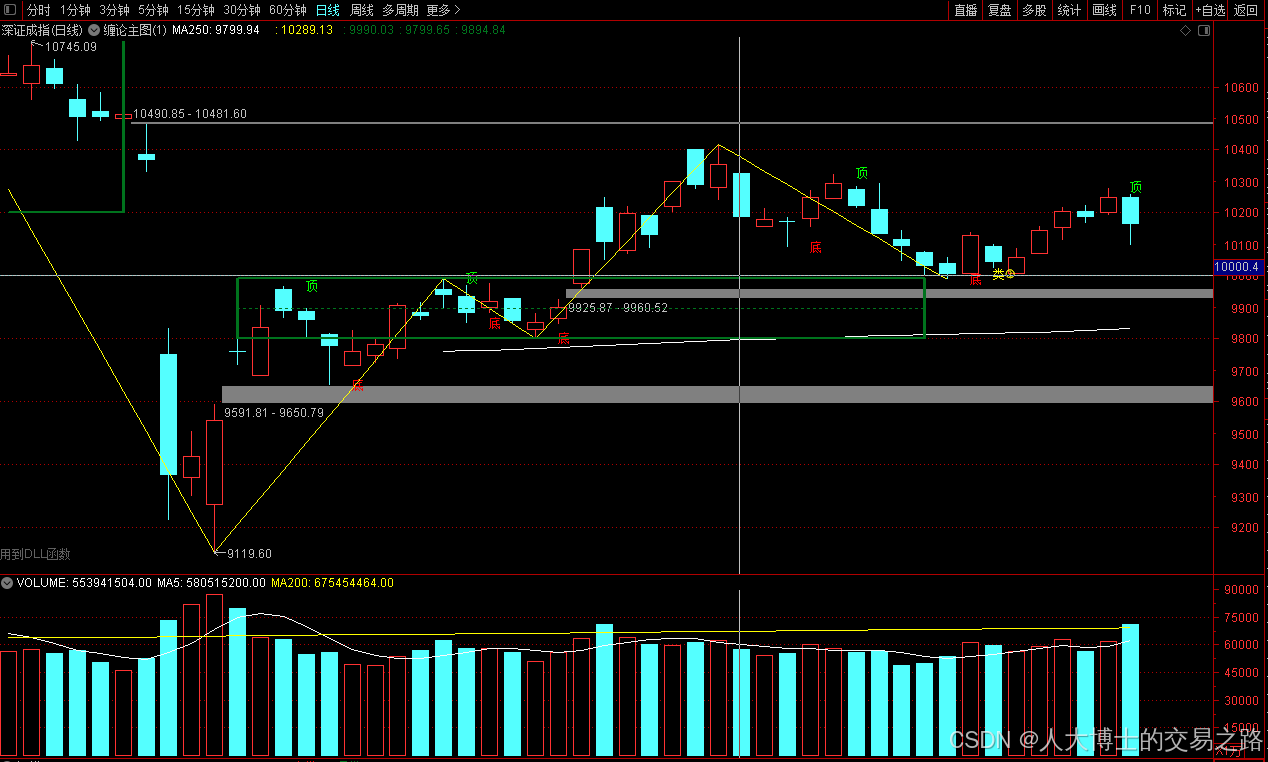
龙虎榜——20250610
上证指数放量收阴线,个股多数下跌,盘中受消息影响大幅波动。 深证指数放量收阴线形成顶分型,指数短线有调整的需求,大概需要一两天。 2025年6月10日龙虎榜行业方向分析 1. 金融科技
代表标的:御银股份、雄帝科技
驱动…

观成科技:隐蔽隧道工具Ligolo-ng加密流量分析
1.工具介绍
Ligolo-ng是一款由go编写的高效隧道工具,该工具基于TUN接口实现其功能,利用反向TCP/TLS连接建立一条隐蔽的通信信道,支持使用Let’s Encrypt自动生成证书。Ligolo-ng的通信隐蔽性体现在其支持多种连接方式,适应复杂网…
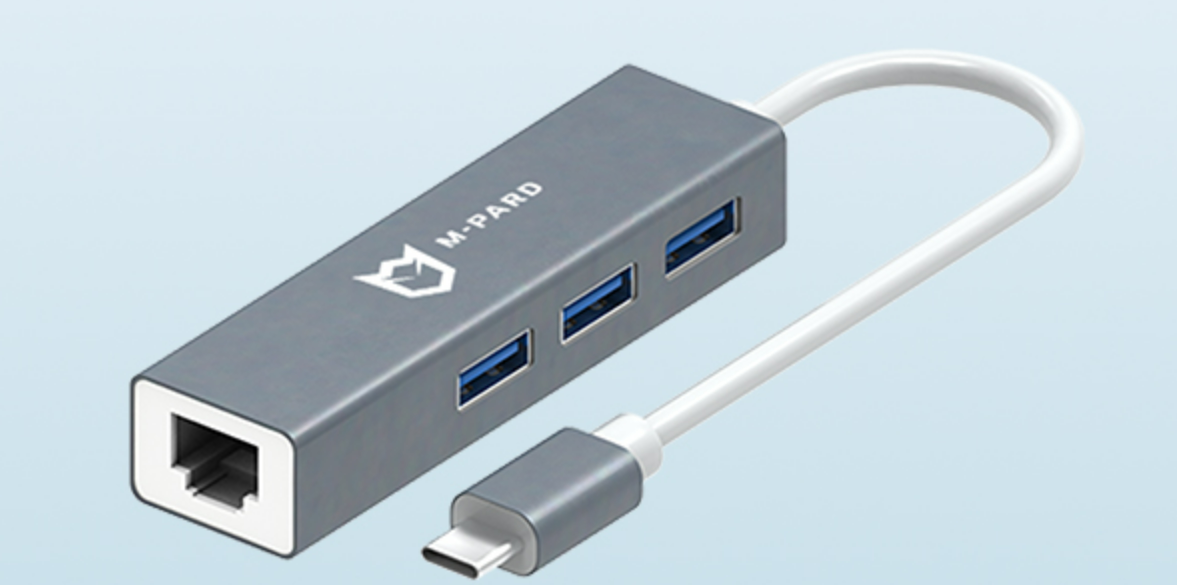
铭豹扩展坞 USB转网口 突然无法识别解决方法
当 USB 转网口扩展坞在一台笔记本上无法识别,但在其他电脑上正常工作时,问题通常出在笔记本自身或其与扩展坞的兼容性上。以下是系统化的定位思路和排查步骤,帮助你快速找到故障原因:
背景:
一个M-pard(铭豹)扩展坞的网卡突然无法识别了,扩展出来的三个USB接口正常。…
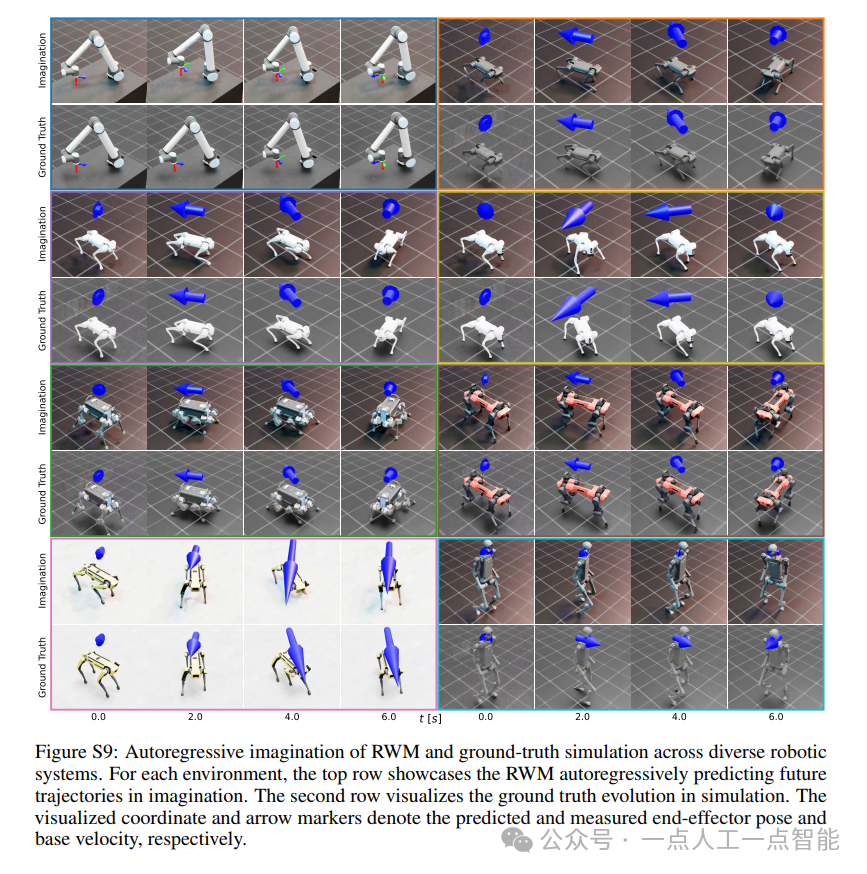
未来机器人的大脑:如何用神经网络模拟器实现更智能的决策?
编辑:陈萍萍的公主一点人工一点智能 未来机器人的大脑:如何用神经网络模拟器实现更智能的决策?RWM通过双自回归机制有效解决了复合误差、部分可观测性和随机动力学等关键挑战,在不依赖领域特定归纳偏见的条件下实现了卓越的预测准…

Linux应用开发之网络套接字编程(实例篇)
服务端与客户端单连接
服务端代码
#include <sys/socket.h>
#include <sys/types.h>
#include <netinet/in.h>
#include <stdio.h>
#include <stdlib.h>
#include <string.h>
#include <arpa/inet.h>
#include <pthread.h>
…

华为云AI开发平台ModelArts
华为云ModelArts:重塑AI开发流程的“智能引擎”与“创新加速器”!
在人工智能浪潮席卷全球的2025年,企业拥抱AI的意愿空前高涨,但技术门槛高、流程复杂、资源投入巨大的现实,却让许多创新构想止步于实验室。数据科学家…
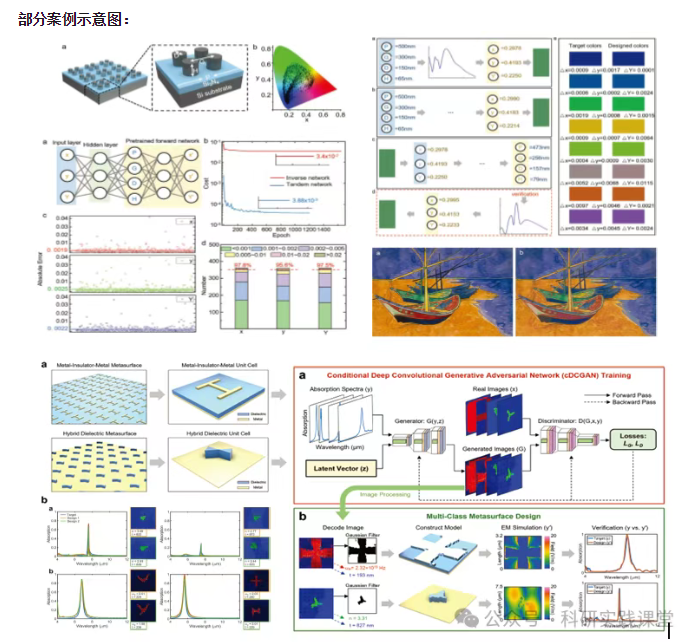
深度学习在微纳光子学中的应用
深度学习在微纳光子学中的主要应用方向
深度学习与微纳光子学的结合主要集中在以下几个方向:
逆向设计 通过神经网络快速预测微纳结构的光学响应,替代传统耗时的数值模拟方法。例如设计超表面、光子晶体等结构。
特征提取与优化 从复杂的光学数据中自…