Java面向对象—反射
news2026/5/16 11:20:20
反射1、反射(Reflection)是Java被视为“动态”语言的关键反射机制允许在执行期间借助于Reflection的API取得任何类(接口)的内部信息并能直接操作任意对象的内部信息。2、Java反射机制主要提供了以下功能1在运行时构造任意一个类的对象2在运行时获取任意一个类所具有的成员变量和方法3在运行时调用任意一个对象的方法属性4生成动态代理3、获得Class 类的三种方式1类名.Class 如Person.Class2实例名.getClass() Person person new Person(); person.getClass();3Class.forName(全类名); Class.forName(com.jdbc.mysql.Driver);public class GetClassTest { public static void main(String[] args) throws ClassNotFoundException { //1类名.class() //Class c1Student.class; System.out.println(Student.class); //2、实例名.getClass(); Student stunew Student(); System.out.println(stu.getClass()); //3、Class.forName(全类名) Class c3Class.forName(_18反射.d1.Student); System.out.println(c3); } }public class Student { String name;//姓名 int age;//年龄 public Student() {} public Student(String name, int age) {this.name name;this.age age;} public String getName() {return name;} public void setName(String name) {this.name name;} public int getAge() {return age;} public void setAge(int age) {this.age age;} }4、利用反射获取属性的值public class Student { public String name;//姓名 private int age;//年龄 private String add;//地址 public Student() { } public Student(String name, int age,String add) {this.name name;this.age age;this.addadd; } public String getName() {return name;} public void setName(String name) {this.name name;} public int getAge() {return age;} public void setAge(int age) {this.age age;} public String getAdd() {return add;} public void setAdd(String add) {this.add add;} }获取公共属性的值和私有化属性的值public class GetFieldTest { public static void main(String[] args) { test1(); test2(); } //获取公共属性name的值 public static void test1(){ try { //1、获取JVM中的class Class cClass.forName(_18反射.d2.Student); //2、通过class取属性公共属性name Field fieldc.getField(name); //3、通过属性调值得先有对象 Student stunew Student(张三,18,云南);//定义去属性name依赖的对象stu System.out.println(field.get(stu));//调属性name的值 } catch (ClassNotFoundException e) { e.printStackTrace(); } catch (NoSuchFieldException e) { e.printStackTrace(); } catch (IllegalAccessException e) { e.printStackTrace(); } } //获取私有化属性age的值 public static void test2(){ try { //1、加载并取到class Class cClass.forName(_18反射.d2.Student); //2、通过class取到属性字段取私有化的age Field fieldc.getDeclaredField(age); //System.out.println(field); //3、获取属性的值得先有对象 Student stunew Student(李四,19,贵州); //设置field对象的可访问性否则取不到私有化的age值 field.setAccessible(true); System.out.println(field.get(stu)); } catch (ClassNotFoundException e) { e.printStackTrace(); } catch (NoSuchFieldException e) { e.printStackTrace(); } catch (IllegalAccessException e) { e.printStackTrace(); } } }5、利用反射获取方法public class Student { public String name;//姓名 private int age;//年龄 private String add;//地址 public Student() { } public Student(String name, int age, String add) { this.name name; this.age age; this.addadd; System.out.println(执行了有参构造方法); } public String getName() { return name; } public void setName(String name) { this.name name; } public int getAge() { return age; } public void setAge(int age) { this.age age; } public String getAdd() { return add; } public void setAdd(String add) { this.add add; } //普通方法 public void show(){ System.out.println(这是无参数的方法); } public void show(String str){ System.out.println(这是一个参数的方法strstr); } private void show(String str,int num){ System.out.println(这是两个参数的方法str:str,num:num); } } package _18反射.d3; import java.lang.reflect.Constructor; import java.lang.reflect.InvocationTargetException; import java.lang.reflect.Method; /** * author Lx * create 2024-03-20 15:45 */ public class getMethodTest { public static void main(String[] args) { test1(); test2(); test3(); test4(); test5(); } //调公共无参方法 public static void test1(){ try { //1、获取JVM中的class Class cStudent.class; //2、用class获取公共方法 Method mc.getMethod(show); //3、调对象中的方法 Student stunew Student(); m.invoke(stu); } catch (NoSuchMethodException e) { e.printStackTrace(); } catch (IllegalAccessException e) { e.printStackTrace(); } catch (InvocationTargetException e) { e.printStackTrace(); } } //调公共有参方法 public static void test2(){ try { //1、获取JVM中的class Class cStudent.class; //2、获取类中带参数的公共方法 Method mc.getMethod(show,String.class); //3、获取对象中的方法 Student stunew Student(); m.invoke(stu,张三丰); } catch (NoSuchMethodException e) { e.printStackTrace(); } catch (IllegalAccessException e) { e.printStackTrace(); } catch (InvocationTargetException e) { e.printStackTrace(); } } //调私有化有参方法 public static void test3(){ try { //1、获取JVM中的class Class cStudent.class; //2、获取类中的私有化带参方法 Method mc.getDeclaredMethod(show,String.class,int.class); //3、获取对象中的方法 Student stunew Student(); m.setAccessible(true);//获得访问权限 m.invoke(stu,李四,50); } catch (NoSuchMethodException e) { e.printStackTrace(); } catch (IllegalAccessException e) { e.printStackTrace(); } catch (InvocationTargetException e) { e.printStackTrace(); } } //调空构造方法 public static void test4(){ try { //1、获取class Class cStudent.class; //2、获取class中的构造方法 Constructor conc.getConstructor(); //3、把获取到的构造方法进行实例化,等号右边就相当于是new构造方法 //Student stunew Student(); Student stu (Student) con.newInstance(); stu.show(); } catch (NoSuchMethodException e) { e.printStackTrace(); } catch (InstantiationException e) { e.printStackTrace(); } catch (IllegalAccessException e) { e.printStackTrace(); } catch (InvocationTargetException e) { e.printStackTrace(); } } //调有参构造方法 public static void test5(){ try { //1、获取class Class cStudent.class; //2、获取class中的构造方法 Constructor conc.getConstructor(String.class,int.class,String.class); //3、把获取到的构造方法进行实例化,等号右边就相当于是new构造方法 //Student stunew Student(); Student stu (Student) con.newInstance(张五,20,四川); stu.show(); } catch (NoSuchMethodException e) { e.printStackTrace(); } catch (InstantiationException e) { e.printStackTrace(); } catch (IllegalAccessException e) { e.printStackTrace(); } catch (InvocationTargetException e) { e.printStackTrace(); } } }
本文来自互联网用户投稿,该文观点仅代表作者本人,不代表本站立场。本站仅提供信息存储空间服务,不拥有所有权,不承担相关法律责任。如若转载,请注明出处:http://www.coloradmin.cn/o/2411073.html
如若内容造成侵权/违法违规/事实不符,请联系多彩编程网进行投诉反馈,一经查实,立即删除!相关文章
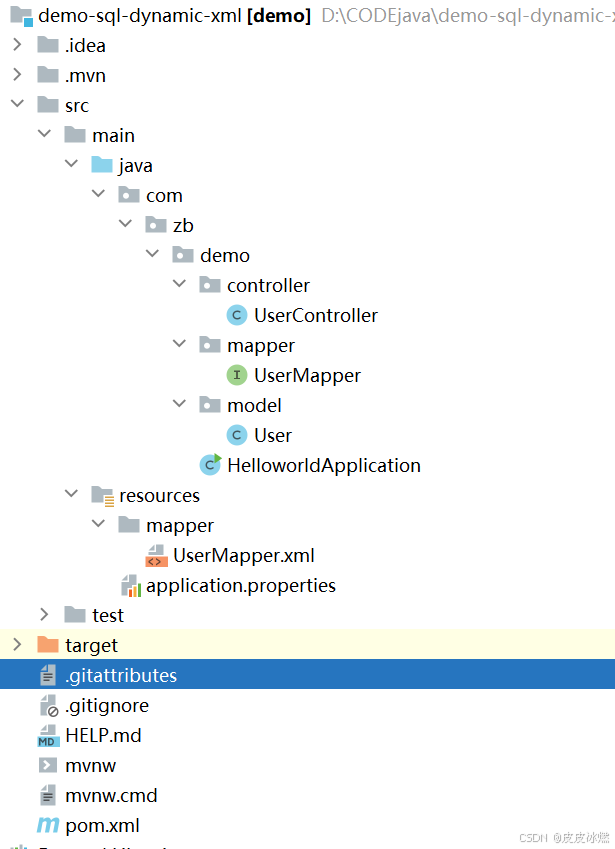
SpringBoot-17-MyBatis动态SQL标签之常用标签
文章目录 1 代码1.1 实体User.java1.2 接口UserMapper.java1.3 映射UserMapper.xml1.3.1 标签if1.3.2 标签if和where1.3.3 标签choose和when和otherwise1.4 UserController.java2 常用动态SQL标签2.1 标签set2.1.1 UserMapper.java2.1.2 UserMapper.xml2.1.3 UserController.ja…
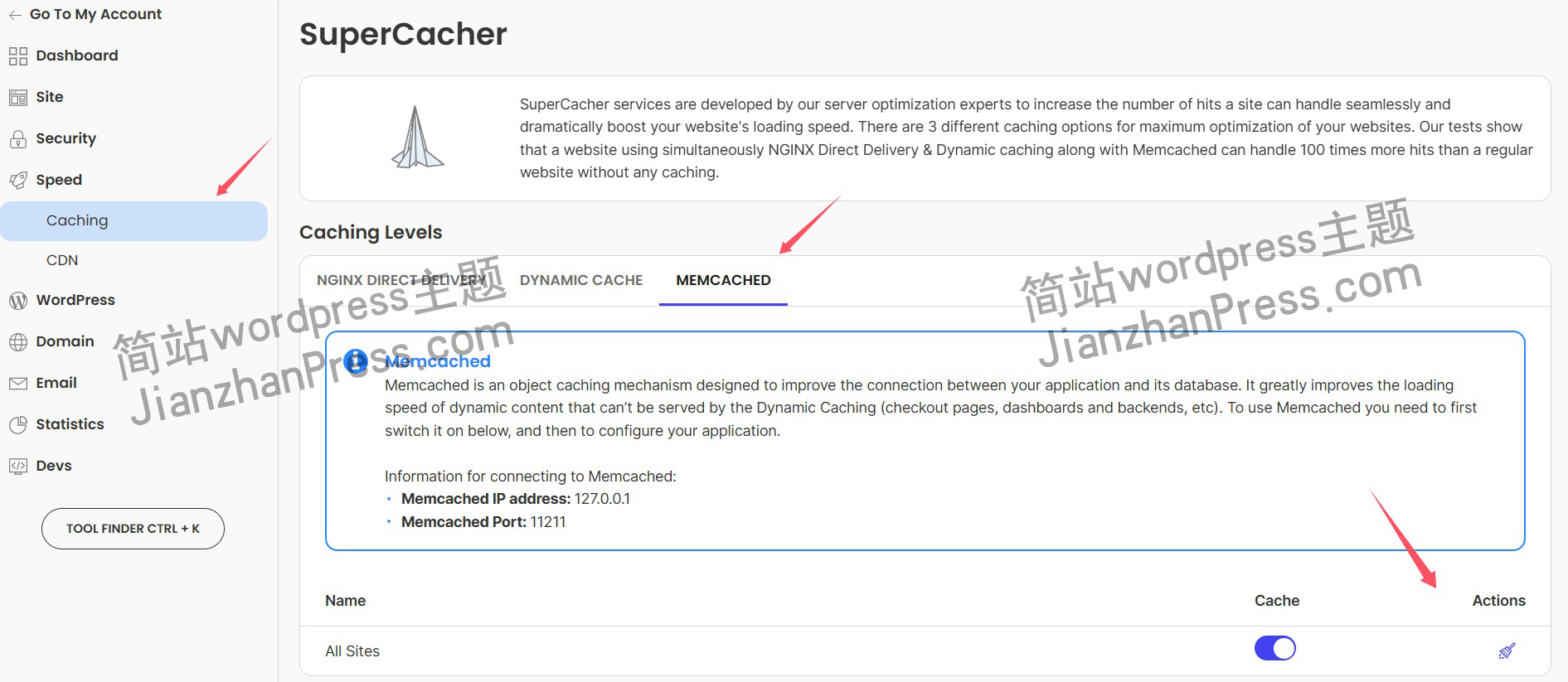
wordpress后台更新后 前端没变化的解决方法
使用siteground主机的wordpress网站,会出现更新了网站内容和修改了php模板文件、js文件、css文件、图片文件后,网站没有变化的情况。
不熟悉siteground主机的新手,遇到这个问题,就很抓狂,明明是哪都没操作错误&#x…
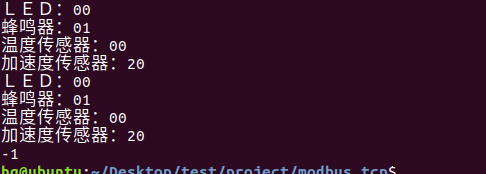
网络编程(Modbus进阶)
思维导图 Modbus RTU(先学一点理论)
概念 Modbus RTU 是工业自动化领域 最广泛应用的串行通信协议,由 Modicon 公司(现施耐德电气)于 1979 年推出。它以 高效率、强健性、易实现的特点成为工业控制系统的通信标准。 包…
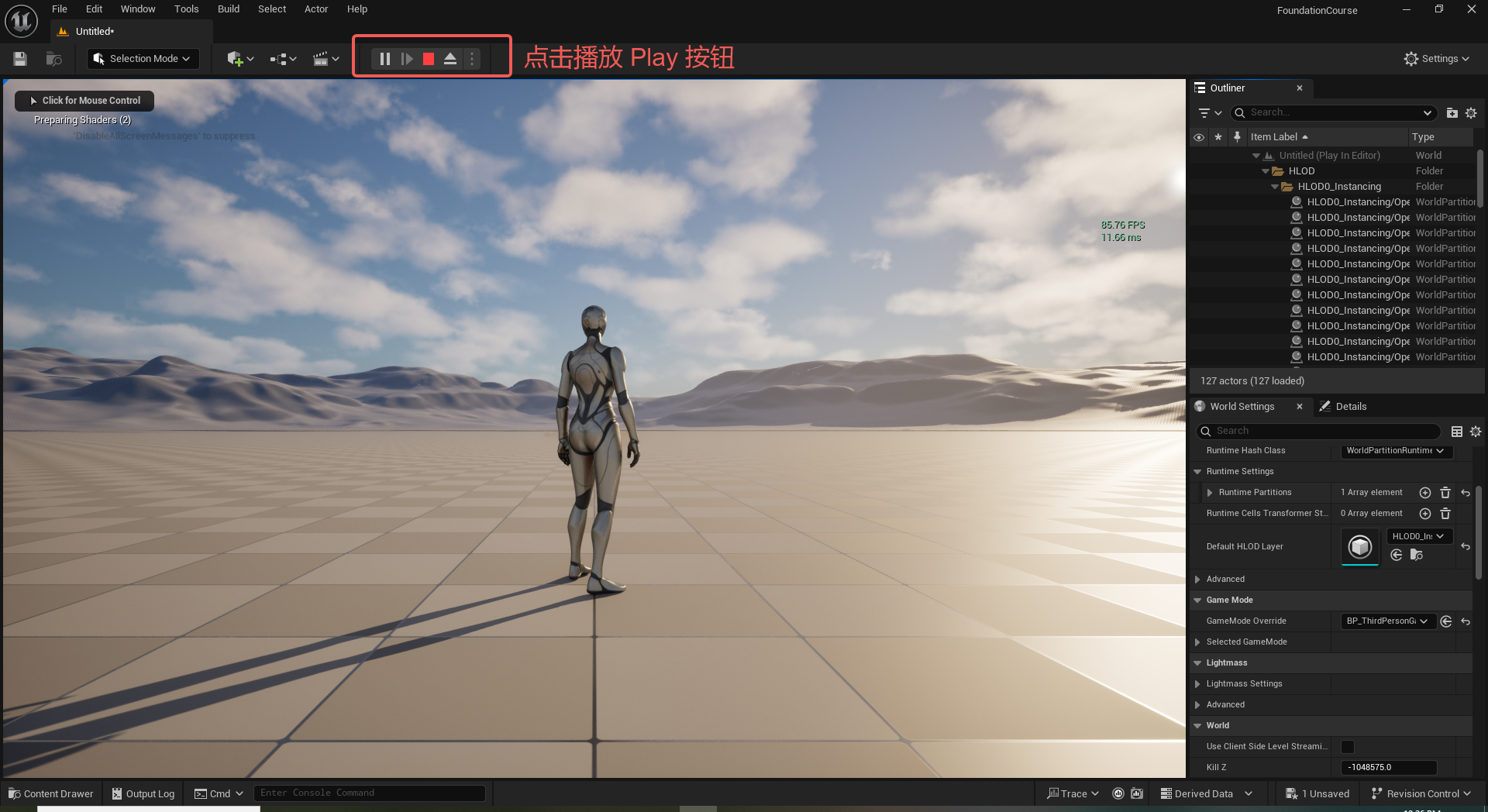
UE5 学习系列(二)用户操作界面及介绍
这篇博客是 UE5 学习系列博客的第二篇,在第一篇的基础上展开这篇内容。博客参考的 B 站视频资料和第一篇的链接如下:
【Note】:如果你已经完成安装等操作,可以只执行第一篇博客中 2. 新建一个空白游戏项目 章节操作,重…
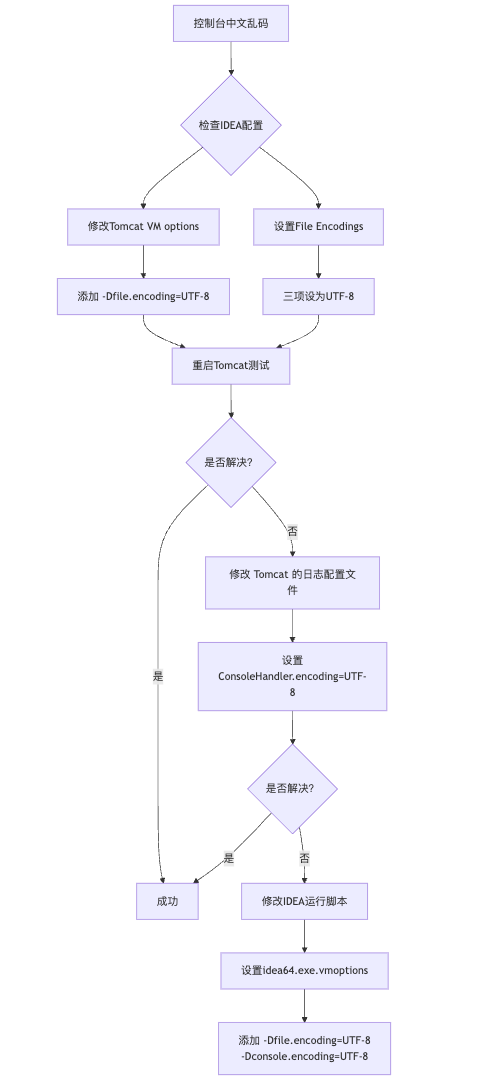
IDEA运行Tomcat出现乱码问题解决汇总
最近正值期末周,有很多同学在写期末Java web作业时,运行tomcat出现乱码问题,经过多次解决与研究,我做了如下整理:
原因:
IDEA本身编码与tomcat的编码与Windows编码不同导致,Windows 系统控制台…
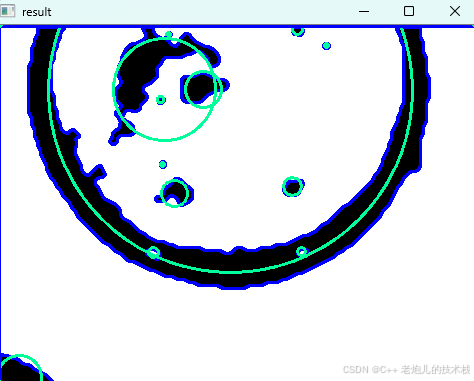
利用最小二乘法找圆心和半径
#include <iostream>
#include <vector>
#include <cmath>
#include <Eigen/Dense> // 需安装Eigen库用于矩阵运算 // 定义点结构
struct Point { double x, y; Point(double x_, double y_) : x(x_), y(y_) {}
}; // 最小二乘法求圆心和半径 …
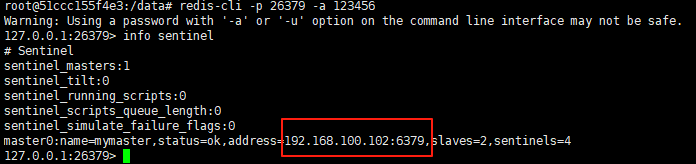
使用docker在3台服务器上搭建基于redis 6.x的一主两从三台均是哨兵模式
一、环境及版本说明
如果服务器已经安装了docker,则忽略此步骤,如果没有安装,则可以按照一下方式安装: 1. 在线安装(有互联网环境): 请看我这篇文章 传送阵>> 点我查看 2. 离线安装(内网环境):请看我这篇文章 传送阵>> 点我查看
说明:假设每台服务器已…
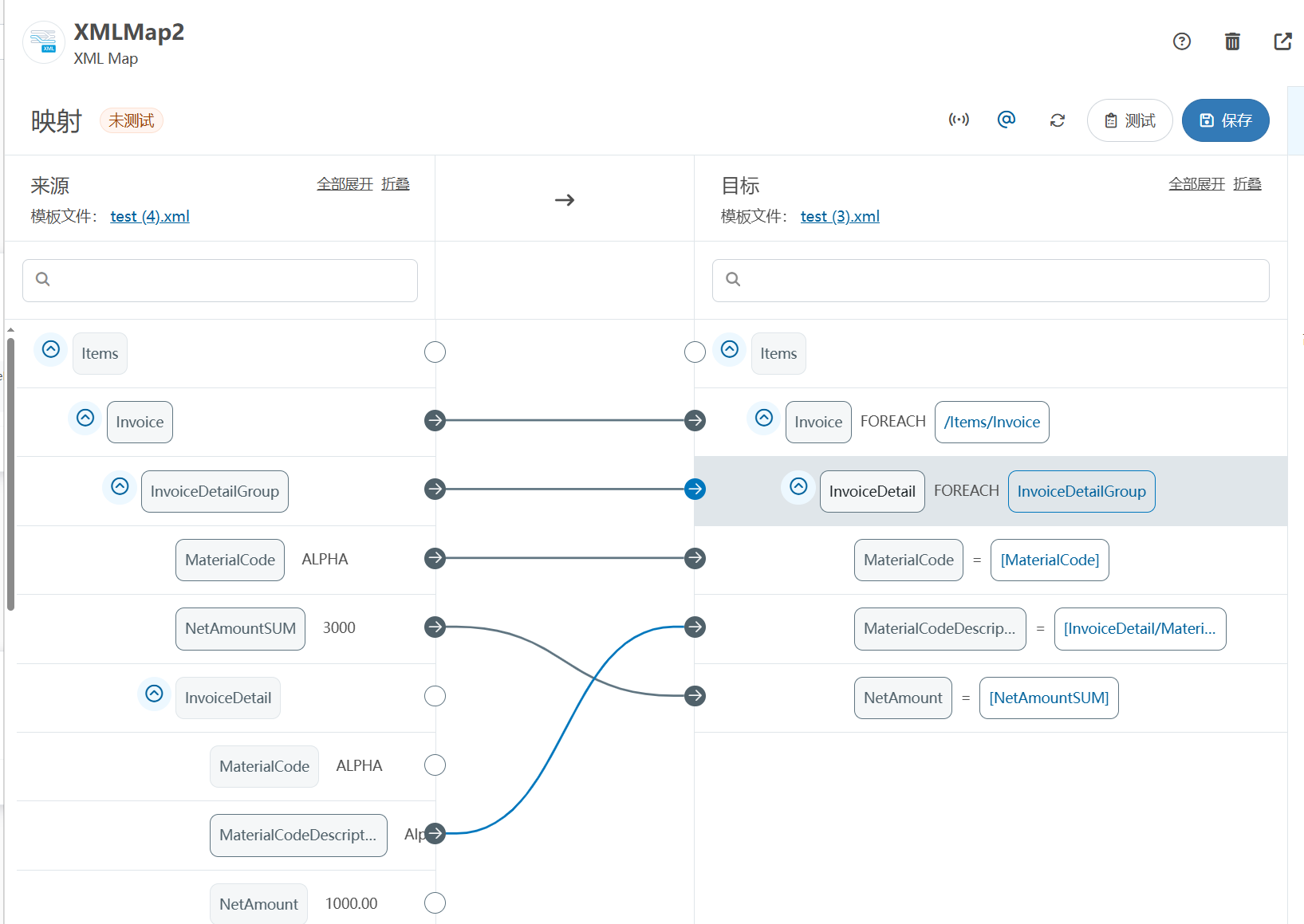
XML Group端口详解
在XML数据映射过程中,经常需要对数据进行分组聚合操作。例如,当处理包含多个物料明细的XML文件时,可能需要将相同物料号的明细归为一组,或对相同物料号的数量进行求和计算。传统实现方式通常需要编写脚本代码,增加了开…
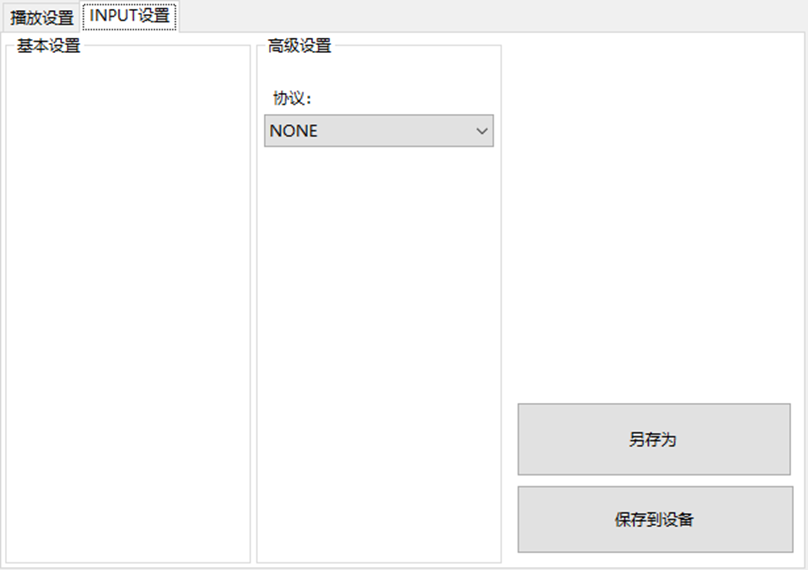
LBE-LEX系列工业语音播放器|预警播报器|喇叭蜂鸣器的上位机配置操作说明
LBE-LEX系列工业语音播放器|预警播报器|喇叭蜂鸣器专为工业环境精心打造,完美适配AGV和无人叉车。同时,集成以太网与语音合成技术,为各类高级系统(如MES、调度系统、库位管理、立库等)提供高效便捷的语音交互体验。
L…
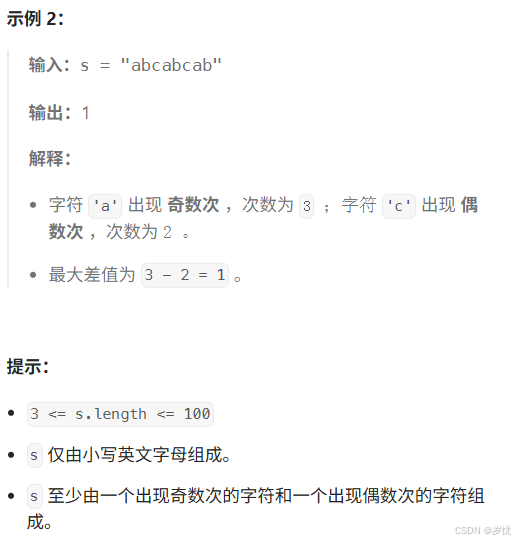
(LeetCode 每日一题) 3442. 奇偶频次间的最大差值 I (哈希、字符串)
题目:3442. 奇偶频次间的最大差值 I 思路 :哈希,时间复杂度0(n)。 用哈希表来记录每个字符串中字符的分布情况,哈希表这里用数组即可实现。
C版本:
class Solution {
public:int maxDifference(string s) {int a[26]…
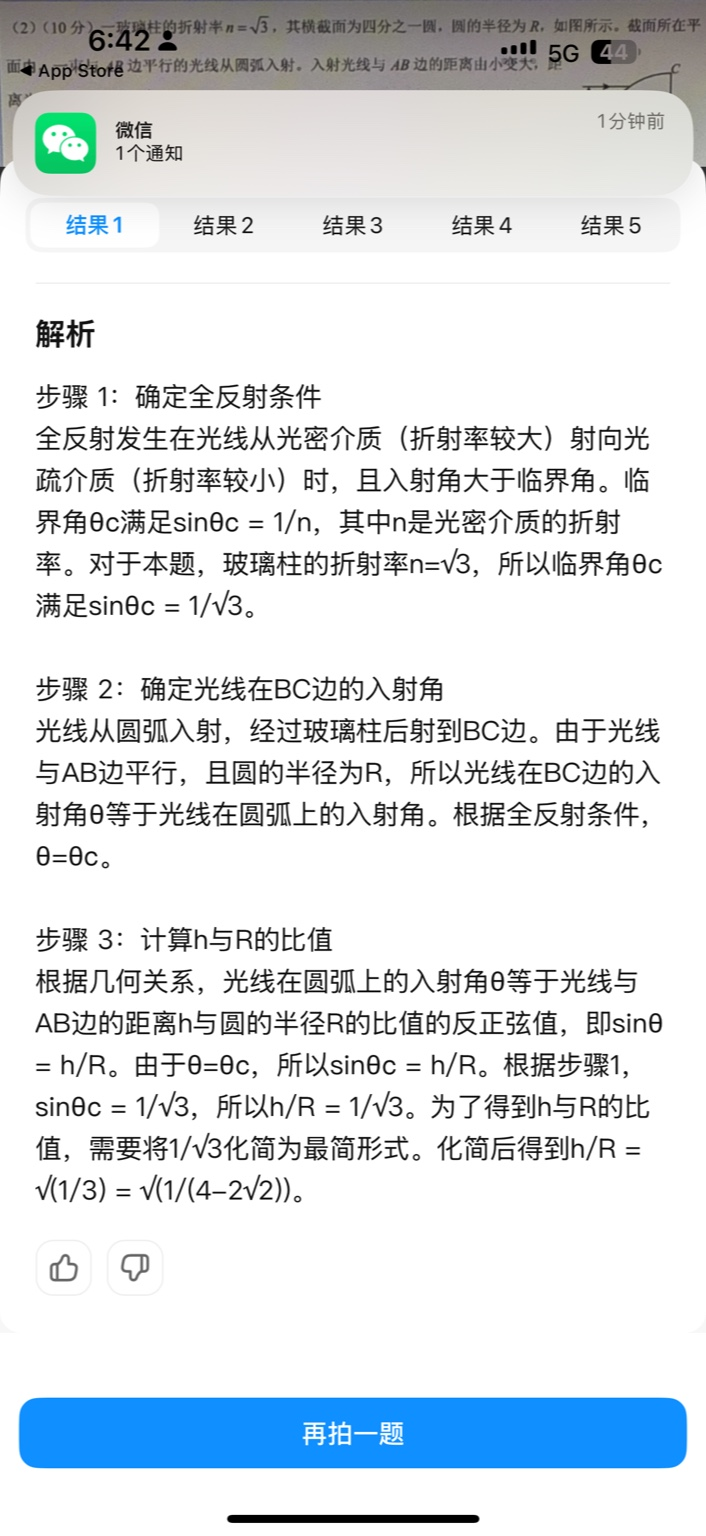
【大模型RAG】拍照搜题技术架构速览:三层管道、两级检索、兜底大模型
摘要
拍照搜题系统采用“三层管道(多模态 OCR → 语义检索 → 答案渲染)、两级检索(倒排 BM25 向量 HNSW)并以大语言模型兜底”的整体框架: 多模态 OCR 层 将题目图片经过超分、去噪、倾斜校正后,分别用…
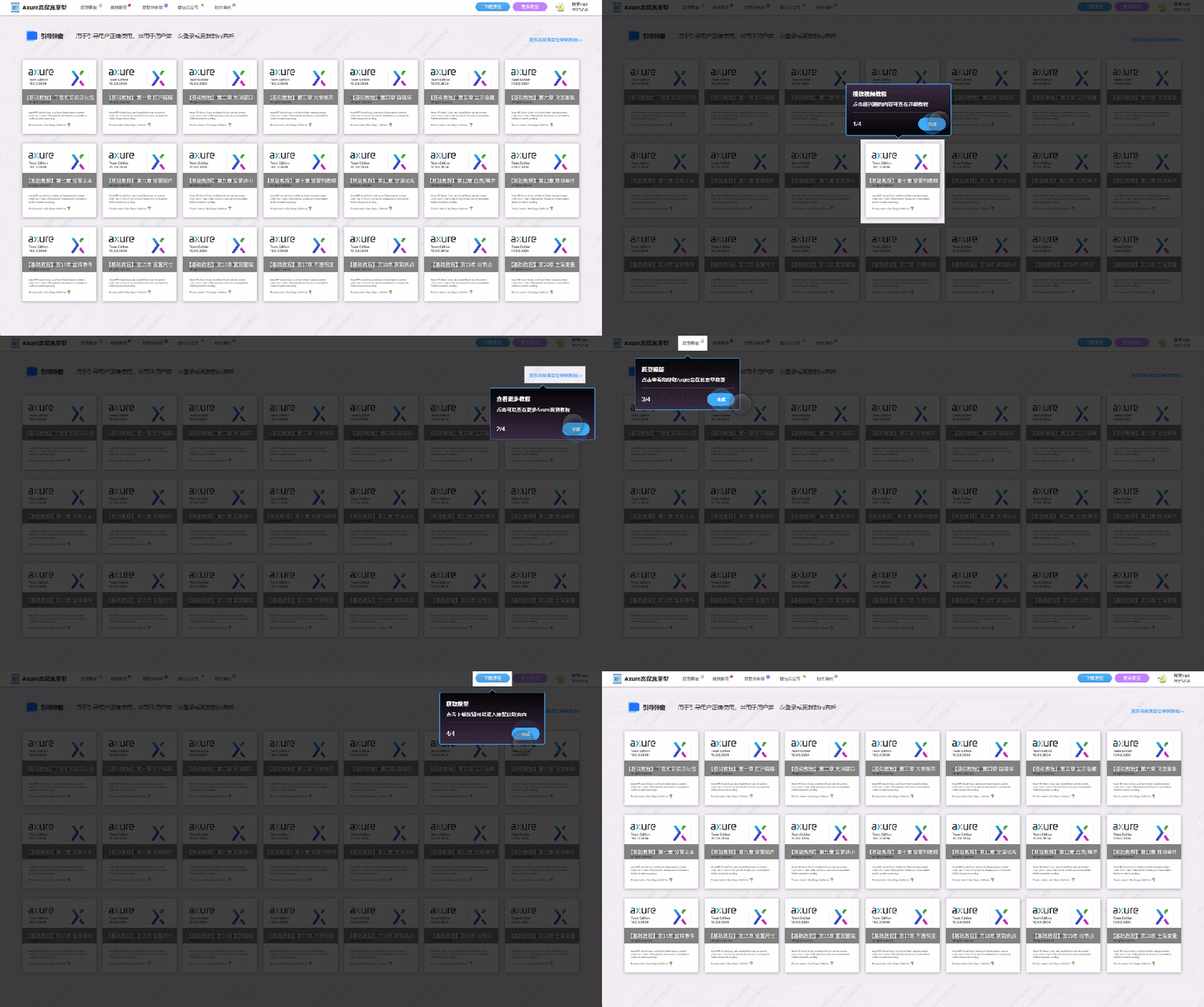
【Axure高保真原型】引导弹窗
今天和大家中分享引导弹窗的原型模板,载入页面后,会显示引导弹窗,适用于引导用户使用页面,点击完成后,会显示下一个引导弹窗,直至最后一个引导弹窗完成后进入首页。具体效果可以点击下方视频观看或打开下方…
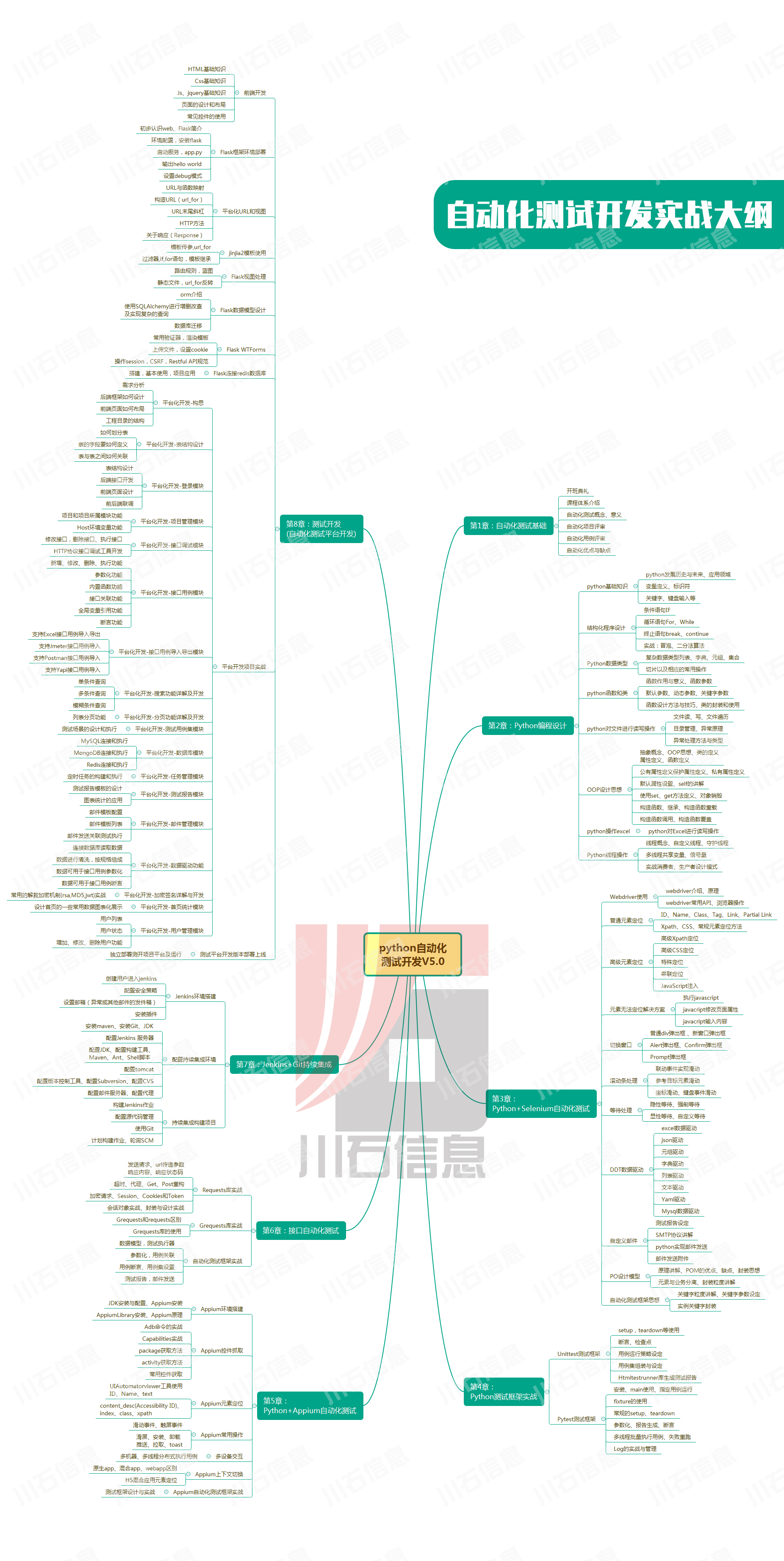
接口测试中缓存处理策略
在接口测试中,缓存处理策略是一个关键环节,直接影响测试结果的准确性和可靠性。合理的缓存处理策略能够确保测试环境的一致性,避免因缓存数据导致的测试偏差。以下是接口测试中常见的缓存处理策略及其详细说明:
一、缓存处理的核…

龙虎榜——20250610
上证指数放量收阴线,个股多数下跌,盘中受消息影响大幅波动。 深证指数放量收阴线形成顶分型,指数短线有调整的需求,大概需要一两天。 2025年6月10日龙虎榜行业方向分析 1. 金融科技
代表标的:御银股份、雄帝科技
驱动…
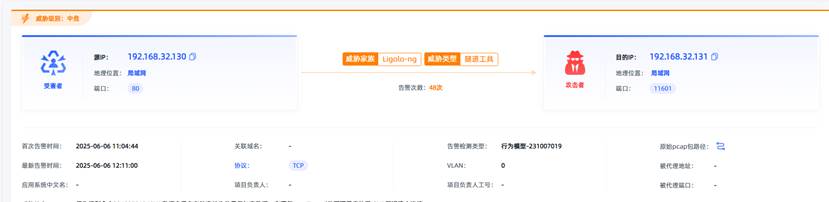
观成科技:隐蔽隧道工具Ligolo-ng加密流量分析
1.工具介绍
Ligolo-ng是一款由go编写的高效隧道工具,该工具基于TUN接口实现其功能,利用反向TCP/TLS连接建立一条隐蔽的通信信道,支持使用Let’s Encrypt自动生成证书。Ligolo-ng的通信隐蔽性体现在其支持多种连接方式,适应复杂网…

铭豹扩展坞 USB转网口 突然无法识别解决方法
当 USB 转网口扩展坞在一台笔记本上无法识别,但在其他电脑上正常工作时,问题通常出在笔记本自身或其与扩展坞的兼容性上。以下是系统化的定位思路和排查步骤,帮助你快速找到故障原因:
背景:
一个M-pard(铭豹)扩展坞的网卡突然无法识别了,扩展出来的三个USB接口正常。…
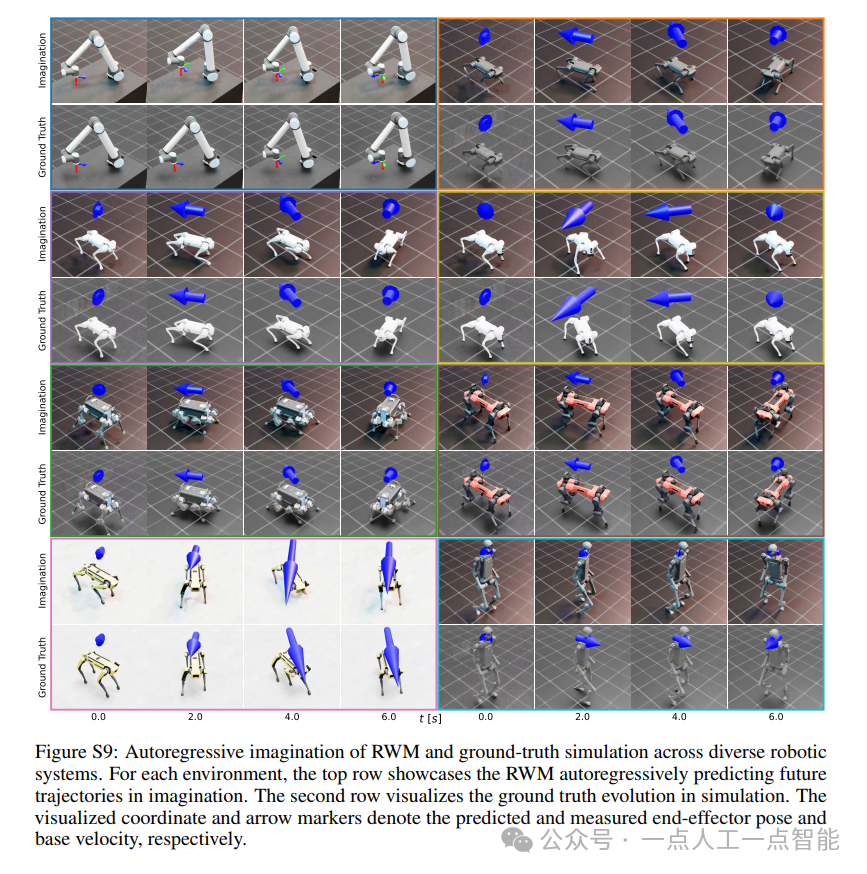
未来机器人的大脑:如何用神经网络模拟器实现更智能的决策?
编辑:陈萍萍的公主一点人工一点智能 未来机器人的大脑:如何用神经网络模拟器实现更智能的决策?RWM通过双自回归机制有效解决了复合误差、部分可观测性和随机动力学等关键挑战,在不依赖领域特定归纳偏见的条件下实现了卓越的预测准…

Linux应用开发之网络套接字编程(实例篇)
服务端与客户端单连接
服务端代码
#include <sys/socket.h>
#include <sys/types.h>
#include <netinet/in.h>
#include <stdio.h>
#include <stdlib.h>
#include <string.h>
#include <arpa/inet.h>
#include <pthread.h>
…

华为云AI开发平台ModelArts
华为云ModelArts:重塑AI开发流程的“智能引擎”与“创新加速器”!
在人工智能浪潮席卷全球的2025年,企业拥抱AI的意愿空前高涨,但技术门槛高、流程复杂、资源投入巨大的现实,却让许多创新构想止步于实验室。数据科学家…
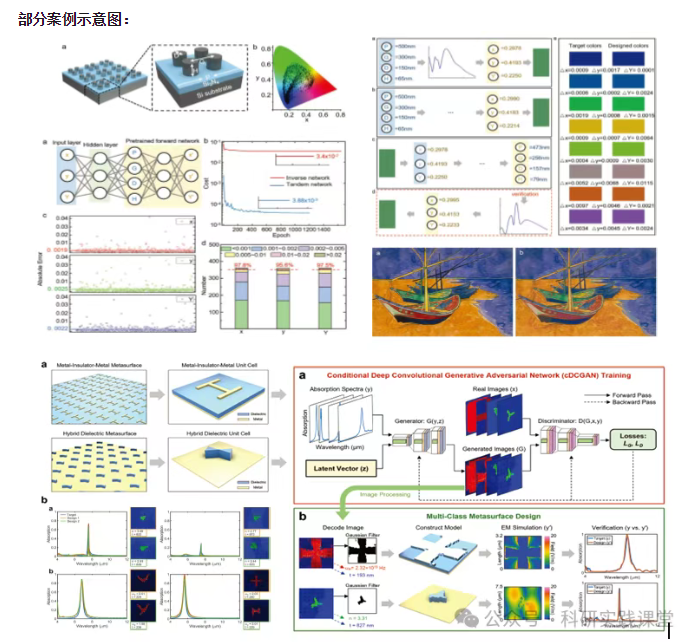
深度学习在微纳光子学中的应用
深度学习在微纳光子学中的主要应用方向
深度学习与微纳光子学的结合主要集中在以下几个方向:
逆向设计 通过神经网络快速预测微纳结构的光学响应,替代传统耗时的数值模拟方法。例如设计超表面、光子晶体等结构。
特征提取与优化 从复杂的光学数据中自…